Check out the biggest trends of the season and our expert take on them.
Choosing the Right Colour of Tile Joint Filler for Your Rooms
The process of choosing fresh tiles for any kitchen, toilet, or other areas may be a lot of fun. It’s easy to get carried away with tile patterns and the numerous choices. The option of tiles gap-filling material, on the other hand, is sometimes ignored or undervalued, which shouldn’t be the case for your dream project.
Epoxy filling in tiles can either enhance or degrade a design. Opting for epoxy for tiles offers several functional advantages, in addition to producing a variety of visual effects that enhance aesthetics.
Why Does Grout Colour Matter?
People spend too much time selecting tiles, yet too little time choosing grout. The epoxy colour for tiles you choose controls how everything comes together. The element establishes boundaries between spaces while creating visual patterns that determine how people perceive the entire design.
The same tile material creates two distinct atmospheres through grout colour selection, resulting in either a peaceful, continuous flow or a strong, organised appearance. Modern materials such as epoxy offer customers more than just a colour option, as they also provide protection against damage and stains while maintaining their original look over time.
Grout Colour vs Overall Design Impact
The design elements of your project should use grout as their boundary marker.
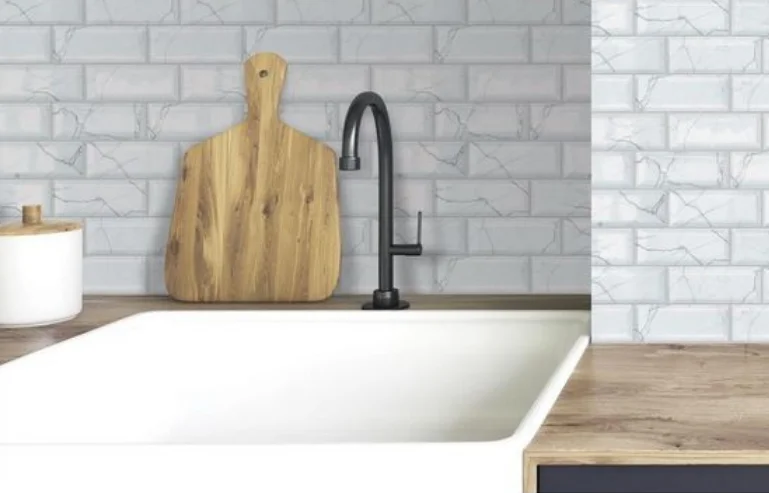
Light grout on light tiles creates an uninterrupted surface, which suits minimalist and spa-like design spaces.
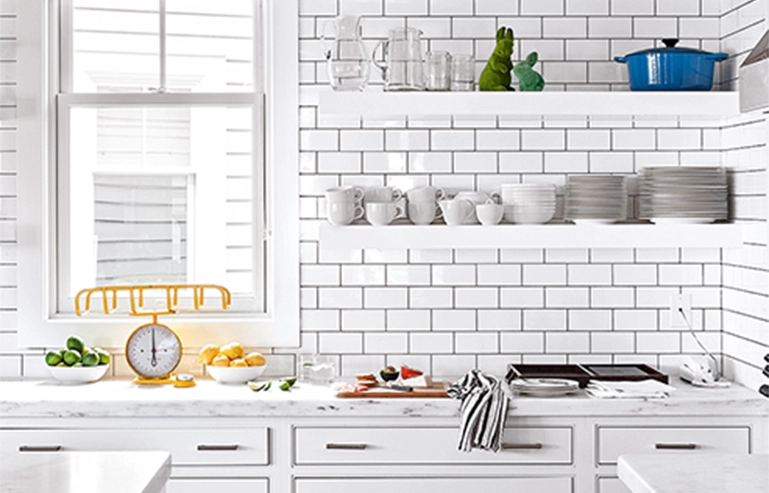
Dark grout against light tiles creates visual separation, which emphasises each tile, resulting in a design that resembles a patterned graphic.
Warm greys and taupes provide a mid-tone between two extreme colour options.
The best epoxy colour for white tiles depends on the mood you want to create when using them. The combination of crisp white grout and soft grey grout creates a clean, classic appearance, while soft grey adds depth to the design without becoming overly dominating.
Charcoal or black creates dramatic effects, but it requires exactness because every line becomes visible. The translator uses the provided text to produce a human-readable equivalent that retains its original meaning.
Tips for Choosing the Right Grout Colour
Design goal: Match grout to your intent, similar shades for seamless, contrast for bold patterns.
White tiles pairing: The best epoxy colour for white tiles is soft grey for balance or white for a clean look.
Room harmony: Choose an epoxy colour for tiles that works with flooring, walls, and lighting.
Subtle definition: Go one shade darker than the tile to gently highlight the layout.
Maintenance factor: Mid to darker epoxy tile joint filler colour hides stains and wears better.
Lighting check: Always see how the colour looks in natural and artificial light.
Sample test: Try a small section before finalising to avoid regret.
Room-wise Grout Colour Guide
Bathrooms: They benefit from mid to darker tones that handle moisture and frequent cleaning better.
Kitchens: They often work well with greys or beiges that hide minor stains from spills.
Living area: The use of matching grout in living areas creates a more spacious appearance when used with large-format tiles.
Lobby: The use of slightly darker grout in high-traffic areas provides practical benefits while maintaining aesthetic appeal.
Types of Tile Joint Filler Colour
Here are a few of the trending combinations to explore when choosing the perfect grout colour.
1. White Duo
When a white or very pale tile is combined with the best epoxy colour for white tiles, the distinction between the tiles vanishes, and the entire area merges seamlessly into one surface. As a result, the flooring will have an appearance that isn’t very attention-seeking.
2. White Tiles with Grey Epoxy
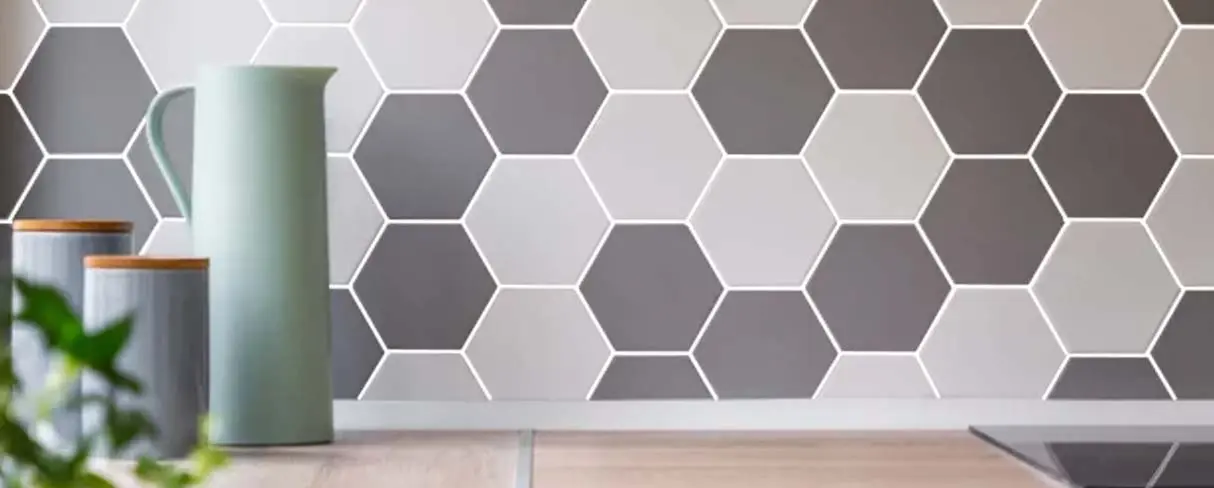
The tile’s form becomes more evident as you add a little contrast between the tile and the grout, and the grout itself creates a design. Making the grout brighter or paler to create more or less contrast can make the tiles pop even more.
3. White and Dark
When you choose black grout, the pattern it creates becomes the focal point of the design rather than the tile itself. This high-contrast tile style works well in areas where black and white are the main colours.
4. Coloured Tiles Gap Filling Material
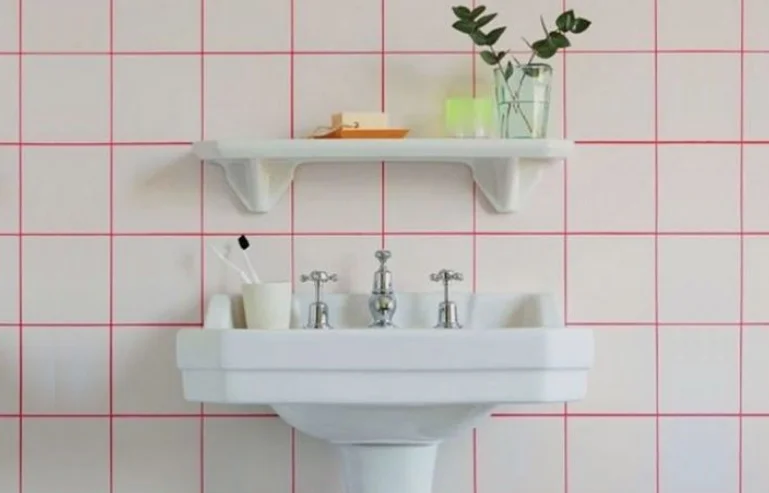
Consider using a bright-coloured grout instead of the usual tones if you want to add vibrance with epoxy grouting tiles. Don’t be afraid to let your creativity run wild and choose a wide, vibrant, and bright epoxy for tiles that suits your personal preferences.
Different tiles, combined with distinct epoxy tile joint fillers, can create varied visual effects and lend a unique overall ambience to the area. Here are a few of the stunning combinations and the essence they impart to the space.
Tile Colour & Epoxy Tile Joint Filler
Visual Effect Produced
White Tile + White Epoxy for Tiles
Breezy
White Tile + Grey Epoxy
Strong choice with subtle richness
White Tile + Black Epoxy
Dominant appeal
Black + Black Epoxy for Tiles
Soft look
Colourful Grouts
Additional personality
Coloured Tiles + Grey Grouts
Seamless colour statement
Coloured Tiles + Light Epoxy
Clean and timeless
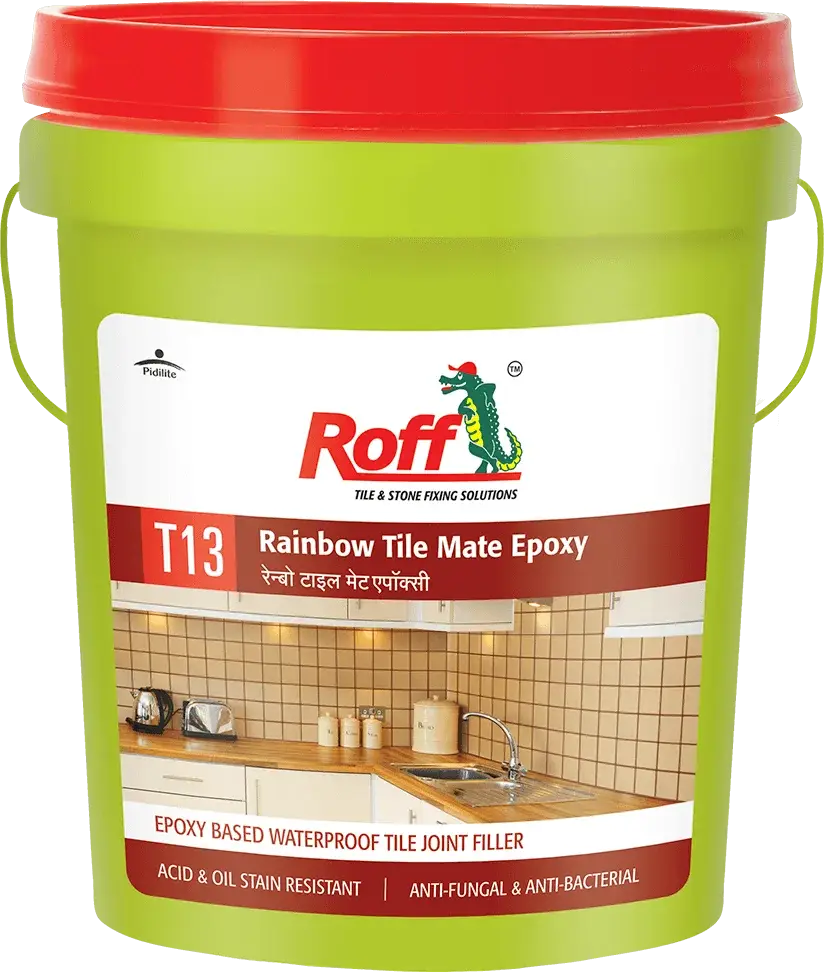
Thus, it’s important to choose a combination based on the room type, its size, and the effect you want to create. Roff’s Tile Joint Filler Visualizer is a great assistive tool in the process, helping you choose the best epoxy for tiles based on the desired outcome.
Grout Colour vs Maintenance
Light grout looks stunning on day one, , but can become slightly stressful after a few months if not maintained. Darker grout hides dirt, stains, and daily wear far better. Epoxy options change the game a bit since they resist stains and moisture, making lighter shades more manageable than traditional cement grout. Still, if low maintenance is your goal, mid-tone greys are the sweet spot.
Common Mistakes to Avoid
The biggest mistake people make when selecting grout happens when they choose grout without viewing their tile selection.
The bold black grout creates an attractive appearance initially, but it will become too much for people to handle in the future.
The next mistake people make is to overlook the effect of the power system used to light their space. Grout will show different results under natural and artificial light sources at different times of day
How to Test Epoxy Colour for Tiles Before Finalising
Always do a sample board.
Apply your shortlisted epoxy tile joint filler colour options between actual tiles and let them dry.
Check them in daylight, evening light, and under artificial lighting.
Walk past it a few times. If it still feels right after a couple of days, you’re good to go.
Why Choose Quality Products?
Different types of grout produce different results. The best epoxy colour for white tiles offers superior colour retention, resisting stains and maintaining long-term strength. The cheaper options will lead to your planned appearance being destroyed, as they will develop discolouration, cracks, and problems with stain absorption. The investment in a dependable product ensures that your selected colour will maintain its original appearance for years to come.
FAQs (Frequently Asked Questions)
What is the best colour for tile grout?
There’s no universal answer. The solution depends on the objective you need to accomplish with your tile design. The safest choice for matching tones will create a seamless appearance.
Should grout be lighter or darker than the tile?
Lighter grout blends, darker grout defines. Choose based on whether you want subtlety or contrast.
What grout colours make a small room look bigger?
Light-matching grout creates a continuous surface, which makes the space feel more expansive.
Which is better, white or grey grout?
White requires maintenance despite its fresh appearance. Grey offers better practical use because it wears better than other materials.