Check out the biggest trends of the season and our expert take on them.
Why your toilet tiles cleaner is not actually cleaning your bathroom
If you clean your toilet regularly but still deal with stubborn stains, lingering odours, or a general sense of uncleanliness, your toilet tiles’ cleaner might be the problem. Toilet areas face a unique combination of moisture, bacteria, and frequent use that most generic cleaners simply are not built to handle.
Here are five issues that a poor cleaner for your toilet tiles can cause.
1. Persistent stains that keep coming back
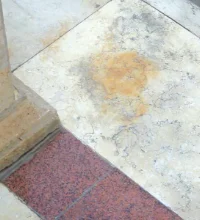
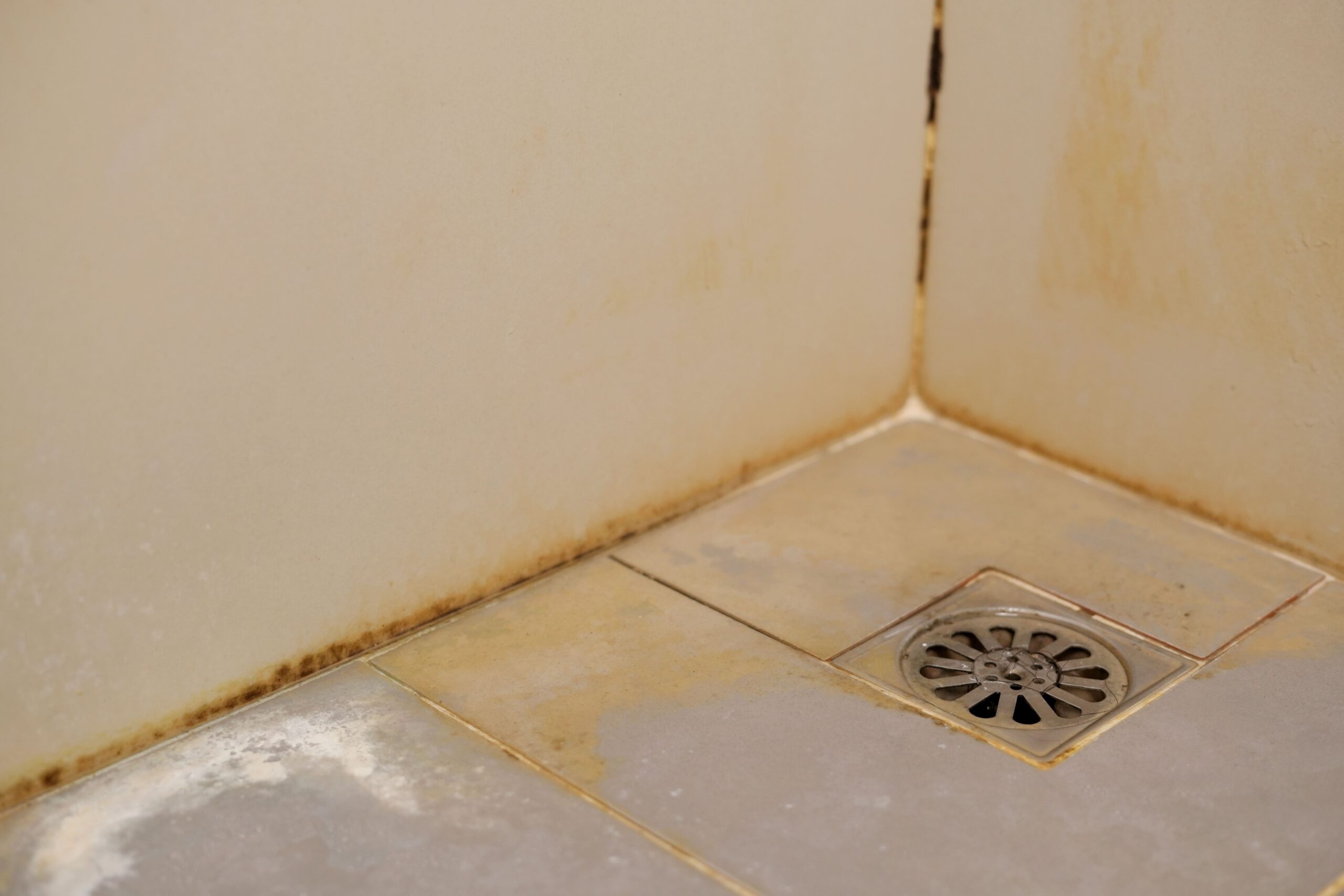
Mild or watered-down cleaners sit on the surface without breaking down the mineral deposits, soap scum, or rust stains that build up in toilet areas. Without a proper tile stain remover, you end up scrubbing harder and more often, with results that fade within days.
2. Hidden germ and bacteria buildup
A cleaner for toilet tilesthat does not disinfect is essentially just moving dirt around. Bacteria thrive in high-moisture environments, and without a cleaner formulated to eliminate them, your tiles may look clean while remaining hygienically compromised.
3. Damage to tile finish and grout
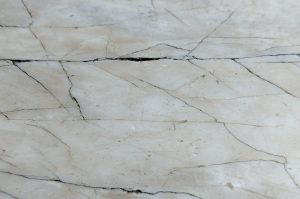
Harsh or chemically unsuitable cleaners do the opposite of what you need. Over time, they etch tile surfaces, strip the finish, and weaken grout joints, leaving your tiles looking dull and structurally vulnerable.
4. Recurring bad odour
Incomplete cleaning leaves behind residue that traps bacteria and moisture. This is one of the most common reasons toilet areas smell bad even after cleaning. High-quality cleaner liquid for tiles is formulated to rinse cleanly and prevent the odour cycle from continuing.
5. More effort, more frustration
When the cleaner for your toilet floor tiles is not effective, you compensate by cleaning more frequently and scrubbing more forcefully. This wastes time and accelerates tile wear, neither of which is a good trade-off.
The right cleaner for toilet tiles changes everything
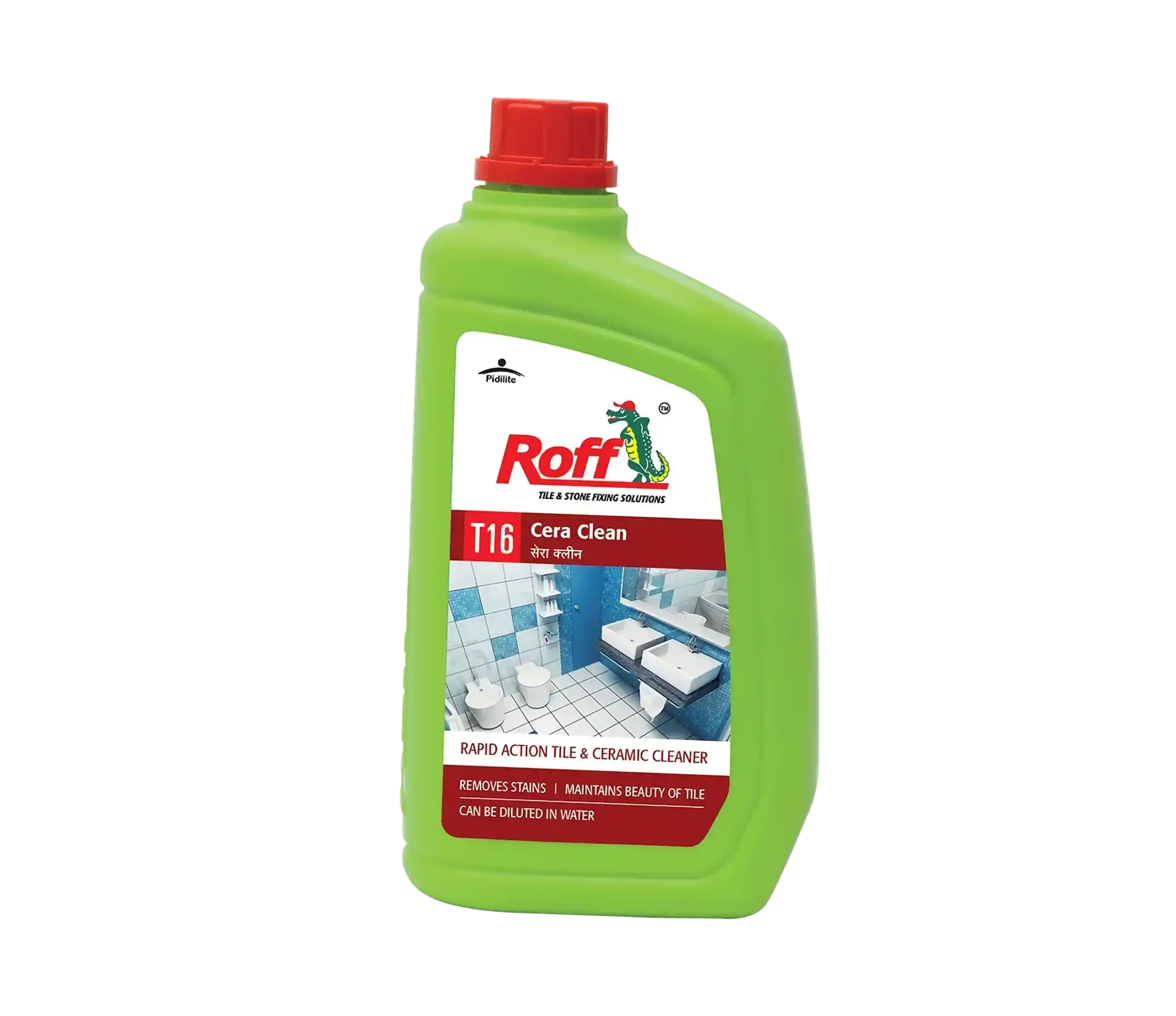
Toilet areas need a cleaner that goes beyond surface-level work. Roff Cera Clean is formulated specifically for tiled surfaces in bathrooms, toilets, and other areas. It acts as a gentle yet effective tile stain remover while tackling bacteria, residue, and odour at the source. Used regularly, Roff Cera Clean is a toilet tile cleaner that reduces cleaning effort and keeps tiles genuinely clean, not just visually passable.
Switch to Roff Cera Clean and stop cleaning around the problem.
FAQs
1) How often should I clean toilet tiles for best results?
Ideally, toilet tiles should be cleaned at least twice a week, with a deeper cleaning once a week to prevent the buildup of stains, bacteria, and residue.
2) Can hard water affect toilet tiles over time?
Yes, hard water can leave mineral deposits that dull surfaces and cause stubborn stains on tiles, making them harder to clean if left untreated.
3)What is the right way to apply a tile cleaning liquid?
Dilute the cleaner as recommended, apply evenly on the surface, allow it to sit briefly, then scrub lightly and rinse thoroughly for best results.
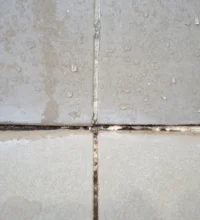
4)Why do tile joints get dirtier faster than tiles?
Tile joints are porous and tend to absorb moisture, dirt, and bacteria more readily, making them appear dirtier and requiring targeted cleaning.
5) Can using the wrong cleaner affect bathroom hygiene?
Yes, a cleaner that does not disinfect or remove residue properly can leave behind bacteria and moisture, reducing overall hygiene even if the tiles look clean.