Check out the biggest trends of the season and our expert take on them.
Best Adhesive for Fixing Tiles Over Wooden or Plywood Floors
Key Takeaways
Wooden and plywood floors expand, contract, and flex, and hence require flexible adhesive to prevent cracked tiles and grout.
Wood or plywood surfaces absorb water from cement based adhesives, making the surface weaker; hence cement-based adhesives are not recommended for such surfaces.
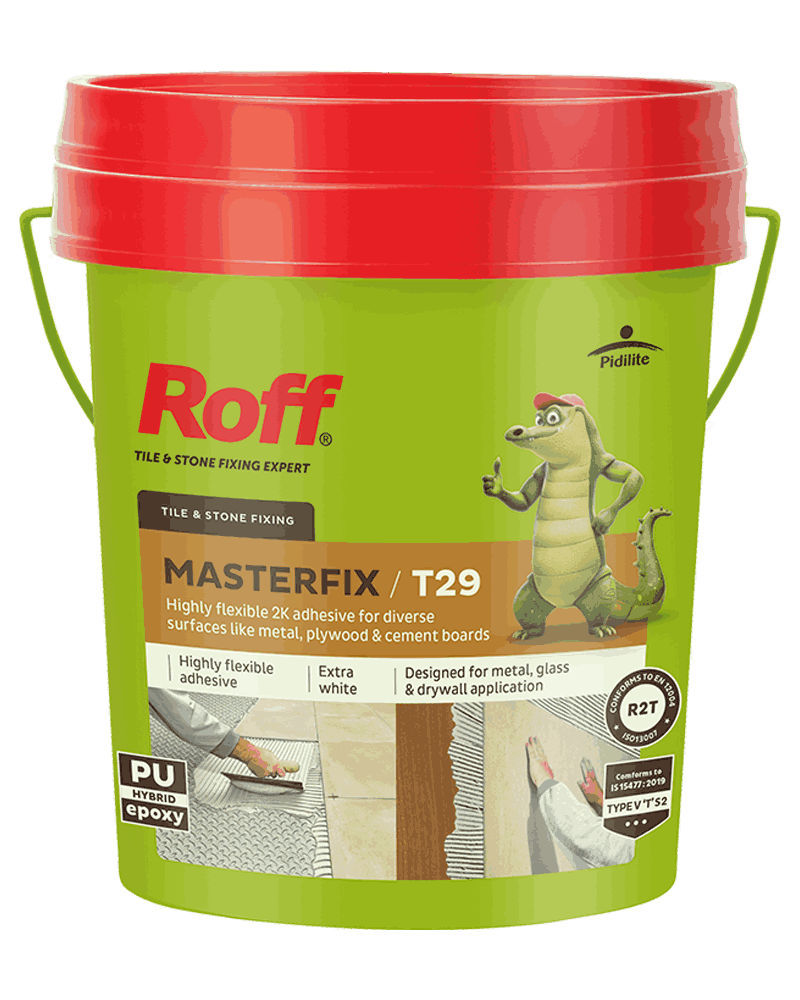
Use an adhesive specifically approved for wooden substrates, such as Roff Master Fix, which is designed to bond tiles to challenging surfaces like plywood.
Secure loose boards, address excessive floor movement, and install a compatible backer board or underlayment where required before fixing tiles.
Maintain consistent tile spacing, provide movement joints, and allow the adhesive to cure fully to achieve a durable, long-lasting tile installation.
Installing tiles over a wooden or plywood floor requires more than choosing a strong adhesive. Timber can expand, contract, and flex with changes in humidity and load, while tiles and grout are comparatively rigid. Without a stable substrate and a compatible adhesive system, these movements can lead to cracked grout, loose tiles, or bond failure. The key is to reduce floor movement, prepare the surface correctly, and select an adhesive specifically suited to the substrate and installation conditions.
Why Wood Needs a Flexible Adhesive
Wood behaves differently from concrete or cement-based surfaces. Before tiling, understand how timber movement affects the adhesive layer and the finished floor.
Timber moves
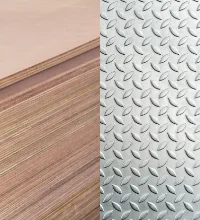
Timber and plywood respond to changes in moisture and temperature. They can expand, contract, or bend under load, with the extent of movement depending on the material, construction, moisture conditions, and support beneath the floor.
Plywood may provide a suitable base in some systems, but its grade, thickness, fixing, and structural support all matter. A floor that feels firm underfoot may still move enough to affect a brittle tile installation. Addressing the source of movement before tiling is therefore essential.
Rigid beds crack
A conventional rigid adhesive bed may not accommodate the differential movement between timber and ceramic or stone tiles. As the substrate flexes, stress can build up at the tile-to-adhesive interface and within the grout joints. Ideally, use an adhesive flexible enough to accommodate tile movement and the wooden substrate.
Which Adhesive Is Best for Wooden Flooring?
For tiles over timber or plywood, choose an adhesive system designed to accommodate substrate movement rather than a standard, rigid cement-based adhesive. Moreover, wooden/plywood surfaces tend to absorb moisture from cement-based adhesives, which makes the surface weaker. This is why cement-based adhesives are generally not recommended for wooden/plywood flooring. Roff Master Fix is an epoxy-based tile adhesive that is especially performant on difficult substrates like plywood or metal.
Before choosing a product, consult its technical data sheet and confirm whether the complete installation system requires any other preparation. Tiling on diverse substrates requires meticulous preparation and an adhesive that forms a strong bond even under harsh conditions.
Prep: Make the Timber Substrate Tile-Ready
Successful tiling starts with a floor that is stable, sufficiently stiff and suitable for the proposed installation. Do not use adhesive to compensate for loose boards or an uneven surface. Surface preparation is the first step to any tile installation.
Stiffen & add backer board
Inspect the floor for movement, loose boards, damaged plywood, and unsupported sections. Secure loose components and address structural deficiencies before beginning the tiling work. If the floor flexes excessively, seek professional advice rather than proceeding directly to tile installation.
A compatible tile backer board or other underlayment may help provide a suitable surface for tiling. However, it must be installed according to the system manufacturer’s instructions and supporting structure. A backer board alone does not necessarily strengthen an inadequately supported floor.
Prime the surface
Once the substrate is stable, remove any contaminants or dust. Check that the timber or plywood is dry and in suitable condition for the selected installation system. Use a primer only when it is specified or approved for the substrate and adhesive system. Not every adhesive requires a primer, for example, Roff Master Fix is an epoxy-based adhesive that can be applied without any primer. Follow the manufacturer’s preparation and drying instructions before spreading adhesive.
Step-by-Step Fixing
After confirming that the substrate is suitable, plan the tile layout and movement joints before starting. The adhesive, underlayment, tiles, grout, and joint sealant should form a compatible system designed for the intended floor conditions.
Fix, space, joint
Follow these steps to keep the installation organised and reduce the risk of movement-related failures.
Check the floor: Confirm the timber structure is sound, securely fixed, and rigid enough for tiling.
Install the underlayment: Fit the specified backer board or other system components according to the manufacturer’s instructions.
Prepare the adhesive: Select a compatible floor tile adhesive, such as Roff Master Fix, and follow its mixing instructions.
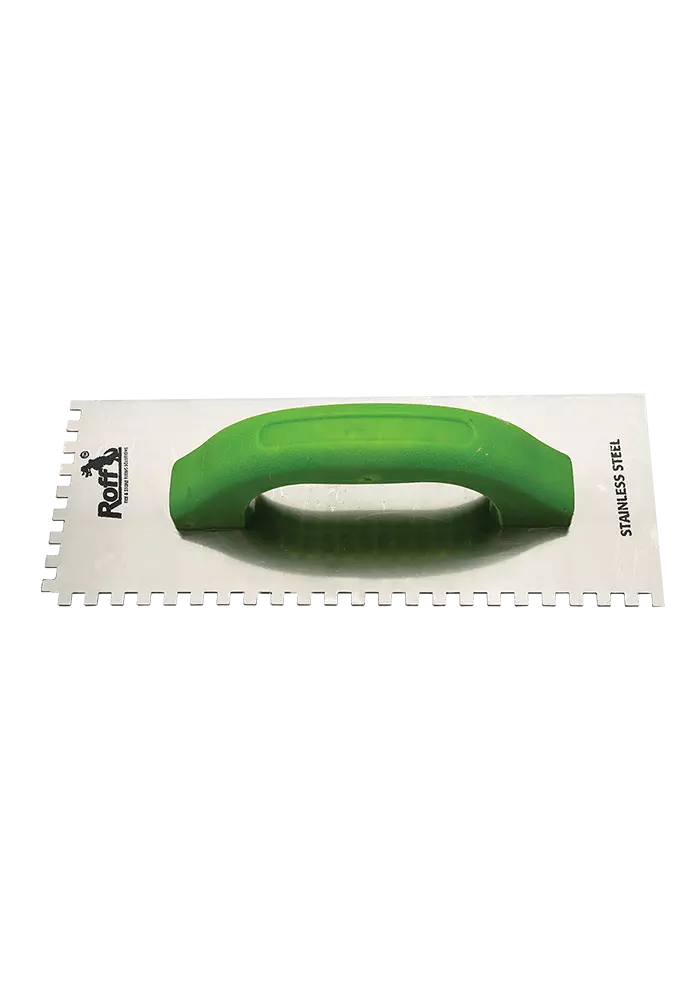
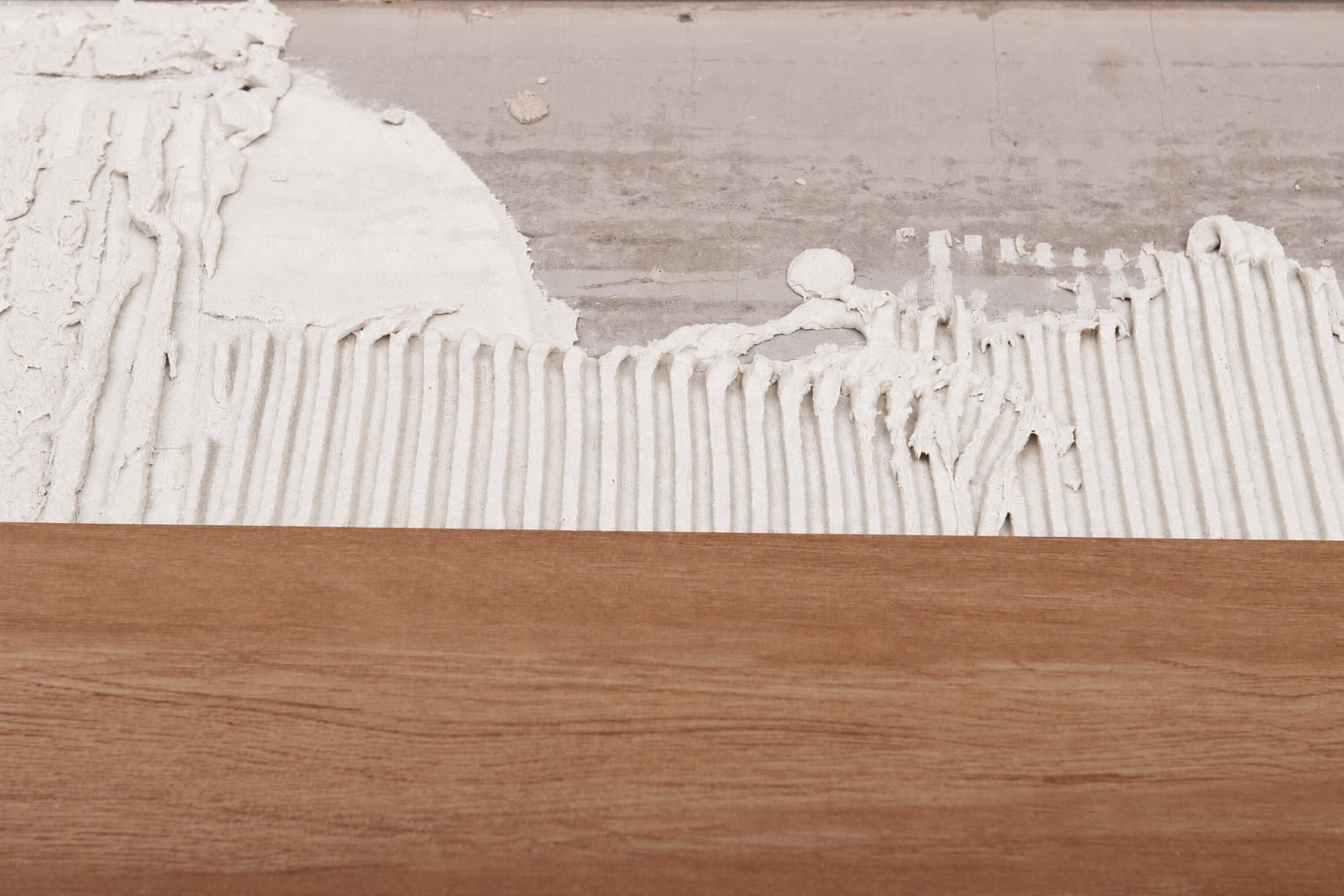
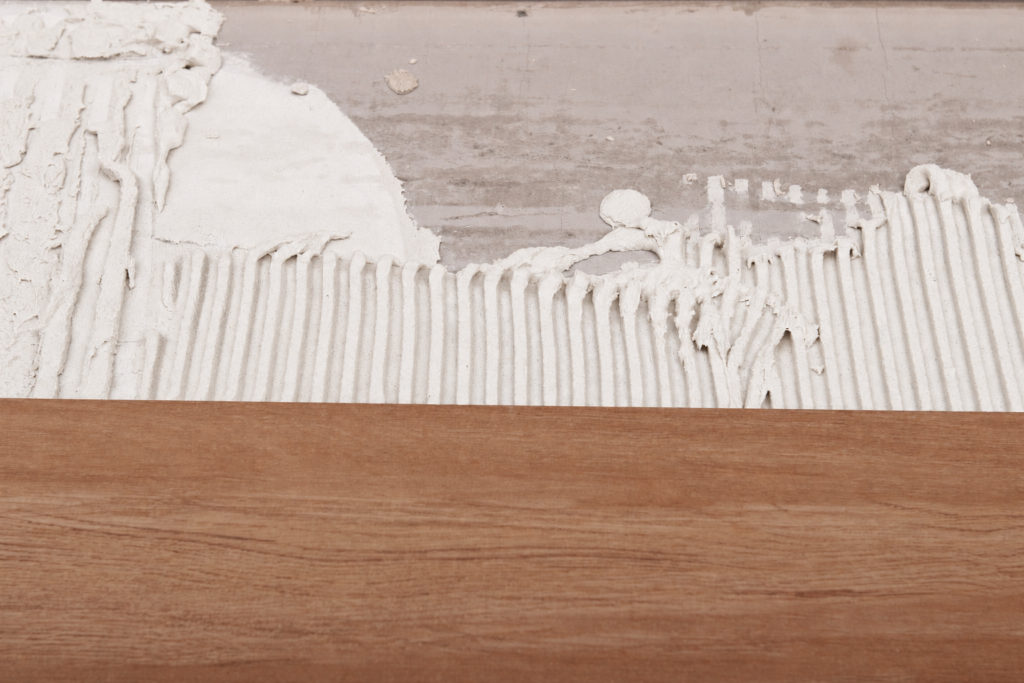
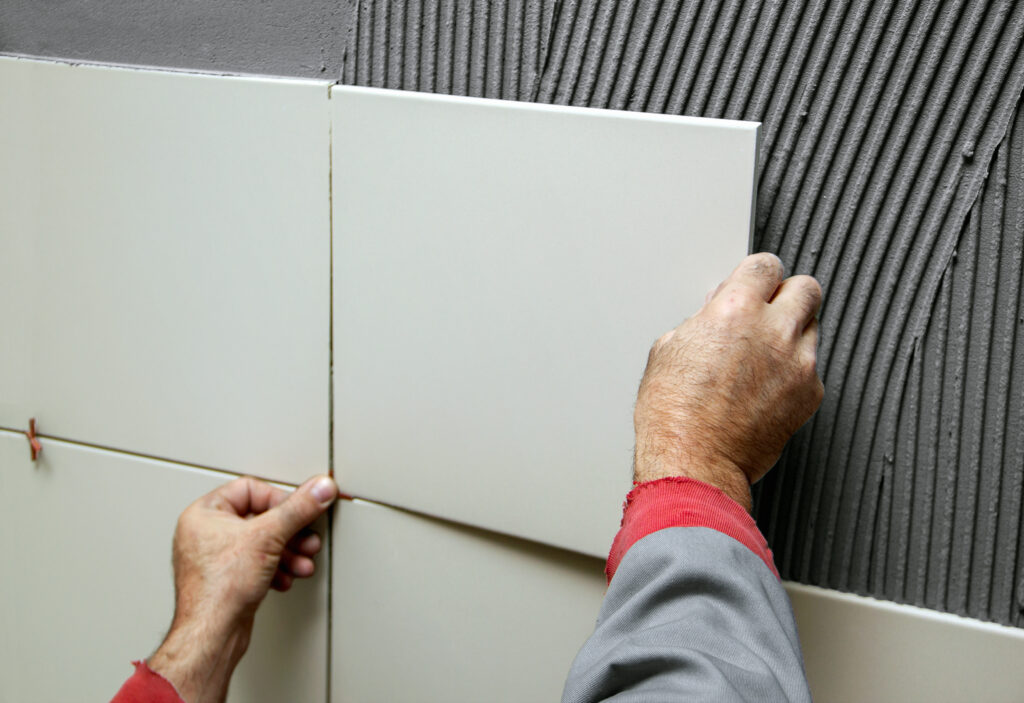
Apply and place tiles: Spread adhesive in manageable sections using the recommended trowel. Press tiles into the adhesive to ensure proper contact without exceeding the product’s open time.
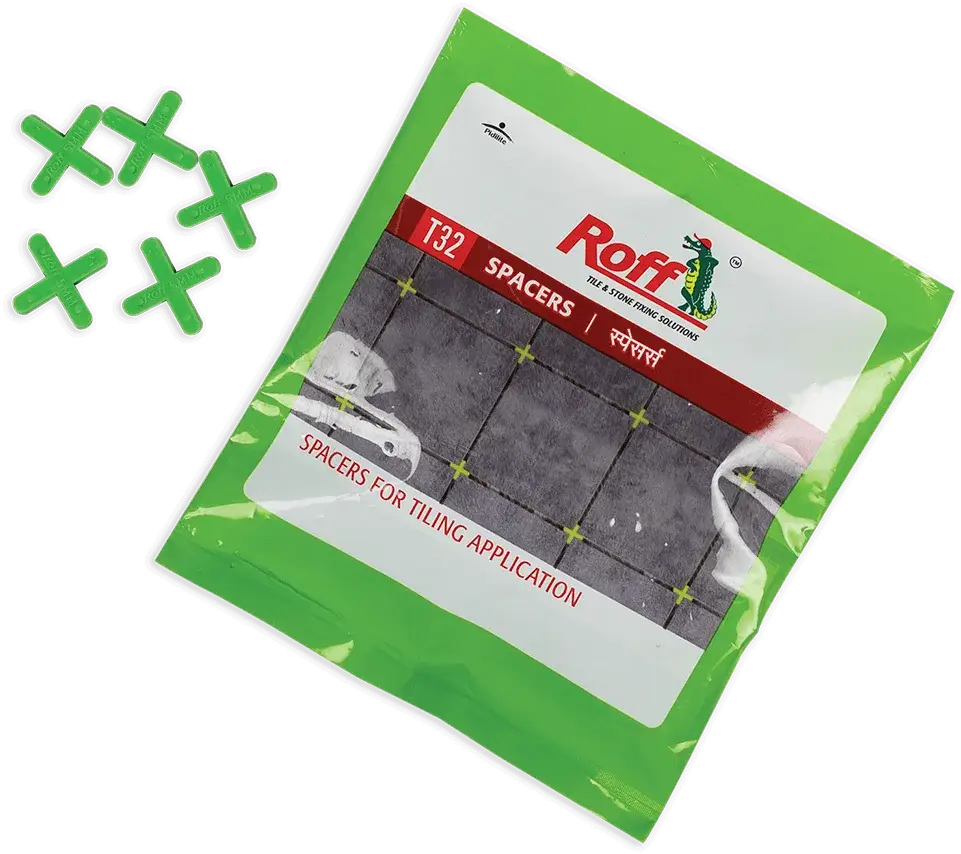
Maintain spacing: Use spacers to keep grout joints uniform and check that the finished surface remains level.
Provide movement joints: Include perimeter and intermediate movement joints wherever required by the installation design. Do not fill movement joints with rigid grout.
Allow curing before grouting or loading the floor: Follow the adhesive’s specified curing time before grouting or loading the floor. Use a compatible grout at designated movement joints.
Frequently asked questions (FAQs)
1) Can you tile over a wooden floor?
Yes, provided the floor is structurally sound, sufficiently rigid, and prepared using an installation system approved for timber. Some installations require a compatible backer board or underlayment.
2) Which adhesive works on plywood?
Choose an adhesive whose technical data sheet specifically approves the plywood substrate and intended application. Roff Master Fix is an epoxy-based adhesive that can be used on difficult substrates, including plywood and timber.
3) Why do tiles crack on wooden floors?
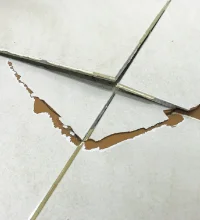
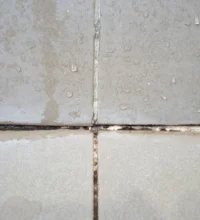
Timber movement, excessive floor deflection, inadequate substrate preparation, and incompatible adhesive systems can create stress that cracks tiles or grout and weakens the bond.
4) Do I need a backer board over timber?
A compatible backer board may be required by the selected installation system. Follow the system manufacturer’s specifications and address structural movement first, as a backer board cannot automatically correct an unstable floor.
5) What grout is best for flexible floors?
Choose grout compatible with the tile and adhesive system, and provide flexible sealant at designated movement joints. Ordinary rigid grout should not bridge joints intended to accommodate movement.