Check out the biggest trends of the season and our expert take on them.
What are vitrified tiles? How to check quality before you buy
Key Takeaways
Vitrified tiles are durable and low-porosity. They offer water-resistance, durability and easy maintenance.
Full-body, double-charge, glazed, and polished vitrified tiles offer a range of finishes, designs, and wear resistance for residential and commercial spaces.
Examine surface finish, dimensions, edges, water absorption ratings, manufacturer specifications and certifications to identify good-quality vitrified tiles.
Choose tiles suited to each room and use compatible adhesives, such as Roff Vitrofix Adhesive or Roff NSA, for reliable bonding on suitable surfaces.
Choosing the right tiles can make a significant difference to how your home looks and feels. Among today’s flooring options, vitrified tiles are popular for their durability, attractive finishes, and easy maintenance.
But what are vitrified tiles, and how can you tell whether you are choosing good-quality ones? Understanding their properties, different varieties, and essential quality indicators can help you make a more informed decision.
What are vitrified tiles and how are they made?
The meaning of vitrified tiles is closely linked to how they’re made. These tiles are made from a mixture of clay, silica and other minerals that are pressed and fired at high temperatures.
During manufacturing, the materials fuse and create a dense substance with very low/zero water absorption. This process, known as vitrification, makes the tiles durable and less porous than many conventional ceramic tiles.
So, what types of vitrified tilesare available, and how do they differ?
Full-body vitrified tiles: Have a relatively uniform composition throughout their thickness, making surface chips less noticeable. They are suitable for busy areas.
Double-charge vitrified tiles: Feature a thicker decorative surface layer designed to withstand regular foot traffic.
Glazed vitrified tiles (GVT): Have a glazed surface that allows for a wide variety of colours, patterns and textures.
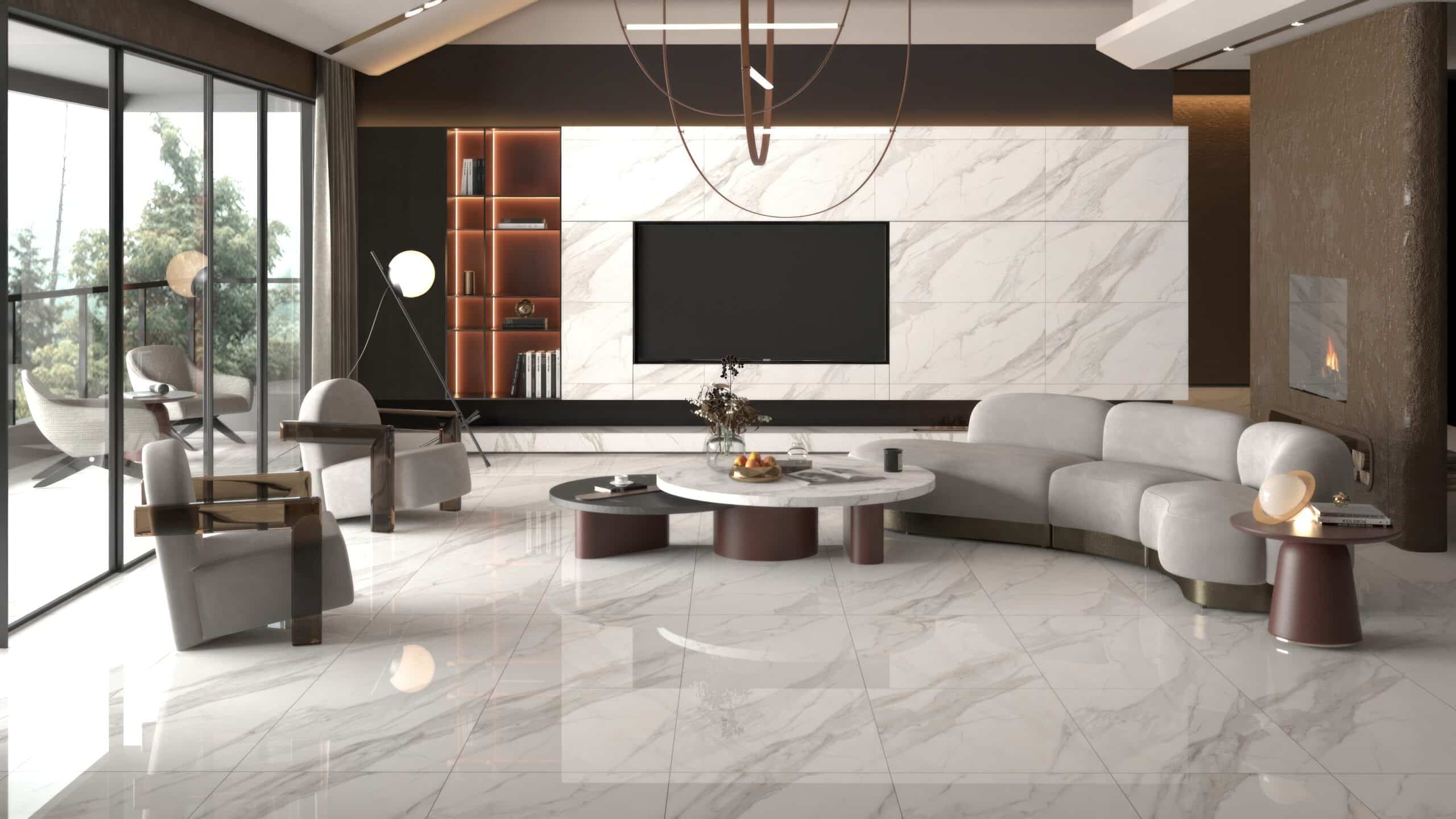
Polished glazed vitrified tiles (PGVT): Offer a glossy, reflective finish that complements contemporary interiors.
Soluble salt vitrified tiles: Use soluble salts to create decorative patterns, generally with simpler design options.
What are vitrified tiles used for?
One of the main advantages of vitrified tiles is their versatility. Common uses ofvitrified tiles include living room flooring, bedrooms, kitchens, commercial spaces and selected outdoor applications. Their dense structure resists moisture absorption, while suitable surface finishes can withstand everyday wear.
However, not every vitrified tile is appropriate for every room. Bathrooms, balconies and other wet areas need tiles with suitable slip resistance, while heavily used spaces benefit from finishes designed for frequent foot traffic.
How to check vitrified tile quality before buying
Knowing what vitrified tiles are made from is helpful, but understanding their quality is equally important. Here are some essential considerations when selecting tiles for your home.
Check the surface finish and appearance
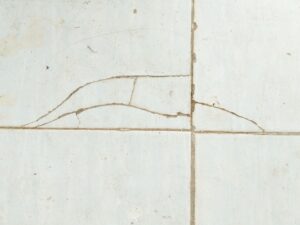
Examine display samples for cracks, chips, uneven colouring and visible surface defects. Decorative patterns should appear consistent with the intended design. Also, compare samples from the same collection to understand any natural-looking variations in shade or texture.
Examine the edges and dimensions
Good-quality tiles should have consistent dimensions and suitably straight edges. Significant variations can affect alignment and the appearance of grout joints. Uneven surfaces or excessive warping may also make installation more challenging.
Verify water absorption and quality standards
Water absorption is one of the most important properties of a vitrified tile. Fully vitrified tiles typically belong to the BIa classification that have a water absorption rate of 0.5% or less.
Check suitability for everyday wear
Another important consideration when asking what vitrified tiles are expected to offer is resistance to scratches and surface wear. Review the manufacturer’s abrasion-resistance information, particularly for glazed tiles intended for floors. A tile suitable for a quiet bedroom may not necessarily perform equally well in a busy entrance.
Verify packaging and product information
Check that the packaging identifies the tile type, dimensions, shade and batch details. Consistent batch information helps avoid noticeable differences in appearance across a finished floor. A reputable manufacturer should also provide clear technical information about the tile’s intended application.
Choosing vitrified tiles for different rooms
When selecting flooring, consider the room’s purpose alongside its appearance.
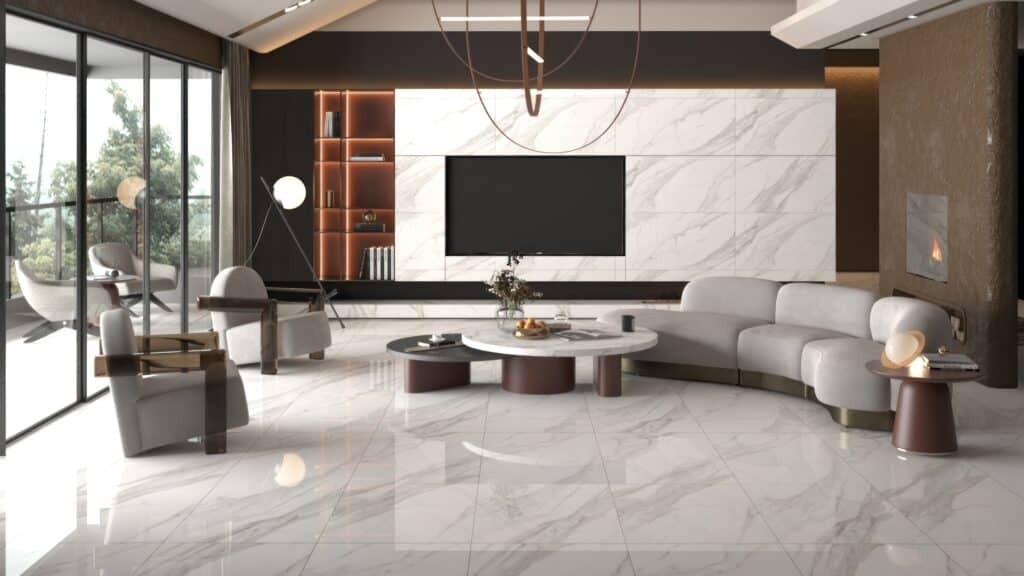
Living rooms and bedrooms: Glazed or polished vitrified tiles can create a seamless, contemporary appearance.
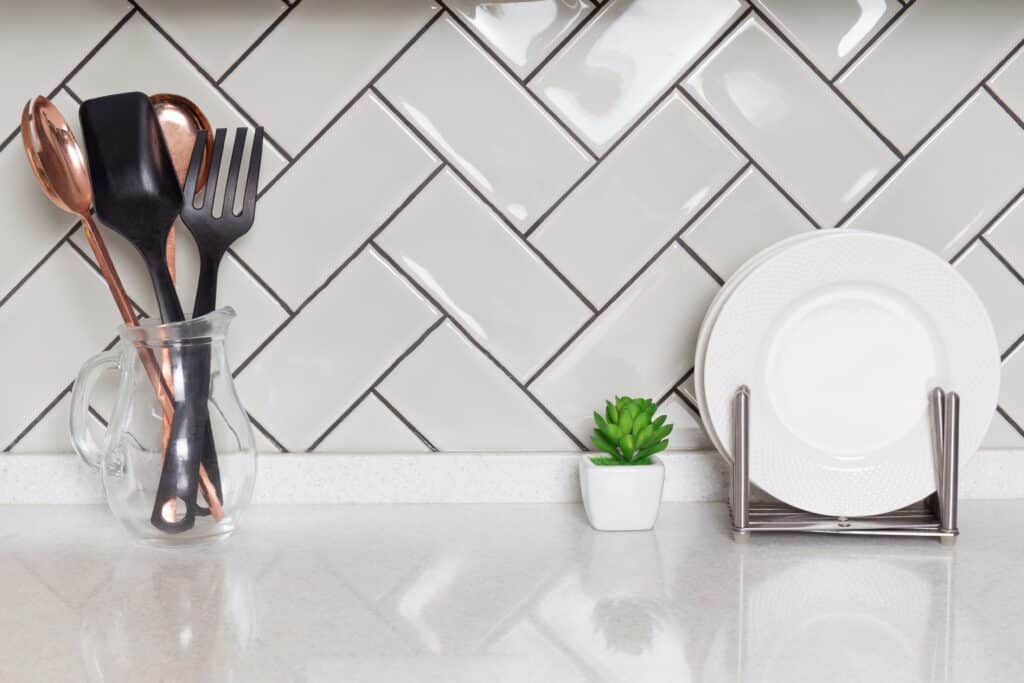
Kitchens: Choose finishes that resist everyday stains and allow convenient cleaning.
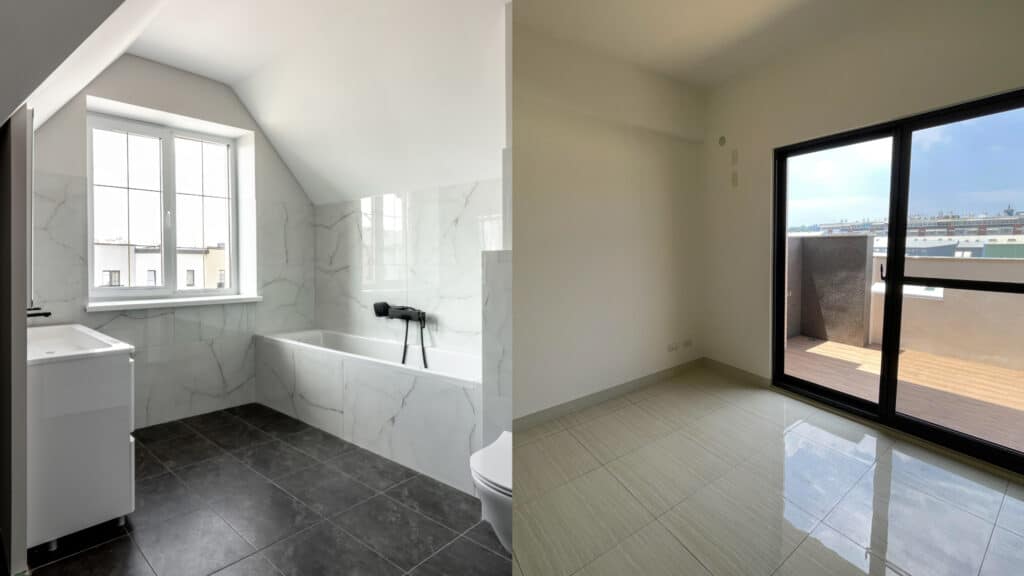
Bathrooms: Prioritise slip-resistant finishes suitable for wet floors.
Balconies and outdoor areas: Select tiles specifically rated for outdoor exposure and changing weather conditions.
Tile size also matters. Large-format tiles can create a spacious appearance, while smaller formats may suit areas with complex layouts.
Why installation quality matters
When it comes to installation, proper surface preparation and the right fixing materials are just as important as the tile itself. Because vitrified tiles absorb very little water, they require adhesives compatible with dense, low-porosity surfaces.
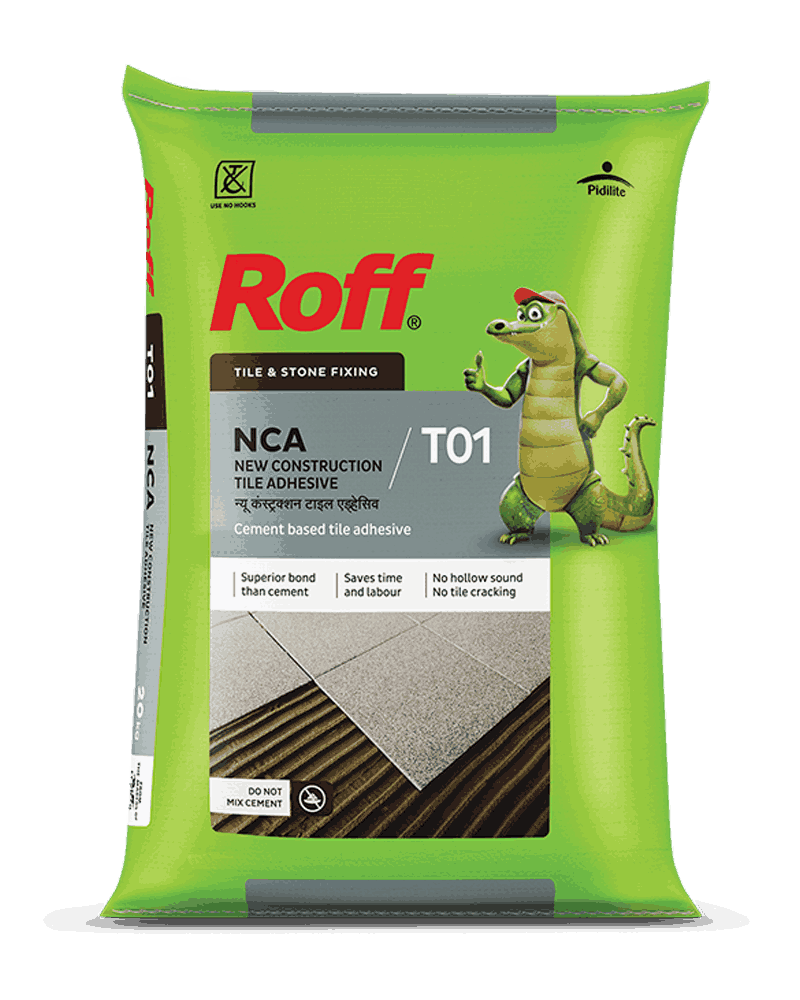
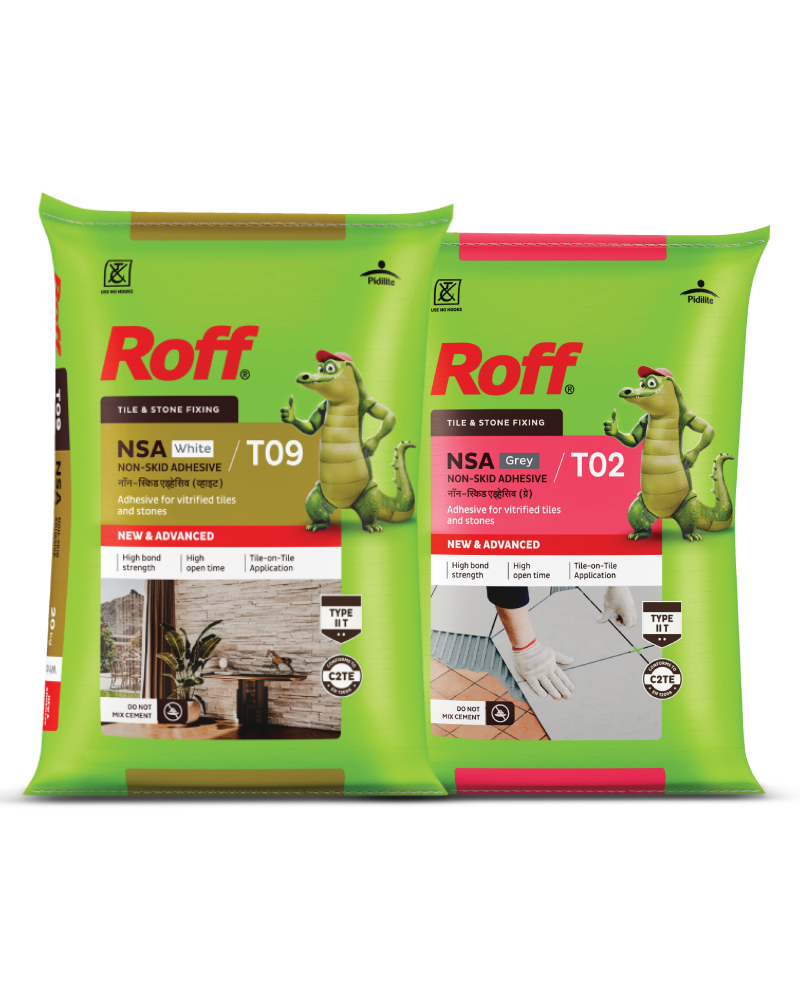
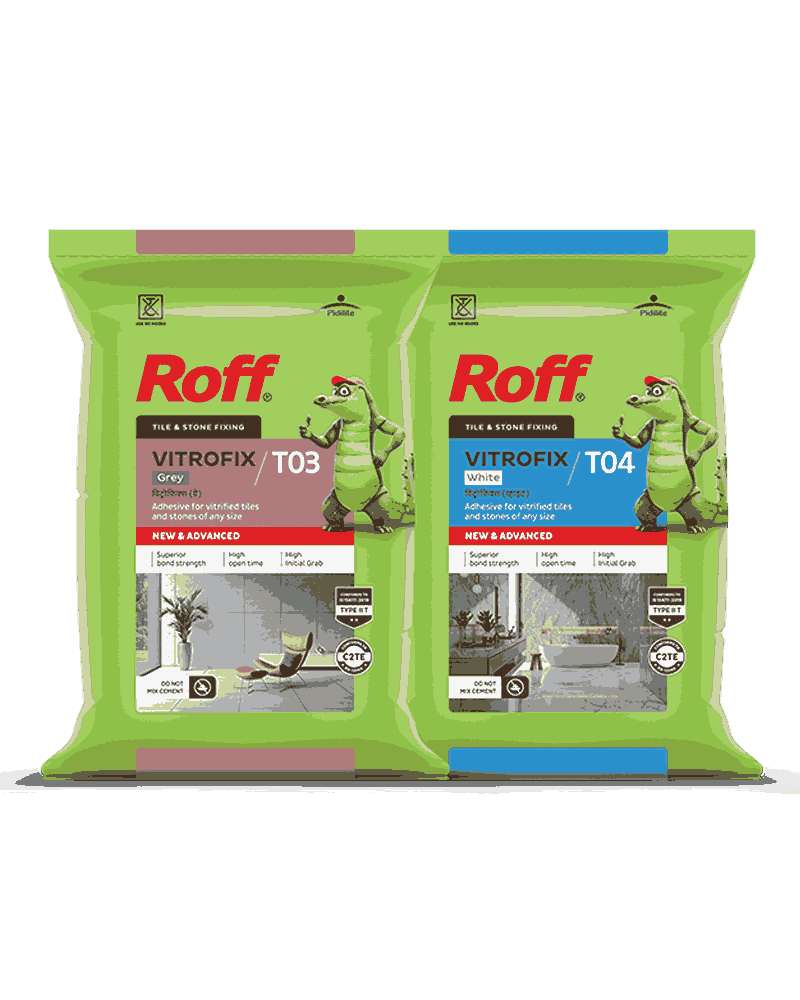
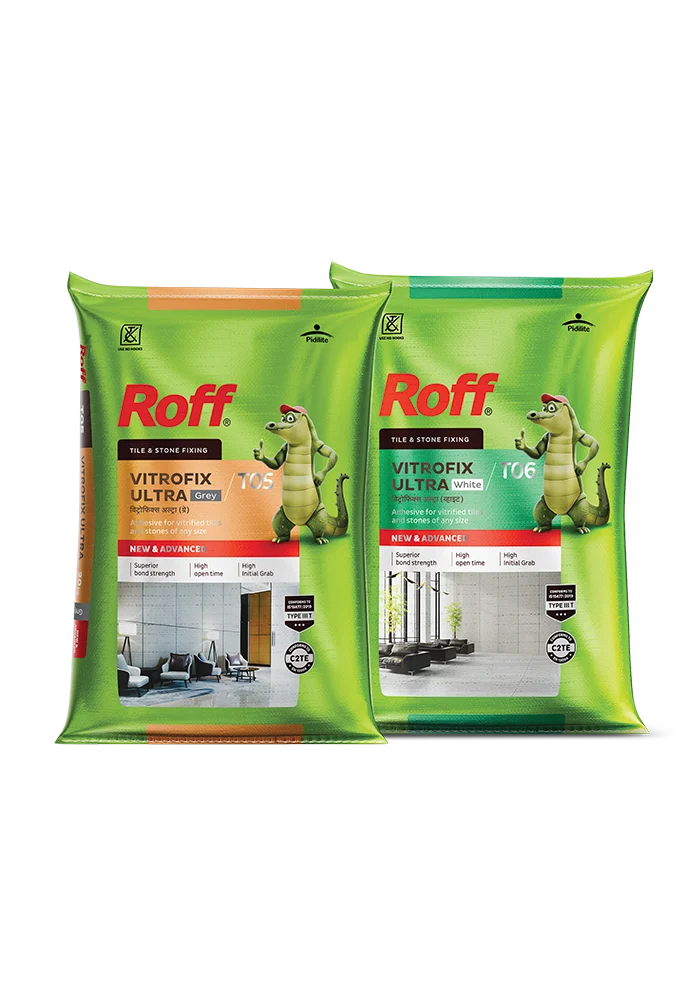
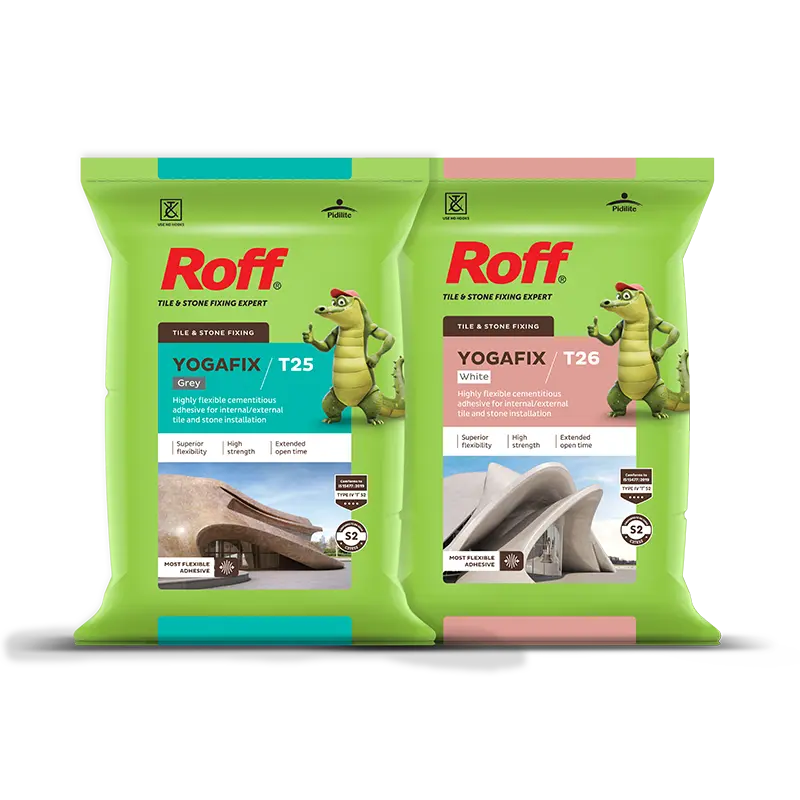
Roff offers specialised solutions such as Roff NSA which is suitable for large-sized vitrified tiles, while Roff Vitrofix Adhesive is suitable for very-large vitrified tile installations. Understanding how to select the best adhesive for vitrified tiles can help homeowners discuss their requirements with professional installers.
Other key factors in choosing vitrified tile adhesive include tile dimensions, substrate condition and moisture exposure. You can also explore Roff’s recommended adhesives for vitrified tiles for additional guidance.
Maintaining vitrified tiles
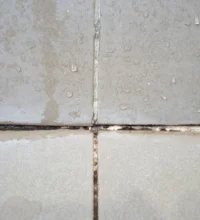
With suitable everyday care, vitrified tiles can retain their appearance for many years. Regular dust removal and damp mopping with compatible cleaning solutions are generally sufficient. Avoid harsh abrasive materials that could damage polished or glazed finishes. Grout joints should also be maintained, as damaged or discoloured grout can affect the appearance of the entire floor.
Conclusion
So, what are vitrified tiles best suited for? They offer an attractive combination of durability, design flexibility and easy maintenance for modern homes. Before making your selection, pay attention to surface quality, manufacturer specifications, room suitability and installation requirements.
Frequently asked questions (FAQs)
1)What is the difference between vitrified tiles and ceramic tiles?
Vitrified tiles are fired to form a dense, low-porosity surface that absorbs 0.5% water or less. Conventional ceramic tiles often absorb more water and may offer lower strength and wear resistance.
2) How can I test vitrified tile quality at home before buying?
To identify vitrified tiles, check for consistent colour, edges, and dimensions. Water-drop and tap tests are unreliable; manufacturer specifications and recognised certifications provide stronger evidence of quality.
3) What does the water absorption rate below 0.5% mean for vitrified tiles?
An absorption rate of 0.5% or less indicates very low porosity under ISO 13006 Group BIa. This helps resist moisture and staining, although slip resistance determines suitability for wet areas.
4) Are vitrified tiles suitable for outdoor and wet area installation?
Yes, suitable vitrified tiles work well in bathrooms and outdoors because they absorb little water. Choose slip-resistant finishes and appropriate tile adhesives; cold climates may require verified frost-resistant tile specifications.
5) Which type of vitrified tile is best for high-traffic areas?
Full-body and double-charge vitrified tiles are popular for busy spaces. Full-body designs help disguise some chips, while suitable wear ratings and proper professional installation are essential for reliable long-term performance.
6) Why do vitrified tiles require special adhesive compared to ceramic tiles?
Because vitrified tiles absorb very little water, ordinary cement mortar may bond poorly. Compatible polymer-modified tile adhesives offer stronger adhesion; product selection depends on tile dimensions, substrate and exposure conditions.
7) What certifications should I look for when buying quality vitrified tiles?
Look for ISO 13006:2018 or IS 15622:2017 compliance, relevant BIS certification marks and the manufacturer’s published test reports. Environmental certifications may support sustainability claims but do not replace evidence of tile performance.
8) How do I know if vitrified tiles are properly installed?
Check for even grout lines, minimal height differences, clean surfaces and suitable drainage slopes. Hollow sounds or movement can signal installation problems requiring inspection by a qualified, experienced flooring professional.