Check out the biggest trends of the season and our expert take on them.
Grout Sealer: What It Is, Why You Need It & How to Apply
Key Takeaways
Grout sealer is mainly used for porous cement grout, helping reduce water, dirt, and stain absorption and making grout easier to maintain.
Not all grout needs sealing. Epoxy grout generally does not require an additional sealer.
Grout sealing does not replace waterproofing. Proper waterproofing beneath tiles is necessary for a completely water-resistant tile system.
Epoxy grout offers a low-maintenance alternative to sealed cement grout and is usually a superior choice for modern tile installations.
Tile joints can collect moisture, dirt, and stains over time. This is especially common in bathrooms, kitchens, and other moisture-prone areas. A grout sealer helps protect cement-based grout by reducing water and stain absorption.
However, not every type of grout needs sealing. Cement grout and epoxy grout behave differently. Understanding this difference helps you choose the right tile installation system.
What a Grout Sealer Does
A grout sealer penetrates or coats porous cement grout to reduce the absorption of water, dirt, and stains. This helps keep grout cleaner and supports better maintenance. Cement grout is naturally porous. Without suitable protection, moisture can enter the grout joints. In wet areas, this can contribute to staining and moisture-related problems.
A tile grout sealer can therefore be useful where cement grout is exposed to regular moisture or staining. However, sealing grout does not replace proper waterproofing beneath tiled surfaces. For lasting moisture protection, the complete tile system matters. Waterproofing, tile fixing, and grouting should work together as required for the application.
Do you need to seal your grout?
Not every type of grout needs sealing. For example, epoxy grouts are designed to resist water and chemical exposure from the moment they are applied.
Decision rule
Start by checking the grout type.
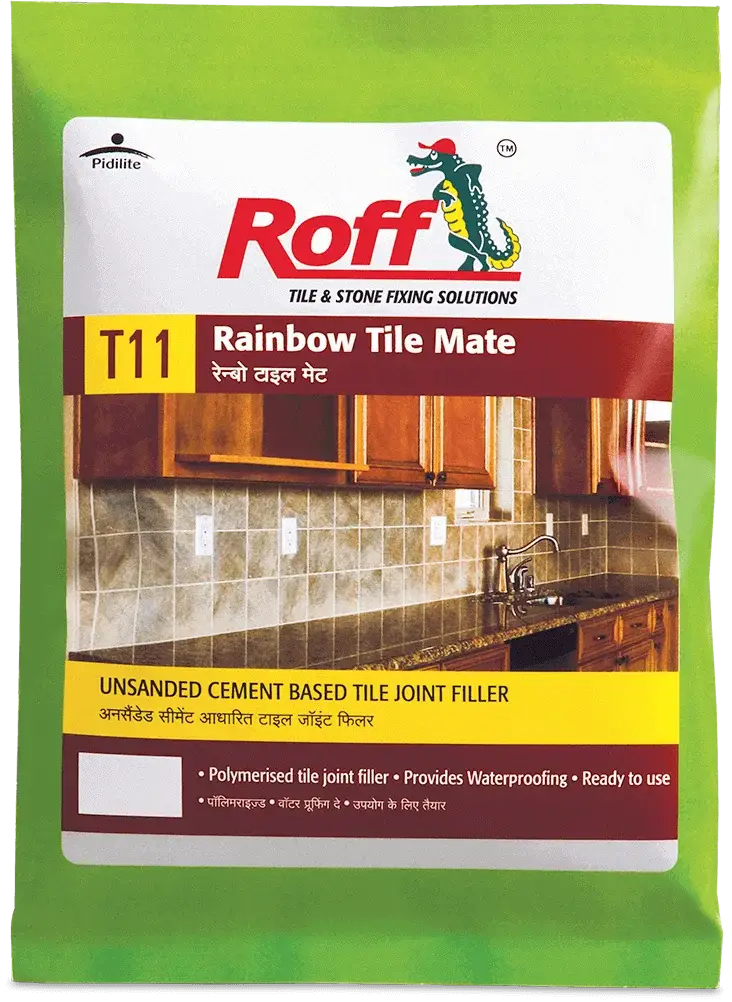
Cement grout: Usually benefits from grout sealing, particularly in wet or stain-prone areas.
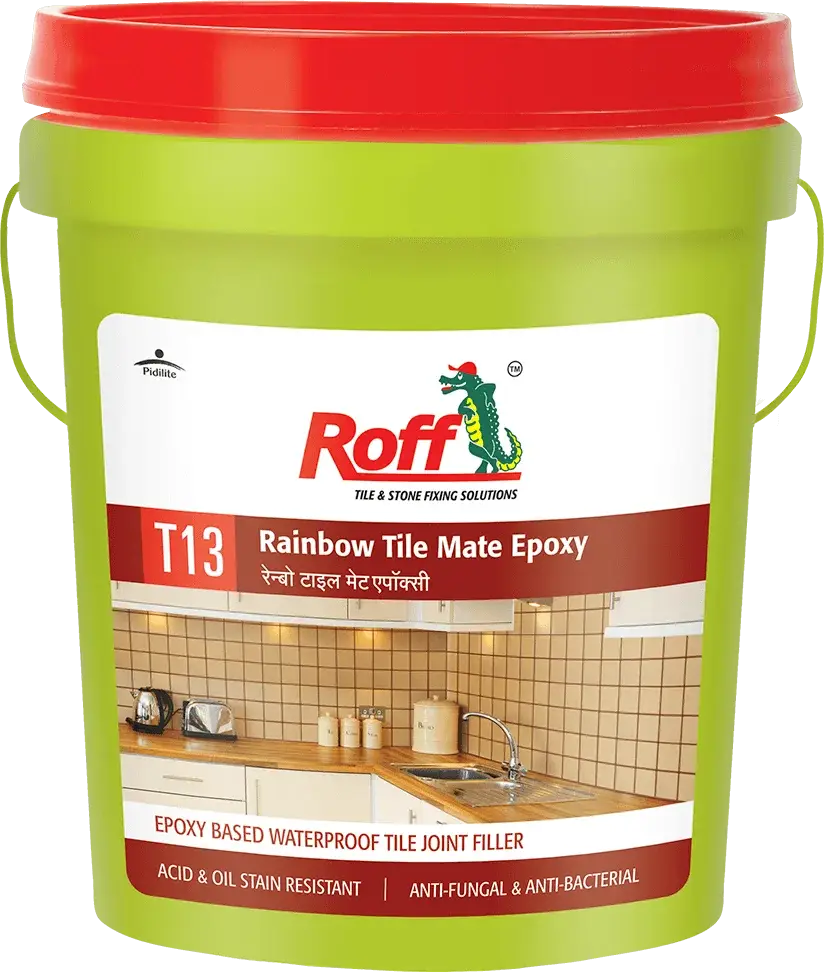
Epoxy grout: Generally does not need additional sealing because its dense structure is non-porous.
If you are unsure about the grout type, check the product information or consult a qualified tile professional before applying a sealant for tiles and grout. Remember that sealing grout cannot fix an underlying waterproofing problem. If moisture reaches the substrate, identify and treat the cause as part of the complete waterproofing system.
How to Apply Grout Sealer (Step by Step)
For cement grout, follow the sealer manufacturer’s instructions. A typical process involves these steps:
Clean the grout: Remove dirt, residue, and existing surface contaminants.
Let it dry: Ensure the grout is completely dry before sealing.
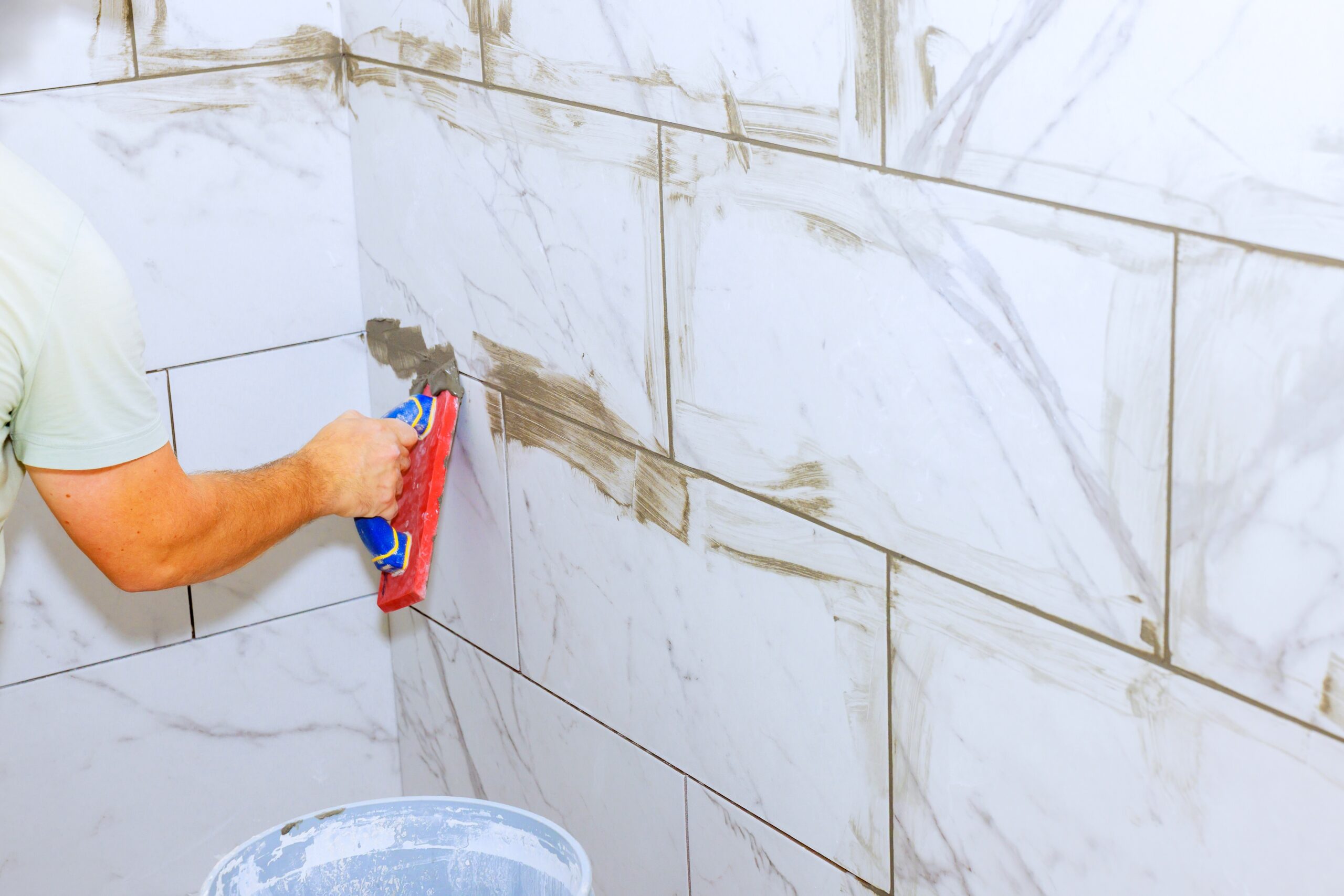
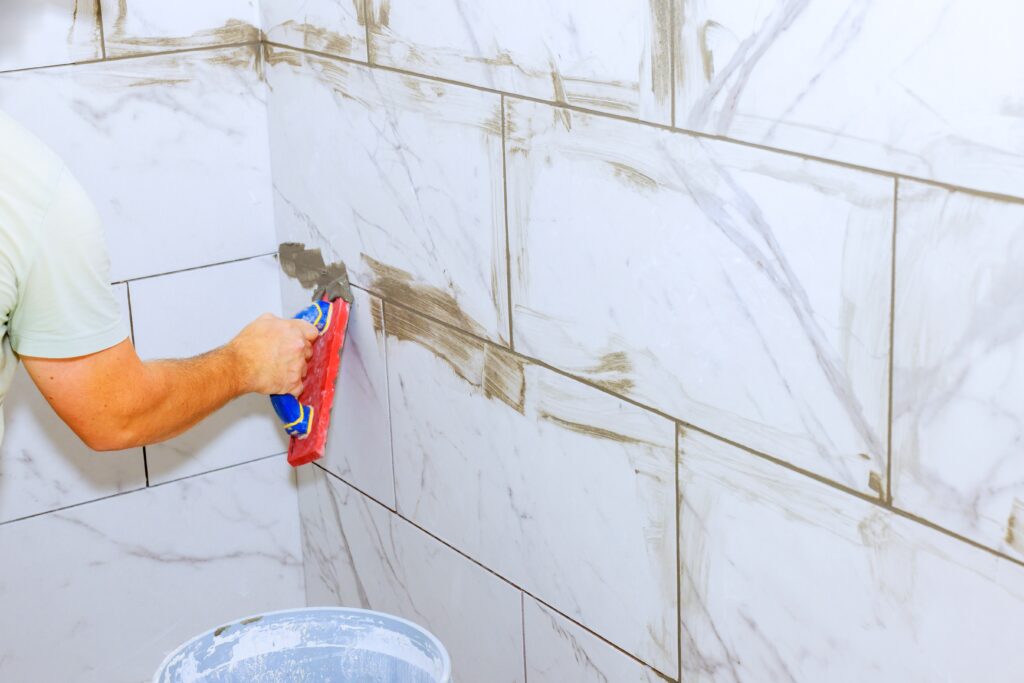
Apply the sealer: Use the recommended applicator and coverage method.
Wipe excess: Remove sealer from tile surfaces as instructed.
Allow it to cure: Keep the area protected for the specified curing period.
Professional application is recommended, especially for large tiled areas or moisture-sensitive spaces. Proper preparation and application can affect the final result. Exact drying and curing times depend on the product, surface, and site conditions.
The No-Seal Alternative: Epoxy Grout
Epoxy grout is made using epoxy resin and hardener. Once cured, it forms a dense, non-porous joint that does not require an additional sealer.
Why epoxy needs no sealing
Epoxy grout is naturally water-resistant, making it a superior choice for filling joints between tiles. They are useful for areas exposed to frequent moisture, dust, staining, or chemicals.
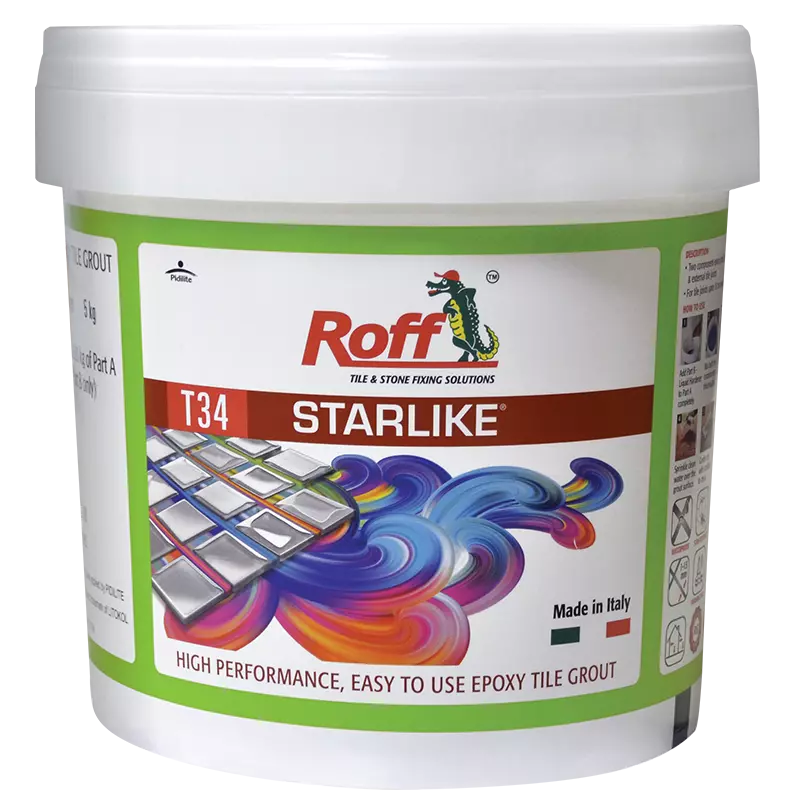
For example, Roff Starlike is a two-component epoxy-based tile joint filler with water- and stain-resistant properties. Additionally, Roff Starlike also has over 33 shades to choose from, making it an ideal choice for both functional and aesthetic reasons.
Frequently asked questions (FAQs)
1) What does grout sealer do?
A grout sealer reduces water, dirt, and stain absorption in porous cement grout. It helps keep grout joints cleaner and easier to maintain. It does not replace waterproofing beneath tiled surfaces.
2) Do I need to seal grout?
Cement grout generally benefits from grout sealing, especially in bathrooms, kitchens, and other moisture-prone areas. Whether you need it depends on the grout type and the manufacturer’s recommendations.
3) Do I need to seal epoxy grout?
No, epoxy grout generally does not need to be sealed. It is non-porous after curing and its dense surface also helps resist moisture and stains.
4) How often should I re-seal grout?
The frequency depends on the product, usage, and exposure to moisture. Check the manufacturer’s recommendations. High-use or frequently wet areas may need more regular maintenance.
5) How long does grout sealer take to dry?
Drying and curing times vary by product and site conditions. Always follow the manufacturer’s instructions before allowing the sealed grout to be exposed to water or heavy use.