Check out the biggest trends of the season and our expert take on them.
Tile Grout Colours: How to Choose the Right Shade
Key Takeaways
Matching grout creates a seamless look, while contrasting grout highlights tile shapes, patterns, and layouts.
Mid-tone shades like grey, beige, and taupe help conceal everyday dirt, making them practical for kitchens, bathrooms, and high-traffic floors.
Epoxy grouts like Roff Starlike offer strong stain and water resistance, helping maintain grout appearance in moisture-prone areas.
Explore Roff’s grout colour options and explore their various grout products including Roff Rainbow Tile Mate, Rainbow Tile Mate Epoxy Grout, and Roff Starlike.
Tile grout colours can change the entire look of a tiled space. The right shade can make tile patterns stand out or help everyday dirt appear less noticeable. Whether you are choosing grout for a kitchen backsplash, bathroom wall, or living room floor, consider the tile colour, room lighting, maintenance needs, and overall design before deciding.
Match, Contrast or Blend?
Your grout colour determines how clearly the joints between tiles stand out. A close match creates visual continuity, while a contrasting shade highlights individual tiles and their layout. Neither approach is universally better; the right tile colour trend depends on the look you want and how much time you’re willing to spend on maintenance.
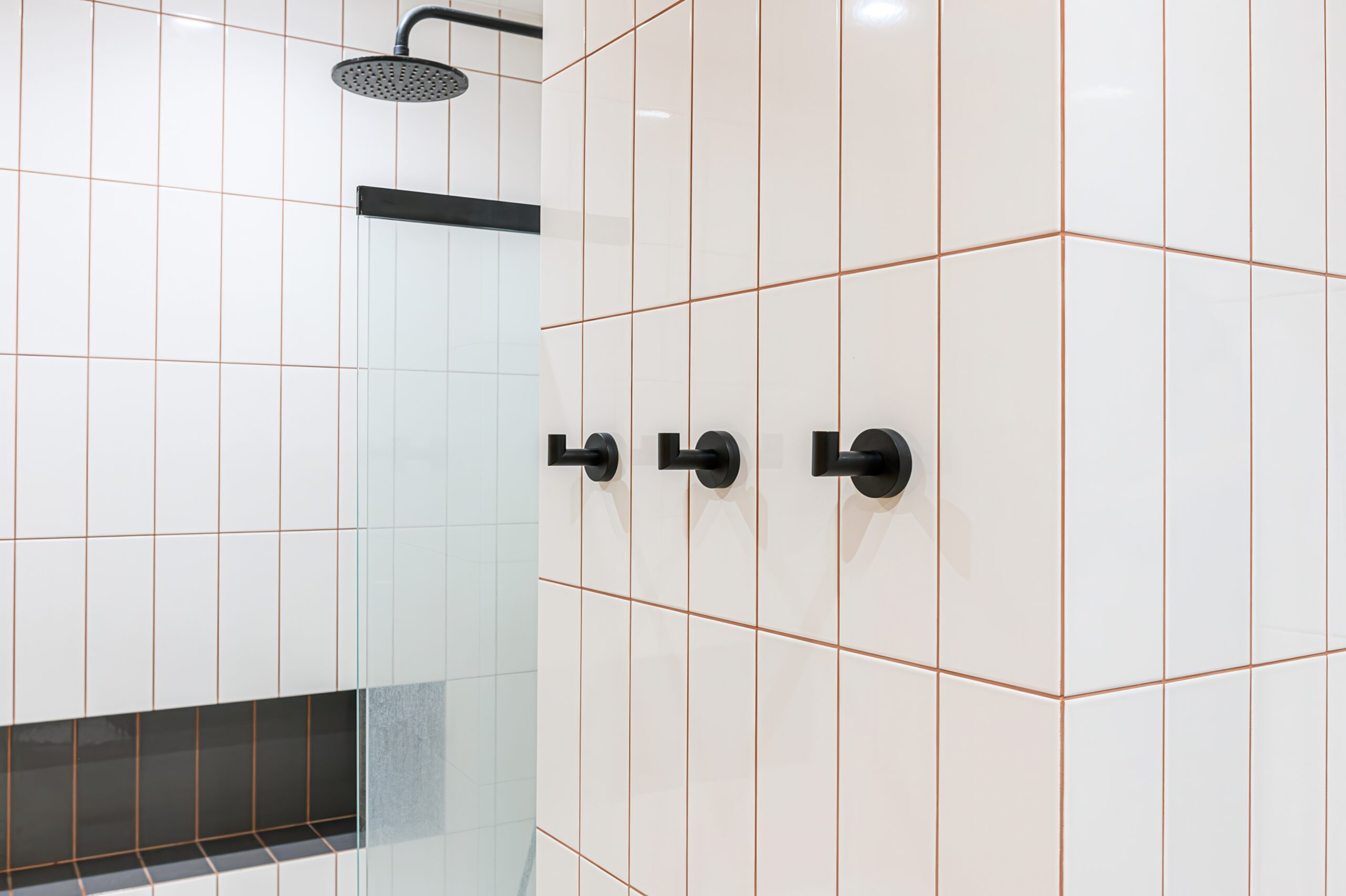
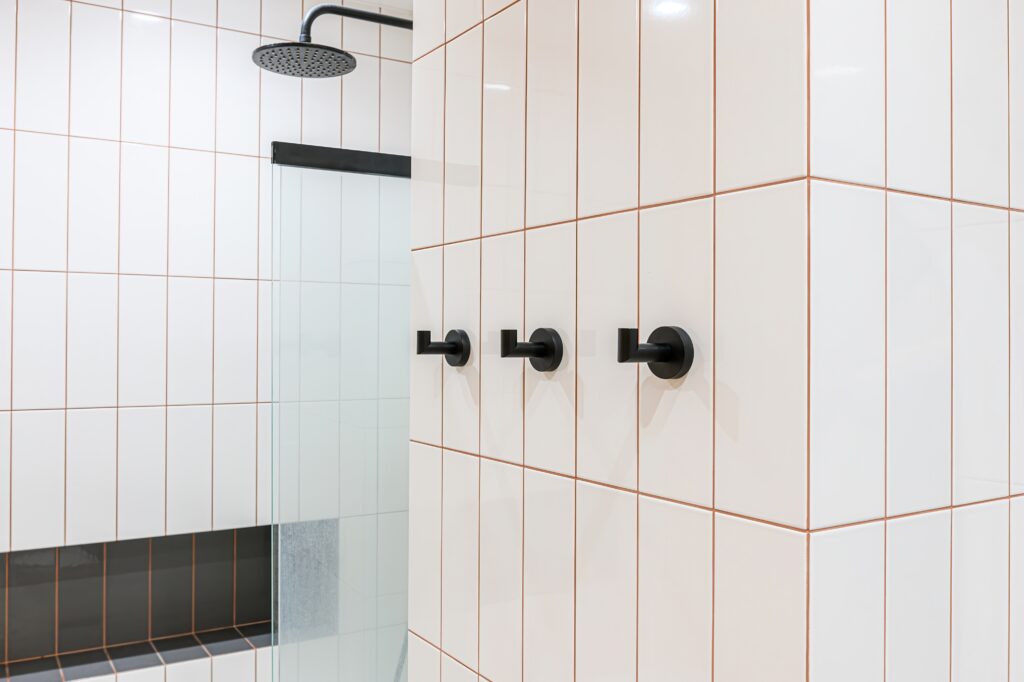
Match the grout colour to the tile for a seamless look, choose contrasting grout to highlight tile shapes and patterns, and consider a mid-tone or darker neutral to make everyday dirt less noticeable. For example, white grout with white tiles creates a clean, continuous finish, while dark grout with white subway tiles creates a bold grid. Grey or beige grout can offer a practical middle ground for busy floors.
Before finalising a shade, consider these factors:
Tile colour: Matching undertones usually creates a coordinated finish. Warm beige tiles, for instance, often work well with cream or sand-coloured grout.
Tile size and layout: Contrasting grout highlights geometric layouts, subway tiles, and decorative patterns.
Room size: Grout close to the tile colour can make floor look more continuous, which may help a compact room feel less visually busy.
Lighting: Natural and artificial light can make the same grout shade appear different. Test a sample in the room where it will be installed.
Maintenance: Very light grout can show dirt and stains more readily in high-traffic areas. Mid-tone shades are often more forgiving.
Colours for Different Rooms & Tiles
The best grout colour depends on how a space is used and how it looks. A decorative wall may benefit from a striking contrast, while a frequently used floor may need a shade that is easier to maintain. Consider the tile finish, expected foot traffic, moisture exposure, and cleaning routine together.
Kitchen, bath, floor
For kitchens: Grey or other mid-tone grout can complement white, beige, or stone-look tiles while making everyday marks less conspicuous. For a bold backsplash, a contrasting shade can emphasise subway tiles or a herringbone pattern. In areas exposed to cooking oil and food spills, choose a stain-resistant grout, such as Roff Starlike.
For bathrooms: White or light grey grout can create a fresh, understated look with pale tiles. Dark grey can define white or light-coloured tiles, while beige can complement warm stone-look surfaces. Since bathroom joints face frequent moisture and cleaning, choose a grout suited to wet areas rather than selecting by colour alone.
For floors: Mid-tone taupe and brown can be practical for busy spaces because they show everyday dust and minor marks less clearly than very light shades. Dark grout can also create a strong design effect, but its suitability depends on the lighting and the tile type.
For marble and natural stone: Choose a shade that complements the stone’s undertones and veining without competing with its natural pattern. Test the grout on a sample first, and confirm compatibility with the stone and the recommended installation method.
Practical Tips (Stains, Upkeep)
A shade may look perfect on a sample card but appear different once installed across an entire surface. Tile finish, lighting, application, and cleaning all affect the final result. A little planning can help you avoid a colour choice that becomes difficult to maintain.
Light-coloured grout can look bright and elegant, but it may show dirt and discolouration more clearly on frequently used floors. Choosing a darker shade can reduce the visibility of everyday marks, although no grout colour eliminates the need for cleaning.
To make a practical choice:
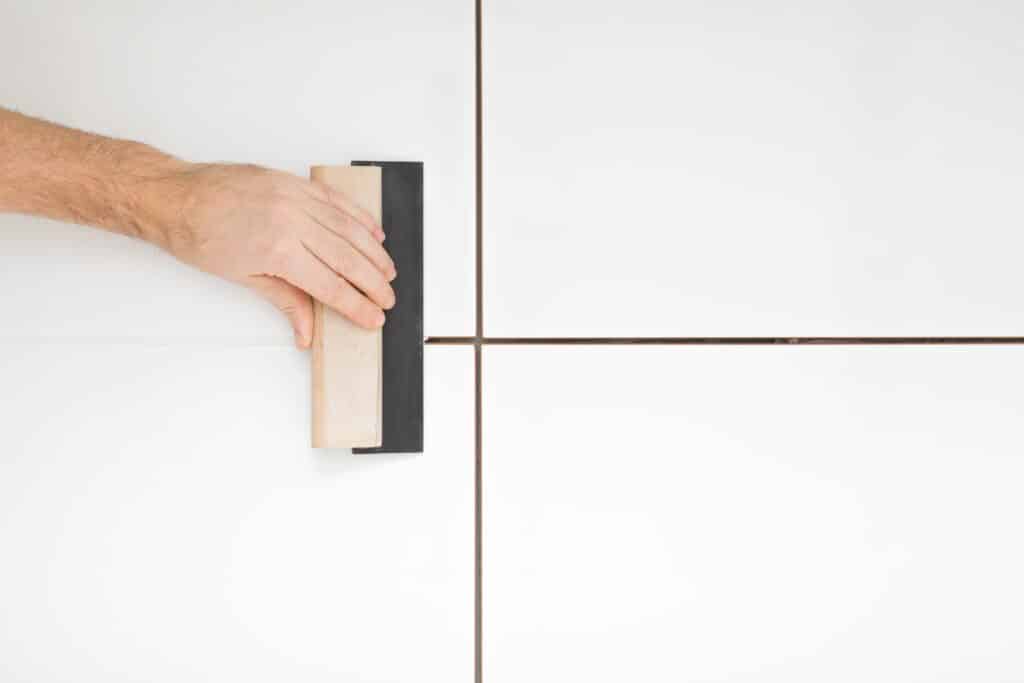
Test before committing: Apply a small sample between your actual tiles and allow it to dry according to the product instructions.
Check different lighting: View the sample in daylight and under the room’s usual artificial lighting.
Consider the traffic level: Entryways, kitchens, and other busy floors may benefit from mid-tone grout.
Clean appropriately: Use a cleaner suitable for the grout and tile type. Don’t assume a harsh chemical will improve the finish.
Choose the grout material carefully: Epoxy grout generally has low water absorption and strong stain resistance, making it a useful option for areas that need easier upkeep.
Light grout stains on floors
Epoxy grout provides a durable, stain-resistant joint and generally needs less maintenance than conventional cement-based grout. Roff Starlike is an epoxy grout that resists stains and UV exposure. Moreover, Starlike is also water-resistant, making it a great choice for bathrooms or kitchens where water exposure is a constant issue. These properties can help preserve the appearance of grout joints, though correct mixing, application, cleaning, and ongoing care remain important.
Remember, colour retention and dirt visibility aren’t the same. Even a durable grout can look dirty when dust or residue collects on its surface. Regular cleaning and choosing a shade that suits the room are still essential.
Roff Grout Colour Options
Roff offers various joint fillers, including cement-based and epoxy-based grouts, in a range of shades, making it easier to match grout to different tile colours and interior styles. The best product depends on the installation area and the finish you want. Always check the current product shade card before placing an order, as colour availability may vary by product.
Rainbow/epoxy + Sparkles
Roff provides several options for creating coordinated or decorative grout joints:
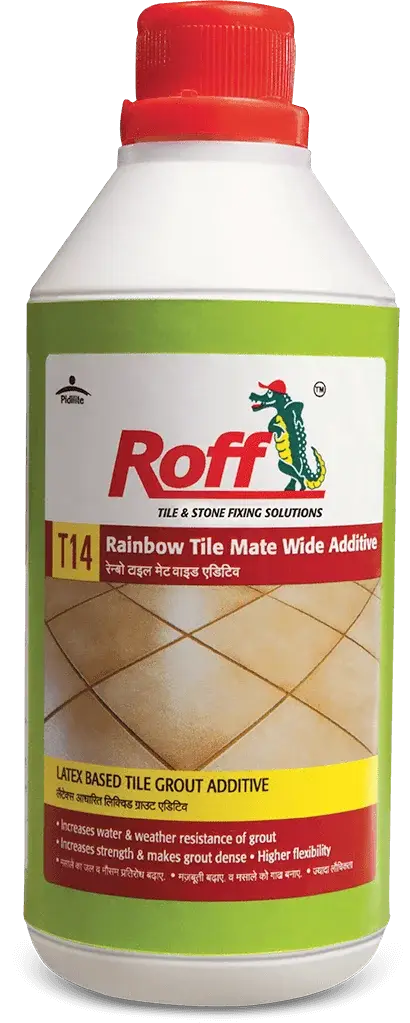
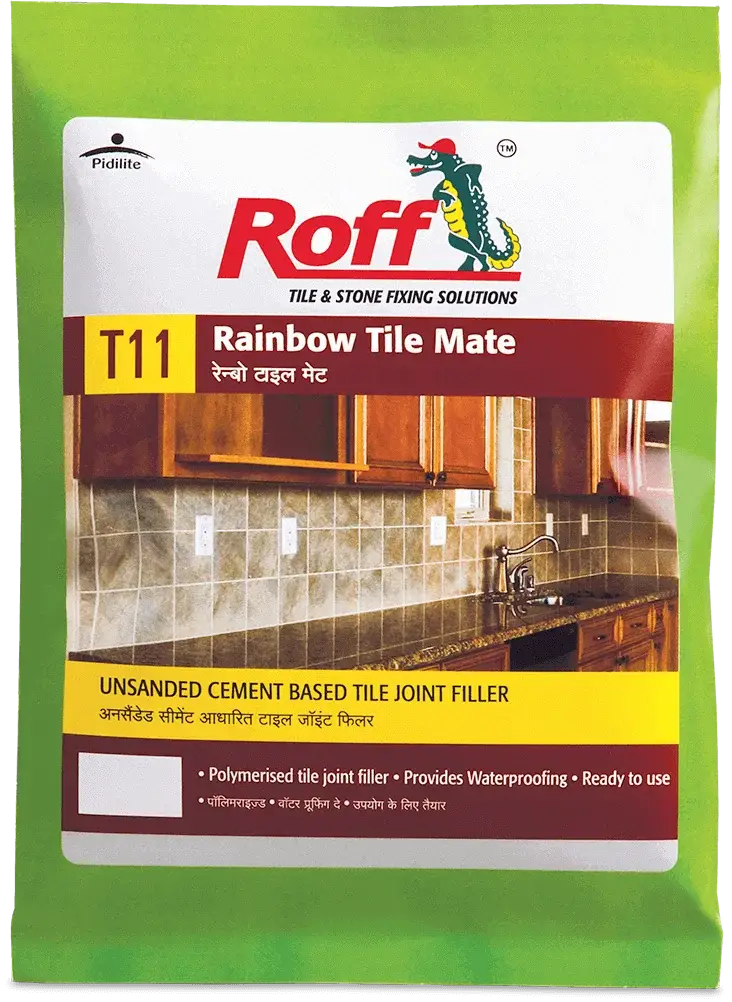
Roff Rainbow Tile Mate (RTM): A cementitious tile joint filler available in 15 shades. Designed to fill joints between suitable wall and floor tiles in internal and external areas.
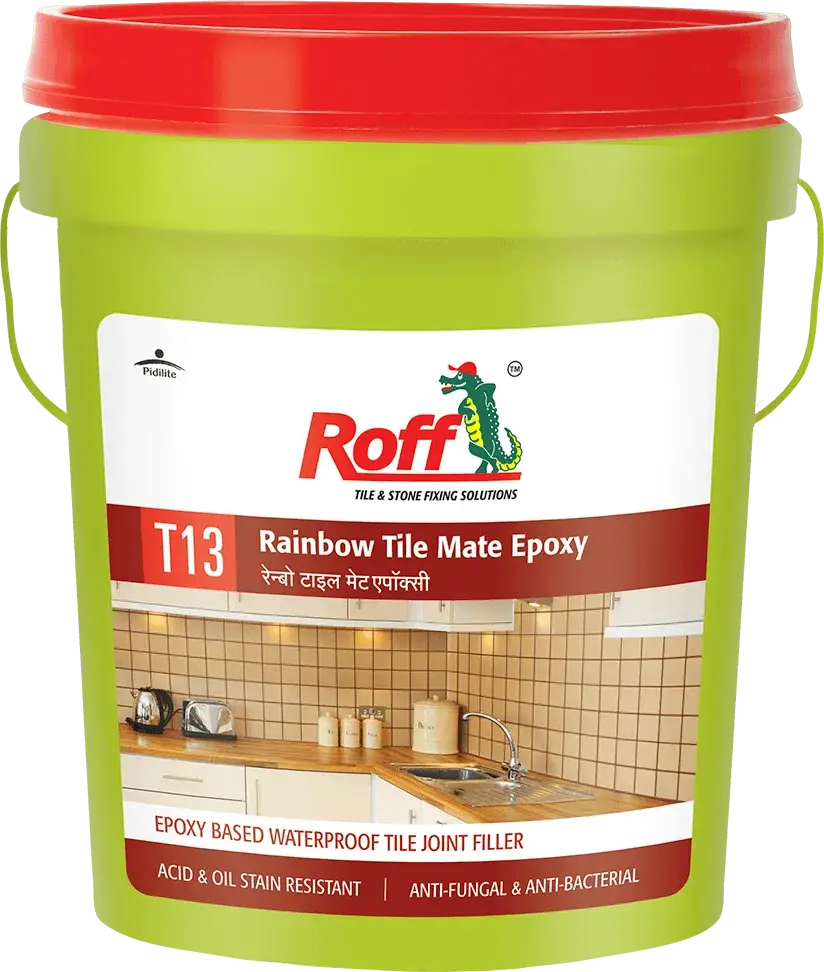
Roff Rainbow Tile Mate Epoxy Grout: A waterproof, stain-resistant grout available in 25 shades. It can be applied to ceramic or vitrified tiles even under harsh conditions.
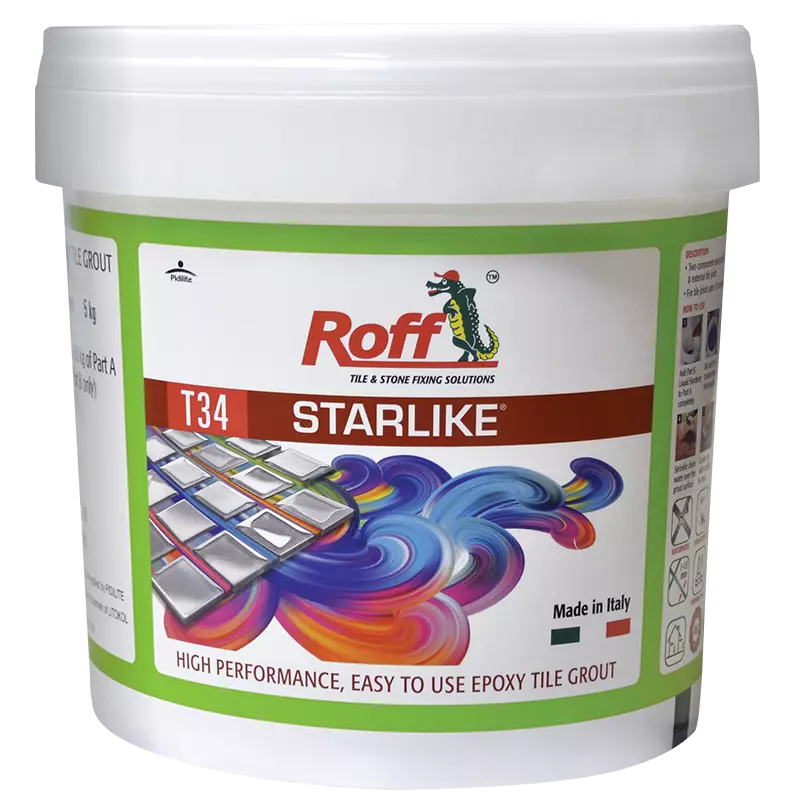
Roff Starlike Epoxy Grout: A two-component epoxy grout available in over 33 shades, with stain and UV resistance.
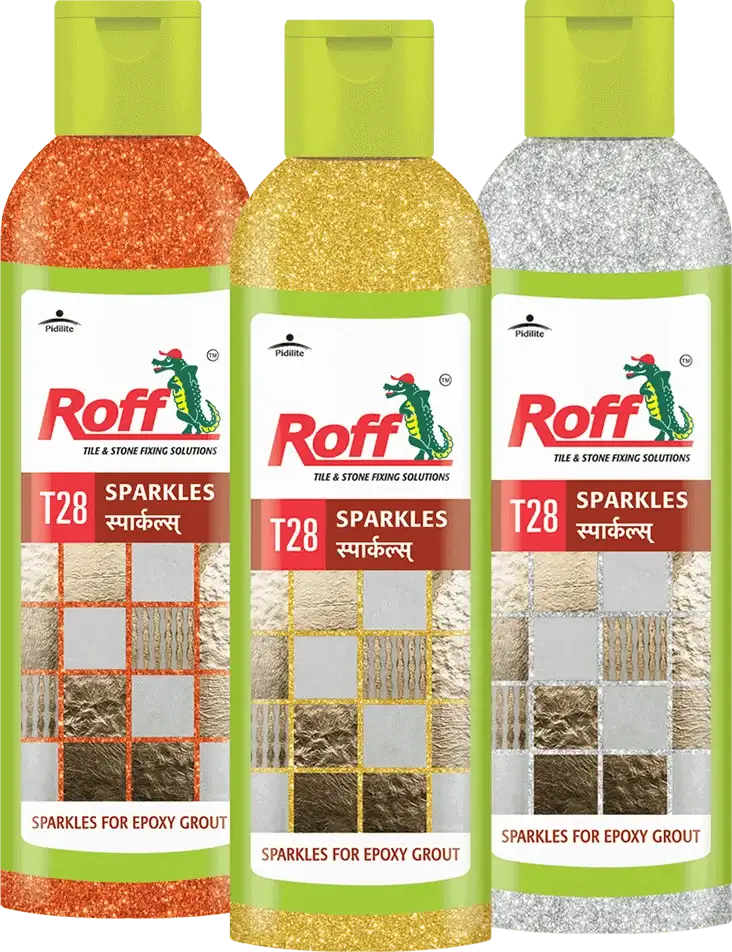
Roff Sparkles: A decorative additive available in gold, silver, and copper. Mix it with compatible Roff epoxy grout to create sparkling tile joints.
For a subtle finish, choose a shade close to the tile’s main colour. For a more decorative effect, contrast the grout with the tile or consider Sparkles for selected areas.
Frequently asked questions (FAQs)
1) Should grout match or contrast tiles?
Match the grout colour to the tile colour for a seamless, understated finish. Choose a contrasting shade to emphasise tile shapes, patterns, and layouts. For a balance, try a neutral shade such as grey or beige.
2) What grout colour hides dirt best?
Mid-tone grey, taupe, and darker neutral shades tend to hide everyday dirt and minor marks better than white or very light grout.
3) Does grout colour fade?
Grout may change appearance due to staining, cleaning practices, moisture, UV exposure, or normal wear. Epoxy grout can resist stains and retain colour better than conventional cement-based options, but proper installation and maintenance still matter.
4) Which grout keeps its colour longest?
A suitable, properly installed epoxy grout is often a good choice when colour consistency and stain resistance are priorities. Consider Roff Rainbow Tile Mate Epoxy Grout and Roff Starlike. Confirm the product’s suitability for your tiles and installation conditions before choosing.
5) What colours does Roff grout come in?
Roff’s available shades vary by product. Rainbow Tile Mate (RTM) offers 15 shades, Rainbow Tile Mate Epoxy Grout offers 25, and Starlike offers over 33. Roff Sparkles is available in gold, silver, and copper for decorative effects.