Check out the biggest trends of the season and our expert take on them.
The best adhesive for tiles: What to look for before your tile-on-tile renovation
If you’re planning a renovation for your tiled floor, you’re probably not happy with how the initial installation performed. Maybe you want to refresh the look of your home by replacing your current tiles. However, completely removing old tiles and replacing them with new ones can not only be expensive, but is also an extremely time-consuming process.
Thankfully, tile-on-tile renovation allows you to give your floors a fresh start without having to remove your old tiles. The best adhesives for tiles allow you to safely install new tiles to an existing tiled surface, which saves you both money and time!
Here’s everything you must know about choosing a high-performing adhesive to fix tiles on an already tiled floor.
What should you keep in mind before opting for a tile-on-tile renovation?
Overhauling a tiled surface is a long process. Demolition and disposal of the existing tiles are costly, and beyond the monetary investment, the entire process is noisy and disruptive.
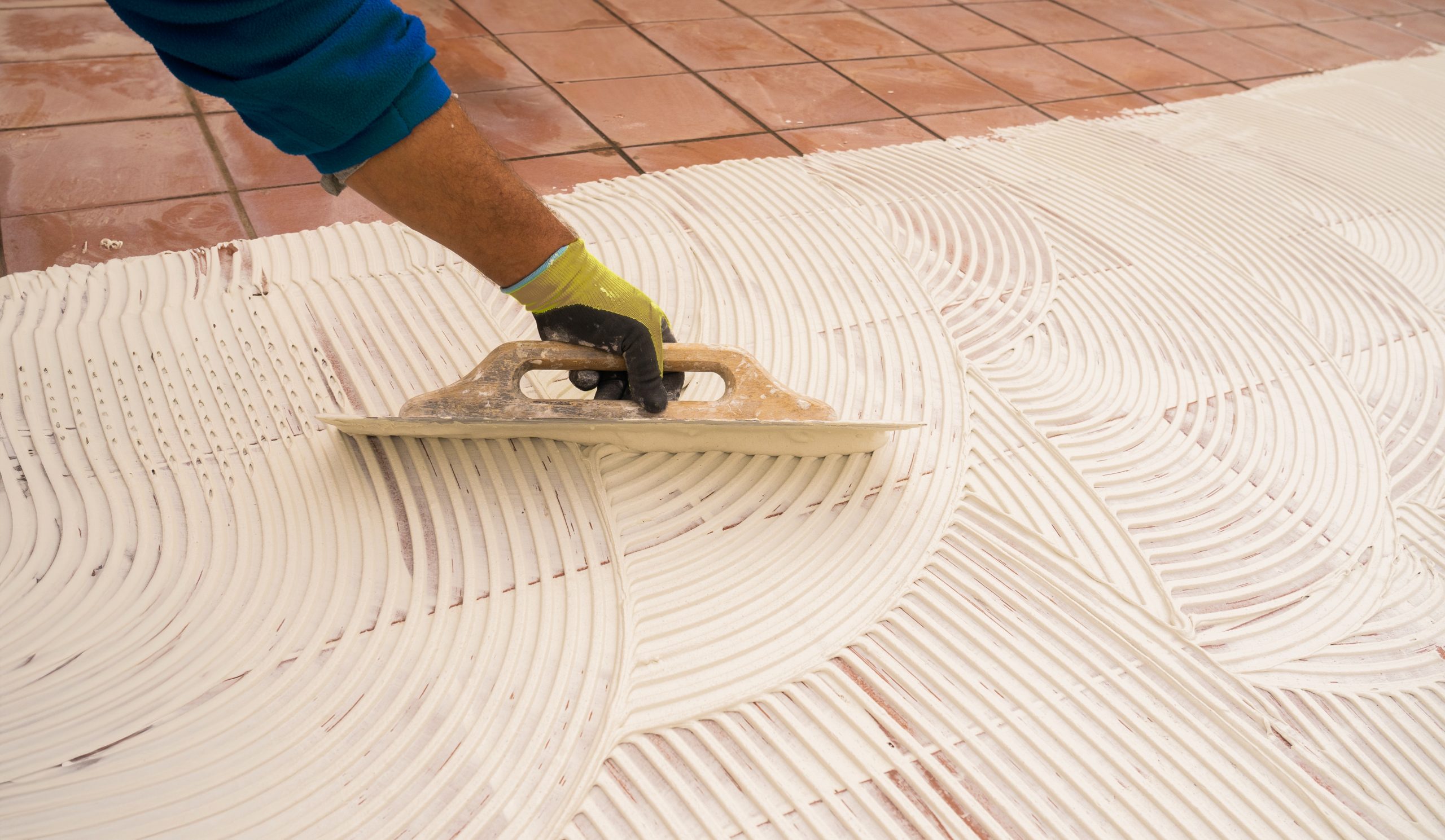
But with the best adhesive for tiles that is suitable for existing tiled surfaces, the process becomes significantly shorter, smoother, and cost-effective. However, there are a few factors that you must take into account before you start the process:
Ensure the substrate can support the added weight of two layers of tiles
Carry out all necessary repairs on the existing tiled surface so that it is stable and level for laying down new tiles
Thoroughly clean and grind the surface to remove any grease or dirt, and prepare it for a strong bond
How do you choose the best adhesive for tiles?
Many homeowners still believe that a cement paste for fixing tiles is the right call for their installation. However, it fails to deliver consistent durability in the long term, especially when used for tile-on-tile renovation.
The right chemical for fixing tiles is one specifically formulated to create a strong bond between the new tiles and the existing tiled layer. Some of the important features you must ensure when choosing the best adhesive for tiles for such applications include:
Strong adhesion
This is the most fundamental criterion when determining which is the best adhesive for tiles since it reflects how strongly the tiles would attach to the floor. Always make sure that the bonding strength offered by your adhesive for tiles is suitable for use on an existing tiled surface.
Best performance at lower thickness
The top tile-on-tile adhesives deliver strong bonding and durability even when applied in thinner layers, reducing material usage without compromising performance. Choose adhesives that ensure reliable adhesion between existing and new tiles at lower thickness, while also minimising chances of debonding or hollow spots
Slip resistance
The best adhesives for tiles are slip-resistant, which means that the adhesive provides sufficient friction to the tile and prevents slipping when another tile is installed over it. This is especially useful for installations in wet or heavy load conditions.
Compatibility
Regardless of whether you choose vitrified, semi-vitrified, or ceramic tiles for your tile-on-tile project, the right adhesive for tiles should perform equally well in maintaining a long-lasting installation.
Roff Non-Skid Adhesive (NSA): The perfect solution for tile-on-tile applications
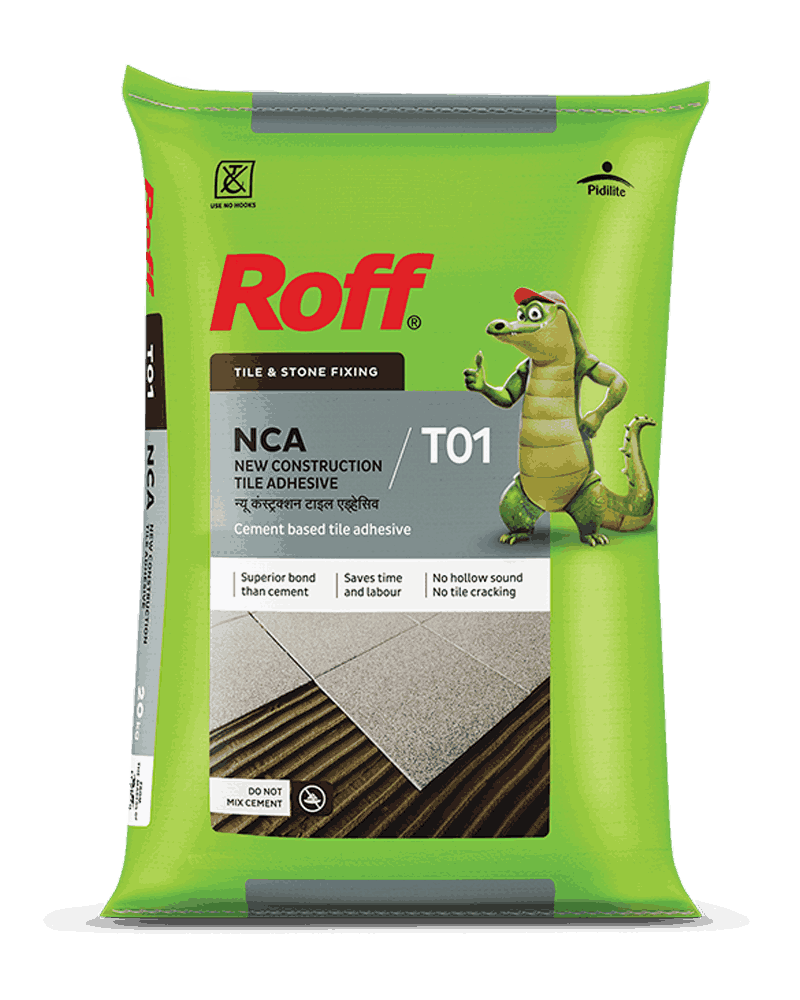
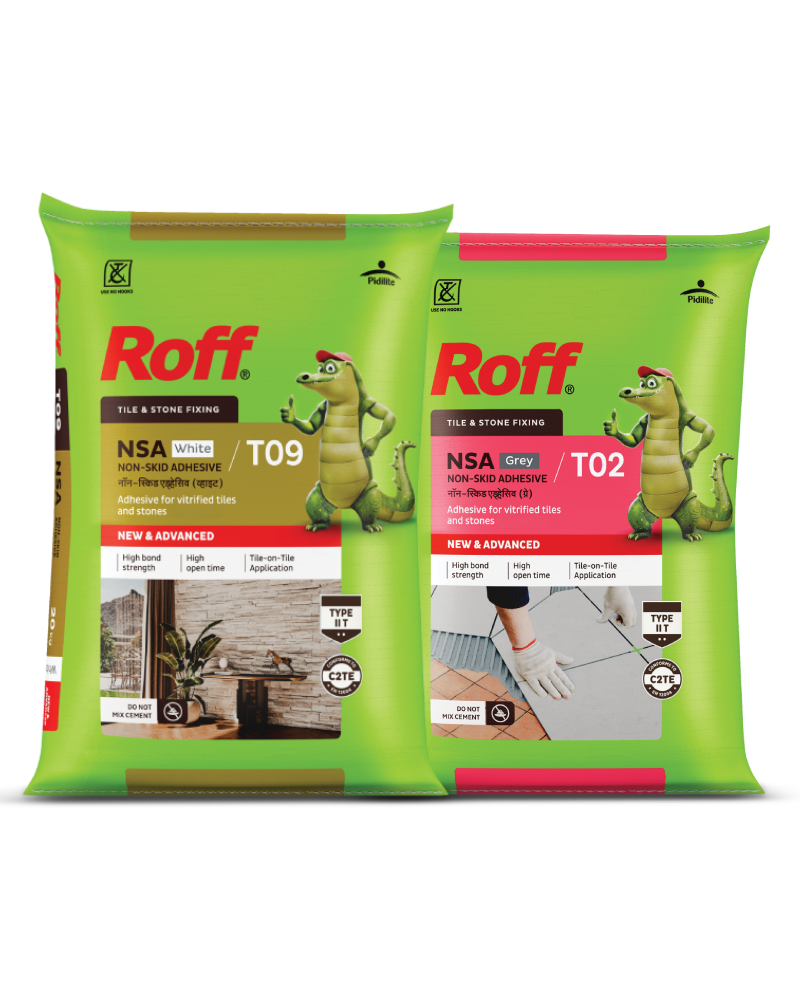
When it comes to tile-on-tile renovation, Roff NSA checks all the right boxes. As a polymer-modified adhesive, it is specifically designed for fixing vitrified, semi-vitrified, and ceramic tiles on existing tiled surfaces, making it one of the best adhesives for tiles in demanding renovation scenarios.
Its strong bonding strength ensures your new tiles stay firmly in place, while its sag-resistant properties make it easy to apply on tiled surfaces. Since it works equally well on dry and wet surfaces, it is a reliable choice for spaces like bathrooms and kitchens, too.
Ready to give your flooring the fresh start it deserves? Choose Roff NSA for a tile-on-tile renovation that is built to last.
FAQs
1. Can tile-on-tile renovation increase the floor height significantly?
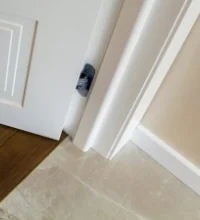
Tile-on-tile installation slightly raises the floor level, but the increase is usually minimal and manageable with proper planning around doors and thresholds.
2. How long should I wait before walking on newly installed tiles in a tile-on-tile renovation?
It is generally recommended to wait at least 24 hours before light foot traffic to allow the adhesive to set properly.
3. Is tile-on-tile renovation suitable for outdoor areas like balconies ?
Yes, but only if the adhesive used is specifically designed to withstand temperature changes and exposure to moisture.
4. Do larger tiles require a different adhesive approach during tile-on-tile installation?
Large-format tiles often require high-strength adhesives and proper spread techniques to ensure even bonding and prevent hollow spots.
5. Can tile-on-tile renovation be done on walls as well as floors?
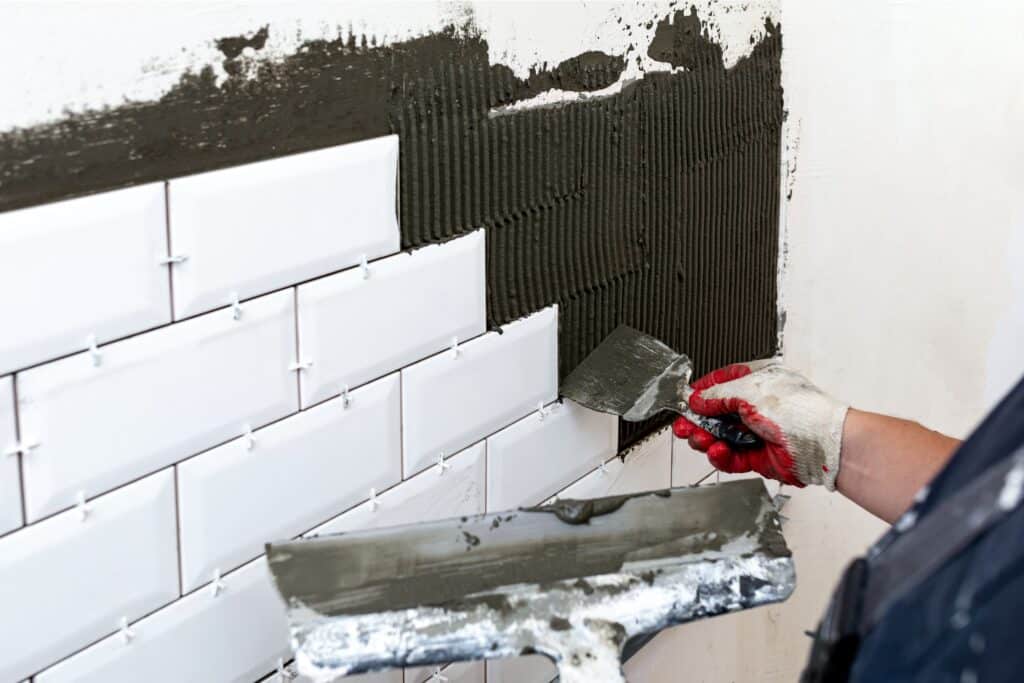
Yes, with the right adhesive and surface preparation, tile-on-tile installation can also be applied to vertical surfaces like bathroom or kitchen walls.