Check out the biggest trends of the season and our expert take on them.
Tile spacers explained: How proper spacing improves tile performance
Most tile failures don’t start with the tile itself. They start during installation, often with something as basic as spacing.
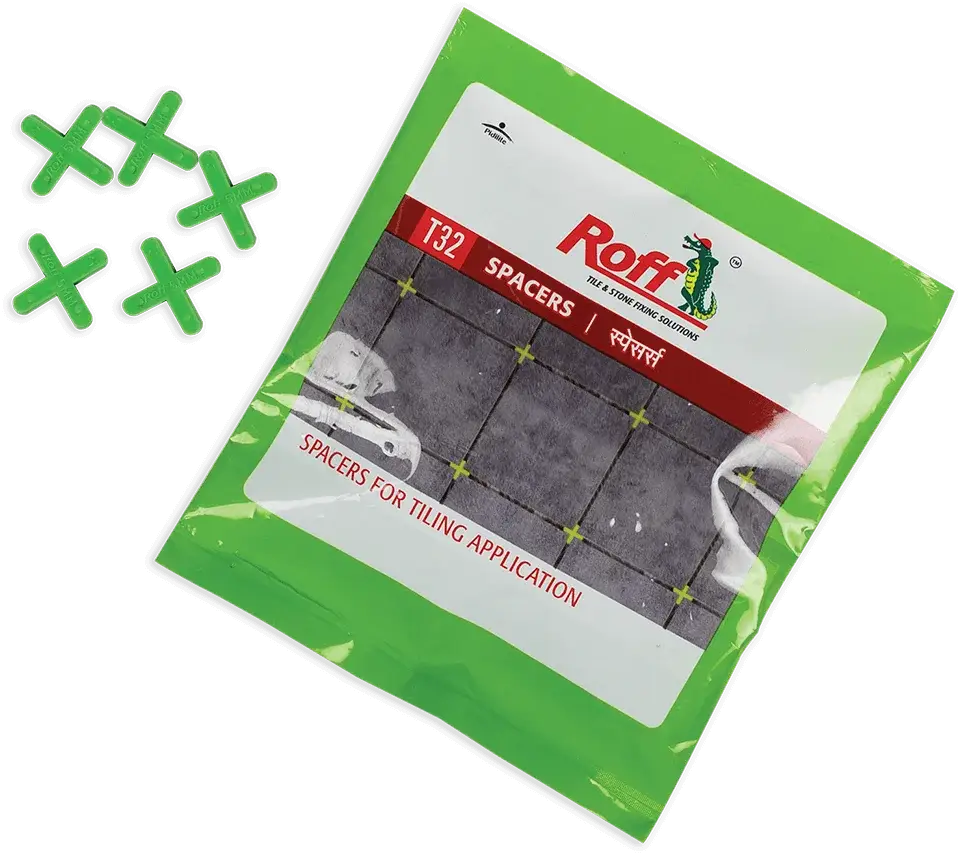
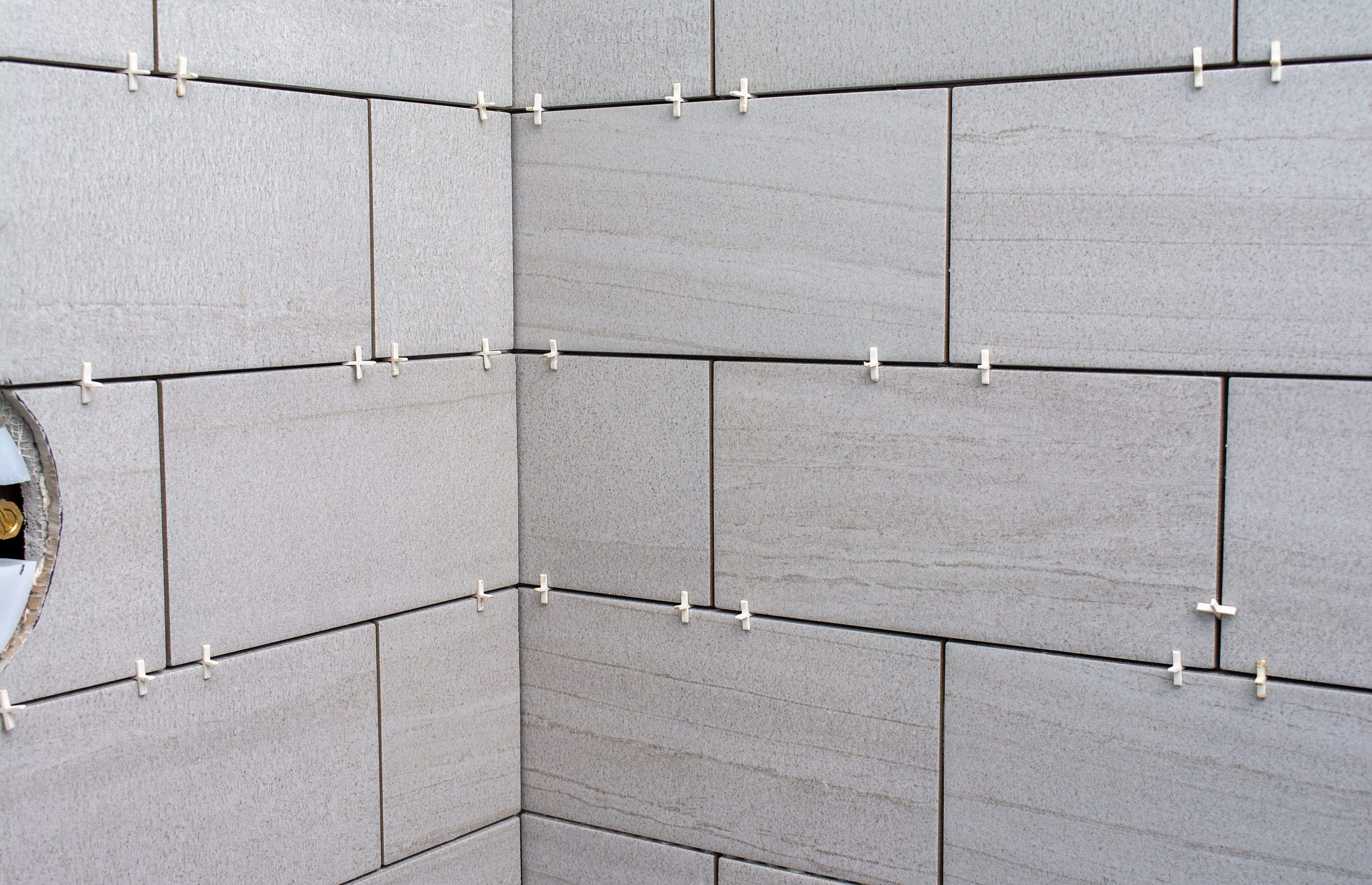
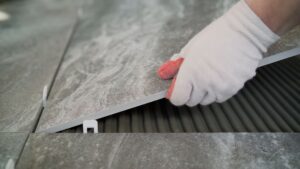
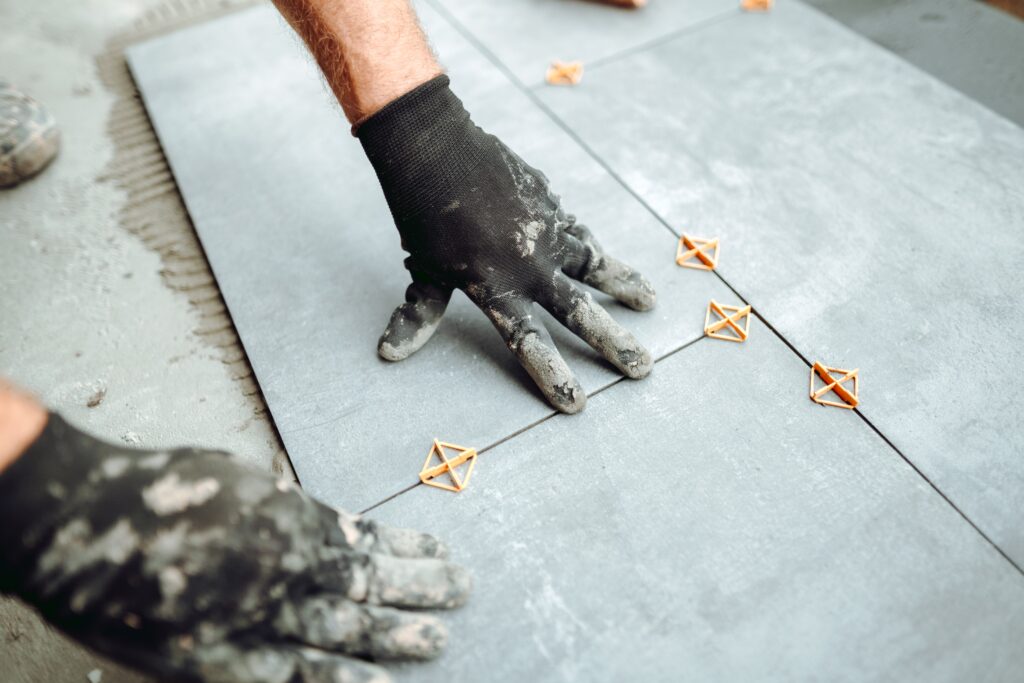
Tile spacers are simple tools used during fixing to maintain a consistent gap between tiles, yet they’refrequently rushed, reused incorrectly, or skipped altogether. Poor tile spacing can lead to weak grout joints, chipped edges, and uneven finishes across bathrooms, kitchens, balconies, and even living spaces.
Using the right tile levelling spacers helps ensure clean joints and long-term tile performance across different areas of the home. Here’s how.
1. Choose spacer size based on tile type, area, and grout system
Wondering what the significance of spacing for tiles is? It goes much beyond neat alignment. During installation, tile spacers help maintain the right joint width based on tile size, foot traffic in the area, and surface conditions. Larger tiles, wet areas, and high-performance grouts require precise spacing to ensure proper grout filling, edge protection, and long-term durability.
2. Maintain uniform spacing to protect grout strength and tile edges
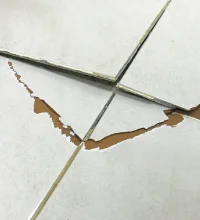
Using tile spacers ensures consistent joints during installation, which directly impactstile strength and durability. When comparing tiles with a spacer or without a spacer, the latter often experience uneven gaps, leading to weak grout lines, chipped edges, andearly failure. Uniform spacing allows grout to cure evenly and helps tiles withstand daily wear and moisture exposure.
3. Maintain uniform spacing to protect grout strength and tile edges
Using tile spacershelps installers achieve consistent joint widths, which is critical for grout performance and tile protection. Understanding what is the minimum spacing for your tiles depends on the size, finish, and area of use. Adequate spacing allows grout to bond properly, absorb minor movement, and prevent edge damage over time.
4. Ensure spacing consistency on vertical surfaces, slopes, and high-stress zones
On vertical surfaces and sloped floors, tile spacers help maintain joint width where tiles can shift during installation. This is where understanding what is the 1/3rd rule for tiles helps. This rule recommends limiting offsets to one-third of the tile length to minimise lippage and uneven edges. Consistent spacing reduces stress on grout lines and improves long-term surface performance.
5. Paper joints lead to hygiene issues
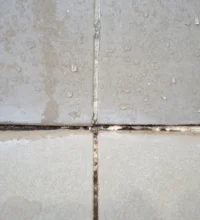
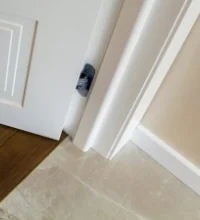
Improper joints (known as paper joints) can result in water seepage, allowing moisture to penetrate beneath tiles. Moreover, this space is ripe for dust and dirt to accumulate, making surfaces harder to clean and maintain. Due to the small size of paper joints, it is extremely difficult to clean them properly.Over time, this also leads tomould and bacterial growth, affecting hygiene and durability.
6. Tile joints accommodate thermal movement
Well-designed joints are essential to handle expansion and contraction caused by temperature changes. Without proper joints, tiles may crack, lift, or become damaged due to stress buildup. Flexible and high-quality joint materials ensure structural stability while maintaining the longevity of tiled surfaces.
Pair correct spacing with the right grout for long-term tile performance
Maintaining consistent gaps with tile spacers is only half the job. Grout quality plays an equally important role in protecting joints, preserving tile alignment, and ensuring durability across wet, dry, and high-traffic areas.
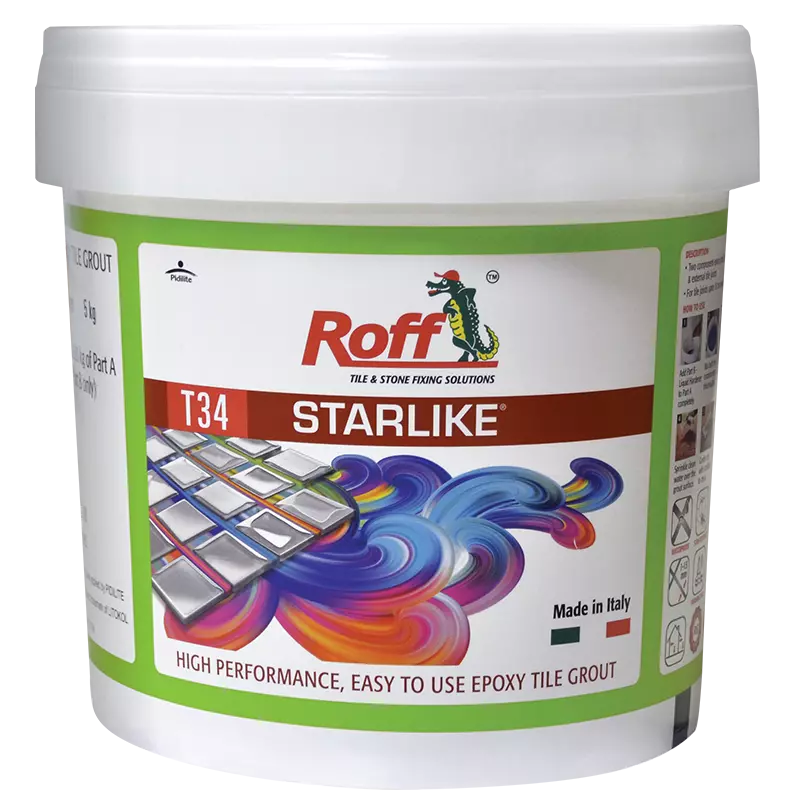
This is where high-performance epoxy grouts like Roff Starlike make a real difference, especially when used with accurate spacing maintained by tile spacers.
Why Roff Starlike works for long-lasting joints
Waterproof tile joint filler suitable for use on any surface
Low-VOC formulation with zero shrinkage for stable joints
Imparts flexibility, helping surfaces absorb minor movement
UV-resistant, making it ideal for external and outdoor areas
Stain-resistant against grease, gunk, and oil
High resistance to acids, suitable for industrial applications
Can fill joint widths ranging from 1 mm to 15 mm
The finishing details that make tiled surfaces last
Spacing, alignment, and grouting may seem like small installation steps, but together they define how a tiled surface performs over time. Using the right tile spacers ensures consistent joints, while a high-quality grout protects those joints from moisture, movement, and daily wear across all areas of the home.
For long-lasting, stain-resistant, and waterproof tile joints, choose Roff Starlike. Its advanced epoxy formulation works best with well-spaced tiles to deliver durable, low-maintenance finishes. ExploreRoff Starlike to ensure your tiled surfaces stay strong, stable, and visually flawless for years to come.