Check out the biggest trends of the season and our expert take on them.
How to Remove Hard Water Stains from Bathroom Tiles
Keeping bathroom tiles spotless isn’t just about hygiene — it’s also about maintaining the shine and longevity of your surfaces. Yet many homeowners unknowingly make simple mistakes that reduce the effectiveness of their bathroom tile cleaner.
From stubborn hard water stains to grout discolouration, even the smallest cleaning missteps can dull your tiles and leave your bathroom looking older than it really is. Using the wrong approach or products doesn’t just waste effort — it can also strip away shine and weaken surfaces over time.
Here are the top mistakes to avoid — along with expert-backed fixes to help you restore your bathroom’s brilliance.
1. Using the wrong cleaner for the wrong surface
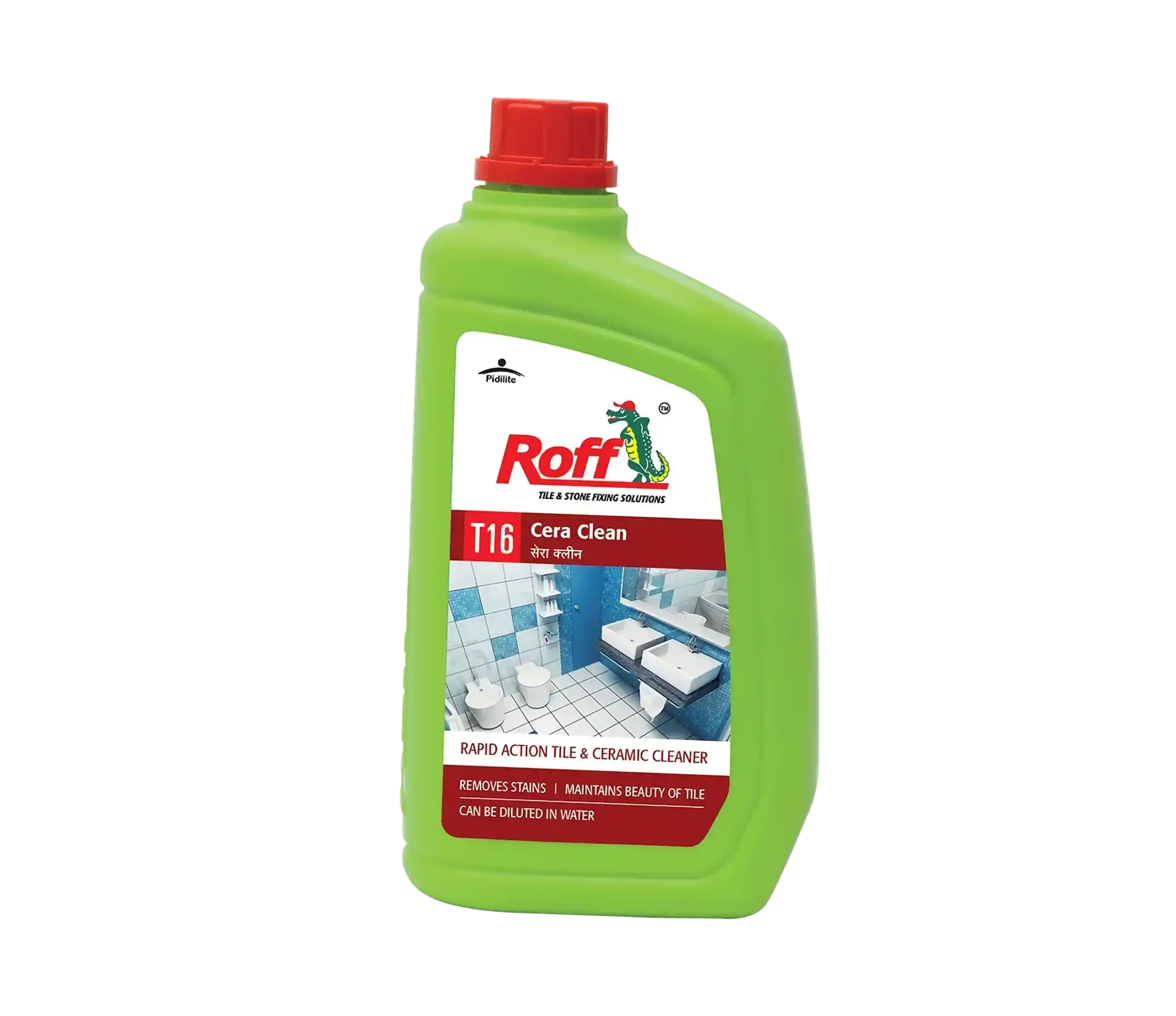
Not all bathroom tiles are the same. A product safe for ceramic might damage vitrified tiles. Using the wrong solution can cause surface wear or discolouration. Homemade or DIY tile cleaners can be just as risky, since their unbalanced formulas may etch or stain surfaces. A safer choice is a specialised cleaner like Roff Cera Clean, which is non-harsh and works well across all tile types, making it a versatile option for bathroom surfaces.
Fix: Always check the label for compatibility and, if unsure, test on a hidden corner first.
2. Overusing or under-diluting the cleaner
Many assume that stronger solutions mean cleaner tiles. In reality, concentrated cleaners can leave streaks, residue, or even dull the finish. Instead, it’s important to know the right concentration rather than guessing at random.
Fix: Follow dilution instructions carefully. For routine upkeep, a mild solution is often enough to keep tiles fresh.
For instance, here’s how to use a bathroom tile cleaner like Roff Cera Clean:
For mild spots, mix it with water in a 1:10 proportion, soak a clean cloth in the solution, and wipe the surface.
For tough stains, apply the product directly on the affected area, but always test a small patch first.
For everyday cleaning, add two capfuls of Roff Cera Clean to half a bucket of water to keep tile surfaces fresh and shiny.
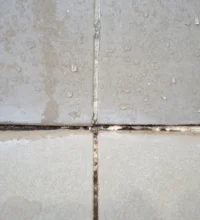
3. Ignoring grout lines
A shiny tile with dirty grout still makes the bathroom look unclean. Regular bathroom tile cleaners or all-purpose sprays often skip grout care, leaving stains and mould behind.
4. Scrubbing with harsh tools
Wire brushes or abrasive pads can scratch tiles, leaving them vulnerable to dirt and water penetration. When it comes to learning how to clean bathroom tiles effectively, the right tools matter as much as the cleaner itself.
Fix: Use soft-bristle brushes, sponges, or microfibre cloths. They’re tough on stains but gentle on surfaces.
5. Neglecting hard water stains
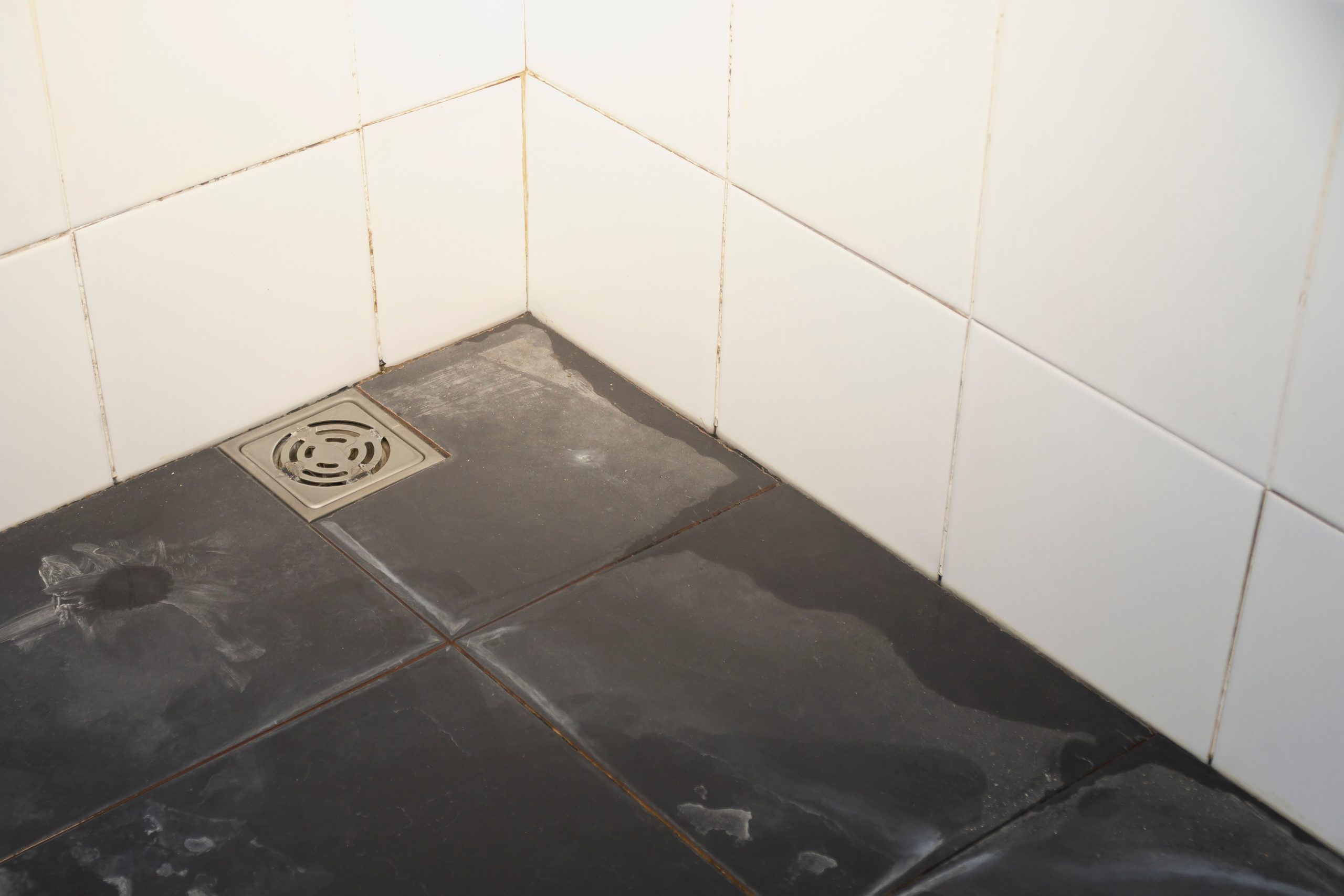
Hard water deposits build up silently, leaving behind stubborn whitish marks that regular cleaners can’t always remove.
Fix: Learn how to clean bathroom tiles with targeted cleaners like Roff Cera Clean, which are designed to dissolve hard water stains without damaging the surface. Regular maintenance prevents stains from etching permanently.
The smart way to sparkling tiles
Learning how to clean bathroom tiles isn’t just about effort — it’s about using the right product the right way. By avoiding common mistakes and focusing on proper techniques, you can protect both tiles and grout while keeping your bathroom looking fresh for years.
With expert-backed formulations like Roff Cera Clean, you get the balance of power and safety — designed to tackle hard water stains, dirt, and grime without harming delicate surfaces. For a sparkling finish that lasts, make Roff your go-to choice for bathroom tile care.