Check out the biggest trends of the season and our expert take on them.
How to Remove Stains from Marble: Best Cleaners & Methods
Key Takeaways
Marble is porous and can stain or etch easily, so identify the stain type before choosing a cleaning method.
Avoid acidic cleaners, abrasive powders, rough scrubbers, and untested chemicals; use marble-safe, pH-neutral products where suitable.
Deep or persistent stains may need professional stone-care treatment rather than repeated scrubbing or DIY chemical mixtures.
After cleaning, suitable sealing and polishing products can help reduce future stain absorption and restore the marble’s appearance.
Marble adds a refined look to floors, walls and countertops. However, its porous surface can absorb spills quickly. The right marble stain cleaner can help tackle stains without causing further surface damage. First, identify the stain. Then choose a suitable marble stain remover and cleaning method.
Avoid acids, harsh abrasives and untested household cleaners. For difficult stains, professional assessment can help prevent permanent damage.
Why Marble Stains and Etches So Easily
Marble is a natural stone with microscopic pores. Liquids can enter these pores and leave visible marks. Acidic substances can also react with marble. These reactions can dull or etch the surface.
Porosity & etching
Vinegar, lemon juice and other acidic substances can damage marble. Abrasive powders may also scratch its finish. Choose a pH-neutral marble cleaner when suitable. Always check the product instructions before use.
How to Remove Common Marble Stains
The right treatment depends on the type of stain. Do not use the same method for every mark.
What should you use for each stain?
Stain type
Recommended approach
What to avoid
Oil or grease
Use a suitable stone cleaner designed for such stains
Strong solvents or abrasive powders
Water rings
Clean gently with a suitable stone-care product
Vinegar or acidic cleaners
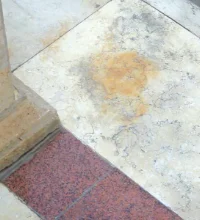
Rust
Seek professional stone-care treatment
Acid-based rust removers
Ink
Get the stain assessed before treatment
Scrubbing or aggressive chemicals
When cleaning marble surfaces, always use a gentle, pH-neutral cleaner. Also, follow the product instructions without fail. Test the cleaner in a corner before using it on the rest of your marble surface. Tenax Tuff Kleen is an ideal choice for cleaning marble surfaces. Tuff Kleen is neutral and does not have any harsh chemicals. It also maintains the natural shine of your marble surfaces.
For a deeper or persistent stain, professional stone treatment may be more appropriate than repeated cleaning.
Poultice for deep stains
A poultice can draw certain absorbed stains towards the surface. However, the correct poultice depends on the stain and stone. Incorrect materials can worsen discolouration or damage the finish. For deep stains, seek professional stone-care advice instead of experimenting with household mixtures.
What Not to Use on Marble
Avoid products that can react with or scratch the stone. This includes:
Vinegar and lemon-based cleaners
Acidic bathroom or rust cleaners
Abrasive scouring powders
Rough scrubbers and steel wool
Unverified chemical mixtures
Excessive force while scrubbing
Marble can be quite delicate, and a single mistake can severely damage the surface. That’s why you should never use a cleaning liquid without first checking its compatibility with marble. Even if a product is marketed as compatible, you must still test it on a small area before using it on the rest of your floor or marble furniture.
Protect & Restore: Seal and Polish
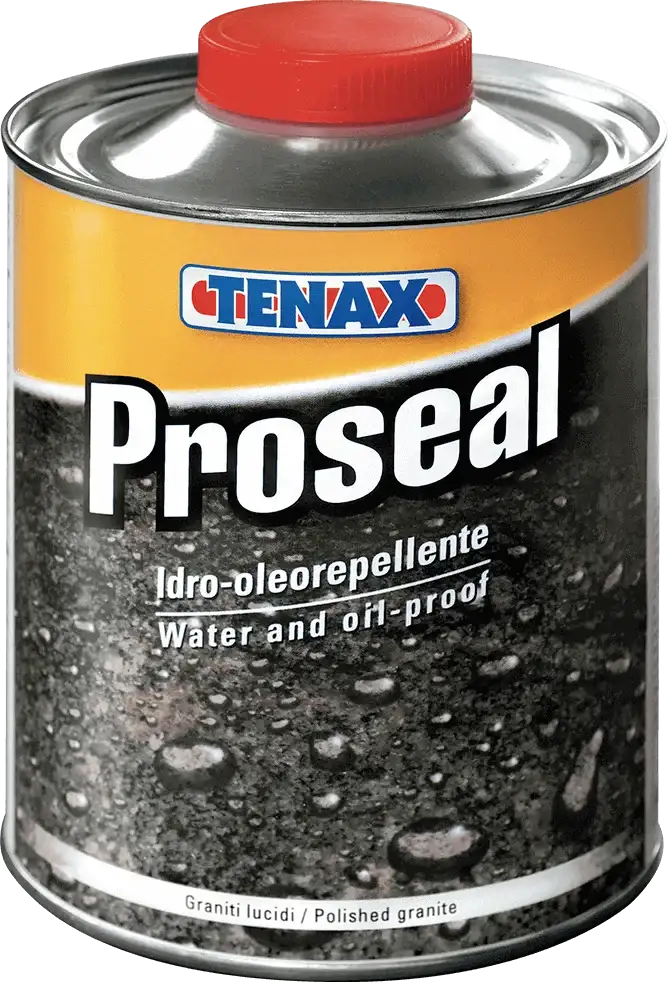
Cleaning removes surface dirt and some stains. Sealing can help reduce future absorption. Tenax Proseal is designed for marble, granite, limestone, sandstone and terracotta. It works within the stone’s micro-porosities, providing stain protection while retaining the surface’s natural appearance.
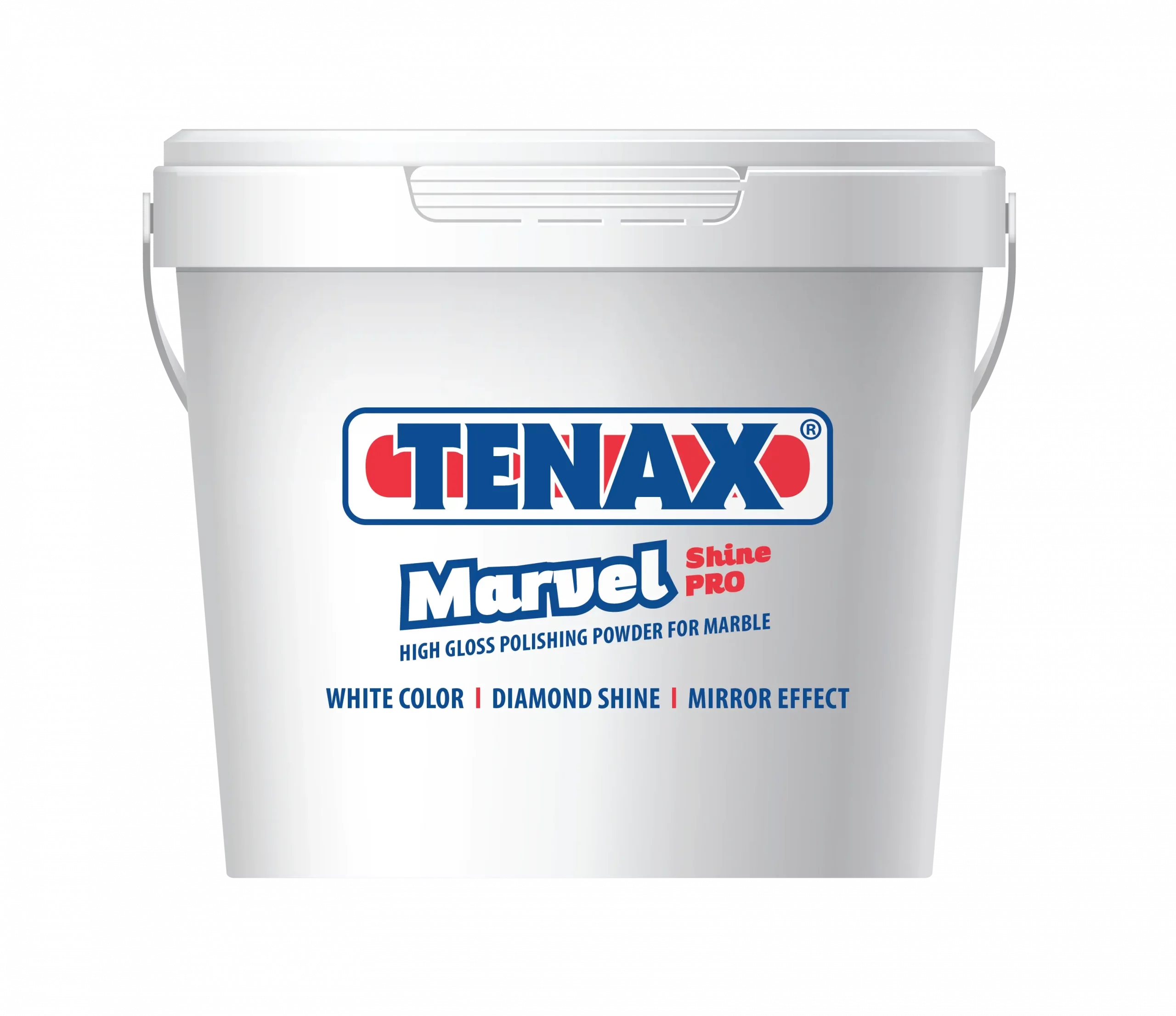
Additionally, polishing can help restore the appearance of marble surfaces. Tenax Marvel Shine Pro is a polishing powder designed for marble and other stone surfaces. Clean the surface and address stains or etches before polishing.
Frequently asked questions (FAQs)
1) How do I remove stains from marble?
First, identify the stain type. Then choose a suitable stone-care product. Avoid acids and abrasive cleaners. For deep stains, consult a professional.
2) Can I use acid on marble stains?
No, acidic products can react with marble and cause etching. Use products specifically designed for natural stone instead.
3) How do I remove water rings from marble?
Use a suitable stone-care cleaner and a soft cloth. Avoid vinegar, lemon juice and abrasive scrubbing.
4) How do I get oil stains out of marble?
Use a marble-safe cleaner designed for oil and grease. Follow the product instructions carefully. For persistent stains, seek professional advice.
5) How do I make marble shine again?
Clean the surface first. If the finish has dulled, suitable stone polishing may help. Address stains and etching before polishing.
6) Should marble be sealed after cleaning?
Sealing can help reduce future stain absorption. Choose a sealer suitable for your specific stone and surface finish.