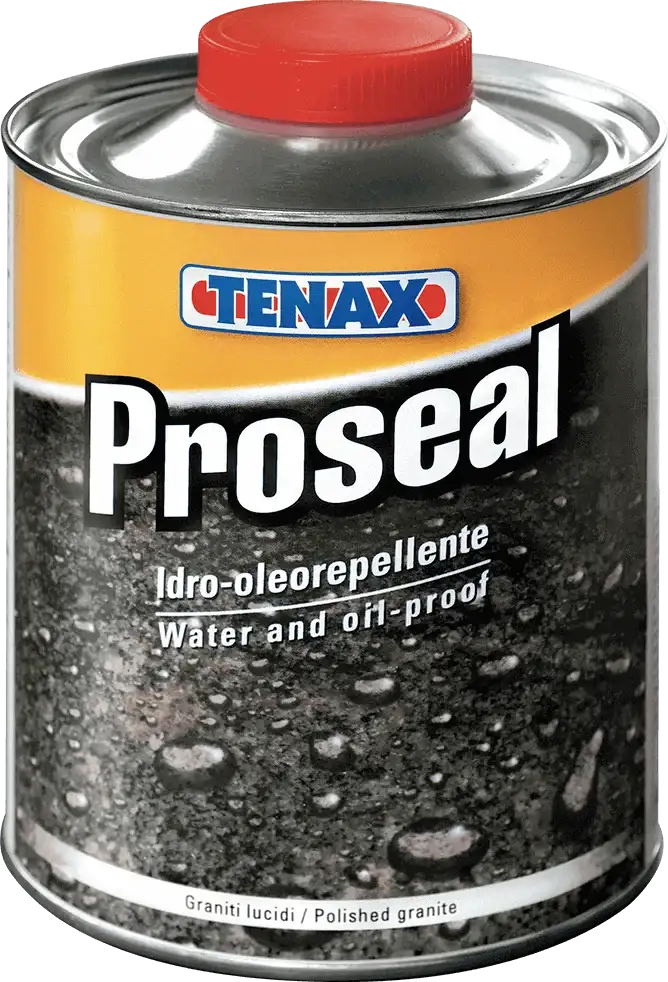
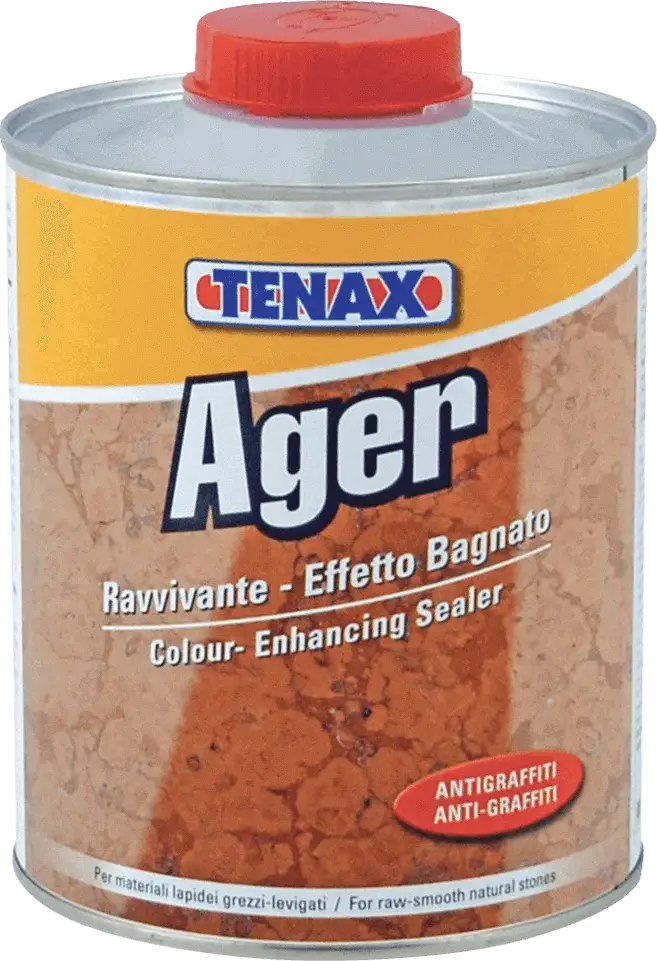
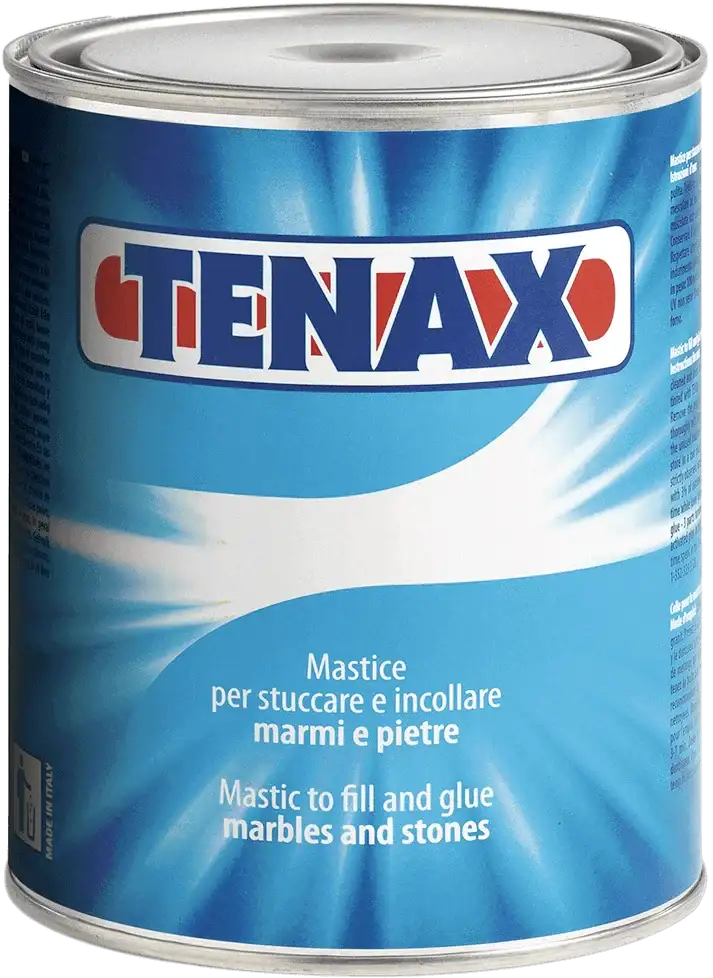
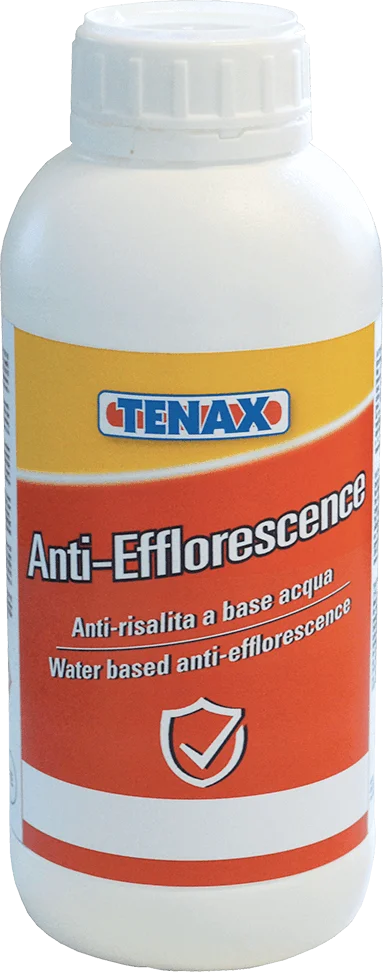
Check out the biggest trends of the season and our expert take on them.
5 tips to expertly manage cracks in marble the correct way
Marble surfaces can be paired with a range of interior styles and colour schemes that instil an elegant appearance to any surface. However, they are prone to cracking, although not all cracks require expensive replacement. With the right approach, you can protect the look and value of your marble surfaces.
Here are five practical tips to handle the situation effectively:
1. Identify the type of crack
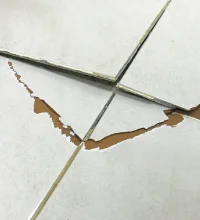
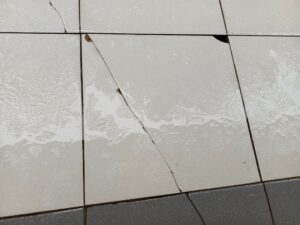
First, evaluate what you’re dealing with. Hairline cracks in marble are thin, surface-level lines that are often cosmetic. These usually don’t affect structural strength but can impact appearance.
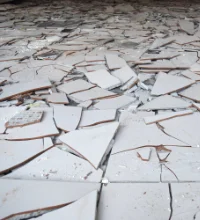
On the other hand, wider or deeper cracks, especially on a cracked marble floor, may indicate stress, impact damage, or substrate movement. These need closer attention to prevent spreading.
2. Don't ignore small cracks
Even minor cracks shouldn’t be ignored. Over time, they can collect dirt, moisture, and cleaning residues. This makes the crack more visible and can lead to staining or further damage.If you’rewondering how to fix cracked marble, the solution is early intervention. Addressing the issue while it’s small usually means simple and affordable repairs.
3. Avoid DIY fixes that can cause damage
It may be tempting to use household glue, white cement, or other fillers to fix marble cracks. However, these materials rarely match marble’s colour or finish. In fact, they can stain the surface or make professional repair more difficult later.Marble is a natural stone and requires compatible repair products designed specifically for stone surfaces.
4. Use the right repair solution and seek professional help
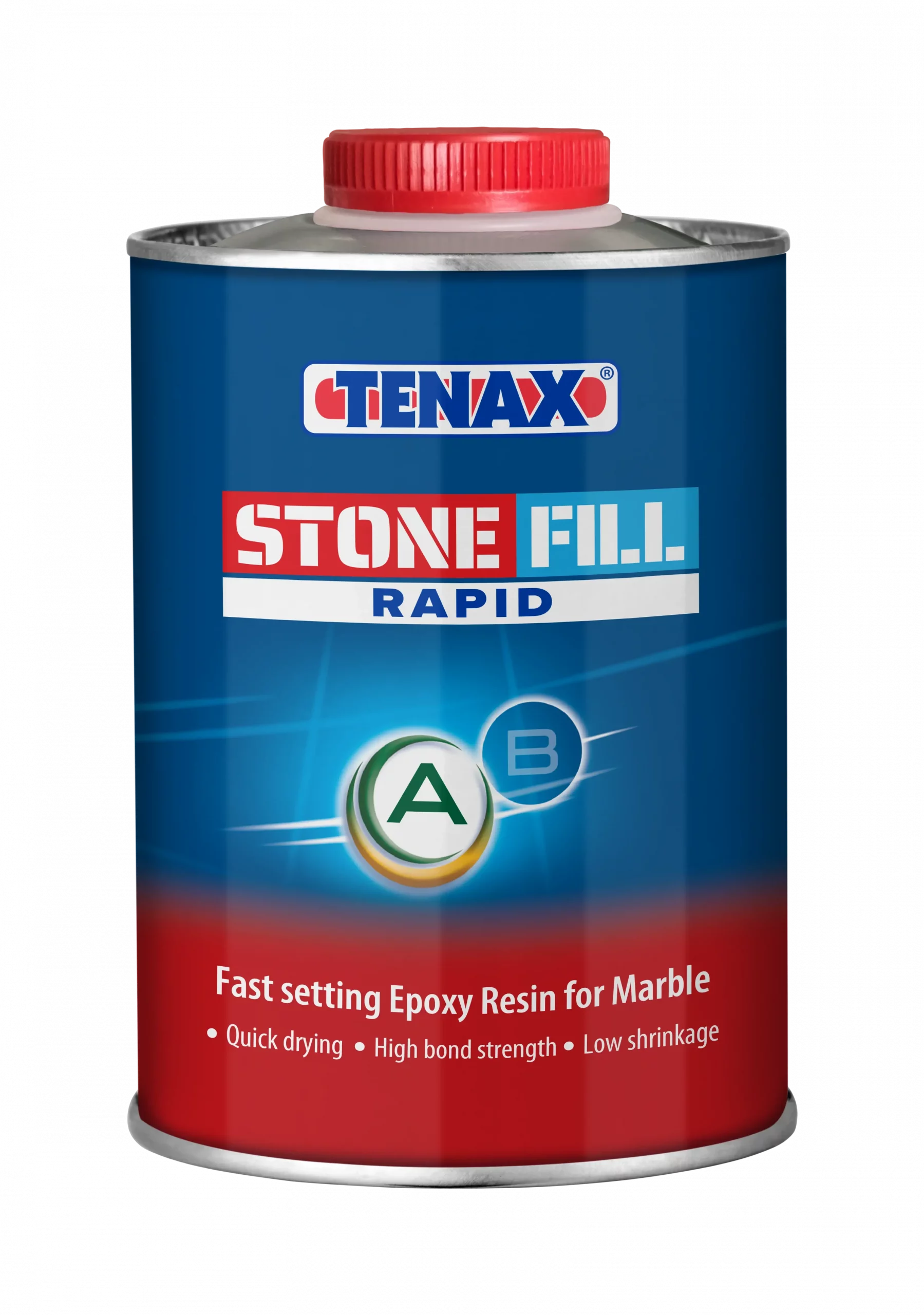
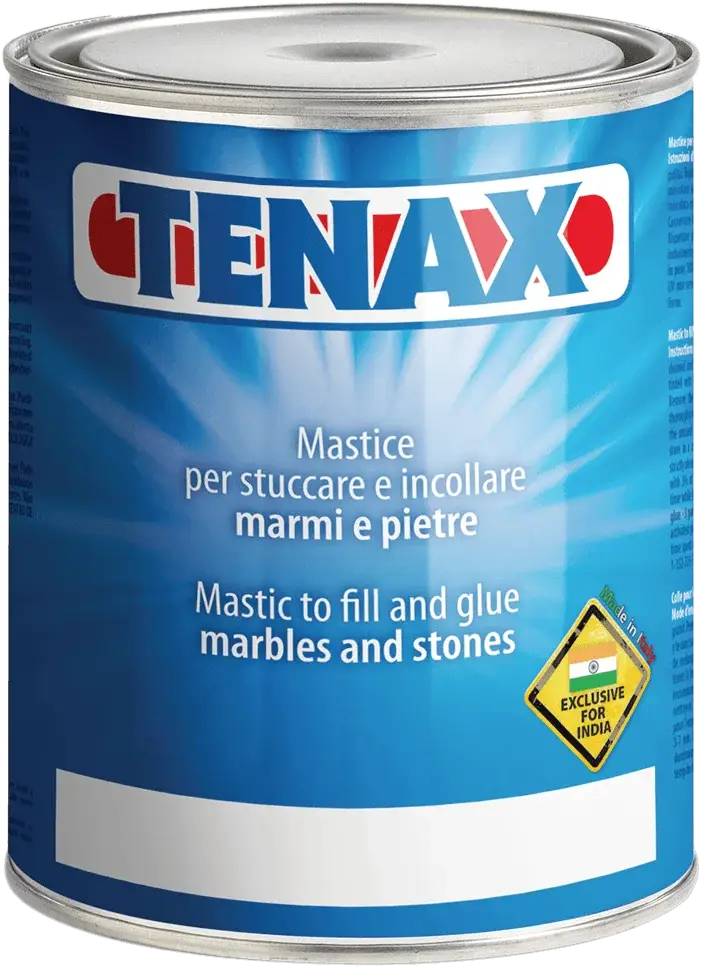
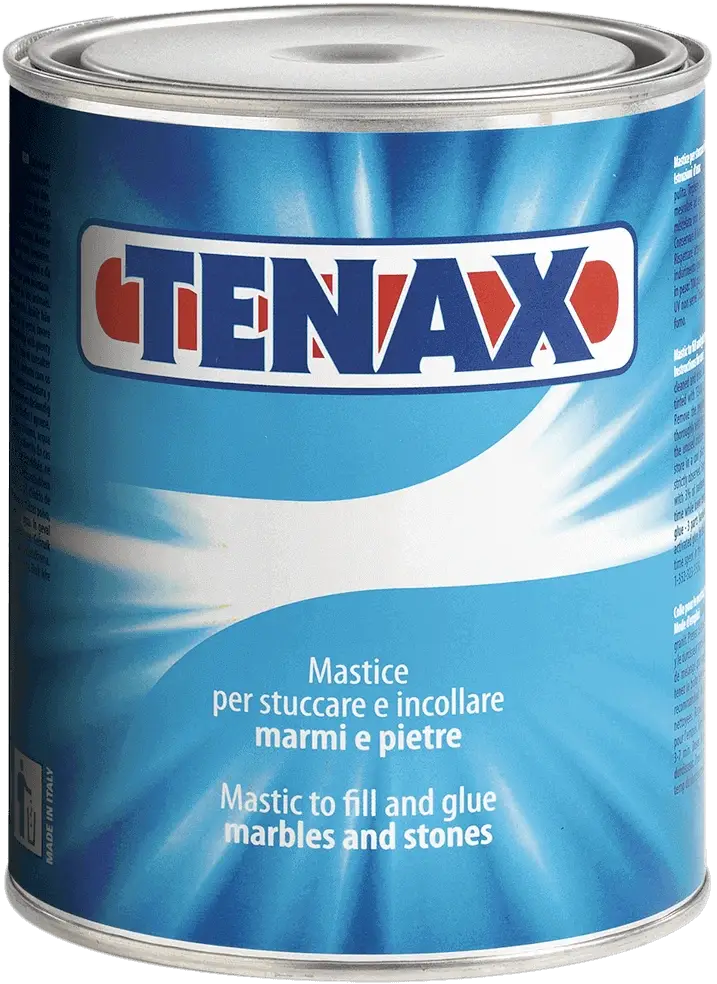
For minor cracks, stone-specific repair kits can deliver neat and discreet results. For deeper cracks in marble flooring or countertops, it’s best to consult an expert professional who understands stone restoration.A proper repair blends effortlessly with the existing surface and restores strength without compromising the finish.
5. Maintain marble after repair
Once repaired, ongoing care is essential. Use gentle,marble-friendly cleaners, avoid dragging heavy furniture, and clean spills immediately. Preventive maintenance reduces the risk of new cracks forming and keeps your surface looking polished.
Key takeaway
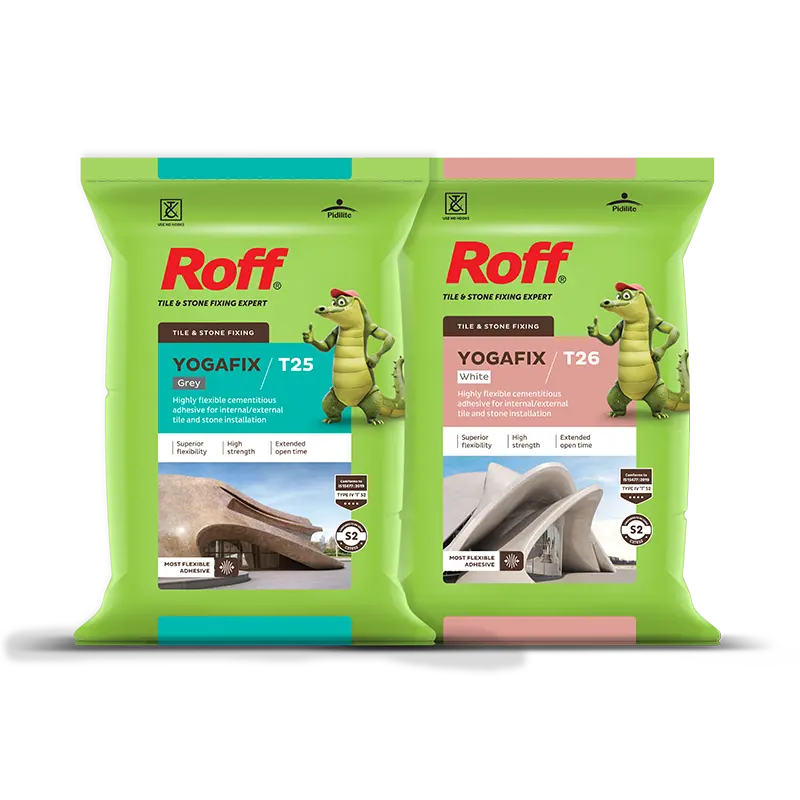
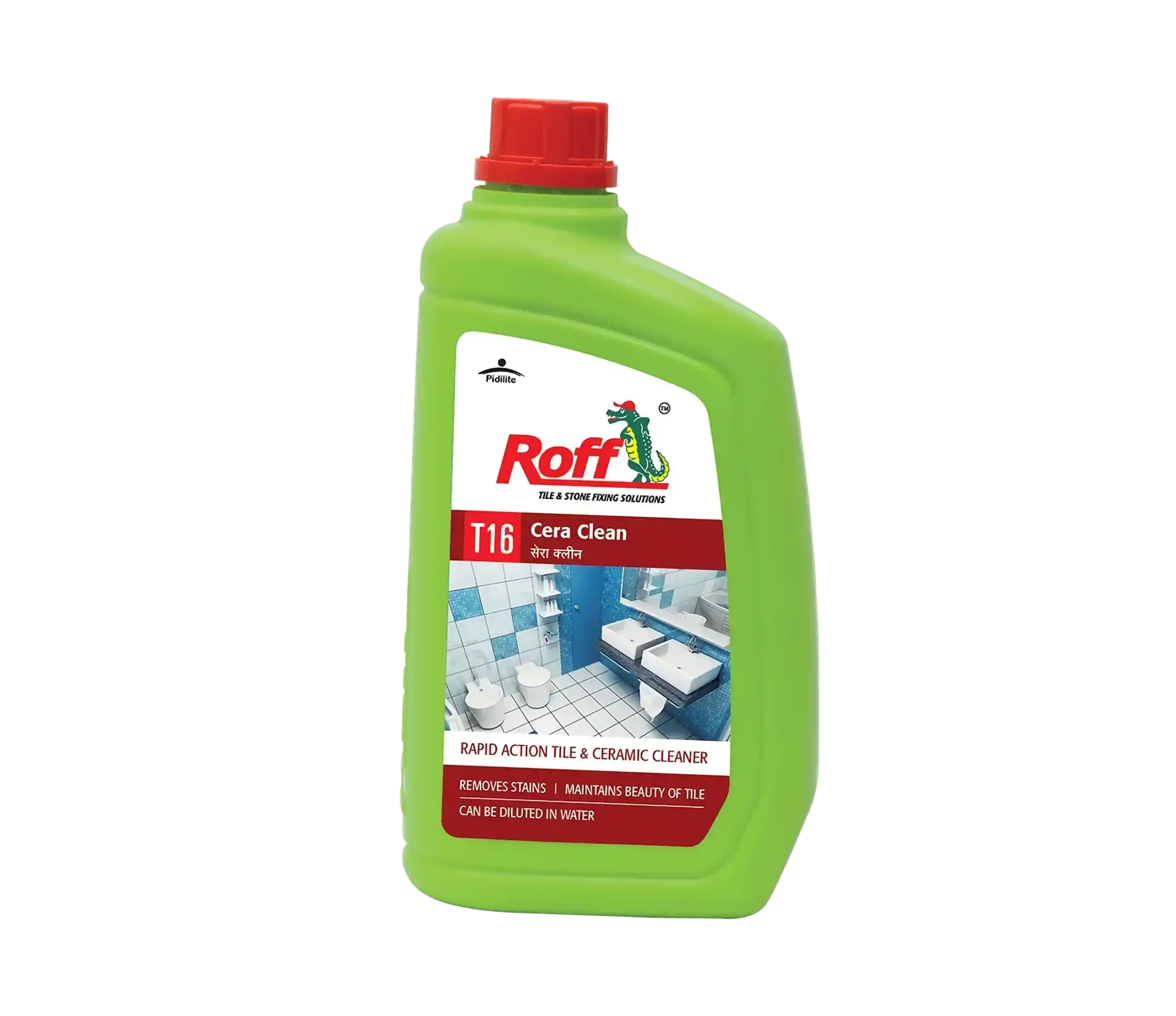
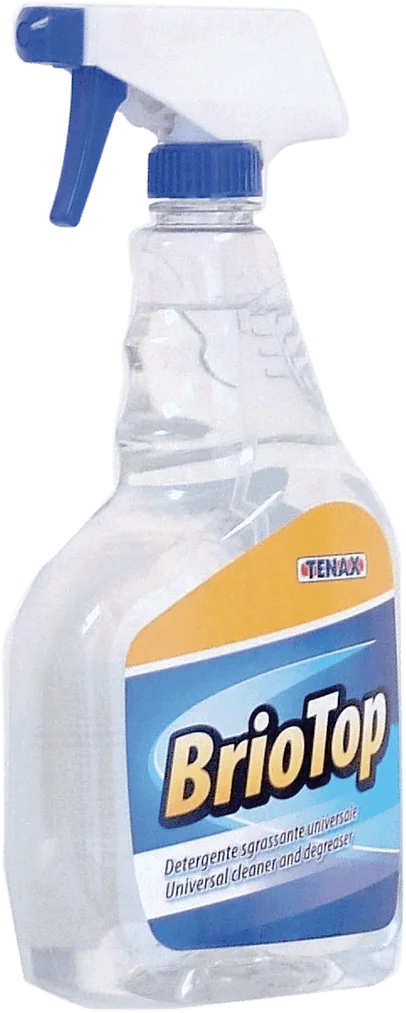
Handling a crack in marbledoesn’t have to be complicated. By identifying and choosing the right repair method, you can extend the life of your marble surfaces. With proper care, your marble can continue to look elegant for years to come. For general maintenance of marble, it is best to use effective marble cleaning solutions that maintain the stone’s natural shine without damaging the surface. Tenax Tuff Kleen and other stone cleanersoffered by Roff are highly compatible with natural stones like marble, ensuring that your marble surfaces are clean, well-maintained, corrosion-free, and long-lived.
FAQs
1. Are hairline cracks in marble serious?
In most cases, hairline cracks in marble are cosmetic and do not affect structural strength. However, they should still be monitored and sealed to prevent dirt and moisture buildup.
2. Can a cracked marble floor be repaired without replacement?
Yes, many cracked marble floors can be repaired with stone-specific fillers or professional restoration methods, depending on the severity of the crack.
3. How do I fix marble crack problems at home?
For minor cracks, use marble repair products designed for natural stone. Avoid household adhesives or cement. For larger cracks, it’s best to seek professional advice.