Check out the biggest trends of the season and our expert take on them.
Best Tile Adhesive for Damp, Wet or Below-Grade Surfaces
Key Takeaways
Persistent dampness, seepage, and excess substrate moisture can weaken adhesive bonds and cause tiles to loosen or fail.
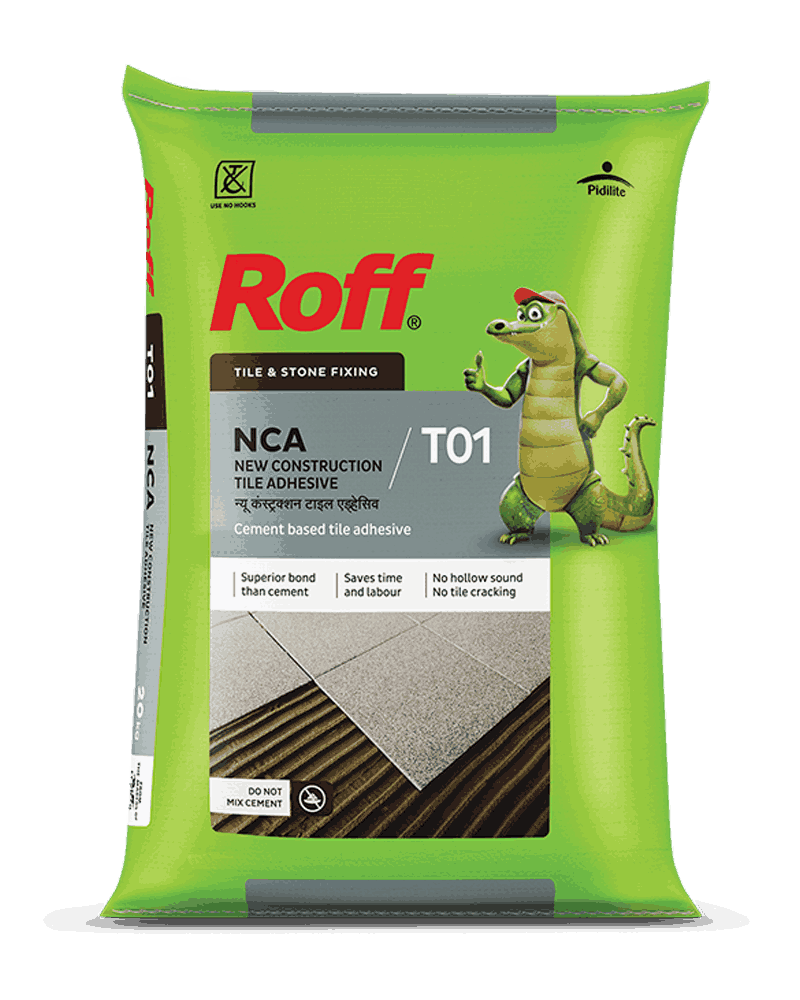
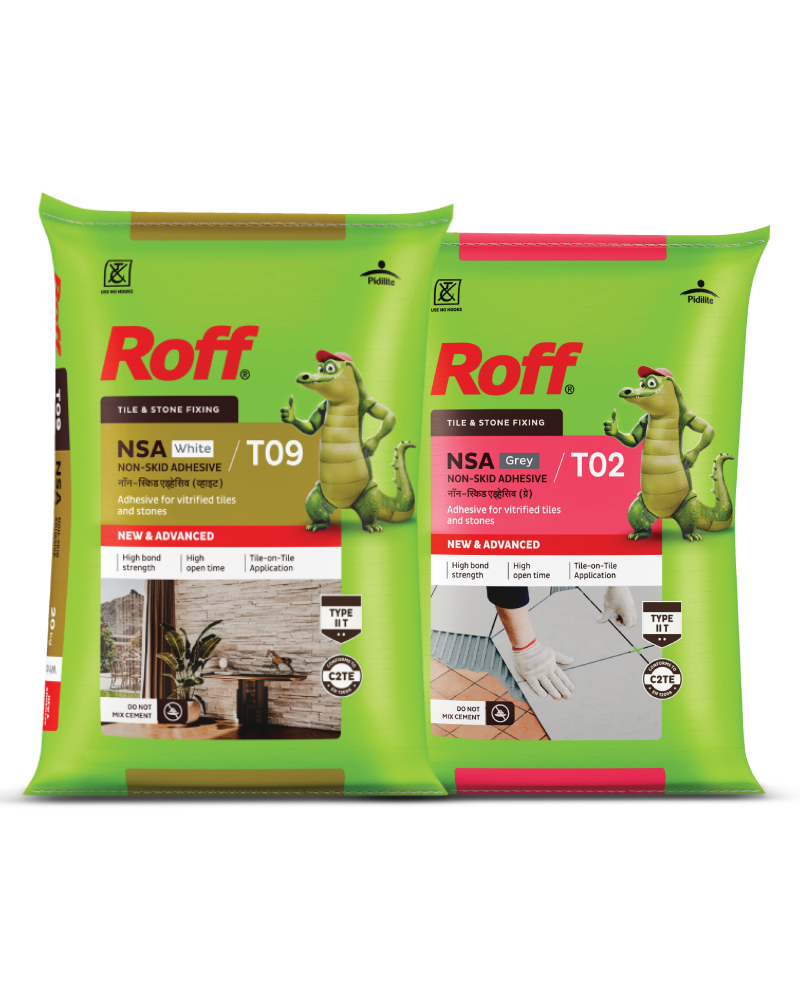
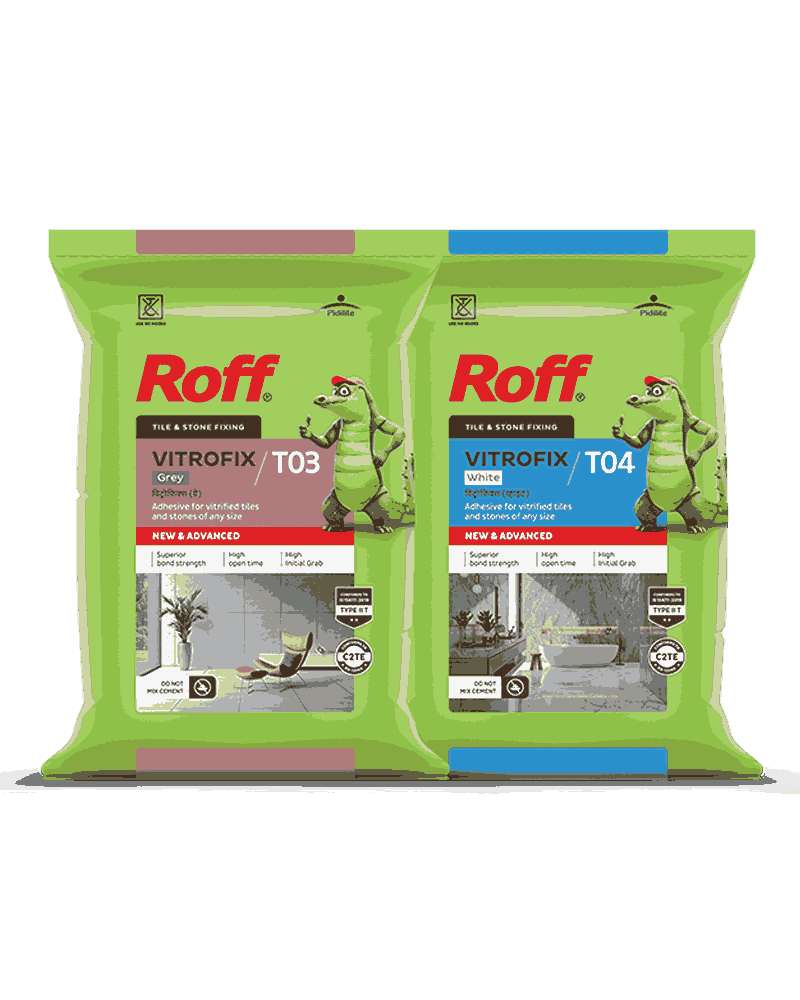
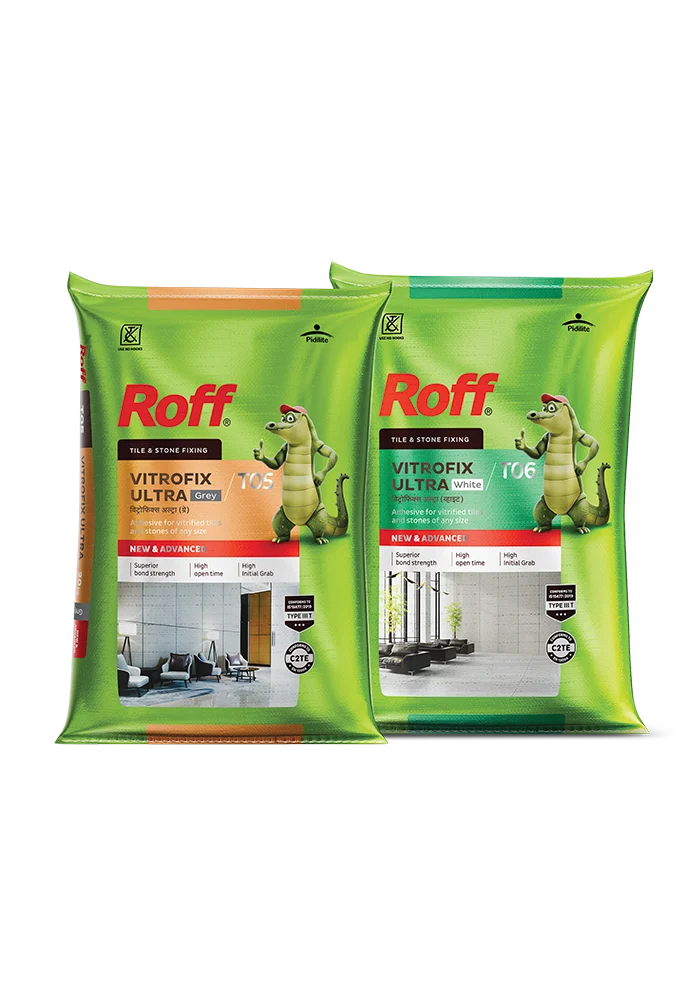
Select a moisture-tolerant adhesive, such as Roff Vitrofix where suitable, based on the tile type, substrate, and wet-area conditions.
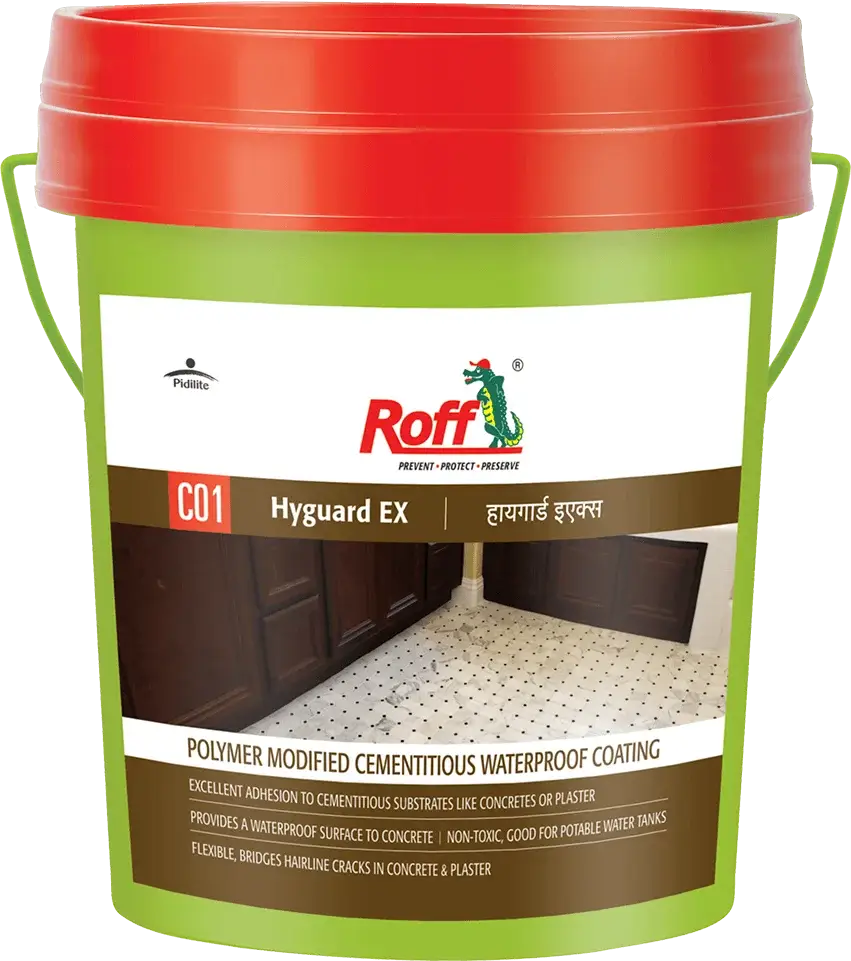
Tile adhesive provides bonding, while waterproofing systems like Roff Hyguard EX help prevent water penetration. Both may be required in moisture-prone areas.
It is also good practice to apply screed on the floor before applying tile adhesive to the surface.
Prepare the substrate, achieve adequate adhesive contact, follow curing instructions, and use water-resistant epoxy grout like Roff Starlike for durable tile installations.
Tiling in bathrooms, basements, utility rooms, and other moisture-prone areas requires careful attention to both the substrate and the adhesive. Dampness, water seepage, and persistent moisture can interfere with bonding and contribute to tile failure if the underlying problem is not addressed. Choosing a suitable moisture-tolerant adhesive is important, but it is equally essential to determine whether the surface needs waterproofing before tiles are installed.
Why Standard Adhesive Fails on Damp Surfaces
Tile adhesives are formulated for specific substrates and installation conditions. When a surface has excess moisture or ongoing water ingress, the adhesive may not develop the intended bond, especially if the substrate hasn’t been prepared according to the product instructions.
Bond failure in moisture
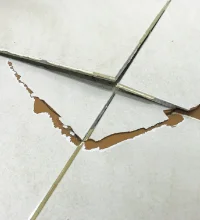
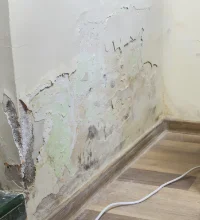
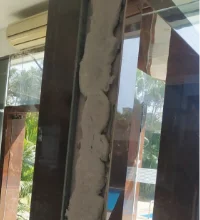
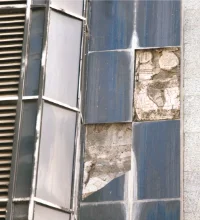
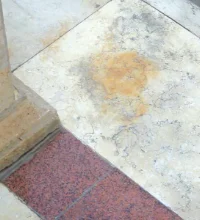
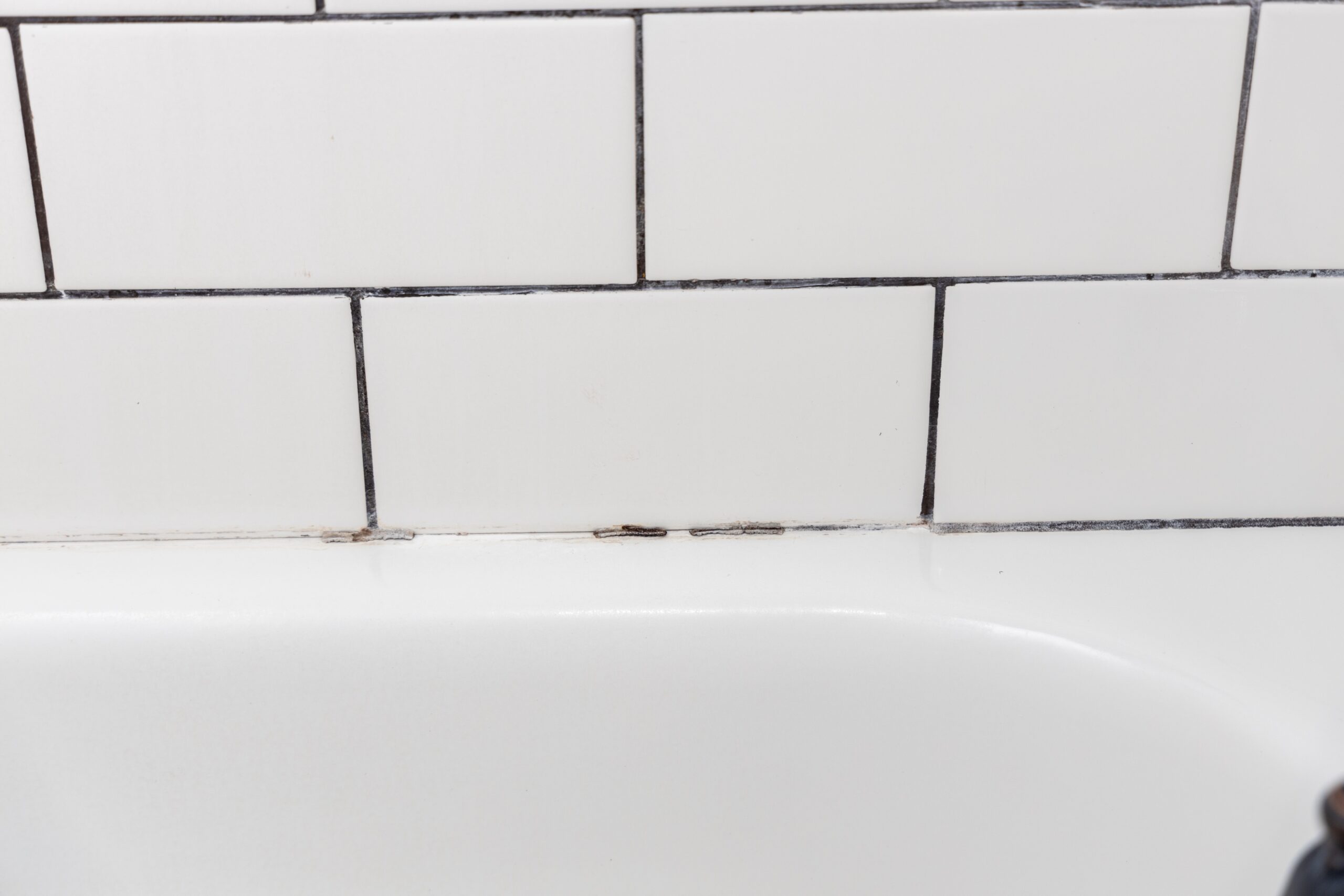
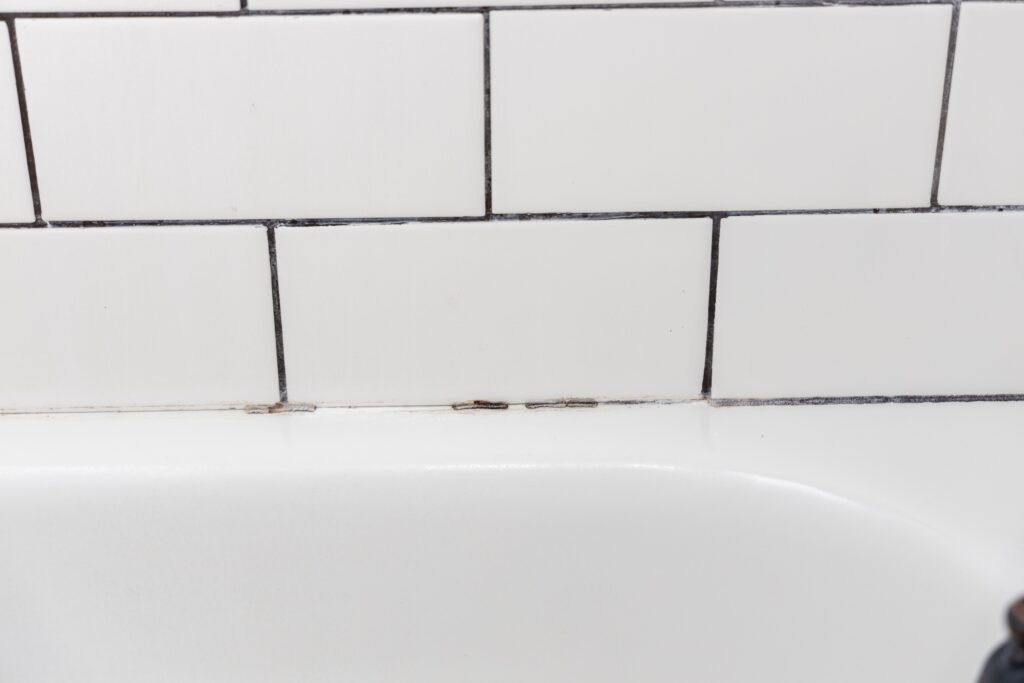
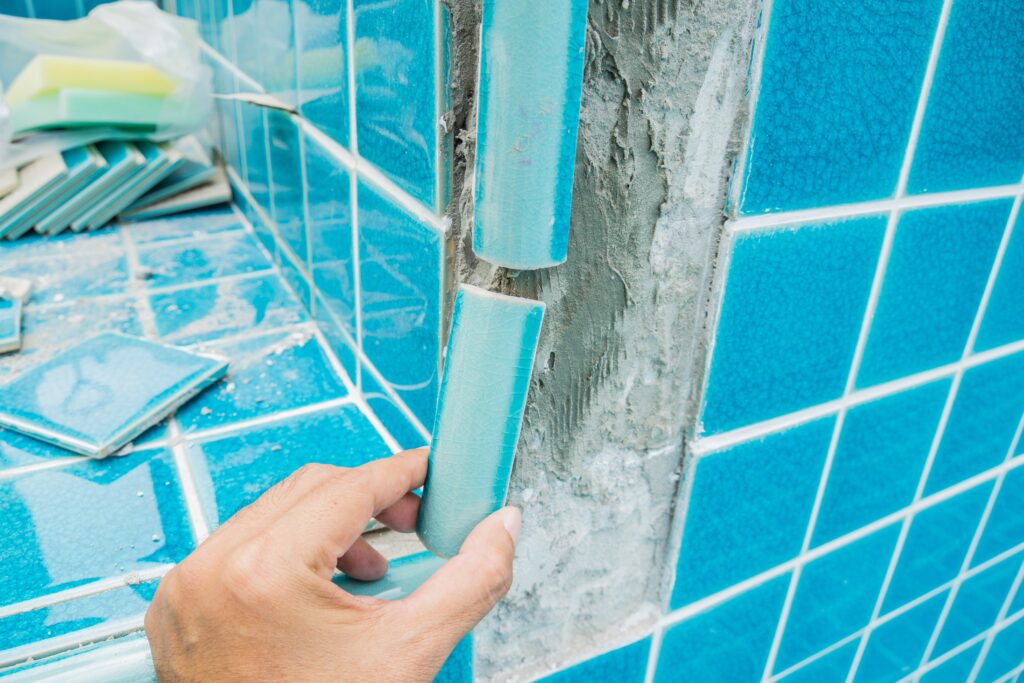
Excess moisture can interfere with adhesion and, depending on the materials and conditions, contribute to weak bonding, loose tiles, or deterioration around joints. Moisture moving through masonry or concrete may also transport soluble salts to the surface. When these salts crystallise, they can leave white deposits known as efflorescence.
Efflorescence indicates that moisture and salts are moving through the substrate; it should not simply be covered with tiles. Identify and address the moisture source, check the substrate’s condition, and confirm that it is suitable for the chosen adhesive before proceeding.
Which Adhesive Works on Damp or Wet Surfaces?
The right adhesive depends on whether the substrate is suitable for a moisture-exposed installation or actively wet from seepage or water ingress. A moisture-tolerant adhesive may suit certain wet-area applications, but it should not be used to conceal persistent dampness or replace a required waterproofing system.
For wet areas facing leakage issues, the first step is to fix the source of water ingress. Next, a suitable waterproofing coating, such as Roff Hyguard EX should be applied to secure the surface against future leakages. Once the waterproofing layer has dried, apply screed to the surface, followed by a tile adhesive such as Roff Vitrofix. Grout should be applied between tile gaps post tile placement and drying of the adhesive layer.
An adhesive must suit the installation conditions, while waterproofing protects the underlying structure from water penetration. Check the product data sheets to confirm compatibility between the substrate, waterproofing layer, adhesive, and tiles.
Waterproofing vs Moisture-Tolerant Adhesive
Waterproofing and tile adhesive serve different purposes. An adhesive fixes the tiles to the prepared surface, whereas a waterproofing membrane helps prevent water from penetrating the substrate.
When you need both
Both are a must for any wet area, such as showers, bathrooms, basements, etc. Wet areas constantly deal with the risk of moisture damage, hence, waterproofing and a moisture-tolerant adhesive are required. The exact system depends on the location, the moisture source, and the construction details.
Where waterproofing is required, first resolve active leakage and prepare the substrate. Apply a compatible waterproofing system according to its technical instructions, including the specified coats, coverage, curing period, and treatment of corners and pipe penetrations. Only then proceed with the adhesive and tile system.
Application Tips for Wet/Below-Grade Areas
Correct product selection alone cannot guarantee a durable installation. Surface preparation, adhesive coverage, curing, and grout selection all influence performance in moisture-prone environments.
Prep & full contact
Before tiling, check that the substrate is sound and suitable for the selected system. Ensure that the surface of the floor slopes towards drainage outlets so that water does not stay stagnant at one location. Remove loose material and surface contaminants, and investigate any visible damp patches or efflorescence. Do not tile over a substrate that fails the adhesive or waterproofing manufacturer’s requirements.
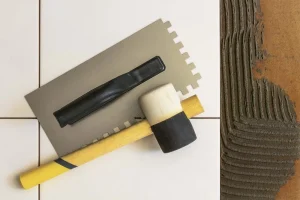
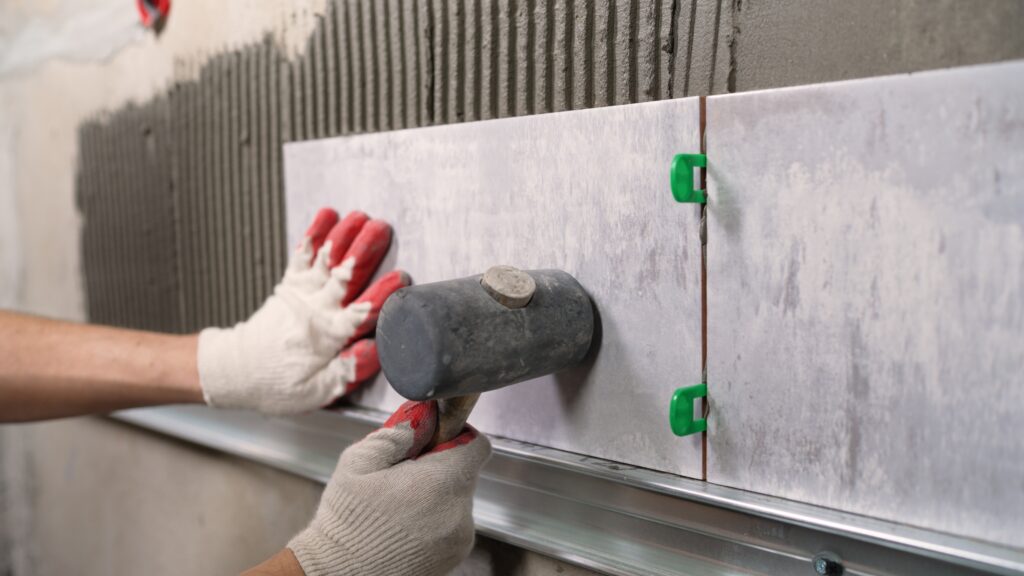
Apply adhesive using the recommended trowel and method to achieve the specified contact between the tile and substrate. Avoid voids that can collect water or create unsupported areas. Work within the adhesive’s open time, and allow it to cure according to the product instructions before grouting or exposing the installation to water.
Grout choice
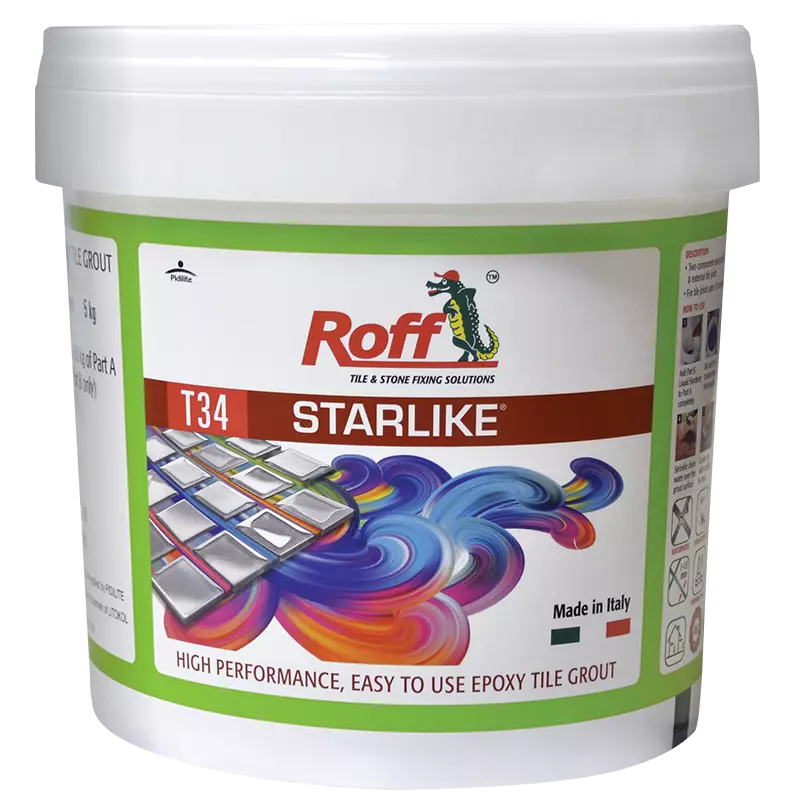
Grout helps fill the joints between tiles, but it does not replace waterproofing. In wet or stain-prone areas, epoxy grout may be a suitable option because it resists water and stains. Consider Roff Starlike, an epoxy grout that resists water and stains. Roff Starlike also offers over 33 shades of colour, giving you aesthetic freedom while still protecting your tiles from water damage. Moreover, Roff Starlike can be considered as an additional layer of waterproofing between tile joints thanks to its water-resistant nature.
Frequently asked questions (FAQs)
1) Can I tile on a damp surface?
Only if the substrate’s moisture condition is within the selected adhesive system’s permitted limits; investigate and address persistent dampness or seepage before tiling.
2) Which adhesive works on wet walls?
Choose an adhesive approved for the tile, substrate, and wet-area application. Roff Vitrofix is an option to evaluate against its technical specifications, but it does not replace waterproofing where required.
3) Do below-grade areas need waterproofing before tiling?
Where below-grade walls or floors are exposed to water ingress or persistent moisture, an appropriate waterproofing system may be essential. Resolve the moisture source and confirm the correct system before installing tiles.
4) Why do tiles fail in wet areas?
Common causes include excess substrate moisture, water ingress, poor surface preparation, inadequate adhesive contact, incompatible materials, and insufficient curing. The underlying cause should be corrected before replacing failed tiles.
5) Which grout is best for wet areas?
Epoxy grout, such as Roff Starlike where suitable, offers water and stain resistance. However, grout alone does not waterproof an installation; use the specified waterproofing system and compatible joint sealants where required.