Check out the biggest trends of the season and our expert take on them.
Marble vs tiles: The expert’s guide to choosing the best tile and stone adhesives
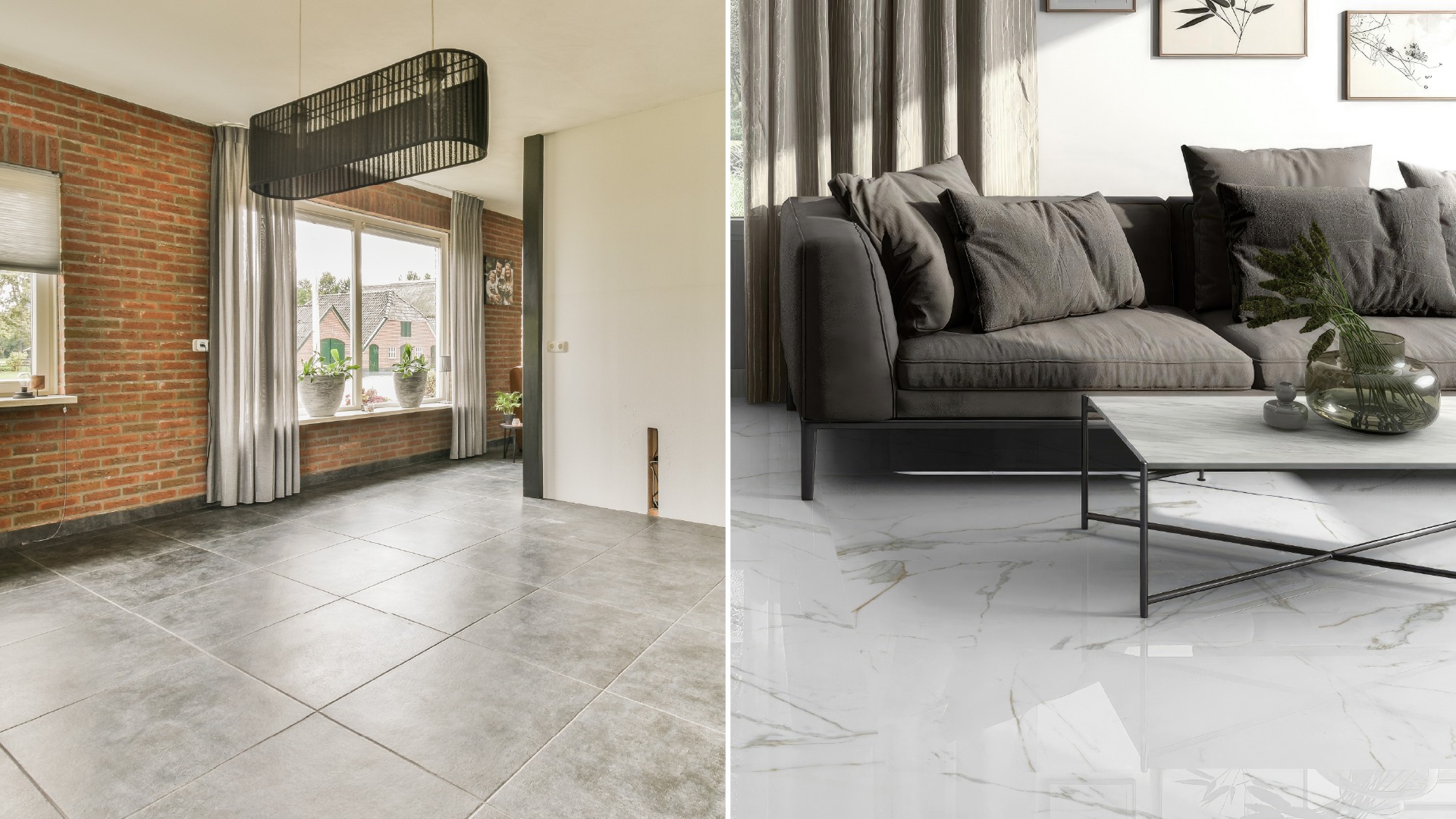
When specifying materials for a project, architects often face the crucial decision of marble vs tiles – a choice that goes beyond aesthetics. Both materials are staples in modern design, but understanding what is the difference between tile and marble is key to selecting the best tile adhesive and ensuring durable, long-lasting installations.
Marble vs tiles: Understanding material differences
Marble and ceramic or vitrified tiles differ significantly in their manufacturing processes, porosity, thickness, and surface treatments. Marble, a natural stone, is prized for its unique veining, weight, and sensitivity to chemicals. Tiles, on the other hand, are manufactured to standard specifications, offering uniformity in size, colour, and surface absorption. These inherent differences dictate how adhesives interact with each material.
Key differences between marble and tiles
Parameter
Marble
Tiles
Material type
Natural stone quarried from the earth
Manufactured product made from clay and minerals
Appearance
Unique patterns and natural veining
Uniform colours, patterns, and designs
Porosity
More porous and can absorb liquids
Low porosity, especially vitrified tiles
Thickness and weight
Thicker and heavier slabs
Thinner and lighter compared to marble
Surface finish
Usually polished or honed natural finish
Available in glossy, matte, textured, or anti-skid finishes
Installation behaviour
Requires specialised adhesives and careful handling
Compatible with standard tile adhesives
In summary, marble offers natural beauty and exclusivity, while ceramic and vitrified tiles provide consistency, durability, and ease of installation. Understanding these material differences helps ensure the correct adhesive, installation method, and maintenance practices are used for long-lasting results.
Why adhesive choice matters
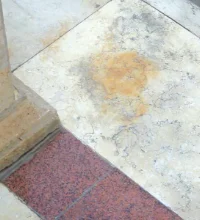
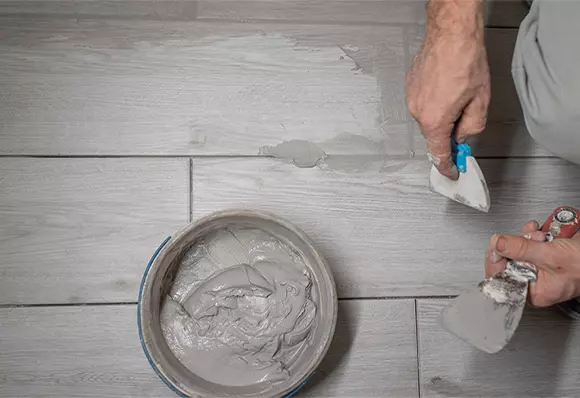
The wrong adhesive can compromise the beauty and durability of both tiles and marble. For instance, using a standard cement-based adhesive on polished marble may result in darkening, staining, or poor bonding. This is why understanding marble vs tilesbehaviour is so important – choosing the best tile adhesive for each means matching the product to the material’s specific properties, substrate, and environmental conditions.
What are the best adhesives for marble vs tiles?
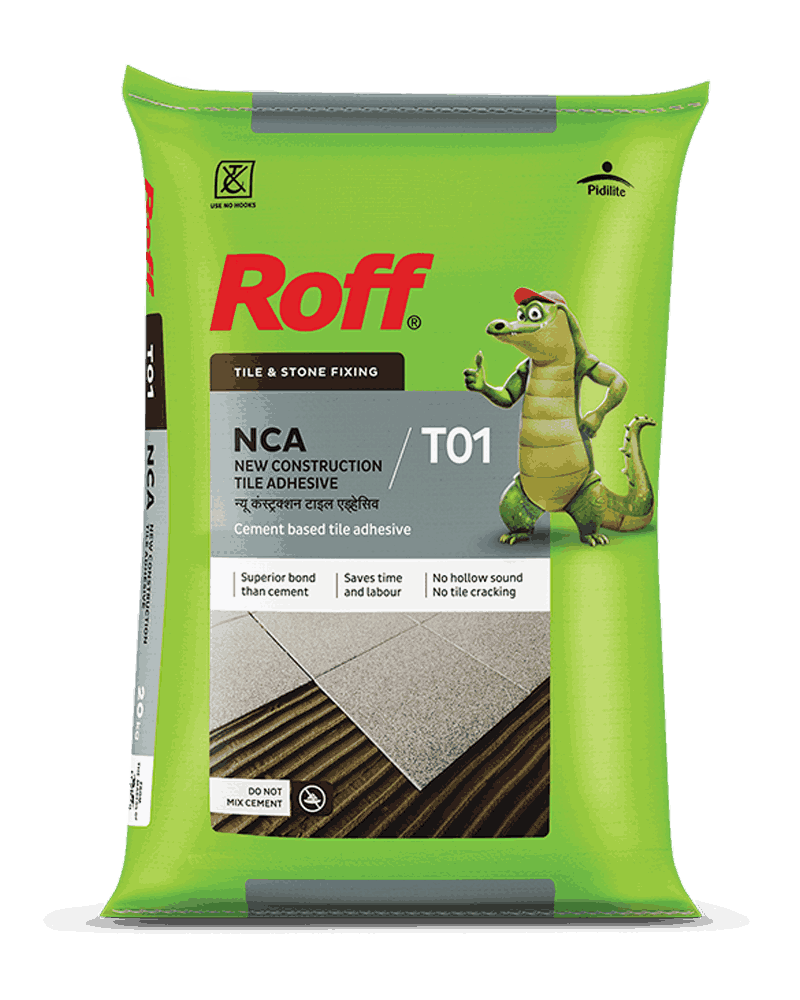
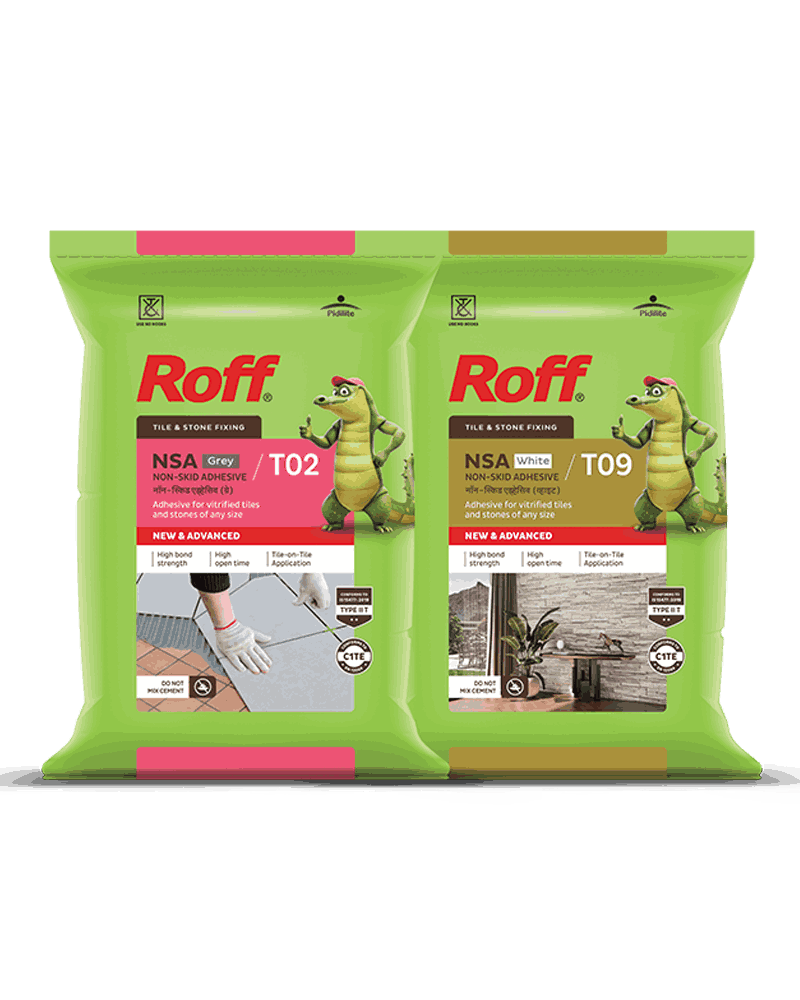
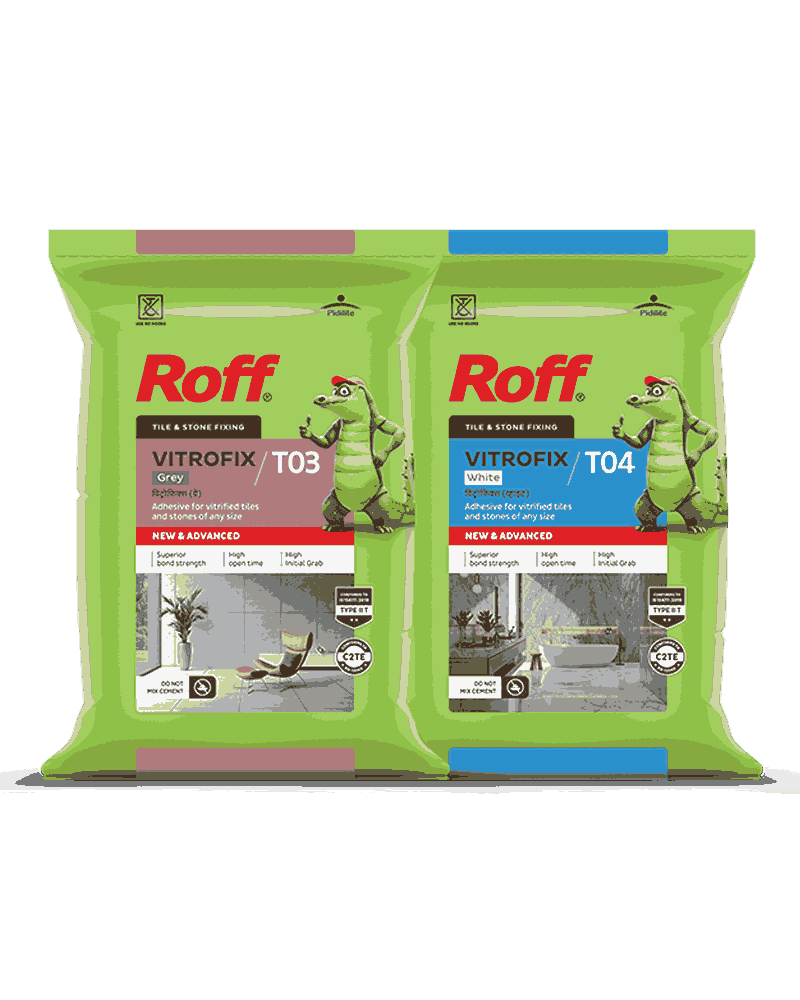
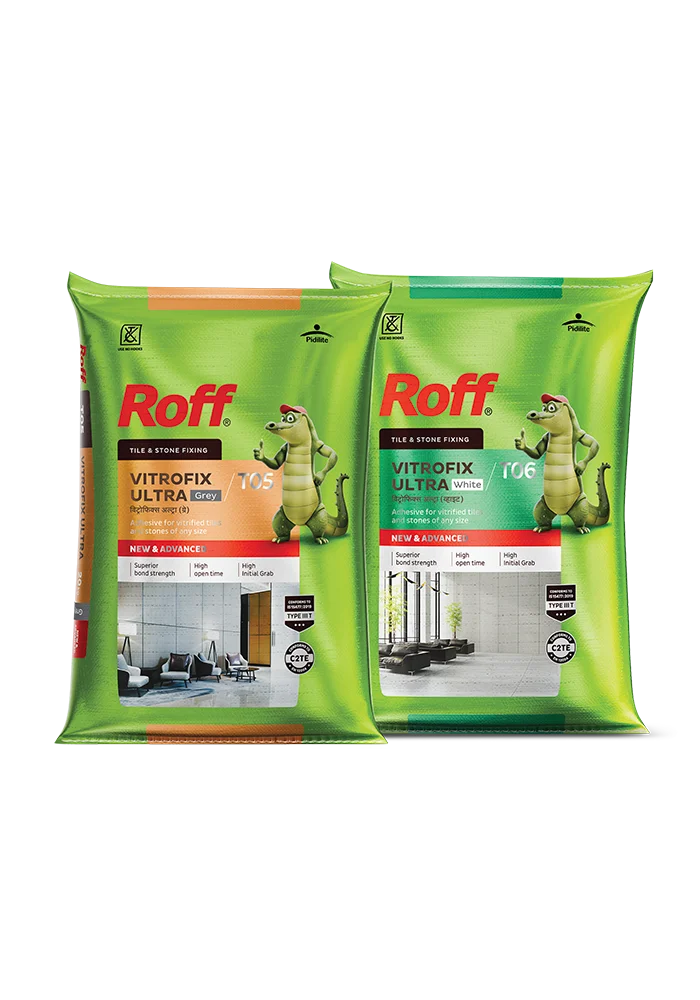
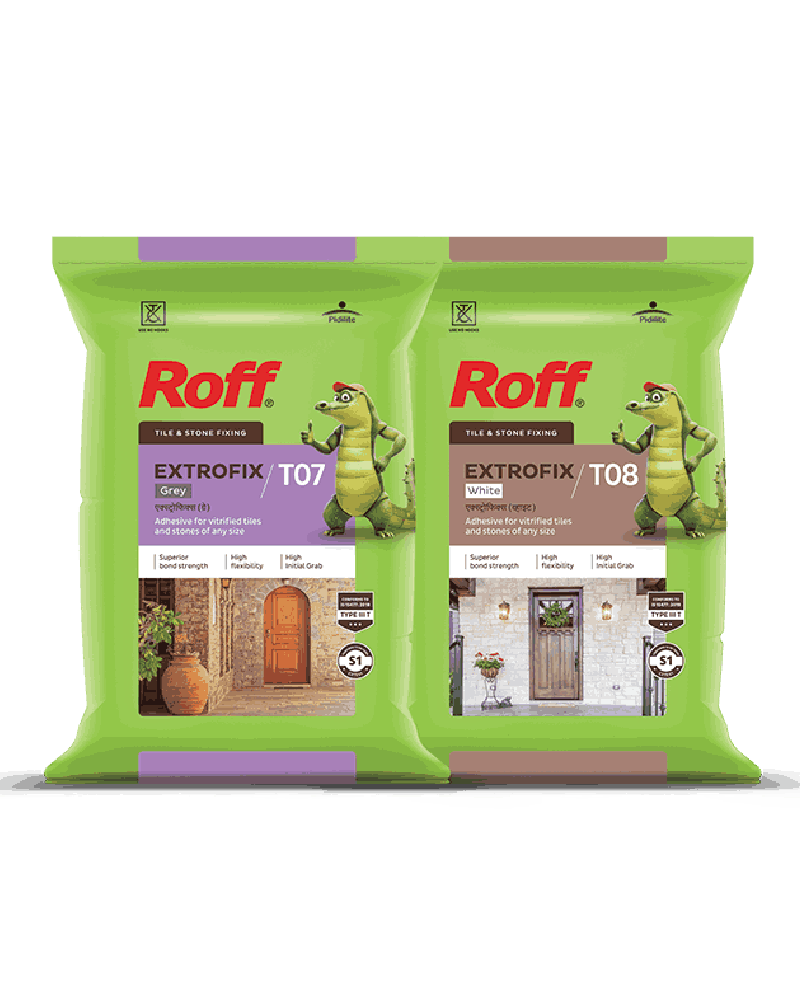
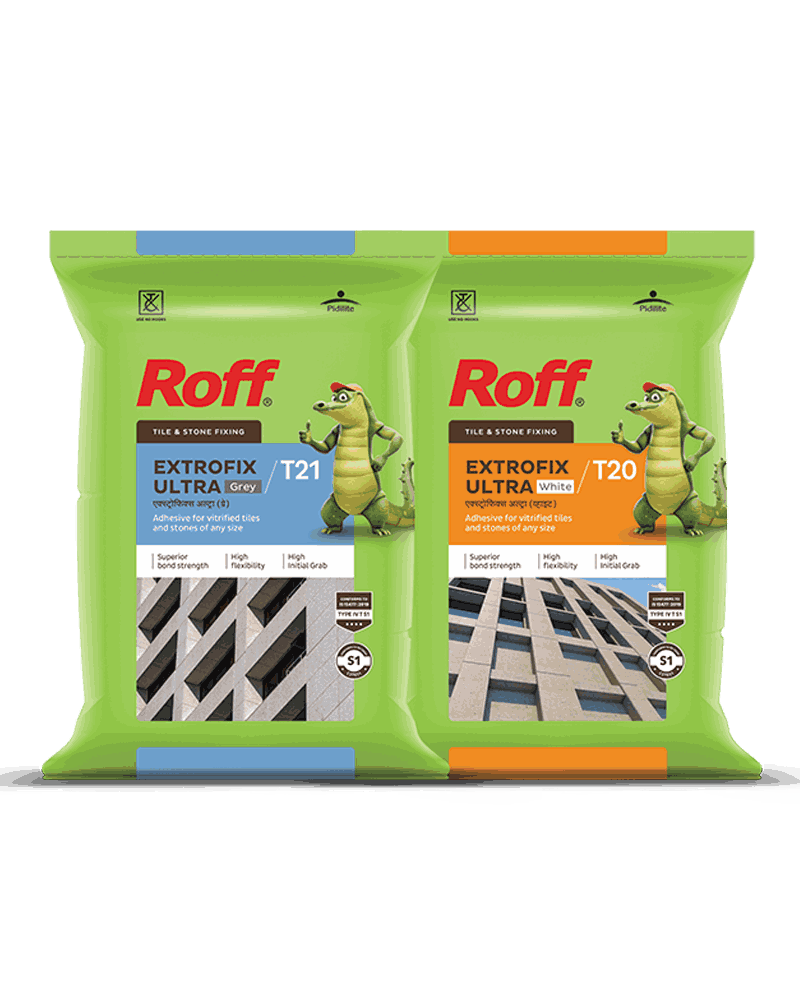
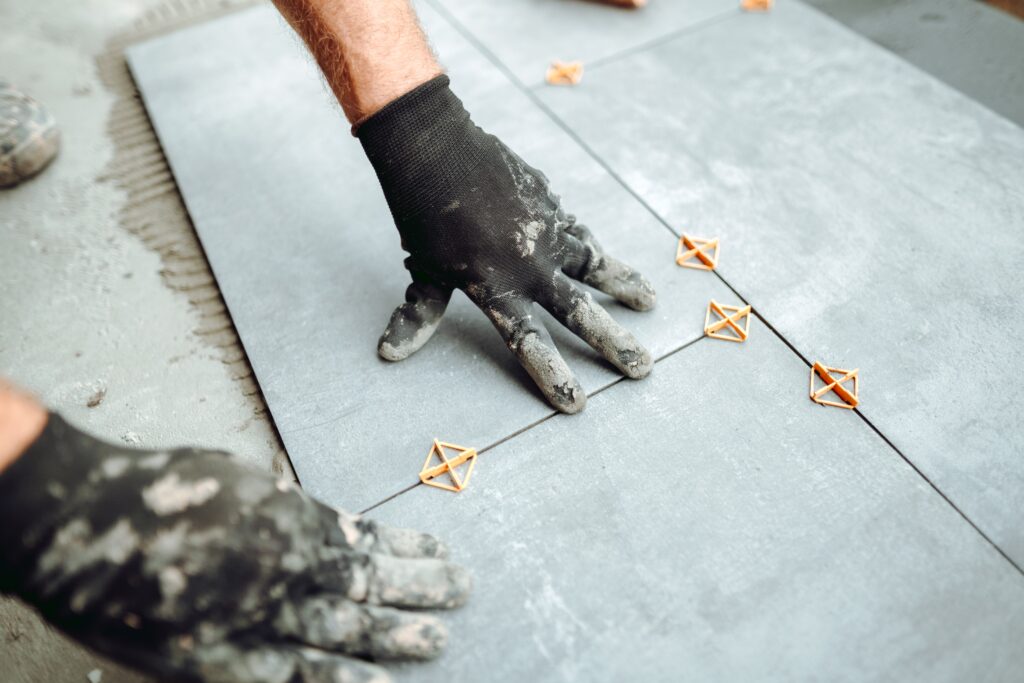
Choosing the right adhesive depends not just on whether you’re fixing marble or tiles, but also on the substrate and application environment. For internal cementitious surfaces, tiles and stones are best fixed using Roff Vitrofix or Roff Vitrofix Ultra, which offer strong bonding, slip resistance, and durability for floors and walls. For external applications, where exposure to temperature variations and moisture is higher, Roff Extrofix and Roff Extrofix Ultra are recommended for reliable long-term performance.
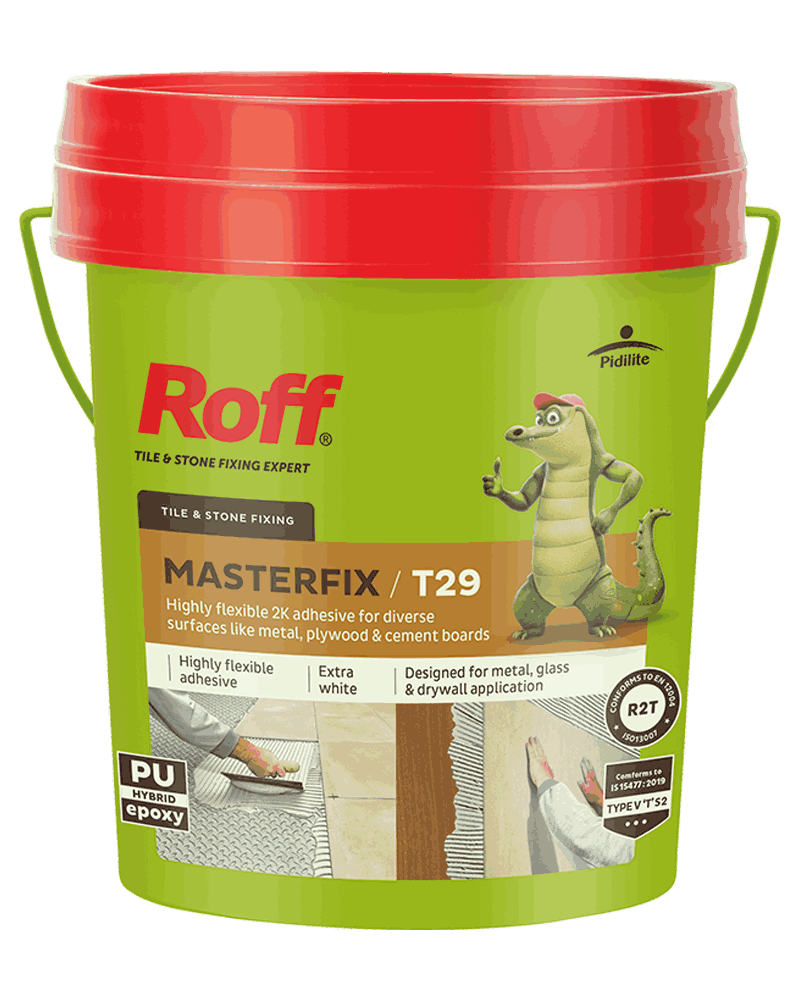
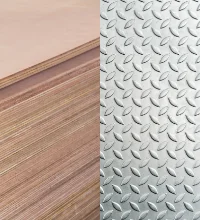
When it comes to non-cementitious substrates such as plywood or metal, a standard cement-based adhesive is not sufficient. In such cases, Roff Master Fix, a polyurethane epoxy-based adhesive, is ideal for fixing tiles and marble, ensuring superior adhesion without compromising the stone’s appearance.
Beyond adhesives: Achieving the perfect finish
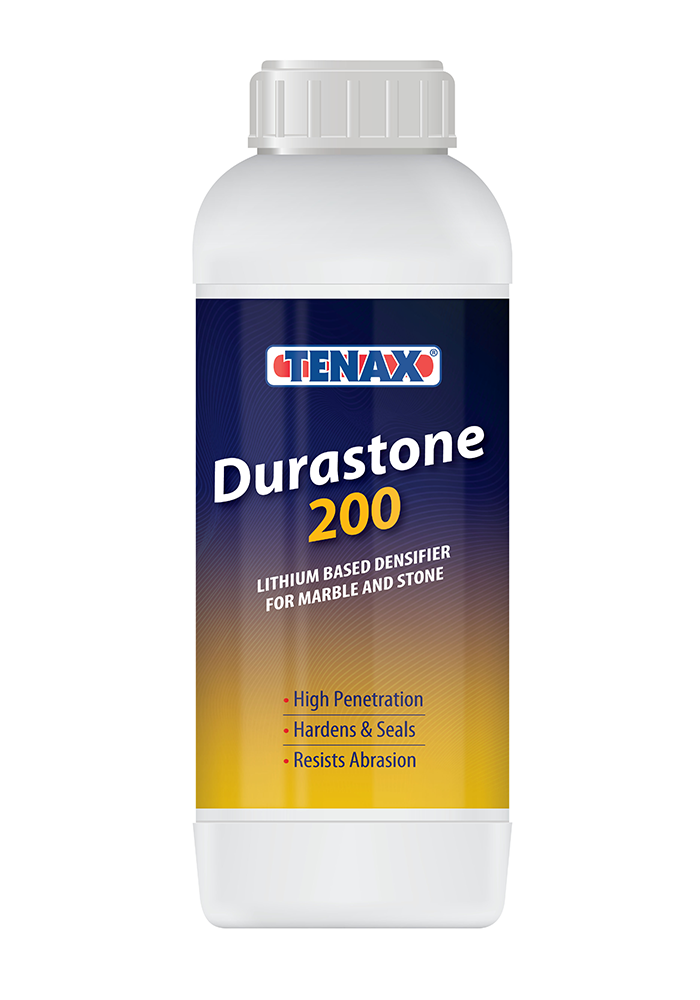
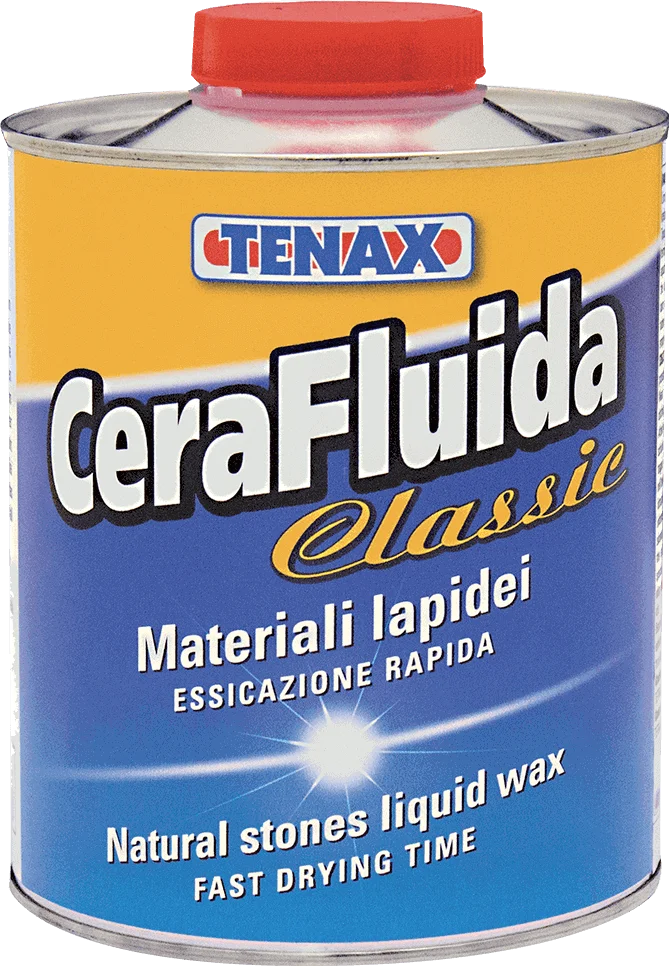
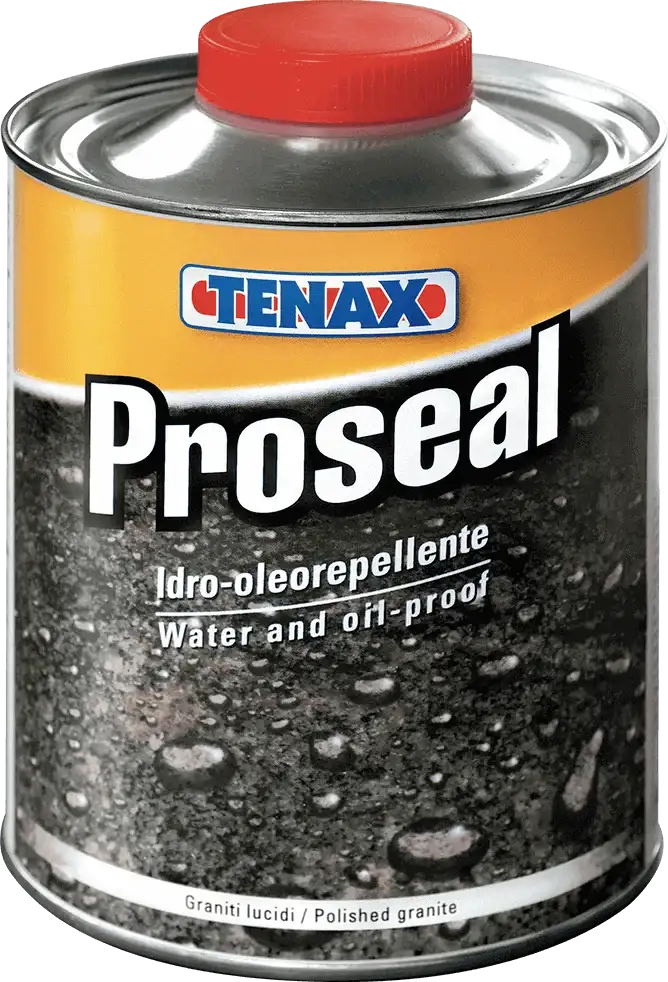
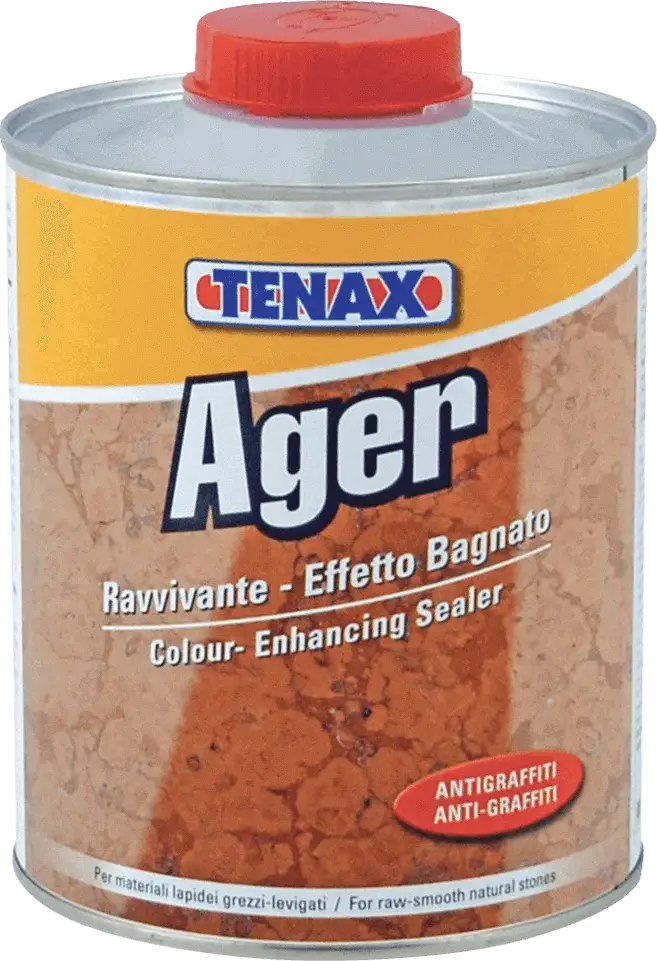
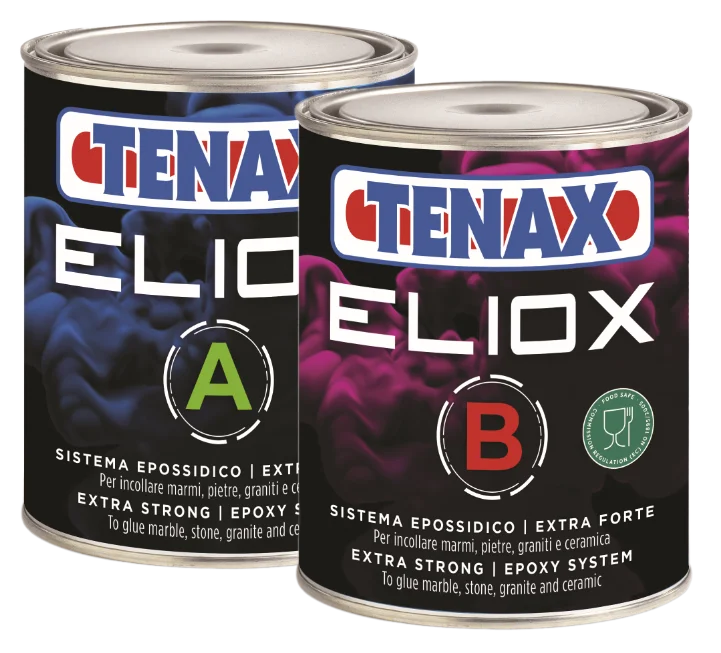
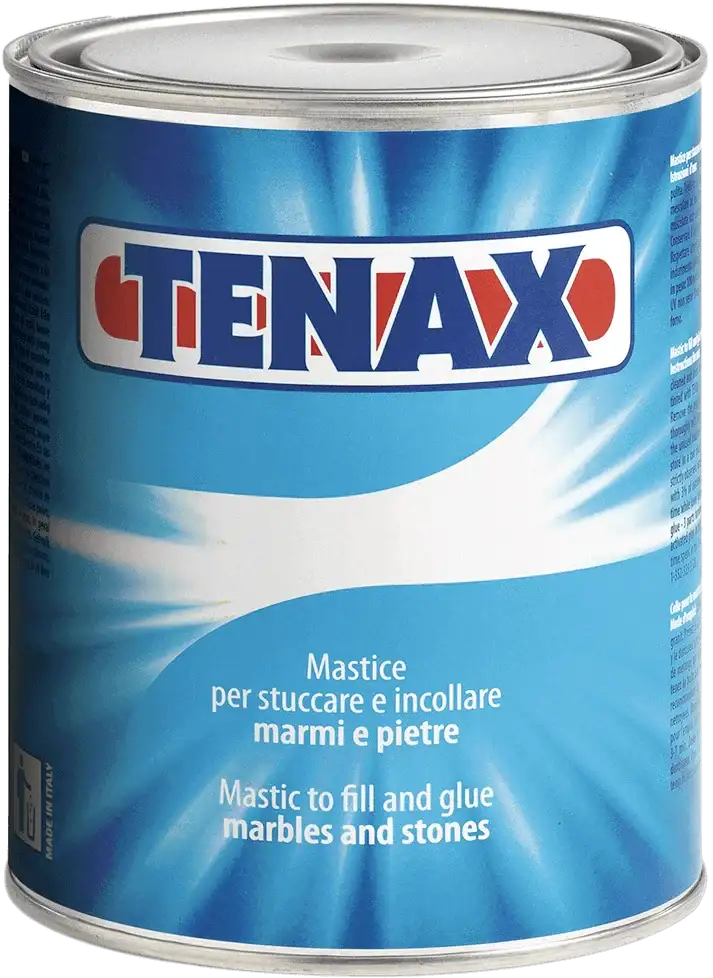
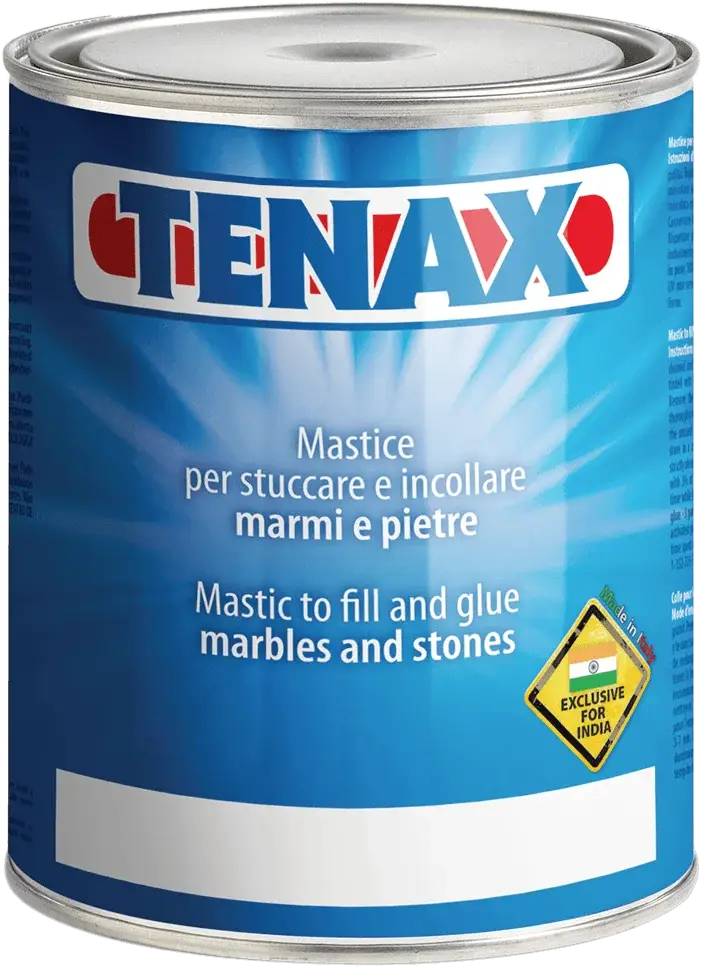
Post-installation care plays a crucial role in ensuring that marble vs tiles installations look their best over time. The Tenax range of products, for instance, can be used to polish marble surfaces, preserving their natural shine and enhancing the precision of the installation. When combined with the best tile adhesive, such finishing products elevate both the aesthetic appeal and the long-term performance of the material.
Lasting beauty starts with informed adhesive choices
The best tile adhesive is never one-size-fits-all. By recognising the fundamental differences between marble and tiles, architects can specify adhesives that respect the material’s properties while delivering durability, aesthetics, and long-term peace of mind. With Roff’s expertise and the best adhesives in India for tiles and marble, architects can deliver installations that combine technical precision, long-lasting strength, and enduring beauty.