Check out the biggest trends of the season and our expert take on them.
Marble cleaning liquid vs regular floor cleaners: Which one to pick?
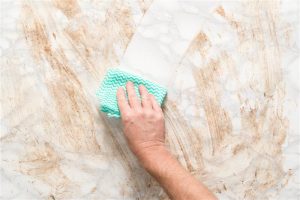
Marble adds timeless charm and elegance to any home, but maintaining its natural beauty requires more than regular cleaning. Marble and other natural stones are porous and delicate. Using harsh chemicals or improper cleaning methods can gradually damage the surface. Even minor mistakes in everyday care can result in dull patches, stains, or etching that take away from its polished look. This is why using specialisedmarble cleaning liquid is so important. It is carefully formulated to clean effectively while ensuring long-lasting care.
Why does marble need special care?
Marble is porous and sensitive to acidic or harsh chemicals. Most regular floor cleaners are designed for tougher and non-porous surfaces. While they may clean effectively, the chemical composition of marble cleanerscan, in general, slowly strip away marble’s natural shine.
The damage may not be visible immediately, but repeated use can cause:
Loss of shine
Dull or cloudy patches
Discolouration
Surface marks
This is especially evident with white marble, which tends to show more imperfections. Using a marble cleaning solution helps preserve brightness and prevent yellowing or patchiness.
What makes marble cleaning liquids different?
A dedicated marble cleaning liquid is formulated specifically for natural stone. It cleans dirt and stains without affecting the surface finish or reacting with the stone’s minerals.
Compared to regular cleaners, a quality marble and stone cleaner offers:
Gentle, pH-balanced formulation
Better shine retention
Reduced risk of surface damage
Safer long-term maintenance
Today, you’ll find several options on the market for marble cleaning liquid, designed for Indian homes where dust, humidity, and frequent mopping are common.
Difference between marble cleaning liquid & regular floor cleaner:
Factor
Marble Cleaning Liquid
Regular Floor Cleaner
Surface Safety
Designed for marble
Maybe too harsh
Shine Retention
Maintains natural gloss
Can cause dullness
Long-Term Use
Safe for daily cleaning
Risk of gradual damage
Maintenance Cost
Reduces polishing needs
May increase repair costs
Actionable tips to get better results from marble cleaning liquids
Dilute the marble cleaner as instructed on the label.
Use a soft mop or microfiber cloth.
Avoid excessive water while mopping.
Clean 2–3 times a week for regular households.
Wipe spills immediately to prevent staining.
Key takeaway
Regular floor cleaners may seem convenient, but they can slowly damage marble surfaces. Investing in purpose-made marble cleaning liquid from the start helps maintain shine, reduces long-term repair costs, and keeps your marble floors looking appealing for years to come.Tenax’s Tuff Kleen Marble Cleaner is an all-in-one solution for your marble surface cleaning needs. Tuff Kleen prevents stains, while also securing your marble’s polish for years to come, ensuring that your maintenance is effective and protecting you from unnecessary renovation costs!
FAQs
1. Can I use regular floor cleaner on marble occasionally?
Occasional use may not show immediate damage, but repeated exposure to harsh chemicals can dull the surface over time.
2. Is a white marble cleaning liquid different from regular marble cleaners?
Yes. A white marble cleaning liquid is specifically designed to maintain brightness and prevent yellowing or discolouration on lighter marble surfaces.
3. How often should I use a marble cleaning liquid?
For most homes, cleaning marble floors 2–3 times a week with a diluted marble cleaning liquid is sufficient to maintain shine and hygiene.