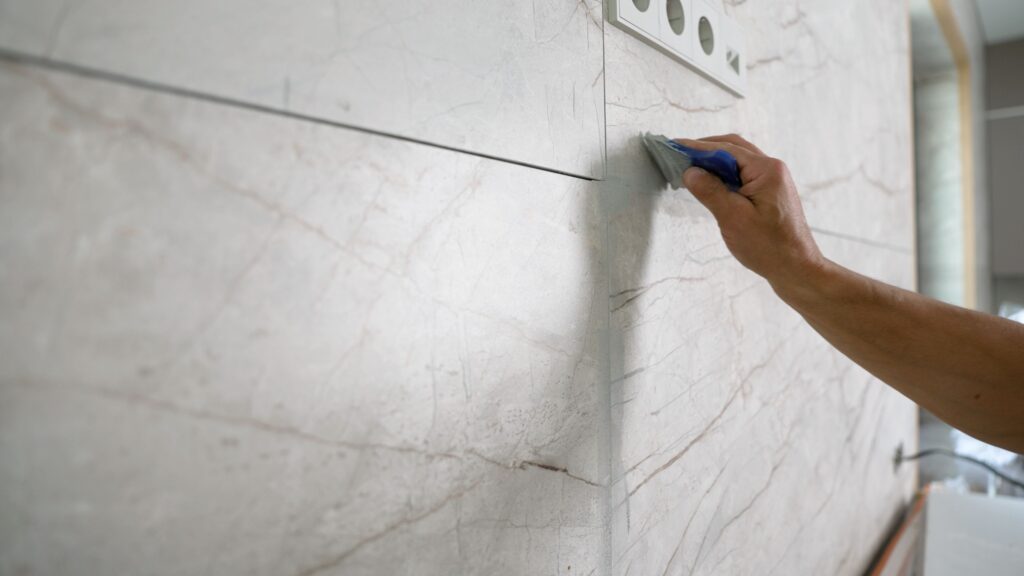
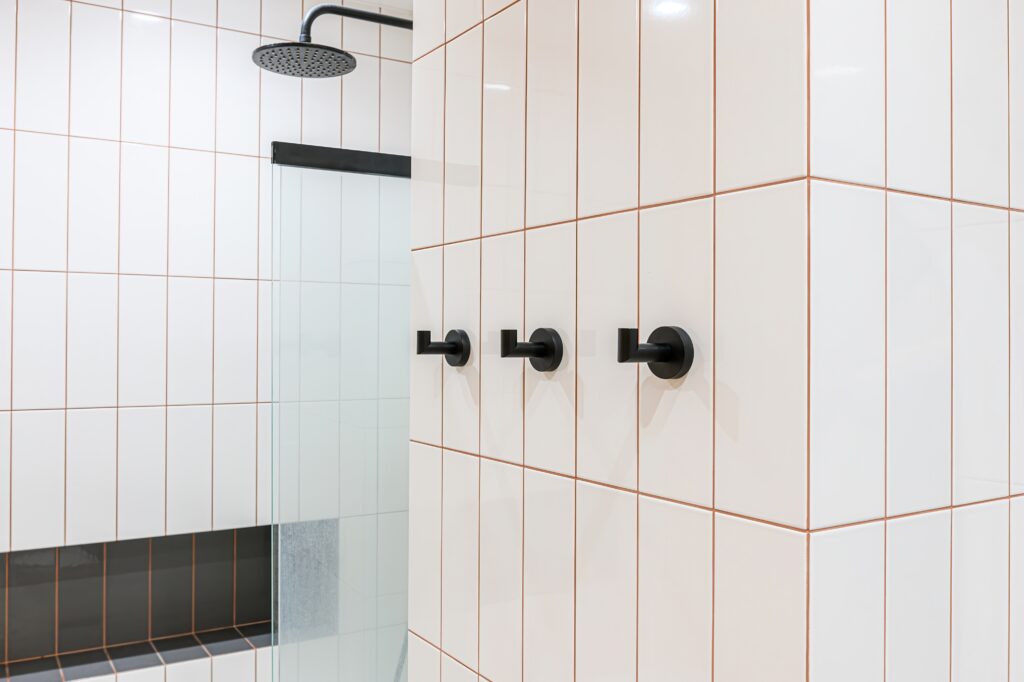
Skirting tiles protect the lower portion of walls from scuffs, cleaning water and everyday wear while creating a neat, finished transition between walls and floors.
Ceramic, vitrified, porcelain, and natural stone skirting tiles offer different benefits. Choose the material based on durability, moisture resistance, and maintenance needs.
Proper installation requires thorough surface preparation, a compatible tile adhesive, accurate cutting and consistent joints.
Regular cleaning, prompt stain removal, and periodic inspection of grout and sealant help maintain the appearance and durability of skirting tiles over time.
What Are Skirting Tiles?
Definition and Purpose
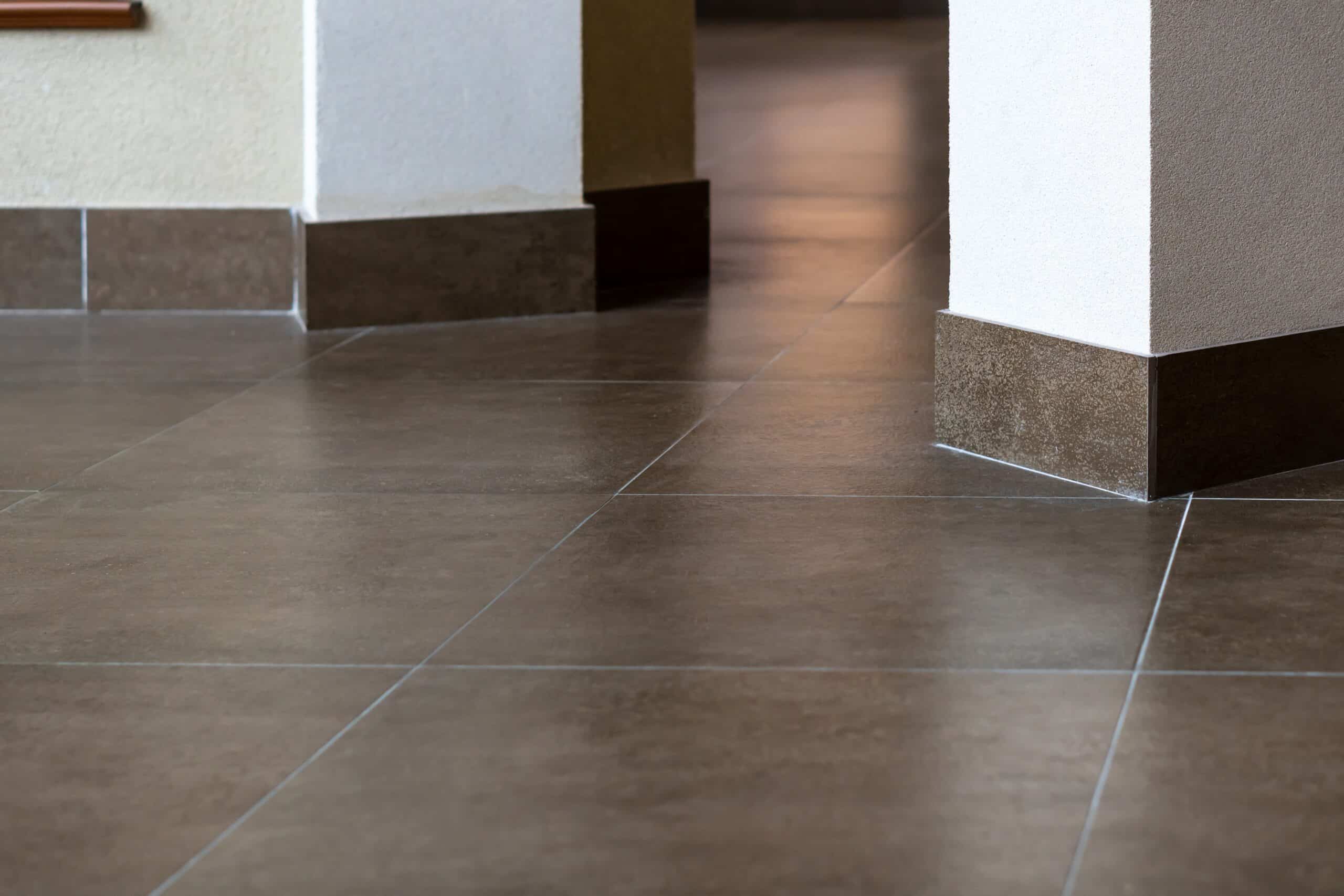
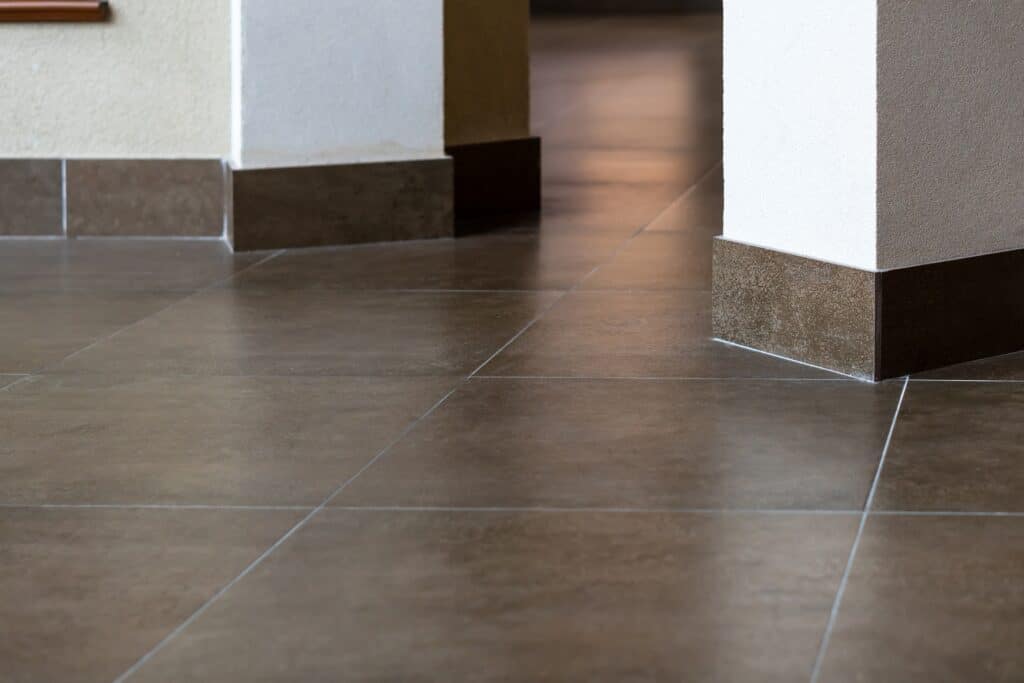
Skirting tiles are narrow tile pieces fixed along the bottom of a wall where it meets the floor. They cover the junction, protect the wall from scuffs and cleaning water, and create a finished edge that coordinates with the flooring.
Why Use Skirting Tiles Instead of Traditional Skirting Boards?
Tile skirting is easy to wipe and works particularly well in tiled rooms where mops, footwear and furniture may mark the lower wall.
Protection Against Wall Damage
A tiled strip helps shield paint and plaster from shoes, vacuum cleaners, furniture and routine mopping. It does not protect the wall from leaks behind the finish.
Moisture Resistance Benefits
Ceramic and vitrified surfaces are generally easy to wipe and tolerate damp cleaning. The wall-floor joint still needs suitable detailing; skirting alone does not waterproof a room.
Aesthetic Continuity with Tiled Floors
Matching skirting gives a continuous look, while a contrasting colour defines the room perimeter.
Types of Skirting Tiles by Material
Ceramic Skirting Tiles
Ceramic is practical for many homes and comes in a range of colours and finishes. Glazed ceramic is usually easier to wipe; unglazed options may need more care depending on porosity. Confirm that the product is suitable for the intended location.
Vitrified Skirting Tiles
Vitrified tiles have low water absorption and are commonly selected for durable, low-maintenance interiors. They work in homes and commercial spaces when they suit the expected traffic and cleaning routine.
Porcelain Skirting Tiles
Porcelain is dense and typically has low water absorption. It can be used indoors or outdoors when the manufacturer’s specifications allow it. Check that cut edges are finished neatly.
Natural Stone Skirting Tiles
Marble offers a refined appearance but may need sealing and careful cleaning. Granite is generally hard-wearing, while slate has a more textured look. Stone varies naturally, so follow stone-specific care instructions.
Purpose-Made Skirting Profiles vs Cut Floor Tiles
Purpose-made pieces may have finished edges or rounded profiles. Cut floor tiles can create a close match and be economical, but they require accurate cutting and edge finishing.
Skirting Tile Installation Guide
Surface Preparation Requirements
The wall base should be sound, clean, dry and sufficiently flat. Remove dust, grease, loose paint and weak plaster. If replacing timber skirting, remove fixings and repair the wall before tiling.
Selecting the Right Tile Adhesive for Skirting
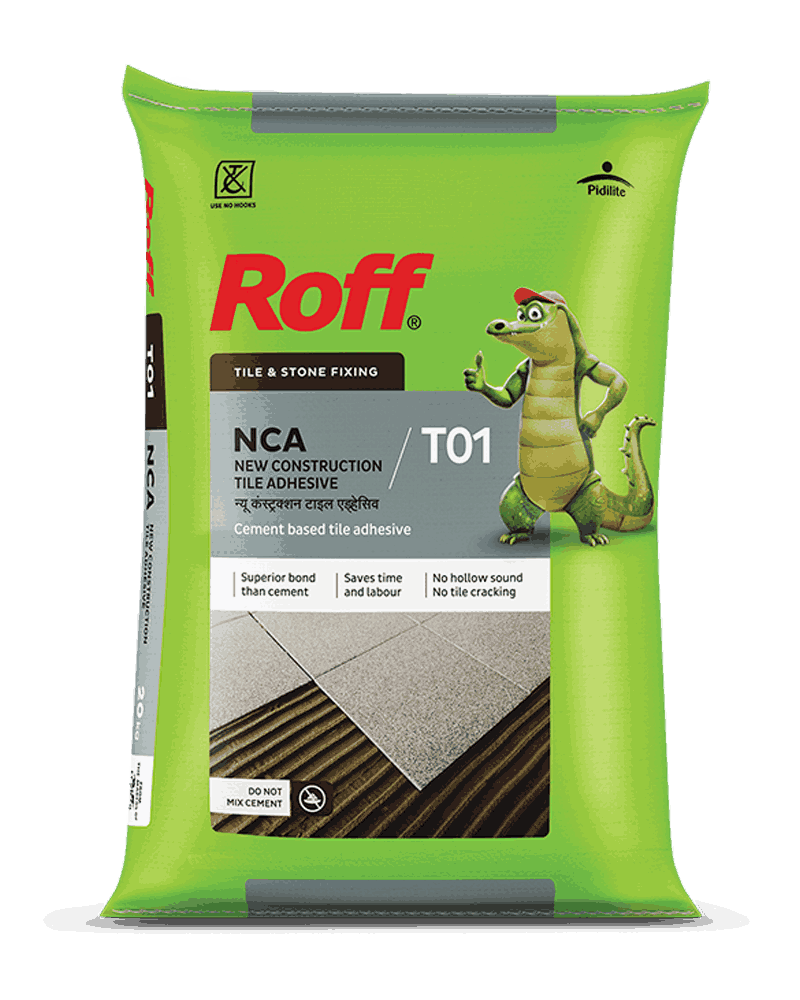
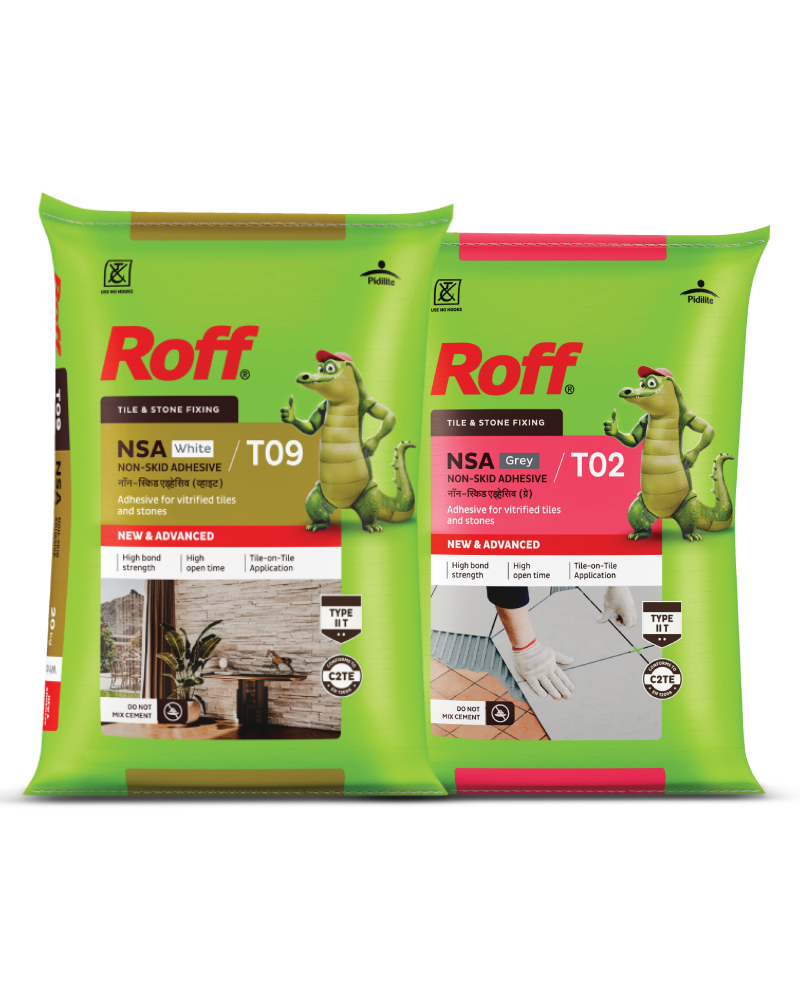
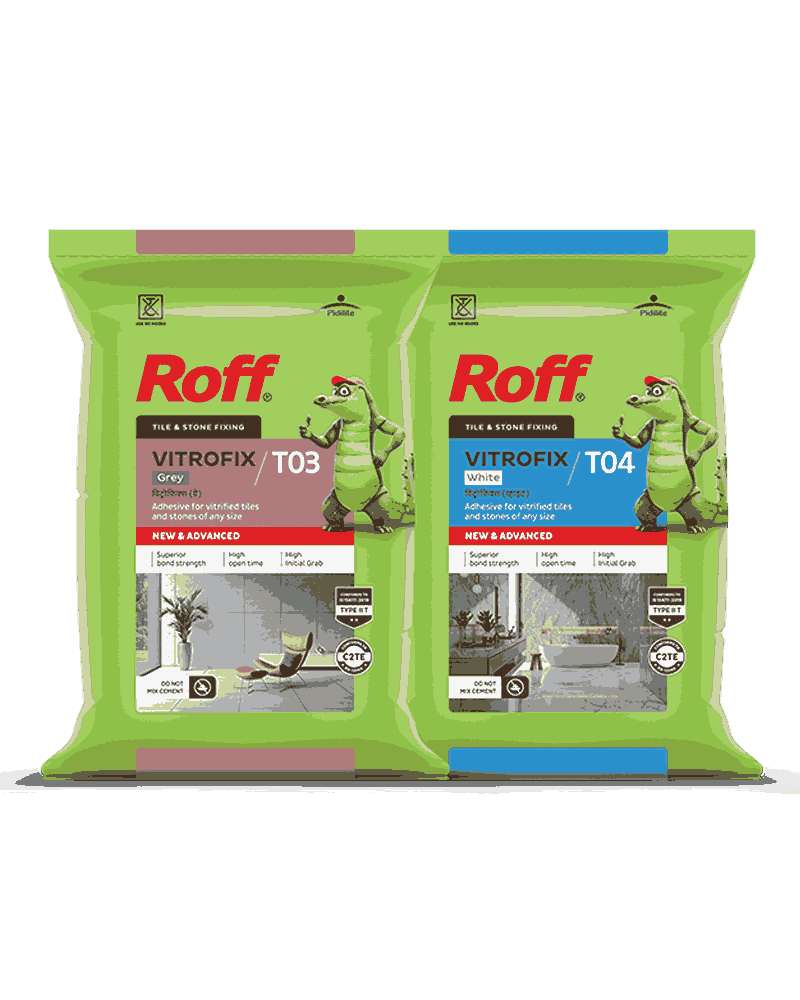
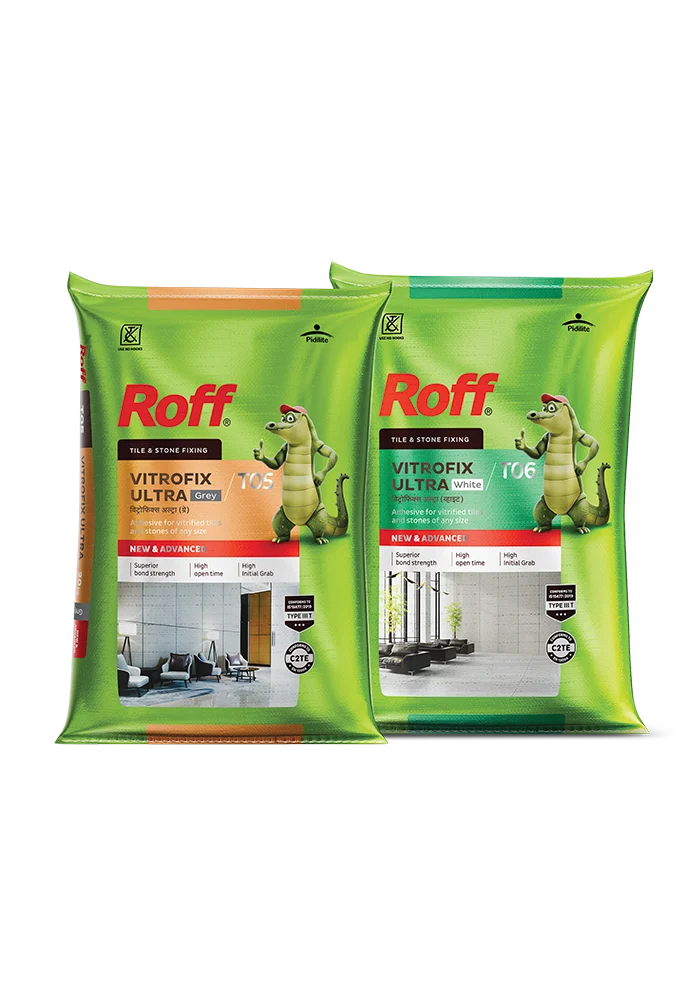
Select an adhesive compatible with tile material, substrate and site conditions. Cement-based products are common; ready-mixed products have limitations and should only be used where permitted. Flexible adhesive may be appropriate where movement or tile type calls for it. Use Roff’s guide to choosing the right tile adhesive.
Step-by-Step Installation Process
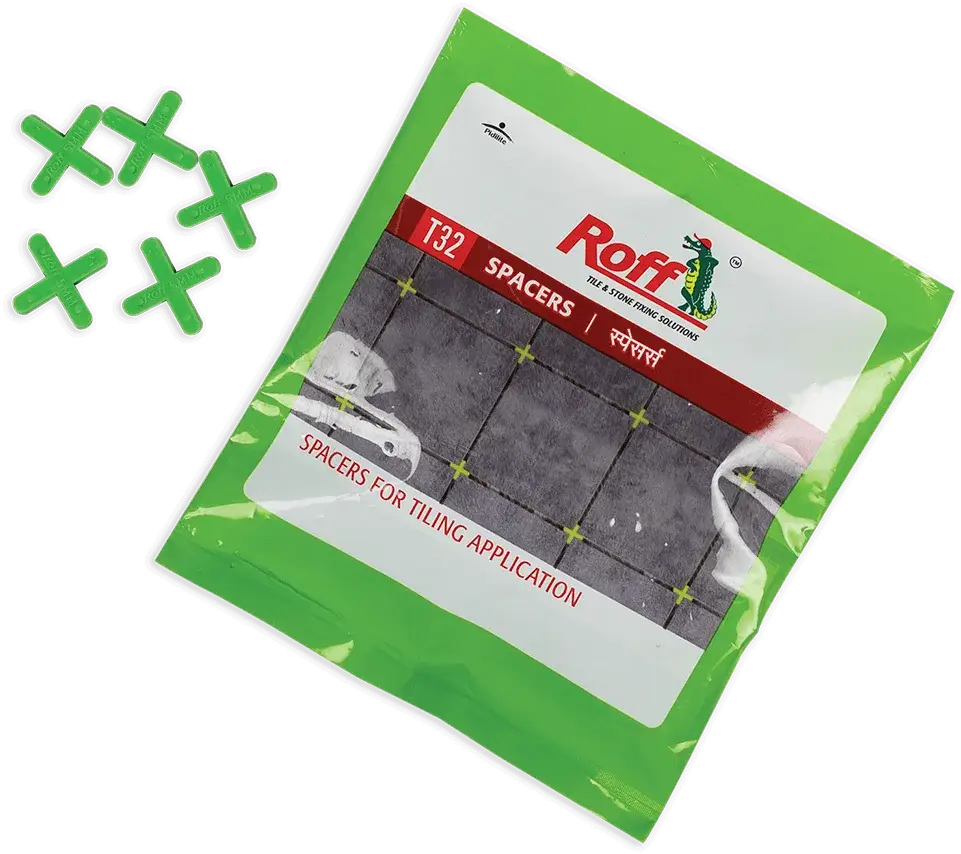
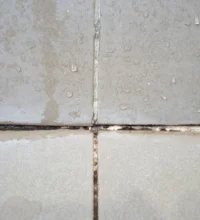
Measure the perimeter, calculate the pieces, and allow for cuts and waste. Leave enough space between the skirting tiles and the floor tiles, so that there is a wide enough joint for grout application. Without the correct spacing, it will be difficult to clean tiles, which can lead to blackening lines in the future.
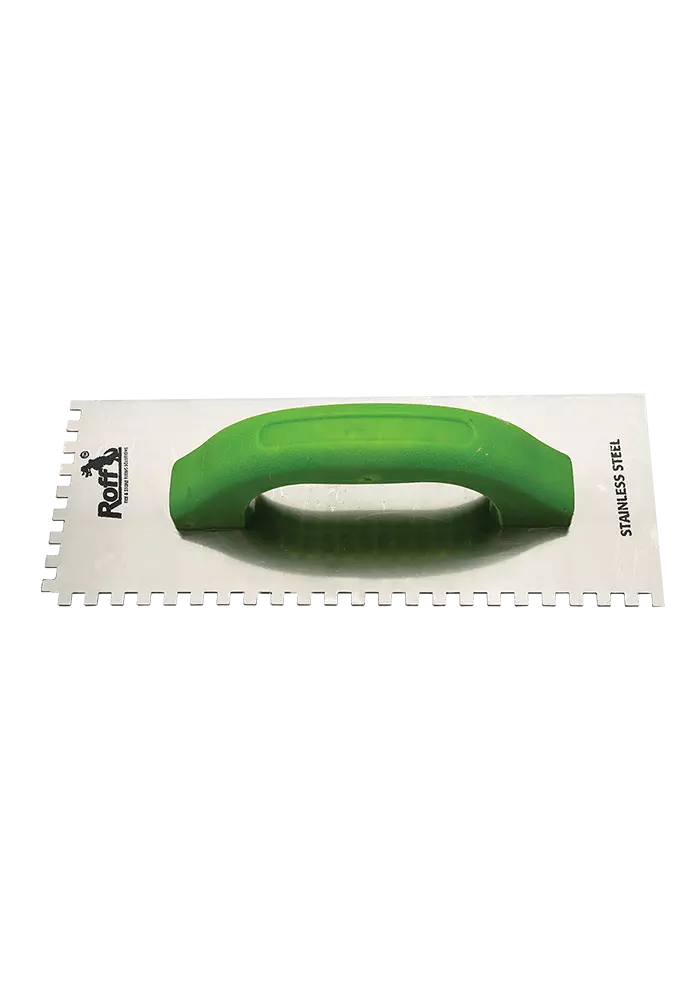
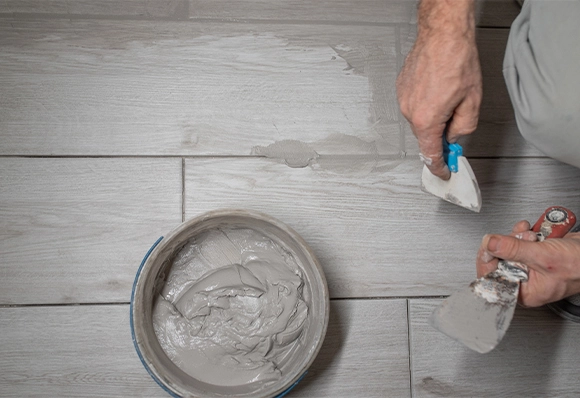
Dry-lay pieces to plan joints and corners. Cut carefully, spread adhesive over a manageable area using the recommended trowel, then press each piece into place. Check alignment and maintain consistent joints. Do not leave voids or allow adhesive to fill the joints. Calculate adhesive coverage before estimating quantities.
Grouting Skirting Tiles Properly
Allow adhesive to cure as directed before grouting. Choose a joint filler suitable for the joint width and tile type; see Roff’s list of tile joint fillers to find the right fit for your project. Preserve specified expansion gaps and choose a grout colour that matches/complements your tiles.
Sealing and Finishing
Most glazed ceramic and vitrified tiles do not need surface sealing, but natural stone and some grout products may. Follow product instructions. Apply sealant/grout neatly at the base where specified and remove residue before it cures.
Common Skirting Tile Installation Mistakes to Avoid
Not Leaving Space Between Floor Tiles and Skirting Tiles
Without enough space, the gap between tiles is too small for proper grout application. This means that there is very little flexibility between your floor and skirting tiles, which can lead to debonding of the tiles over time. The space between skirting and floor tiles can also accumulate dust and lead to blackening of the grout lines, which is why adequate space is a must for long-lasting skirting tiles.
Using Rigid Grout Instead of Flexible Sealant at Floor Junction
An unsuitable adhesive can lead to poor bonding. Check tile type, substrate and exposure before buying.
Poor Corner Cutting and Mitring
Rough cuts are visible at corners. Measure both sides, use a suitable cutter and finish exposed edges with a compatible profile.
Inadequate Surface Preparation
Dust, loose paint and uneven plaster compromise adhesion. Prepare and repair the wall before fixing tiles.
Ignoring Expansion Gaps
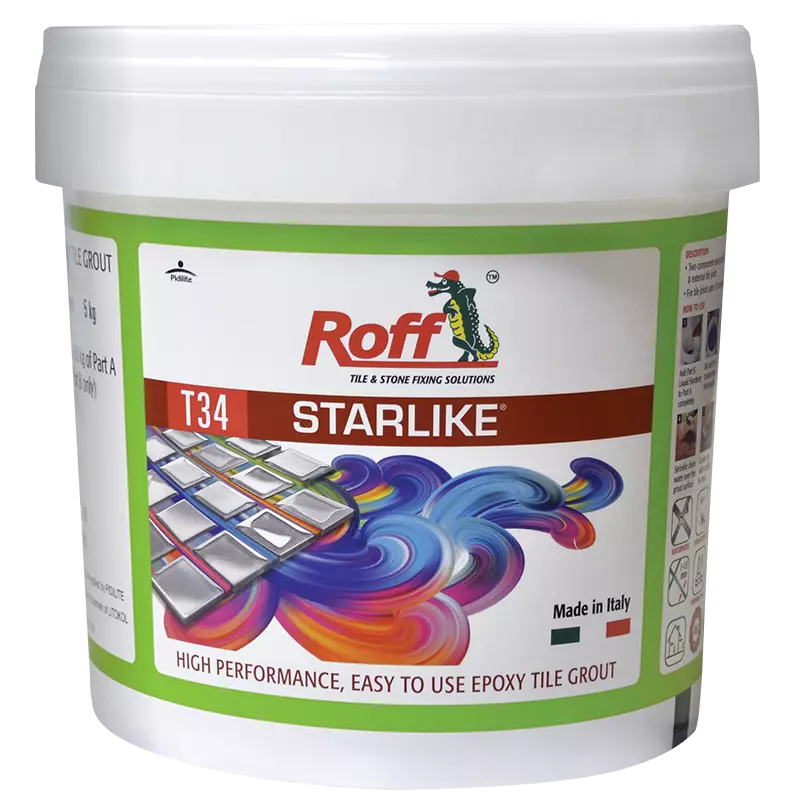
Do not bridge movement joints or pack the floor-wall junction with rigid material. Use a flexible grout like Roff Starlike and follow proper tile gap-filling techniques during installation.
Maintenance and Cleaning of Skirting Tiles
Daily and Weekly Cleaning Routines
Wipe dirt with a soft cloth or mop and a cleaner approved for the tile. Avoid abrasive pads that may scratch polished surfaces.
Dealing with Grout Discolouration
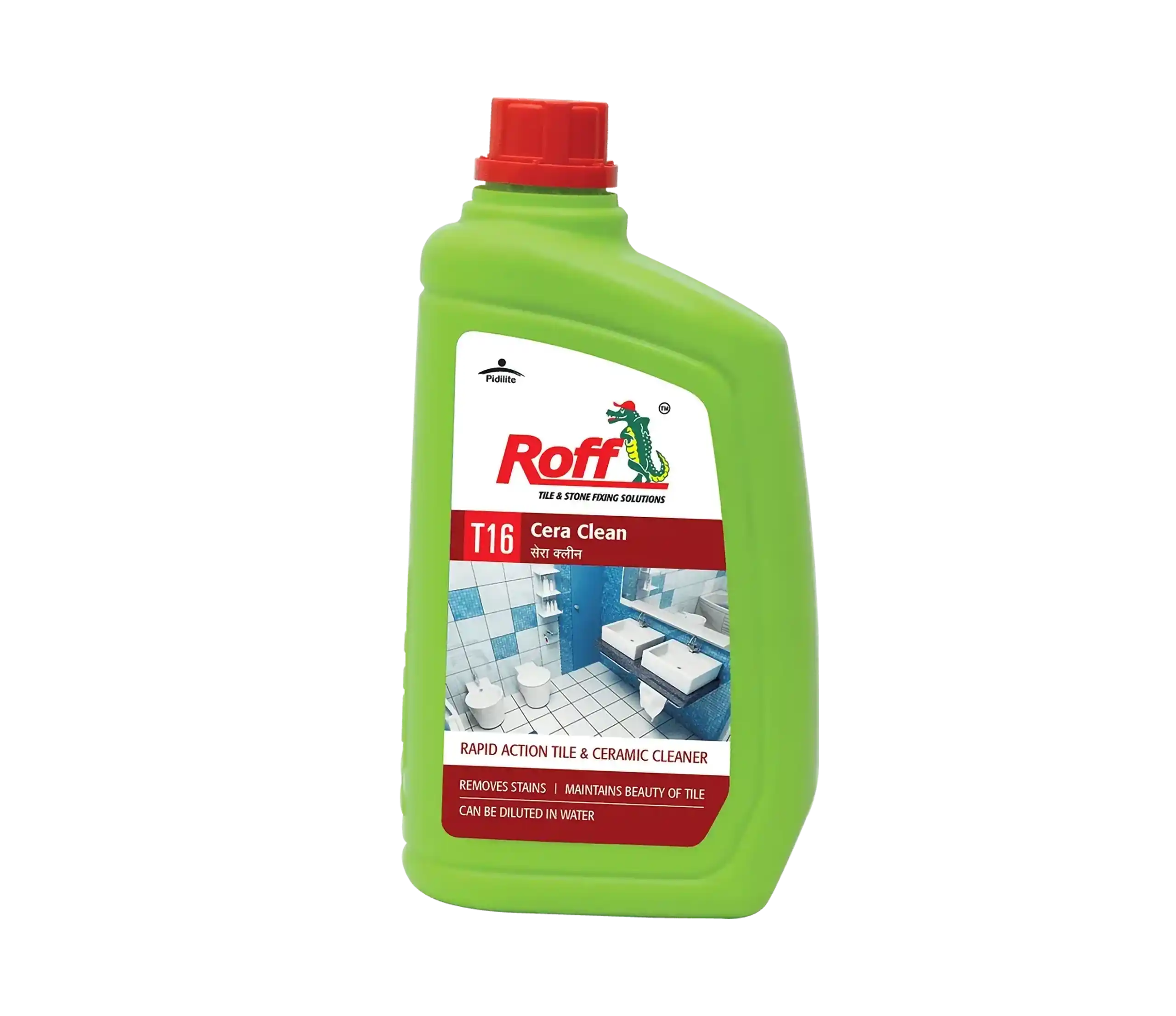
Clean grout with a product suitable for its type and follow dilution instructions. Avoid harsh acids unless the manufacturer permits them. See Roff’s guide to preventing grout discolouration.
Preventing and Removing Stains
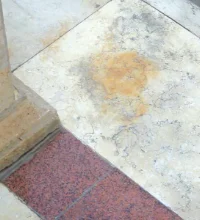
Wipe spills promptly, especially on natural stone. Test cleaners in an inconspicuous spot and never use acidic products on acid-sensitive stone.
Long-Term Sealant Maintenance
Inspect silicone for gaps, peeling or mould. Remove failed sealant and replace it with a compatible product after the joint is clean and dry.
Conclusion
Choose skirting tiles by balancing material, height, room conditions and design. A well-prepared wall, compatible adhesive, consistent joints and correctly detailed floor junction help produce a durable finish. Follow product instructions for installation and maintenance to ensure long-term performance.
Frequently asked questions (FAQs)
1) What is the standard height for skirting tiles?
A common range is about 70–150 mm. Choose a height that suits the room, floor tile size and project specification.
2) Can I use regular floor tiles as skirting tiles?
Yes, floor tiles can be cut into strips, provided the cut edges are finished neatly, and the tile is suitable for the location.
3) Should I use grout or silicone where skirting tiles meet the floor?
Use the joint detail specified for the system. A flexible sealant is commonly used where movement is expected; rigid grout may crack.
4) What type of adhesive should I use for skirting tiles?
Choose an adhesive compatible with the tile, substrate and exposure, following the manufacturer’s guidance.
5) Are skirting tiles better than timber skirting boards?
They are often easier to clean in tiled, damp-prone rooms, while timber offers a different appearance and may be easier to repaint.
6) How do I cut skirting tiles for corners?
Measure carefully and use a suitable tile cutter or wet saw. Finish exposed edges with an appropriate profile.
7) Do skirting tiles need to be sealed?
Glazed ceramic and vitrified tiles usually do not need sealing; natural stone and some grouts may need it.
8) Can skirting tiles be used outdoors?
Yes, if the tile, adhesive and jointing products are rated for the outdoor conditions.