Check out the biggest trends of the season and our expert take on them.
Think Jointless Tiles Are Better? Here’s Why Proper Tile Gap Fillings Matter
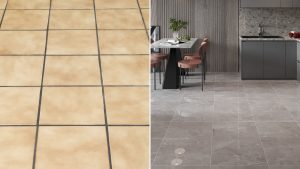
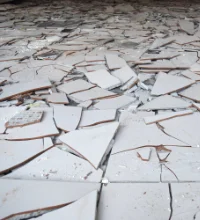
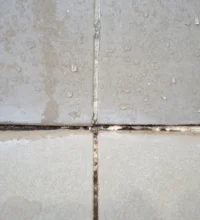
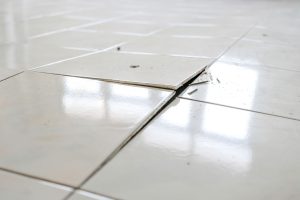
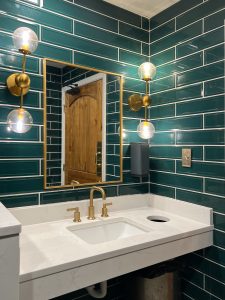
Jointless tiles seem like a dream at the start. No grout lines, no visible gaps, just a clean, seamless floor. But the downside of jointless tiles is that they will eventually lead to the blackening of tiles, which ends up hurting your home’s aesthetics in the long run.
When you look beyond aesthetics, tile gap filling plays a far more critical role in durability and performance. By not leaving adequate joints and filling them with grout,you will inadvertently facelong-term damage to your tiles that will be highly expensive to fix.
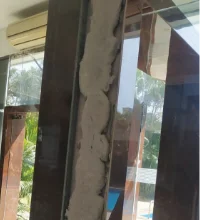
It also restricts natural movement caused by temperature changes and structural settling, increasing stress on tiles. Additionally, without proper joints, installation tolerances become harder to manage, often resulting in alignment issues and premature failure.
Here is what proper tile gap filling actually does for your home.
1. Why do tiles need space for movement?
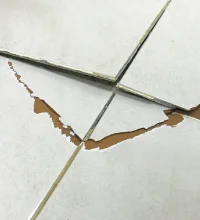
Tiles expand and contract with temperature changes. Without gaps, pressure builds up. This leads to cracks. Proper tile gap filling allows movement and protects the surface, especially in areas exposed to frequent temperature fluctuations and heavy use.
2. Prevent lippage and uneven edges
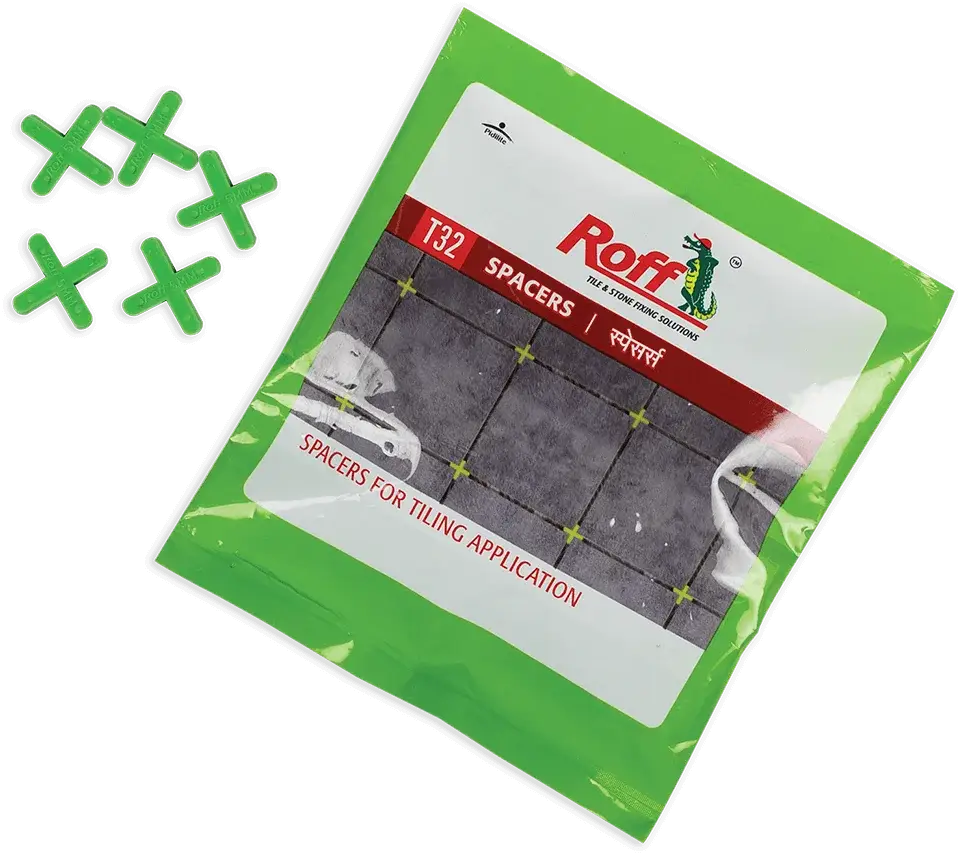
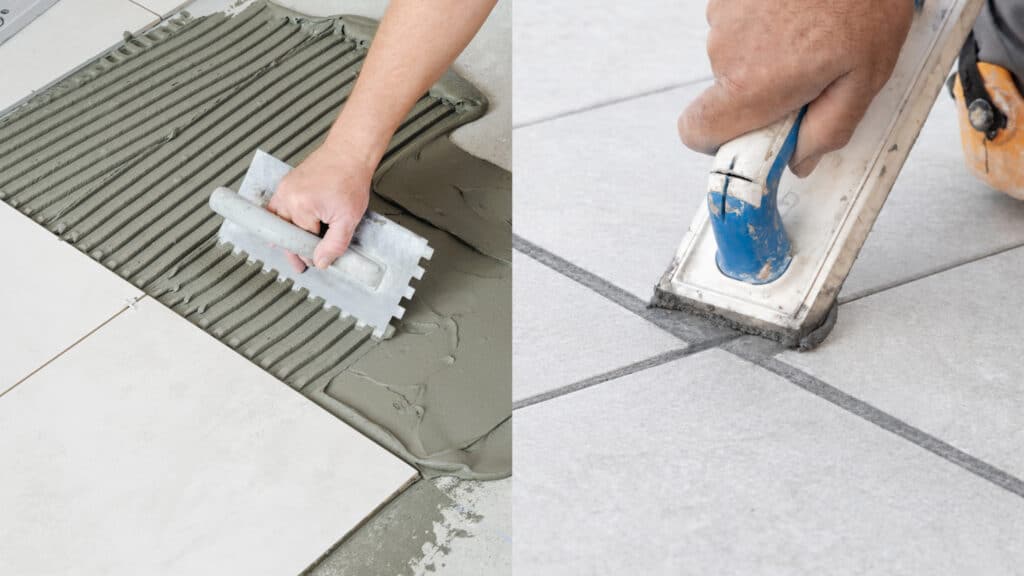
Even well-manufactured tiles have slight size variations. Without spacing, edges may not align perfectly. This causes lippage. Using a tile gap filler ensures uniform joints and a level finish, enhancing both visual consistency and walking comfort across the surface.
3. How do tile gap fillers enhance the overall finish?
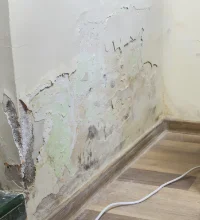
Filling gaps with the right material prevents water seepage. Areas like kitchens and bathrooms need a bathroom tiles gap filler that resists moisture. A waterproof tile gap filler helps avoid staining and long-term damage. This further helps reduce the risk of mould growth and internal surface deterioration.
4. Easier maintenance and hygiene
Jointless tiles trap dirt along edges. Cleaning becomes difficult. Properly filled joints with a gap filler for tiles create defined lines that are easier to maintain. Modern tiles gap filler waterproof solutions also resist grime build-up, which makes routine cleaning quicker, more effective, and less labour-intensive.
5. How do tile gap fillers simplify repairs?
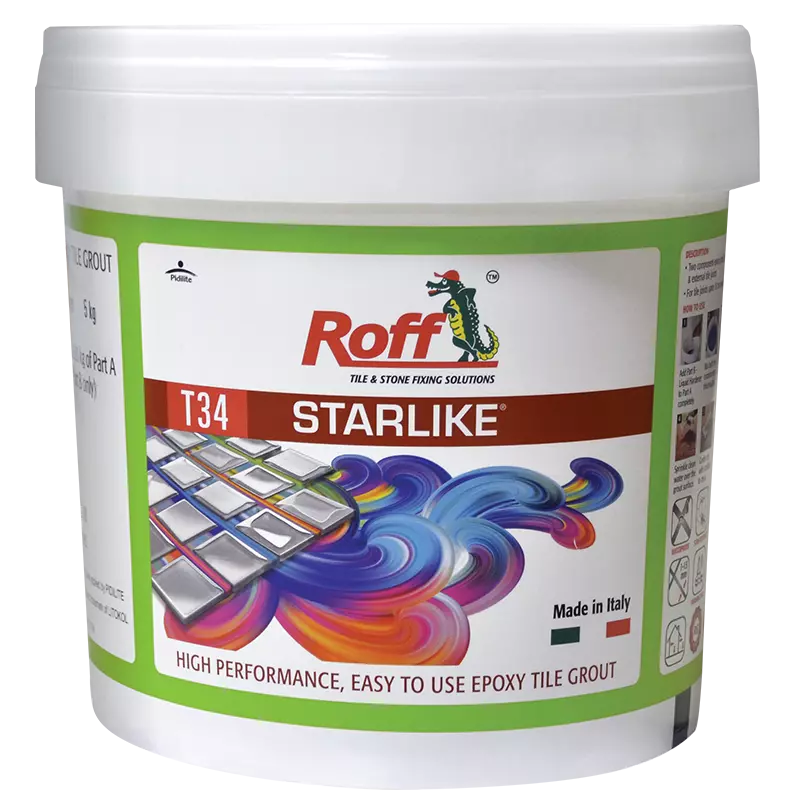
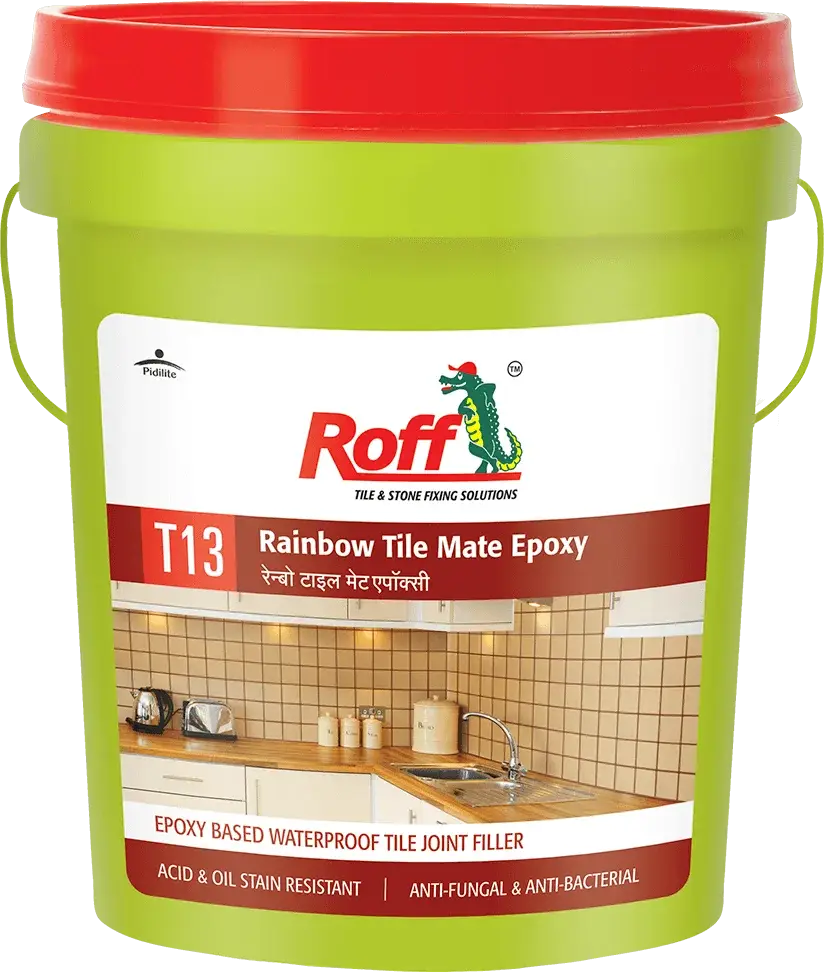
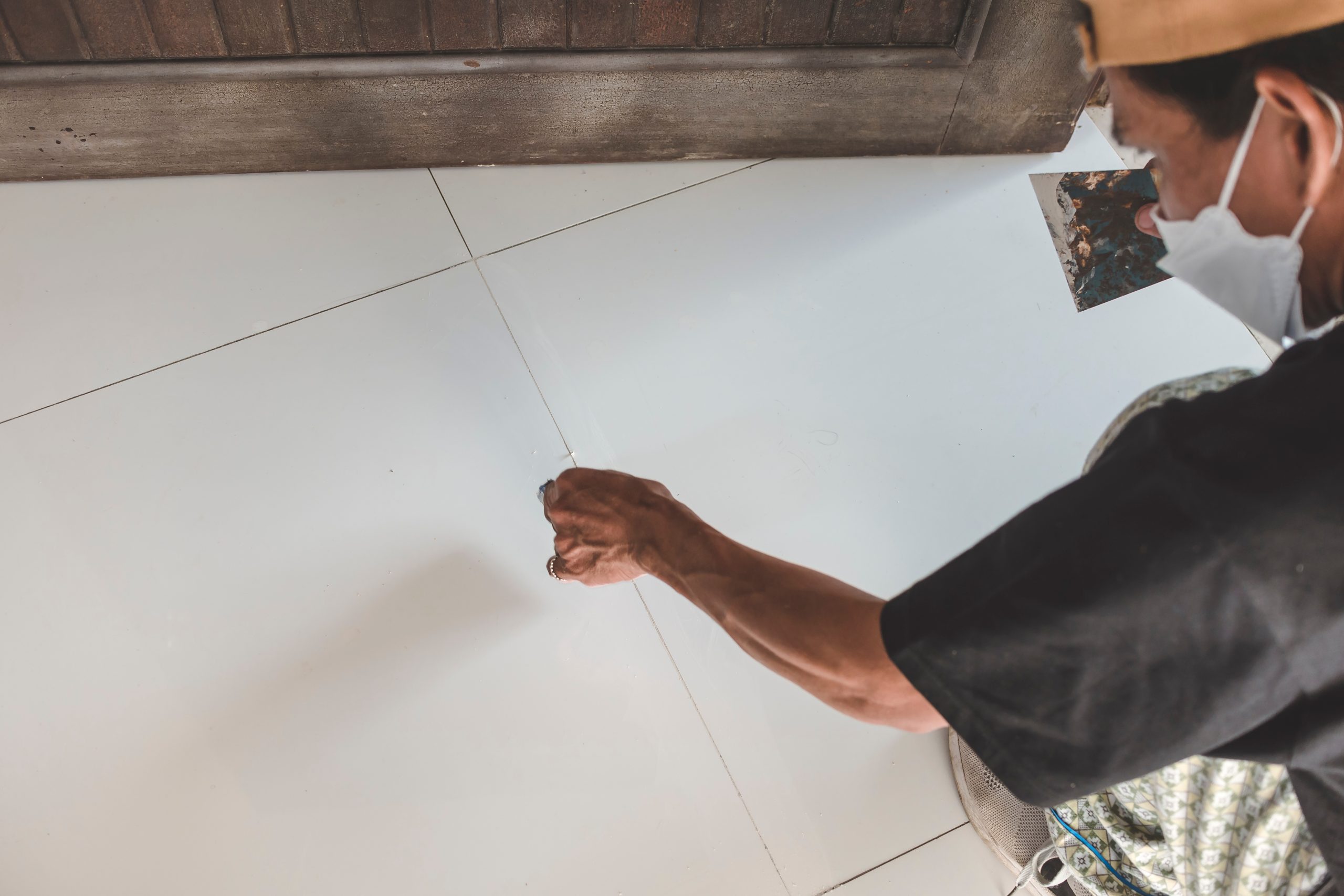
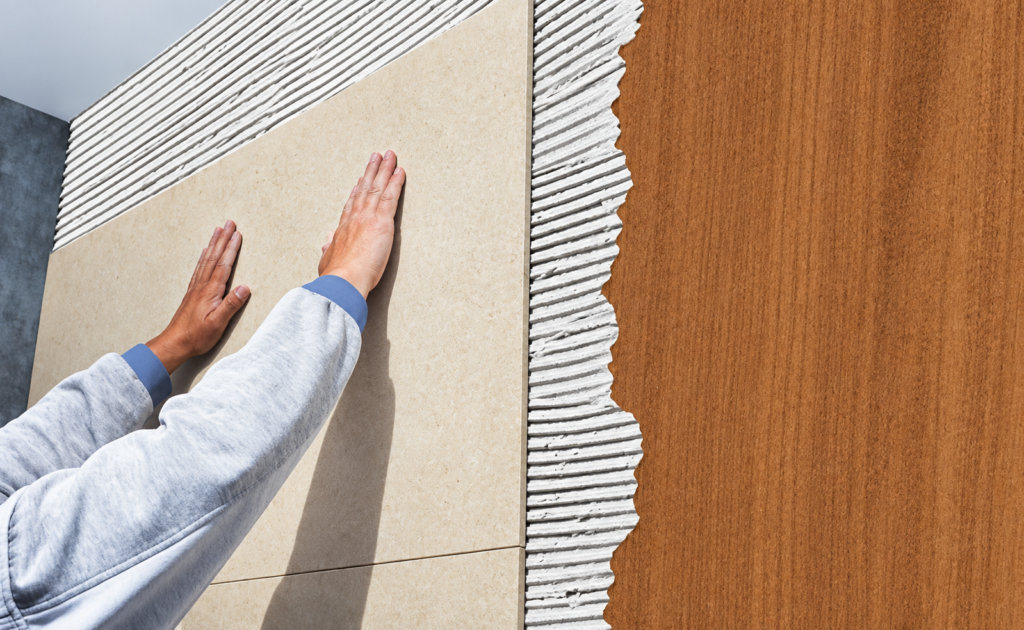
If a tile cracks in a jointless layout, replacement is difficult. Often, multiple tiles must be removed. With proper tile gap filling, individual tiles can be replaced easily. Using an advancedepoxy grouting material like Roff Starlike ensures strong bonding and durability. It also offers a sleek finish through epoxy filling between tiles without compromising the design.
Final Thoughts
Jointless tiles may look minimal, but they ignore essential technical needs. Proper tile gap filling supports movement, prevents damage, and improves hygiene. With solutions likeRoff Starlike Epoxy Grout, you achieve a refined look along with strength and long-term reliability. The right tile gap filler ensures your design stays flawless, not just today, but for years to come.
Frequently asked questions (FAQs)
1. How wide should tile gaps ideally be?
For most floor tiles, a gap of two to three millimetres works well. Larger-format tiles may require up to 5 millimetres to accommodate movement and dimensional variation.
2. Can I use tile gap filler over old, cracked grout?
No. Remove old or damaged grout fully before applying a fresh tile gap filler. Applying over damaged grout weakens adhesion and leads to early failure.
3. Is epoxy grouting material suitable for all tile types?
Epoxy grouting material works on most tile types, including ceramic, porcelain, and natural stone. Always check manufacturer guidelines for compatibility before application.
4. What is the best tile gap filler for high-traffic areas?
Epoxy-based fillers are ideal as they are highly durable, stain-resistant, and can withstand heavy foot traffic.
5. How long does tile gap filler take to cure completely?
Most tile gap fillers take 24 to 48 hours to cure, depending on the material and environmental conditions.