Check out the biggest trends of the season and our expert take on them.
Epoxy Resin Price Per Kg: What Affects the Cost & How to Choose
If you’re planning a construction, renovation, stone repair, or surface restoration project, knowledge of the epoxy resin price per kg can help you budget better and choose the right product. However, price alone doesn’t tell the complete story. The type of epoxy, its formulation, quality, performance, and intended application all influence what you pay.
Before comparing products, you must know what drives their prices. In this guide, let’s look at the current price of epoxy resin, the factors that influence pricing, ways to estimate your project cost, and tips for choosing an epoxy resin that offers long-term value.
Current Epoxy Resin Prices
The epoxy resin price can range from ₹400 to ₹1,000 per kilogram, depending on several factors.
For standard epoxy tile grout and general-purpose resin, you can expect to pay around ₹500 to ₹700 per kg. However, speciality formulations with UV resistance, food-safe certifications, or advanced features like low-VOC composition can sometimes reach ₹2,500 to ₹3,500 per kg.
What is Epoxy Resin, and Why Does Pricing Vary?
Before we look at the numbers, let’s first understand what epoxy resin is.
Epoxy resin is a two-part adhesive system consisting of a resin (Part A) and a hardener (Part B). When mixed in the correct ratio, they create a durable bond resistant to moisture, chemicals, and wear. Its unique properties make it a go-to solution for creating waterproof tile joints in bathrooms, repairing chips in marble countertops, and casting durable, high-clarity river tables.
Understanding Epoxy Resin Composition
Epoxy resin price per kg varies because each formulation is a unique chemical system; for instance, a resin for a commercial kitchen floor needs costly additives for high chemical and thermal resistance that a simple craft resin does not.
Resin and Hardener Components
At its core, an epoxy system is a chemical reaction between a resin base (Part A) and a hardener (Part B); for applications like grouting, a filler (Part C) is often added to provide colour and texture.
Different Formulation Types and Their Cost Impact
Formulations with modified amine hardeners or pre-blended quartz fillers command a premium because they deliver distinct benefits like non-sagging consistency on vertical walls and easy water cleanup during application.
Quality Grades and Their Price Points
Professional-grade epoxy resins are formulated for superior performance, often featuring greater compressive strength and resistance compared to common household chemicals, ensuring a longer service life in demanding environments like kitchens and garages.
Key Factors That Affect Epoxy Resin Price Per Kg
The following factors determine the epoxy resin price per kg in the market:
Raw Material Costs and Supply Chain Dynamics
The price of key raw materials, like resin and quartz, can fluctuate with global oil prices, directly impacting the final epoxy resin cost you see on the shelf. Global supply chains, transportation expenses, and manufacturing costs all influence the final price of epoxy resin.
Order Volume and Bulk Purchase Benefits
Packaging size affects the pricing as follows:
Small Quantity (1-5 kg) Pricing
Smaller packs are suitable for home repairs, countertop repairs, stone restoration, and decorative work. Although the epoxy resin price per kg is usually higher in small packs, they minimise product wastage.
Medium Bulk (10-50 kg) Pricing
Contractors often prefer medium-sized packs, as they provide a better balance between epoxy resin cost per kg and quantity.
Industrial Bulk (100+ kg) Pricing
Large commercial projects purchase materials in bulk. Higher order quantities reduce the epoxy resin price per kg, which can make large-scale projects more economical.
Resin Formulation and Special Features
Advanced features like the ones mentioned also influence the epoxy resin cost:
UV Resistance and Clarity
Some epoxy resins are designed to maintain clarity and resist yellowing when exposed to light. These specialised formulations usually cost more.
Fast-Cure vs Standard Cure Systems
Fast-curing epoxy allows projects to be completed sooner but may carry a premium price compared to standard curing products.
Low-VOC and Food-Safe Certifications
Low-VOC epoxy products improve indoor air quality during application. Products intended for hygienic environments or specialised applications may also require additional certifications, which can increase the price of epoxy resin per kg.
Types of Epoxy Resin and Their Price Ranges
The market offers distinct types, each with a different epoxy resin cost:
Industrial and Construction-Grade Epoxy
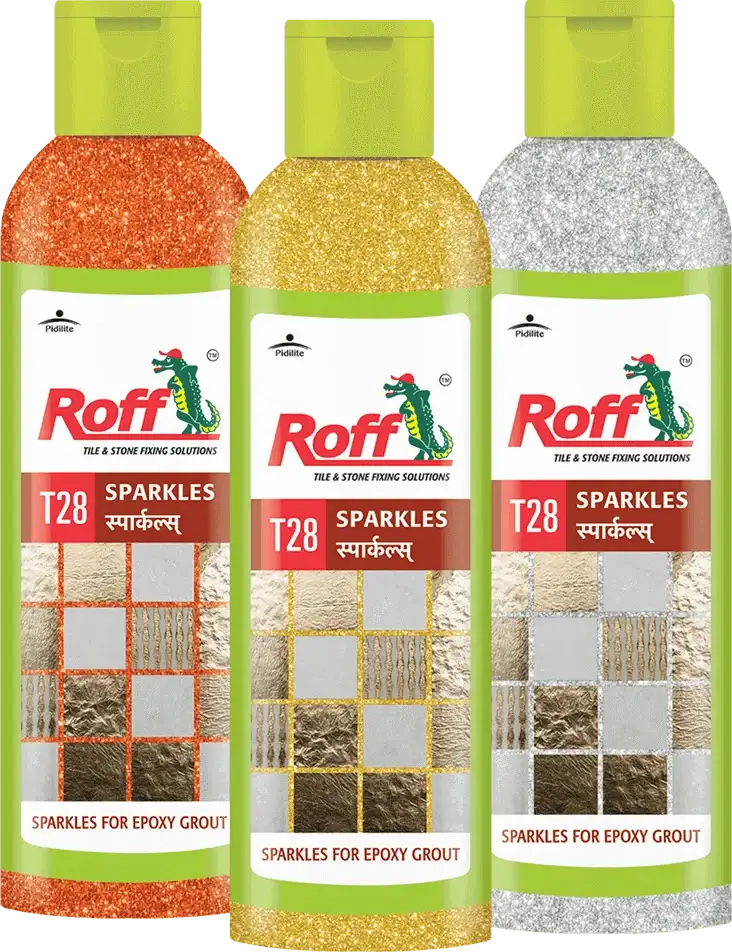
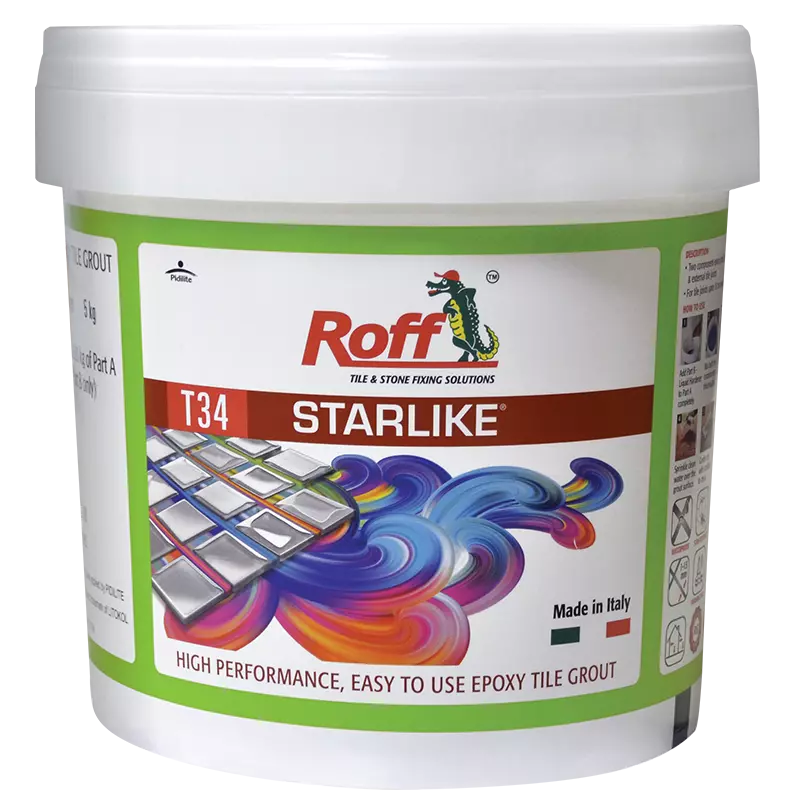
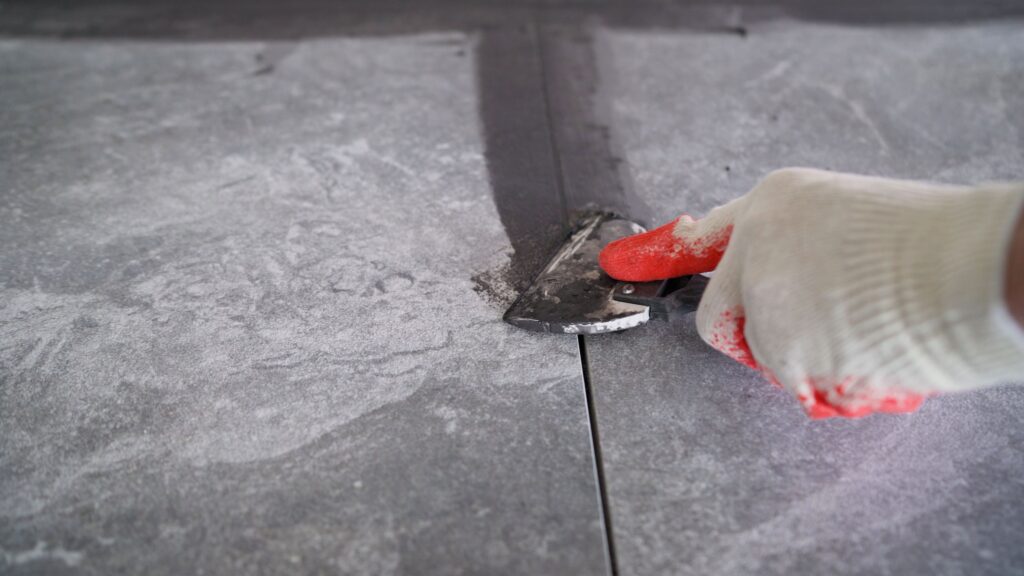
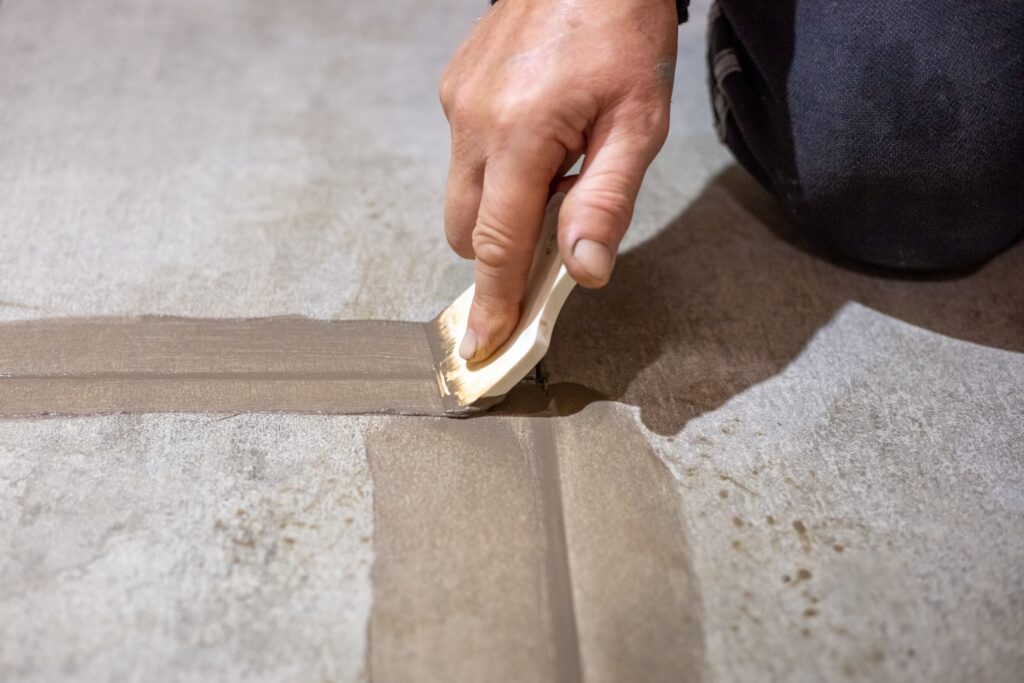
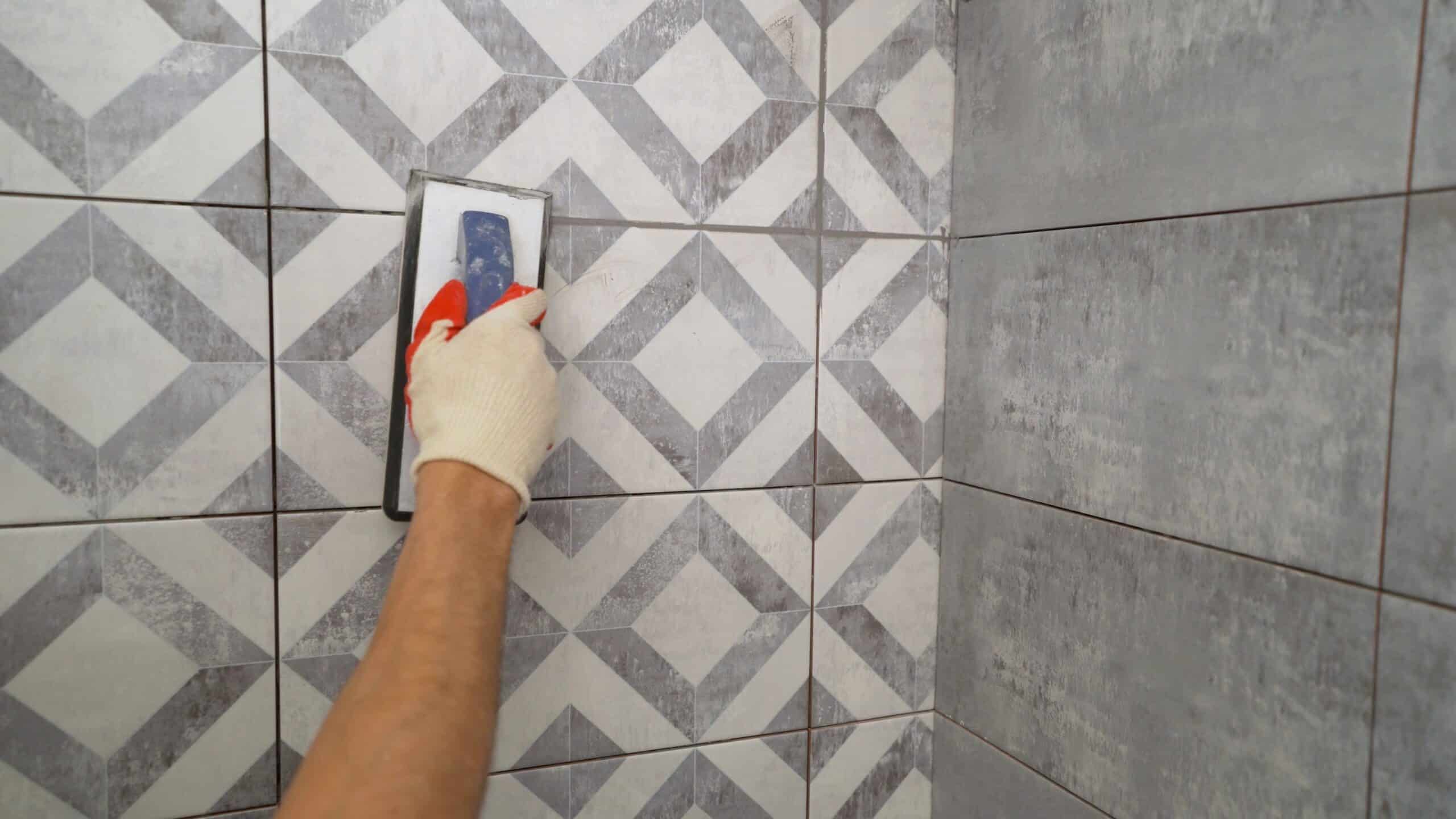
Industrial and construction-grade epoxy resins are designed for high strength, durability, and resistance to moisture and chemicals. For example, Roff Starlike Grout is a two-component epoxy tile joint filler that provides waterproof, crack-free, stain-free, and chemical-resistant joints for ceramic tiles, vitrified tiles, natural stone, and glass mosaics.
Products with these performance features may have a higher epoxy resin price per kg, but they offer better long-term value.
Stone Filling Epoxy
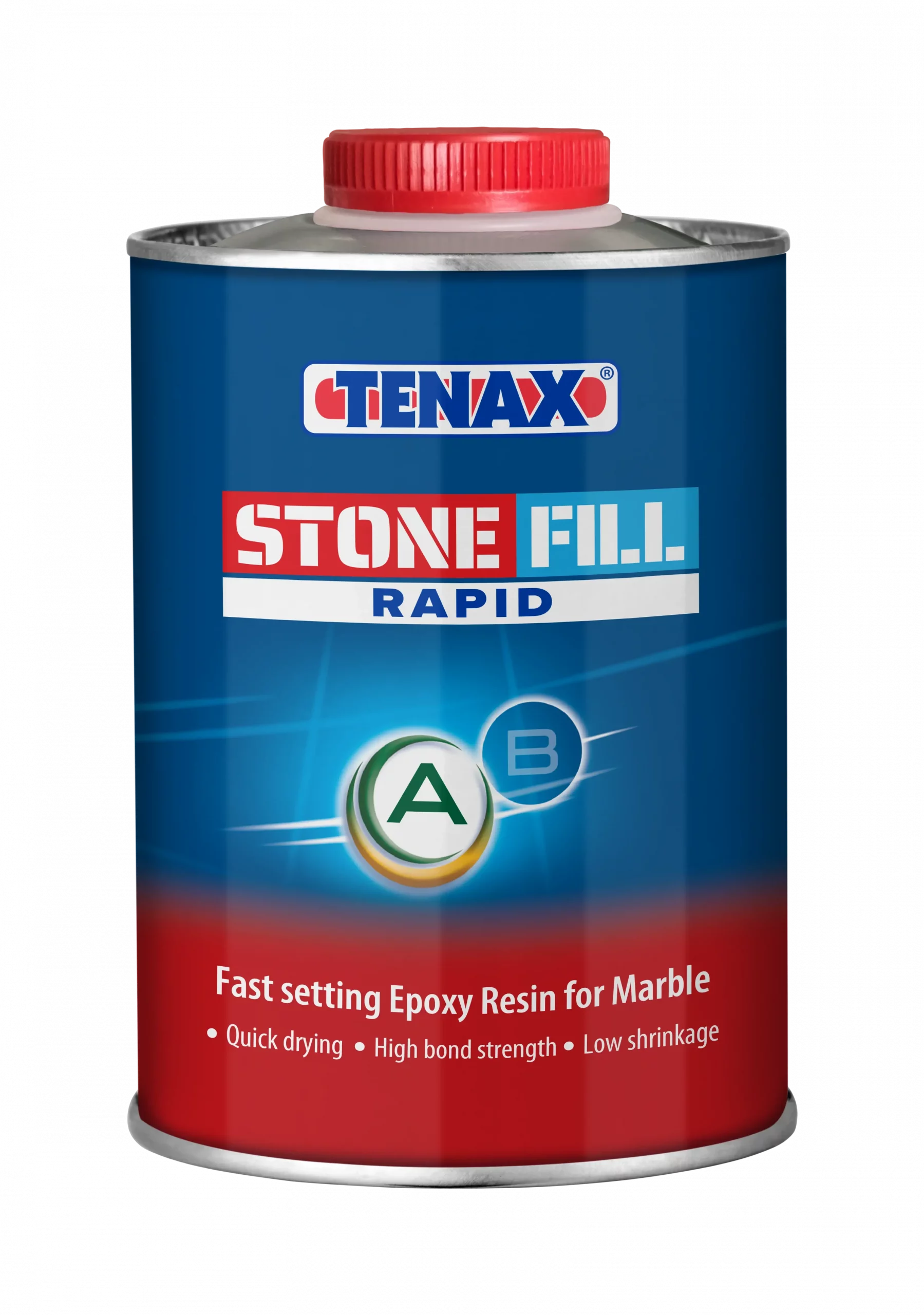
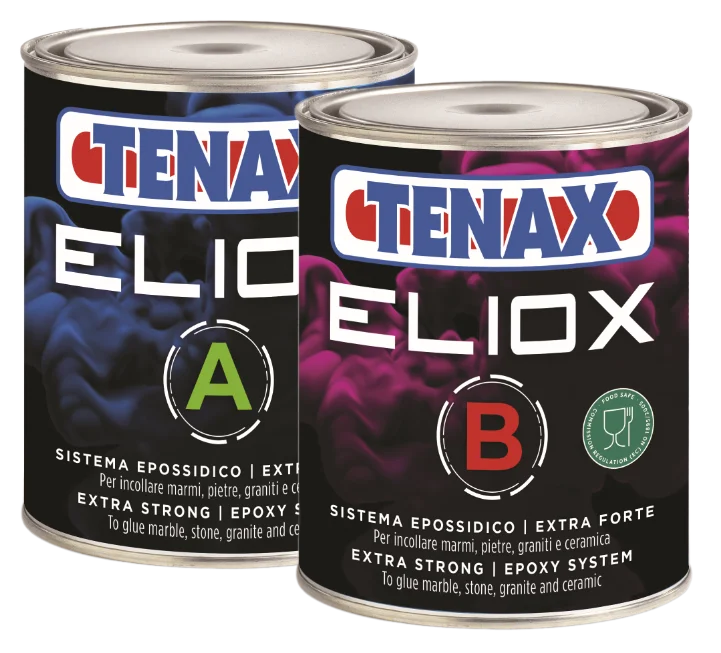
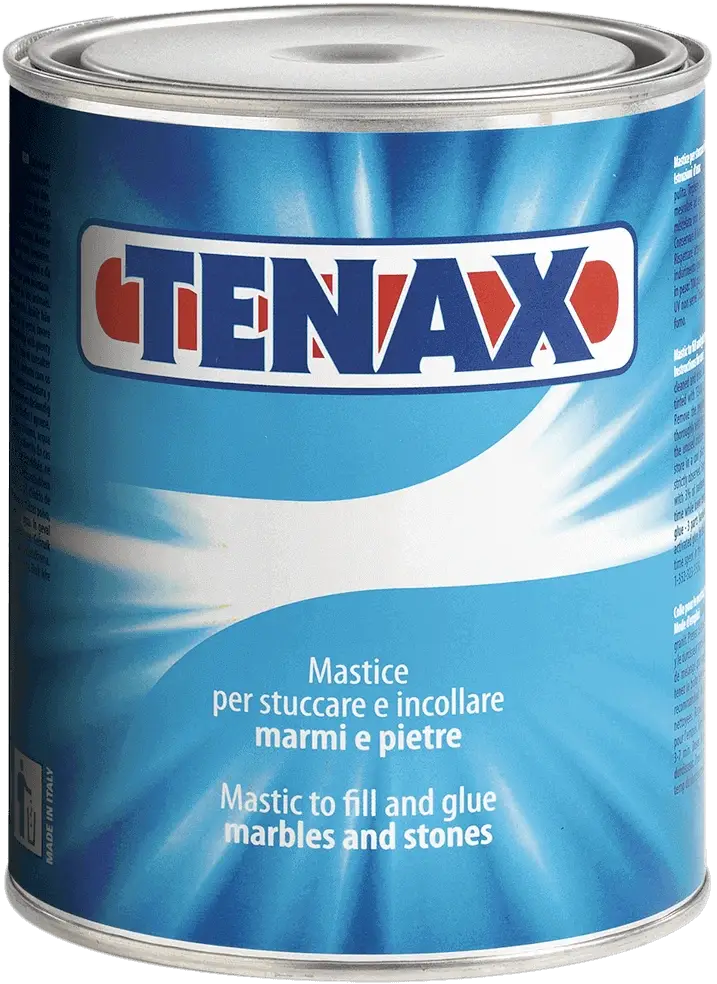
Stone filling epoxy resins are used to repair cracks, fill voids, and restore natural stone surfaces. The Tenax Stonefill Epoxy Resin System is a two-component system that provides strong bonding, durability, and an enhanced stone finish, making it suitable for countertops, flooring, and stone restoration projects.
Art and Craft Epoxy Resin
Art and craft epoxy resins are formulated for decorative applications such as resin art, jewellery, tabletops, and creative projects. These products are valued for their clear finish and smooth appearance. Depending on features like UV resistance and clarity, the epoxy resin price for art and craft resins may differ from construction-grade epoxy systems.
How to Calculate Total Epoxy Resin Costs for Your Project
The epoxy resin price per kg is only one part of your total project cost. You also need to estimate how much resin your project will consume based on the surface area and thickness of the application. An epoxy coverage calculator can help you estimate the quantity required more accurately, reducing the risk of buying too much or too little material.
Once you know the required quantity, multiply it by the per-kg price, then add labour, delivery, and any supplementary materials such as primers, cleaners, and protective gear to calculate the total project cost.
How to Choose the Right Epoxy Resin Based on Price and Quality
The lowest epoxy resin price per kg is not always the best value. The right product depends on your project requirements. Here are the key factors to compare before making a purchase.
Reading Technical Specifications
Before buying, review the technical specifications and product data sheet to understand the resin’s performance, coverage, curing time, chemical resistance, UV stability, and recommended applications. These details help you compare products beyond price and select one that meets your project’s needs.
Match the Resin to Your Application
Different projects require different epoxy formulations. For example, swimming pools, industrial floors, kitchen countertops, and decorative art each have unique performance requirements. Always choose a resin designed for your intended application.
Consider Durability Requirements
Areas exposed to heavy foot traffic, chemicals, or mechanical wear require premium-grade epoxy. While these products may have a higher epoxy resin cost, they reduce maintenance and replacement expenses.
Check Environmental Conditions
If the epoxy is being used outdoors or in areas exposed to sunlight, moisture, or temperature fluctuations, select a product with UV resistance and weather protection to maintain its appearance and performance.
Verify Required Certifications
For food preparation areas, potable water applications, or other regulated environments, check that the epoxy meets the necessary industry certifications and safety standards.
Balancing price with quality, performance, and application requirements helps you make a better investment. Paying slightly more for the right epoxy resin can help avoid repairs and premature failures.
Common Mistakes to Avoid When Buying Epoxy Resin
Avoid these common pitfalls to protect your investment and achieve long-lasting results on site:
Choosing Price Over Quality
Opting for a cheap epoxy to save a few hundred rupees can lead to catastrophic failures; for example, a non-UV-stable resin used on a balcony will yellow and degrade in months, forcing a complete, labour-intensive stripping and replacement.
Underestimating Required Quantity
Running out of resin mid-project is frustrating and costly. Calculate generously and buy slightly more than needed. Better to have leftover resin than to compromise your project halfway through.
Not Verifying Product Authenticity
Buy from trusted brands, such as Roff, and verify product authenticity. Counterfeit epoxy resin may have attractive pricing, but the performance is unreliable.
Conclusion: Making Smart Epoxy Resin Purchasing Decisions
The epoxy resin price per kg depends on much more than packaging size. Raw materials, formulation, quality, application, and performance all contribute to the final cost. Instead of focusing only on the purchase price, consider durability, coverage, maintenance requirements, and long-term performance.
Key Takeaways on Epoxy Resin Price Per Kg
The epoxy resin price per kg depends on formulation, quality, packaging, and application.
Compare the complete epoxy resin cost, not just the product price.
Bulk purchases can reduce the price.
High-quality products can provide better durability and lower maintenance costs.
Always purchase from authorised suppliers and follow the manufacturer’s application guidelines.
Frequently asked questions (FAQs)
1) What is the average epoxy resin price per kg in 2025?
The average epoxy resin price per kg ranges from ₹400 to ₹1000 for quality mid-range products. Speciality formulations, like low VOC products, may cost ₹2,500+, while bulk industrial purchases can be as low as ₹800 per kg.
2) Why is there such a big price difference between industrial and art epoxy resin?
Art and speciality epoxies require ultra-clear, non-yellowing UV additives, bubble-releasing agents, and high-purity raw materials. Industrial resins prioritise structural adhesion and compressive strength over optical clarity, making them cheaper to produce.
3) How much can I save by buying epoxy resin in bulk?
Buying in medium- to industrial-bulk quantities (such as 20 kg packs or drum quantities) can reduce the epoxy resin price per kg by 10% to 25% compared to individual 1 kg retail packs.
4) What factors should I consider besides price when choosing epoxy resin?
Key factors include pot life, compressive strength, chemical resistance, water immersion suitability, UV stability, shelf life, and whether the product is certified low-VOC for safe indoor usage.
5) Is imported epoxy resin better than Indian-manufactured resin?
Not necessarily. Leading manufacturers like Roff (Pidilite Industries) produce world-class epoxy formulations engineered for Indian climate conditions, humidity, and construction practices at a highly competitive cost.
6) How do I calculate how much epoxy resin I need for my project?
Estimate the surface area, application thickness, product coverage, and expected wastage. Always refer to the manufacturer’s coverage recommendations.
7) What is the typical shelf life of epoxy resin and does it affect pricing?
Shelf life varies by manufacturer. Many professional construction epoxy products have a shelf life of around 18 months when stored under recommended conditions. Older or improperly stored products should not be used.
8) Where can I find the best deals on epoxy resin?
Purchase from authorised dealers, manufacturer networks, or trusted distributors to receive genuine products, technical support, and appropriate pricing.