Check out the biggest trends of the season and our expert take on them.
How to Fix Natural Stone Floor Tiles with Adhesive
Key Takeaways
Natural stone flooring needs an adhesive that balances high bond strength with stain resistance, especially for porous or light-coloured stones such as marble.
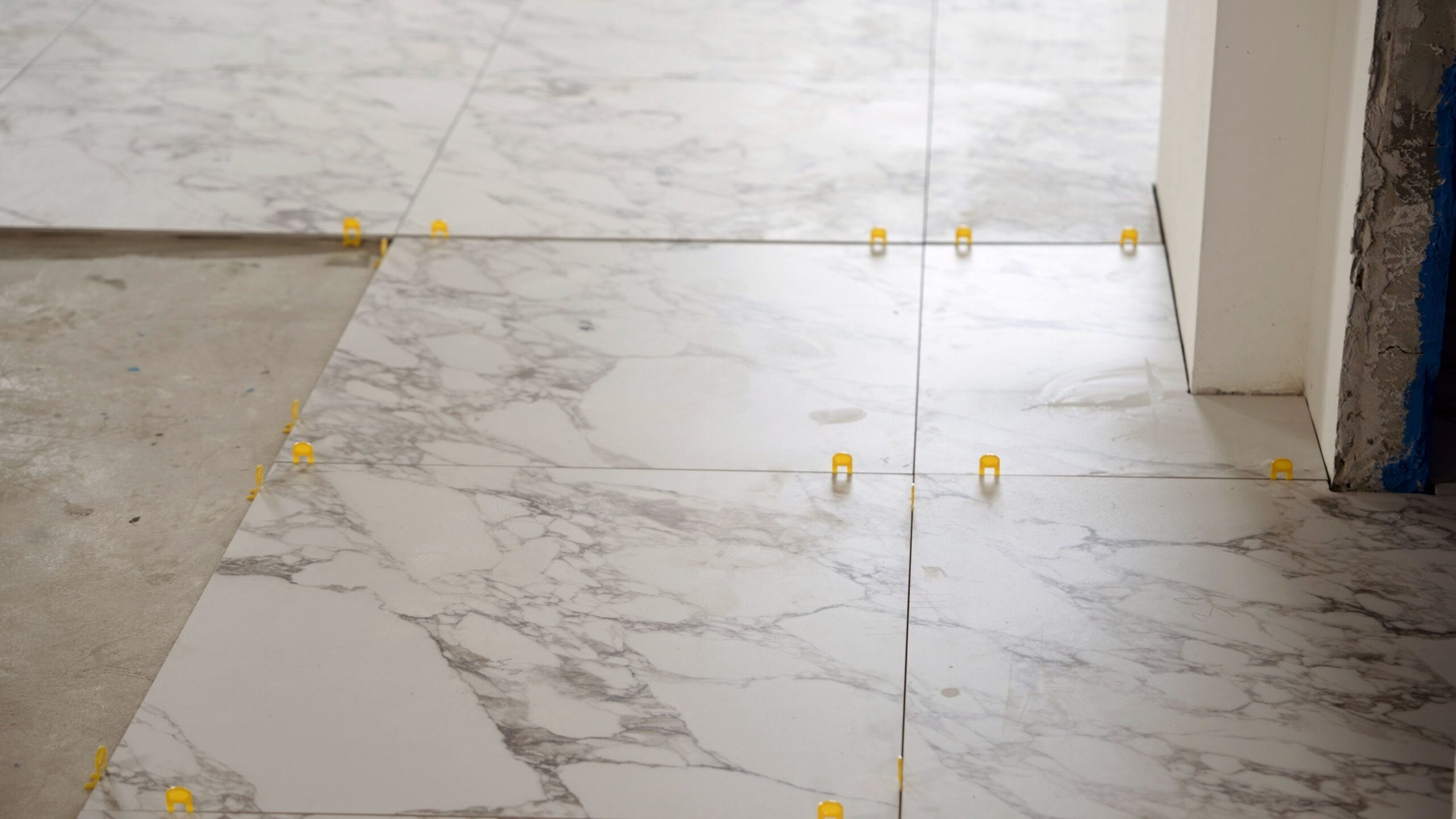
Proper surface preparation, an even adhesive bed and back-buttering large slabs help achieve full contact and reduce hollow spots beneath the stone.
Avoid isolated adhesive dabs or methods that trap moisture beneath natural stone, as these can contribute to discolouration, picture-framing and unsupported areas.
Choose the adhesive, sealer and grout according to the stone type, slab size, substrate and installation conditions, and always follow the relevant product TDS for application and curing.
Natural stone flooring, including marble, granite and other stone varieties, needs more than just a strong bond. The adhesive must suit the stone and substrate while helping prevent staining and hollow spots. A full-contact installation using an appropriate Roff stone-grade adhesive, combined with proper surface preparation and back-buttering for large slabs, can provide a more reliable finish.
Why Stone Needs a Non-Staining, High-Strength Adhesive
Natural stone can be more sensitive to moisture and staining than many manufactured tiles. At the same time, marble and granite slabs can be heavy, placing greater demands on the adhesive bond. The adhesive must provide reliable contact without adversely affecting the stone’s appearance. Here’s how to keep your natural stones shining post-installation.
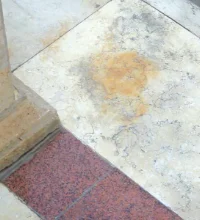
Staining & discolouration
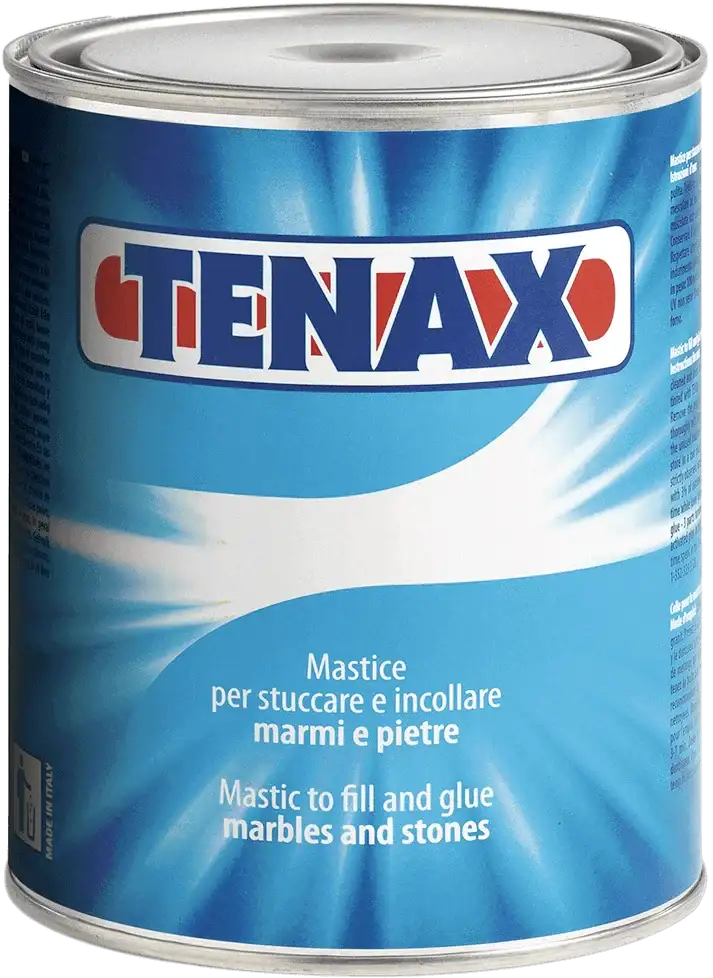
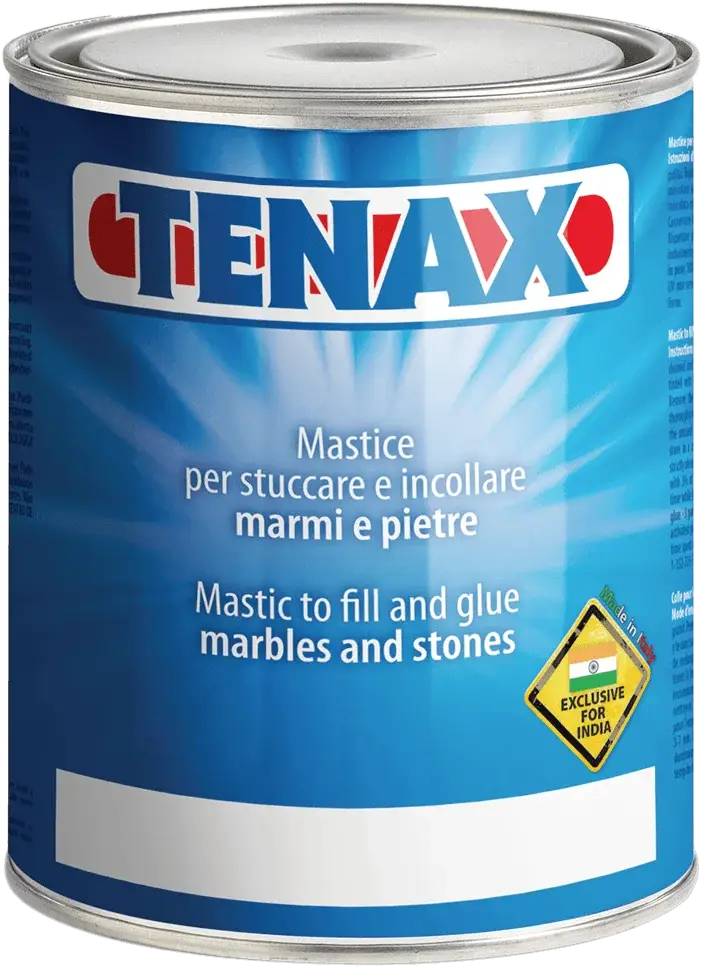
Some natural stones are porous and can be affected by moisture or substances migrating from beneath the slab. White, non-staining adhesive is preferred for light-coloured stones such as marble because it reduces the risk of discolouration around the edges or through the stone. The adhesive should also suit the specific stone and substrate, rather than being selected solely for bond strength.
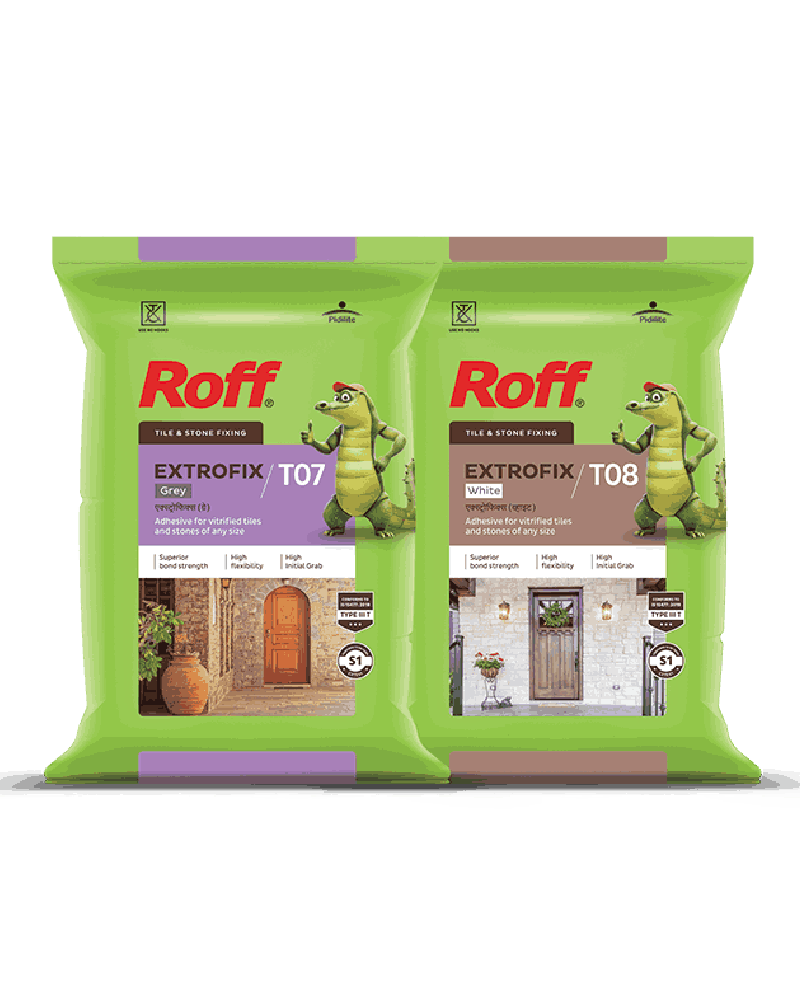
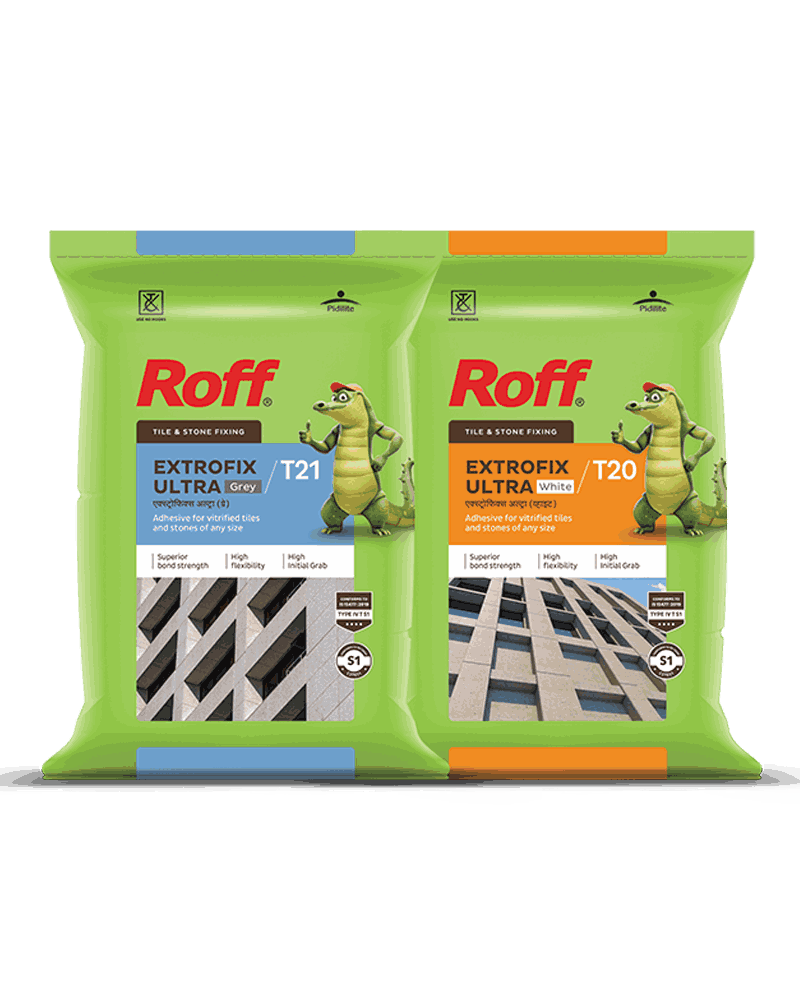
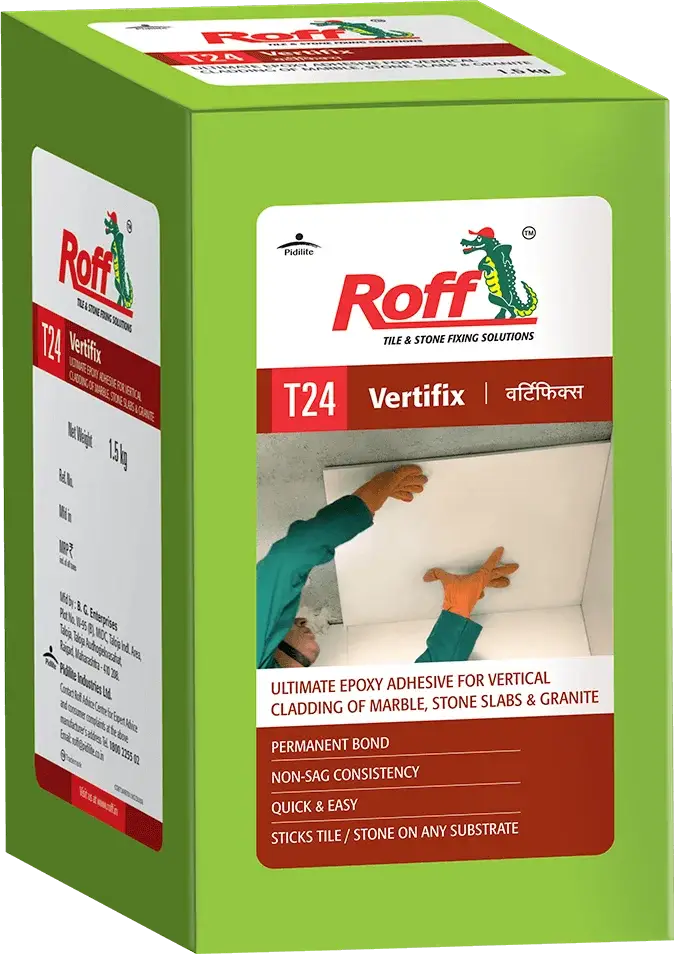
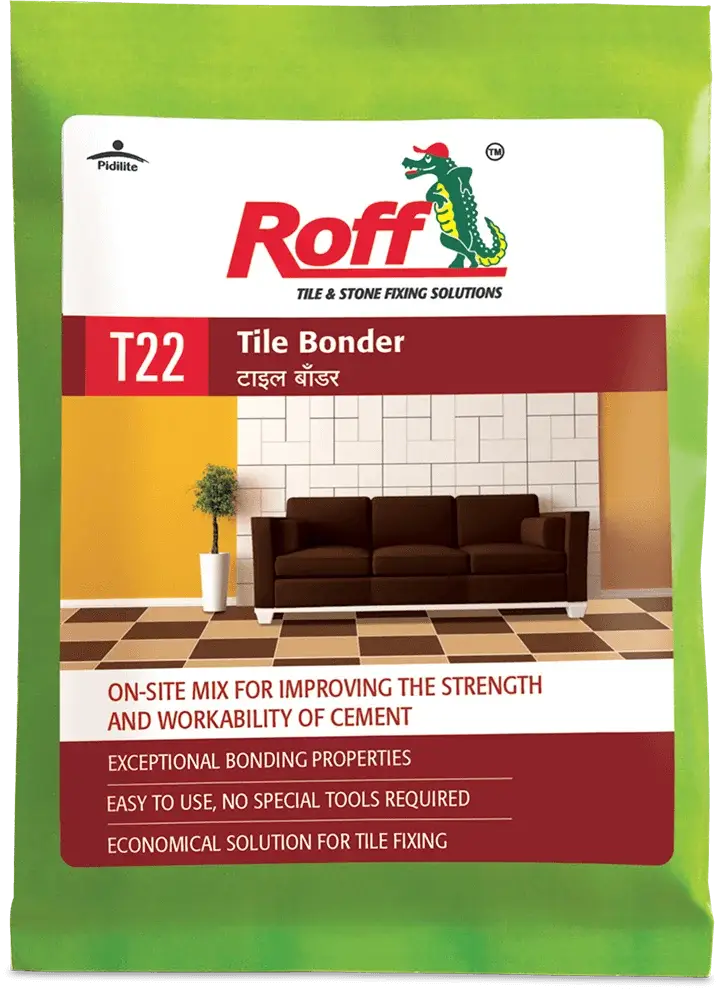
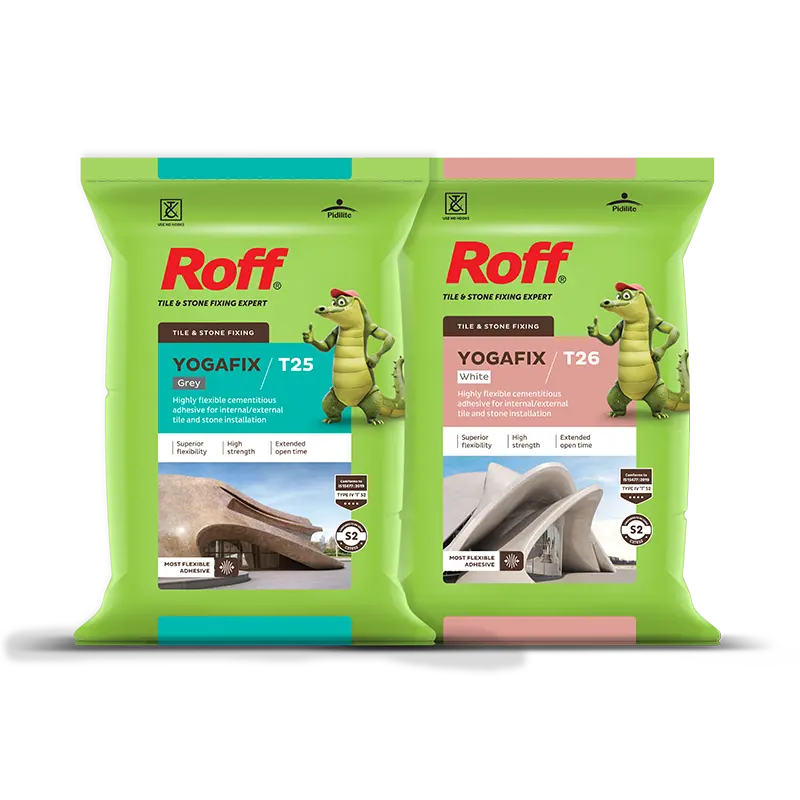
Roff offers stone-compatible adhesives for floor installations. Refer to the Roff Adhesive Selector to find the best adhesives for your project.
Weight & bond demand
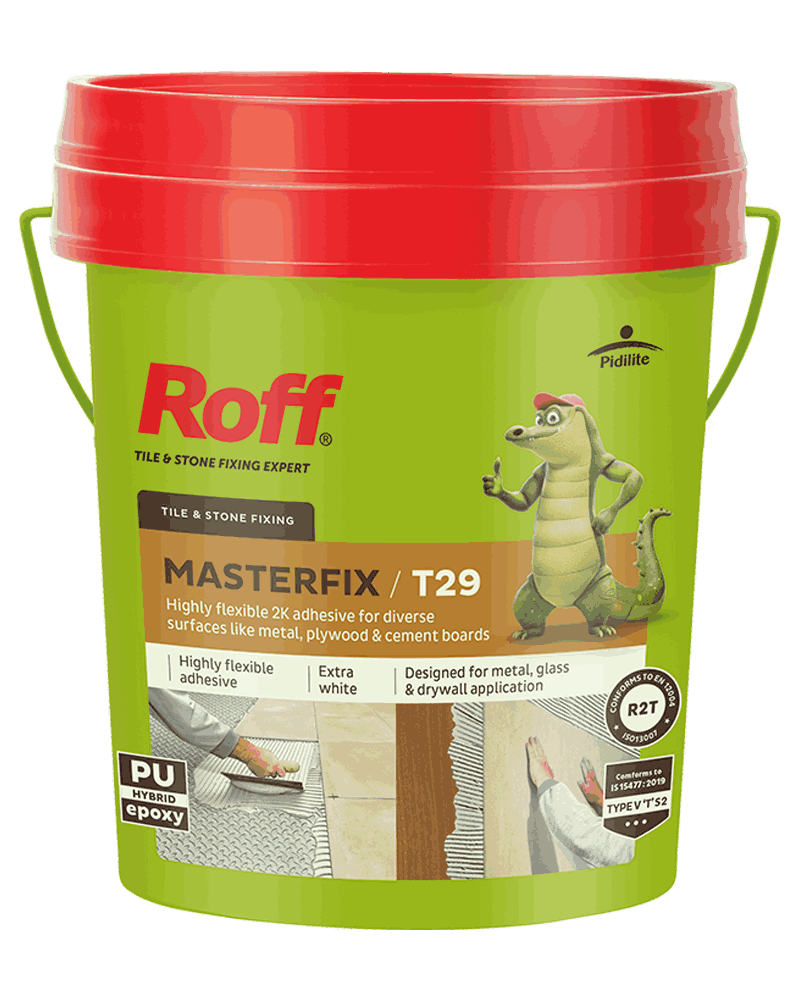
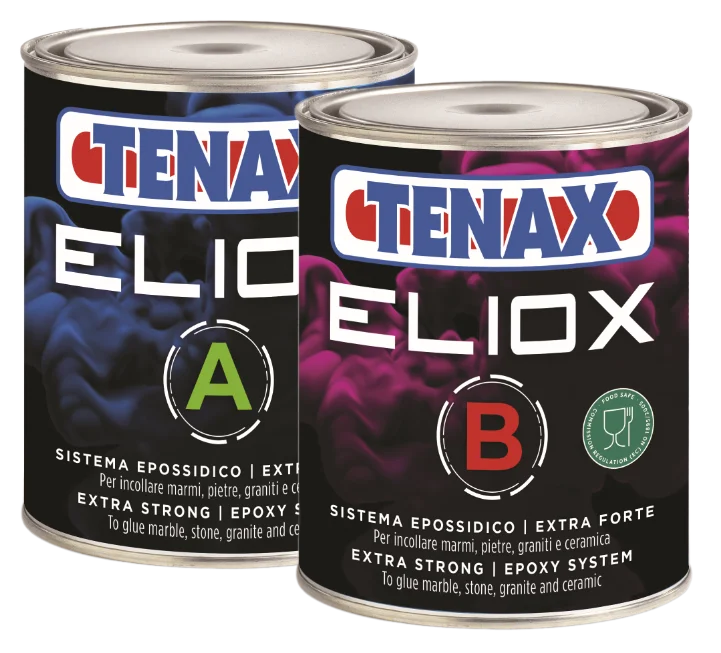
Natural stone slabs can be considerably heavier than ordinary ceramic tiles, increasing the load placed on the adhesive bond. Large slabs also require careful installation to prevent unsupported areas beneath the stone. A high-strength adhesive suitable for the application helps provide the required bond. Roff Master Fix is a high-strength, polyurethane-epoxy-based adhesive designed for specialised tile and stone applications and suitable for large-format installations and diverse substrates.
How to Fix Stone Floor Tiles (Step by Step)
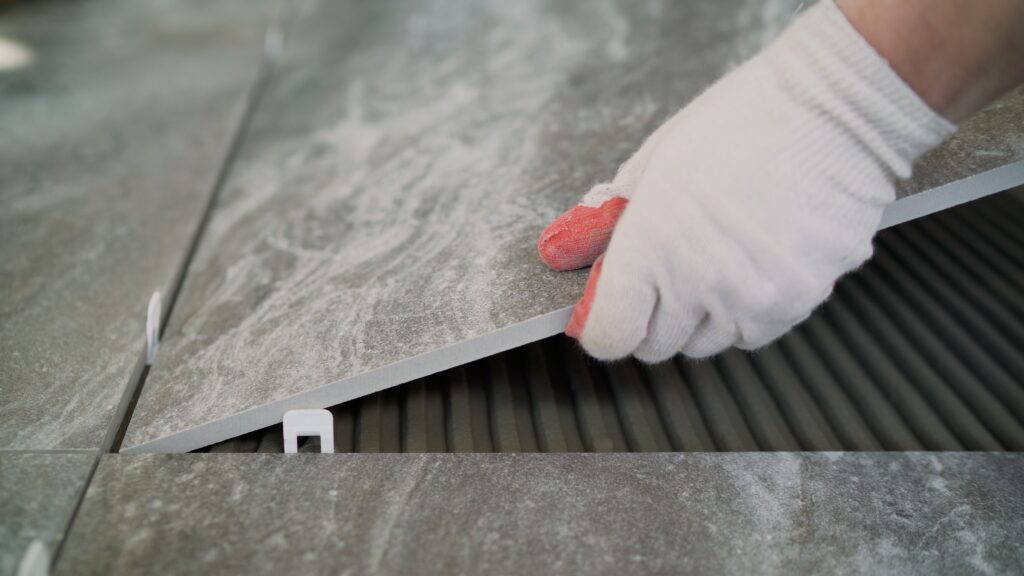
The basic method is to prepare the substrate, apply the appropriate white stone-grade adhesive, comb it evenly, back-butter large slabs and press the stone into place to achieve full contact.
Prepare the substrate: Ensure the floor is clean, sound, dry and suitable for the selected adhesive.
Choose the right adhesive: Select a Roff adhesive appropriate for the stone, slab size and substrate.
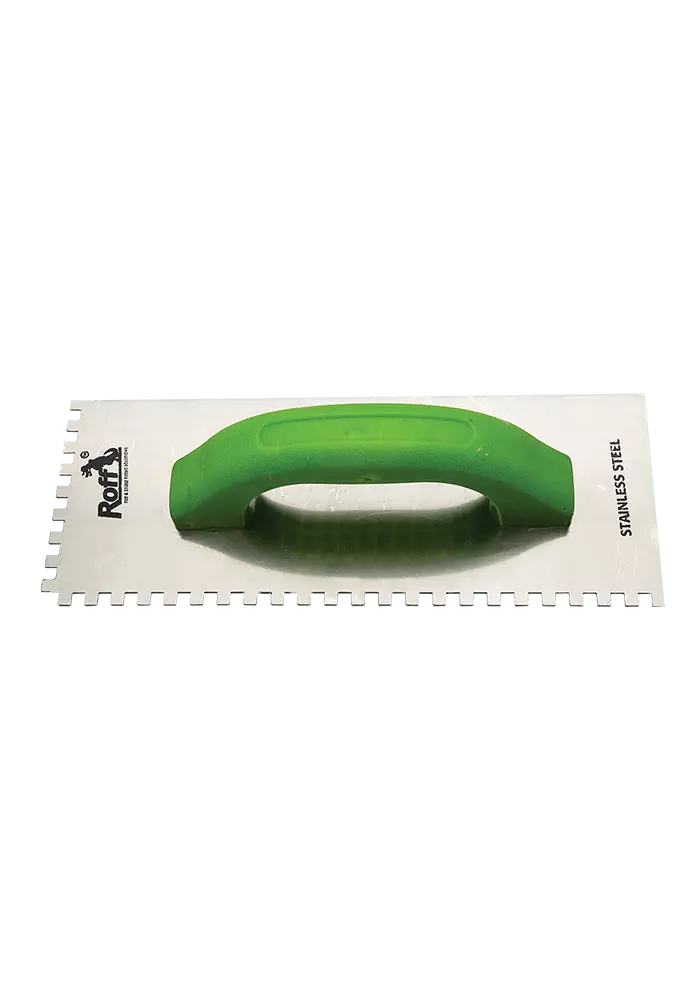
Apply the adhesive: Comb the adhesive over the prepared surface using the recommended trowel.
Back-butter large slabs: Apply adhesive to the back of larger stone pieces, as required, to improve contact.
Set and align the stone: Press the slab firmly into the adhesive bed and adjust it into its final position.
Check coverage: Ensure the stone has adequate adhesive contact and avoid leaving hollow areas beneath the slab.
Allow it to cure: Follow the selected adhesive’s recommended curing period before grouting or subjecting the floor to regular traffic.
Back-butter for full contact
For large stone slabs, back-buttering helps improve adhesive contact between the stone and the substrate. Apply the adhesive as recommended to the back of the slab and combine this with the correctly combed adhesive bed on the substrate. Press the slab firmly into position to help eliminate voids.
The goal is full, consistent contact rather than isolated adhesive spots. Hollow areas beneath heavy stone can leave parts of the slab unsupported and increase the risk of movement or damage under load.
Avoid Staining & Hollow Spots
Use a white adhesive suitable for natural stone where appearance and staining are concerns, and aim for full adhesive coverage beneath the stone. Avoid methods that leave isolated dabs or significant voids beneath the slab.
No water-based dabs
Do not use water-based adhesive dabs or isolated spots beneath natural stone as a shortcut. Moisture trapped beneath porous stone can contribute to staining or visible discolouration, while inadequate adhesive contact can leave hollow areas.
Instead, use the selected Roff adhesive according to its application instructions and create a continuous adhesive bed with appropriate coverage. For large slabs, back-butter where required to improve contact. This approach supports the stone more evenly.
Sealing & Grouting Stone
Natural stone can benefit from sealing before or after installation depending on the stone, sealer and installation system. Sealing helps protect porous surfaces from staining, while suitable grout completes the joints between the tiles.
Seal before/after grouting
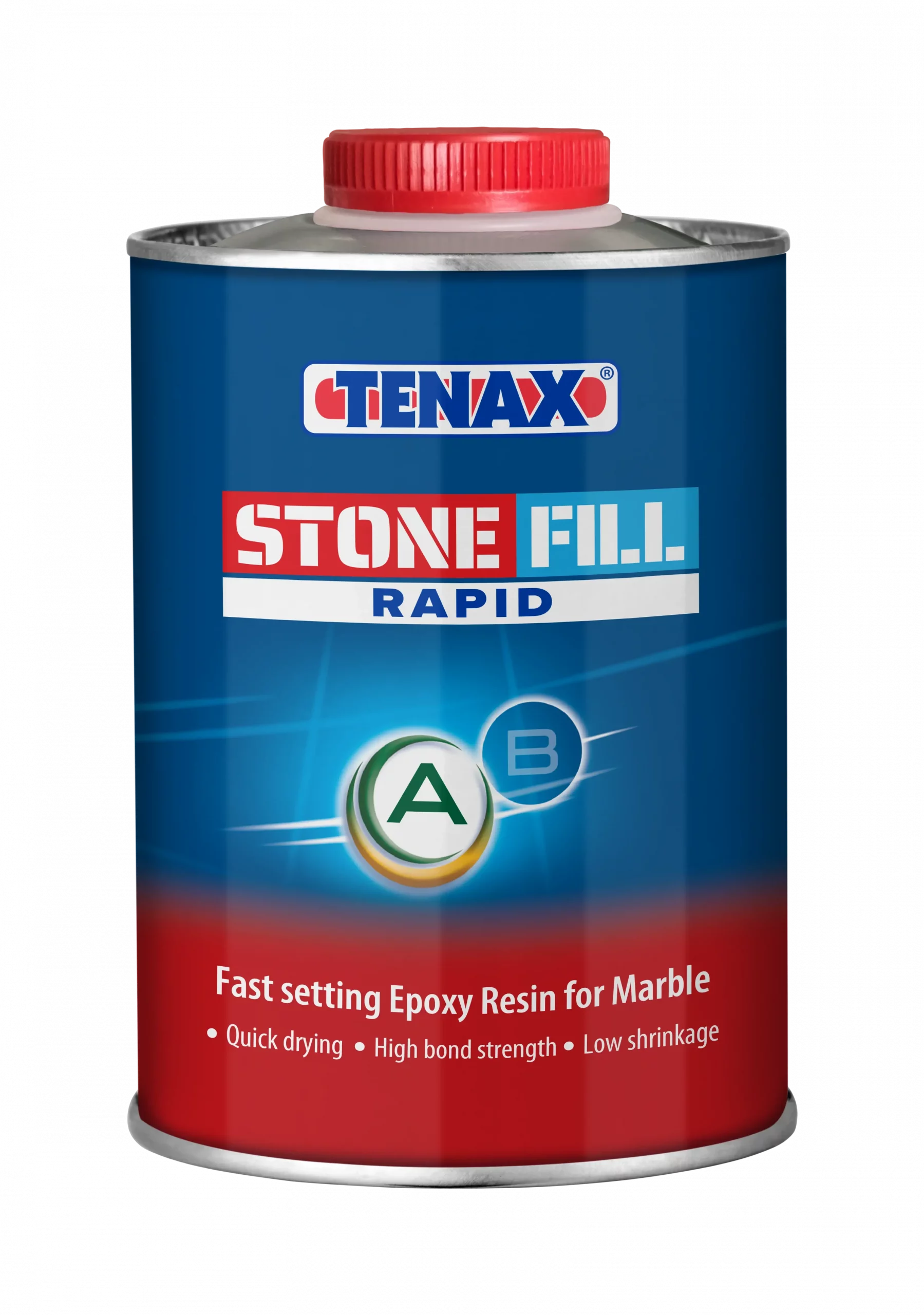
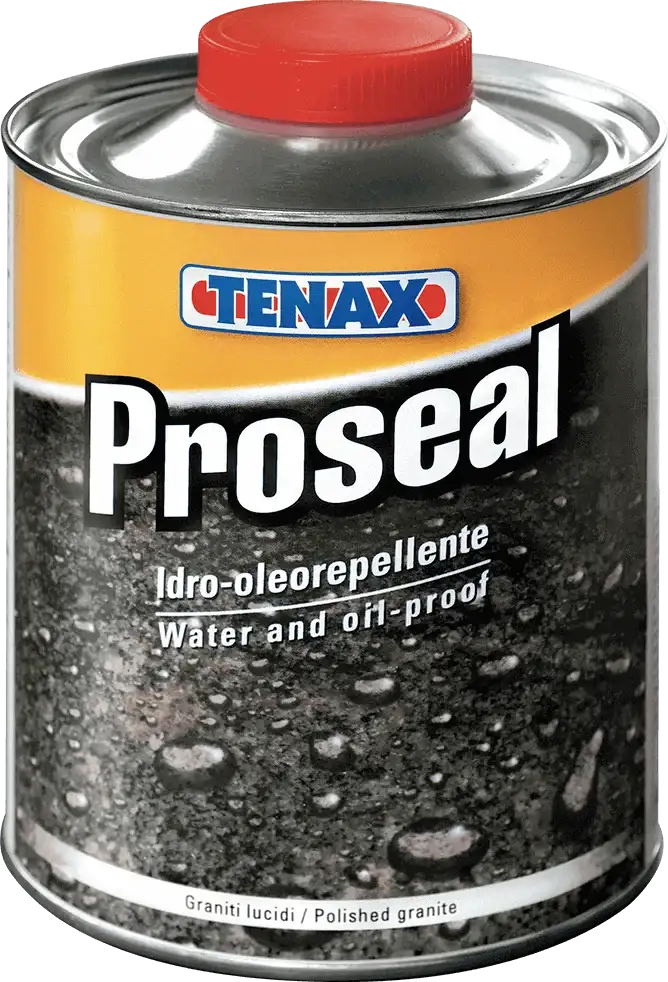
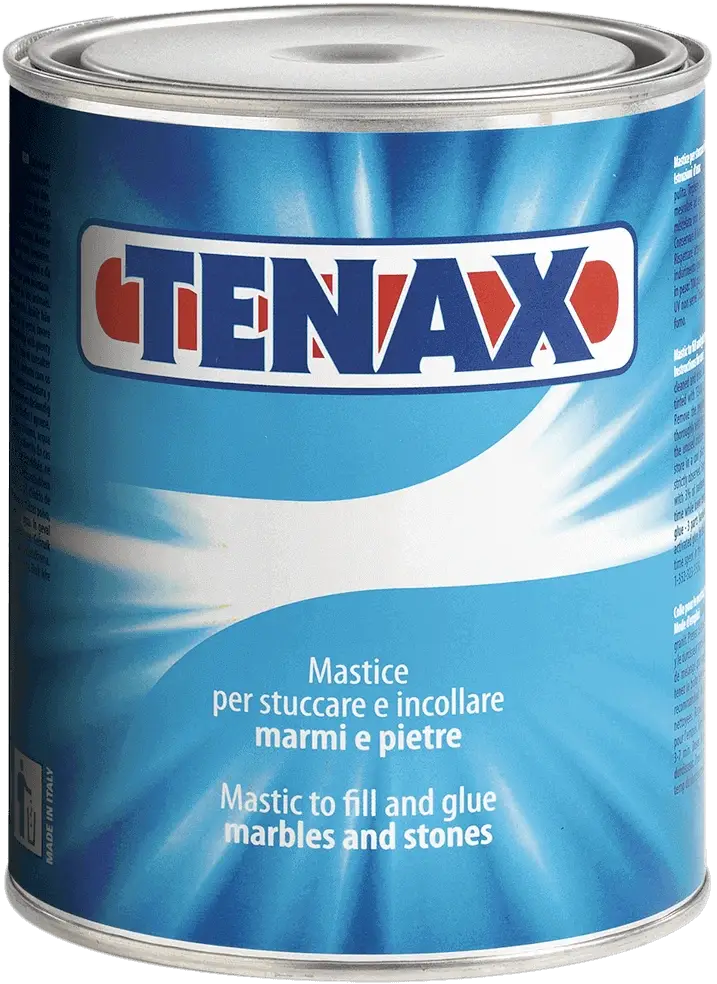
Follow the sealer manufacturer’s guidance on whether to seal before or after grouting. Tenax Proseal is a high-performance sealer designed for granite, marble, limestone, sandstone and terracotta. It works within the stone’s microporosities to protect against staining while maintaining the material’s natural appearance.
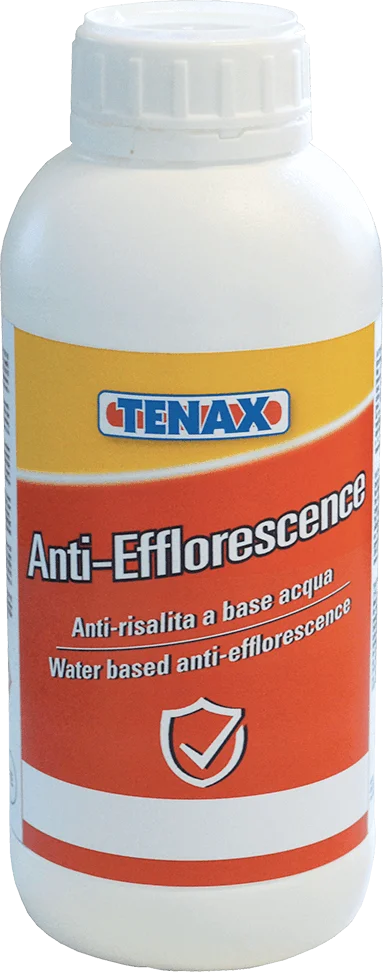
Additionally, using the right sealer prevents the recurring problem of efflorescence. This issue occurs when the natural salt deposits within the stone move towards the surface and form a thin white coating. Efflorescence can seriously damage the aesthetics of your marble flooring, which is why sealers are a must for long-term protection.
For application, the stone should be clean and dry, and the sealer should be spread uniformly. Tenax Proseal’s guidance recommends checking the effect on a small area before treating the entire surface. After grouting, remove residue promptly and allow the installation to cure fully as recommended in the product’s technical data sheet (TDS).
Frequently asked questions (FAQs)
1) Which adhesive is best for natural stone floors?
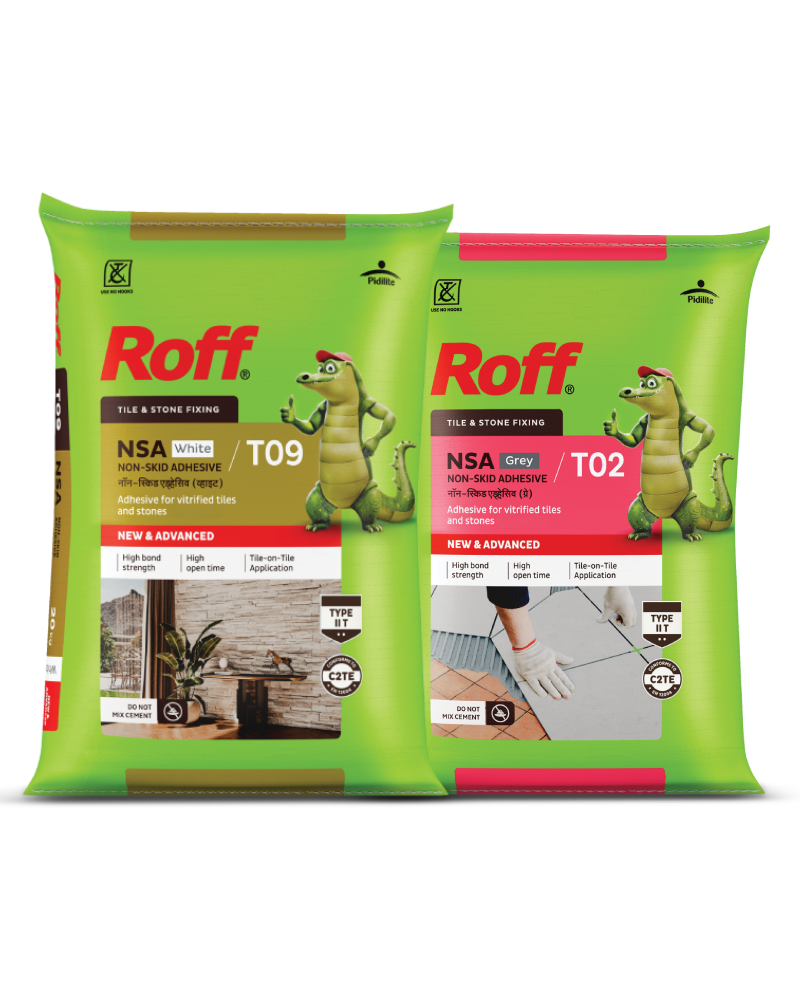
The right adhesive depends on the stone, slab size, substrate and application. Roff Non-Skid Adhesive suits regular-size natural stones in specified indoor applications, while Roff Master Fix is designed for specialised stone and large-format applications.
2) Why does marble need white adhesive?
White adhesive helps reduce the risk of visible discolouration or picture-framing on light-coloured, porous marble.
3) How do I stop stone tiles sounding hollow?
Use the correct adhesive, achieve full adhesive contact and back-butter large slabs where required. Avoid isolated adhesive dabs and unsupported areas.
4) Should I seal stone before or after grouting?
It depends on the stone, sealer and installation system. Follow the sealer manufacturer’s specific instructions for the correct timing.
5) Can I use cement for granite flooring?
A purpose-made stone adhesive is generally preferable where the installation requires controlled bonding and coverage. Select the adhesive based on the granite, substrate, and application requirements.