Blogs & Current Trends

Check out the biggest trends of the season and our expert take on them.

Confused Between GVT vs PGVT Tiles? Here’s an Easy Way to Decide

Key Takeaways

  • GVT tiles come in a variety of finishes while PGVT tiles feature a polished surface that creates a glossy, light-reflecting effect.
  • Both tile varieties can provide lasting performance when selected and installed correctly. 
  • GVT tiles with appropriate slip-resistant properties work in kitchens, bathrooms and outdoor spaces. PGVT tiles are commonly chosen for living rooms and bedrooms.
  • Tile prices depend on the manufacturer, dimensions, surface treatment and design. Consider the installation area, safety requirements, maintenance expectations and overall budget.

Choosing between GVT and PGVT tiles involves more than deciding which design looks attractive. Both are part of the glazed vitrified tile category, but their surface finishes create different visual effects and influence everyday upkeep. GVT tiles are commonly available with non-polished surfaces, while PGVT tiles are polished and have a smooth appearance. 

Understanding the Basics: What Are GVT and PGVT Tiles?

GVT and PGVT are two varieties of glazed vitrified tiles. Both typically feature a dense vitrified base covered with a decorative glaze. However, the finishing treatment distinguishes one category from the other.

What Are GVT (Glazed Vitrified Tiles)?

GVT refers to Glazed Vitrified Tiles, which combine a vitrified tile with a decorative surface coating. This glazed layer allows manufacturers to produce patterns that resemble several materials.

Key Characteristics of GVT Tiles

GVT tiles offer considerable flexibility in terms of design and surface appearance. Depending on the product, they can create a muted, natural-looking finish or introduce subtle textures into a space. Their resistance to wear, staining and slipping depends on the tile’s technical specifications.

What Are PGVT (Polished Glazed Vitrified Tiles)?

PGVT stands for Polished Glazed Vitrified Tiles. Like standard GVT tiles, these products have a vitrified base and a glazed decorative surface. However, they receive a final polishing treatment that gives the finished tile its characteristic shine.

Defining Features of PGVT Tiles

The most recognisable feature of PGVT tiles is their glossy surface, which reflects surrounding light and creates a smooth-looking finish. However, stains, dark spots, scratches, and water droplets may be more noticeable on certain polished surfaces.

GVT vs PGVT Tiles: 7 Key Differences You Must Know

While GVT and PGVT tiles share a similar basic construction, they can differ in appearance, manufacturing treatment and cleaning requirements. Understanding these distinctions makes it easier to choose a product that matches both your design preferences and practical needs.

1. Surface Finish and Appearance

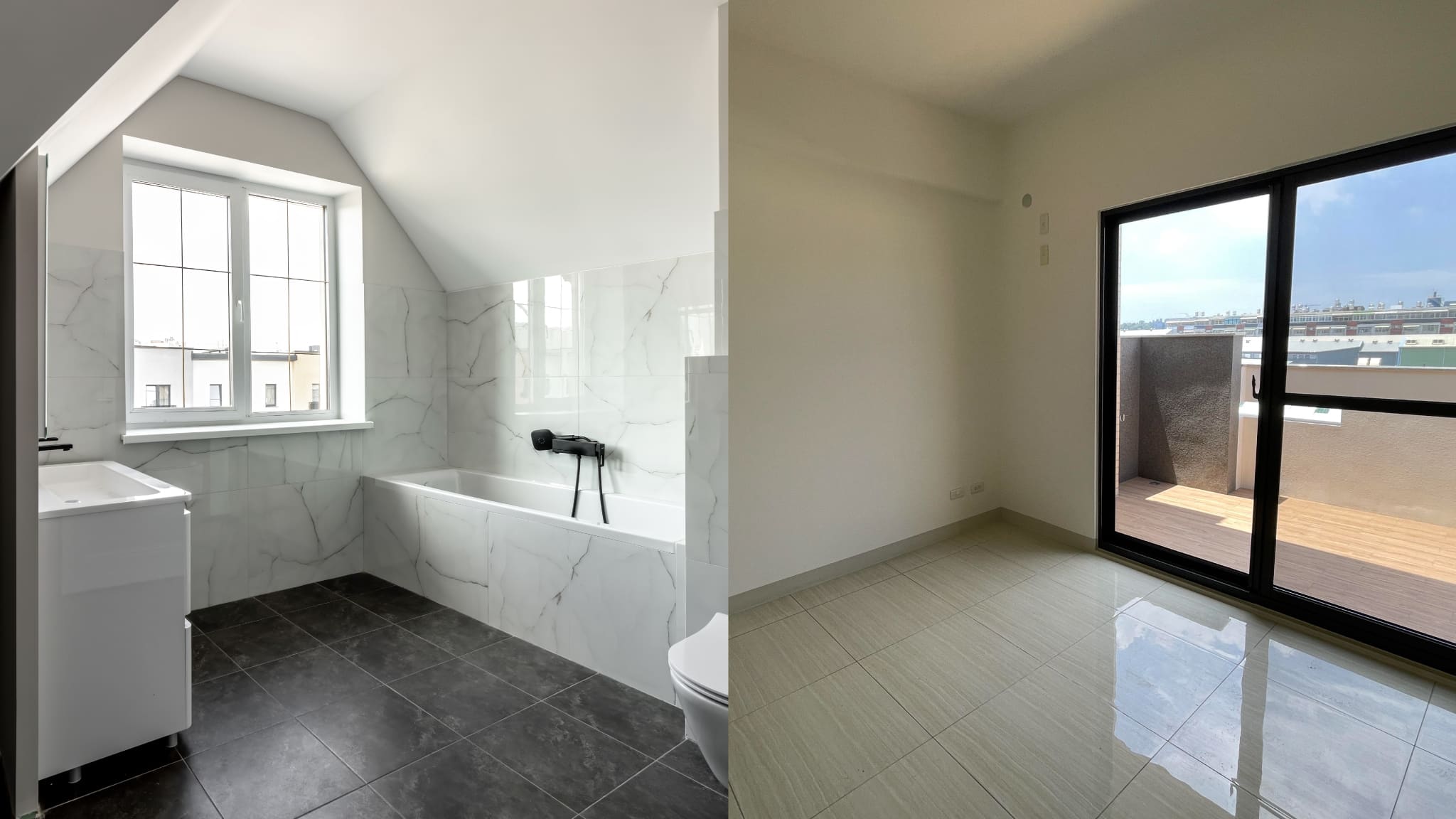
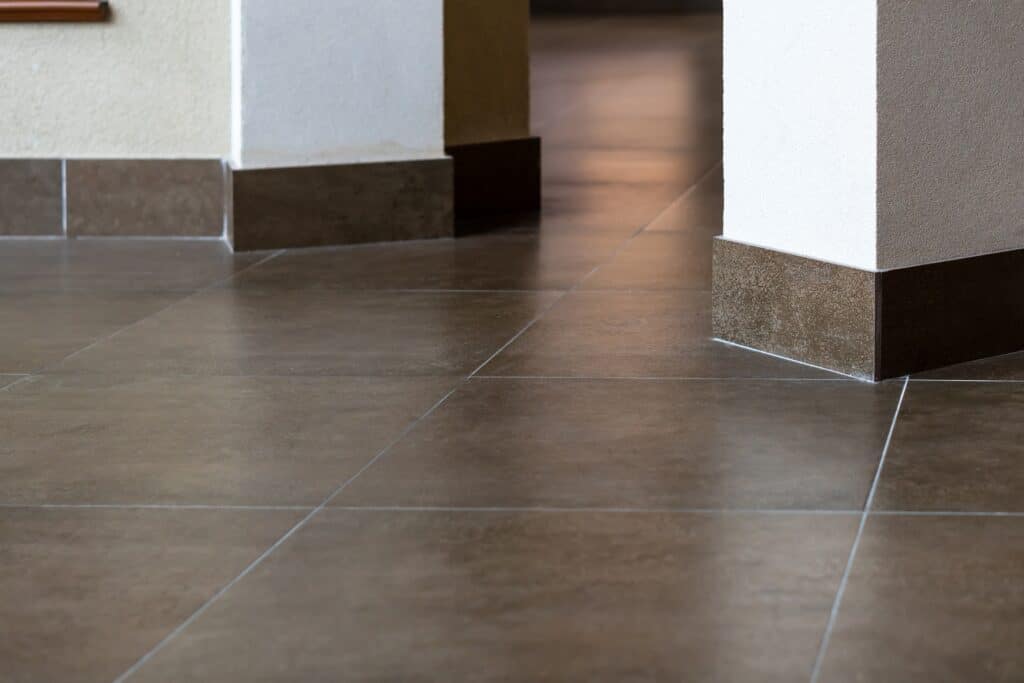
The most noticeable difference between these tiles lies in their surface treatment. GVT tiles commonly feature textured finishes that create a softer visual effect. PGVT tiles, in comparison, have polished surfaces that reflect more light and provide a glossy appearance.

2. Manufacturing Process and Surface Layers

Both GVT and PGVT tiles are made using a vitrified surface and a decorative glazed layer. The additional polishing treatment used for PGVT tiles is what creates their reflective surface. However, this does not mean every PGVT product has the same glaze thickness or surface characteristics.

3. Design Choices and Patterns

Both tile categories provide numerous design possibilities, including patterns that replicate marble, wood, stone and other decorative materials. GVT tiles are particularly useful when the design calls for muted colours, natural textures or understated surfaces. PGVT tiles are frequently selected for glossy marble-inspired patterns and other decorative finishes intended to create a polished interior.

4. Durability and Resistance to Wear

Neither GVT nor PGVT can be considered universally stronger or longer-lasting. The durability of an individual tile depends on its manufacturing quality, wear-resistance characteristics, installation method and intended application.

5. Cleaning and Maintenance Needs

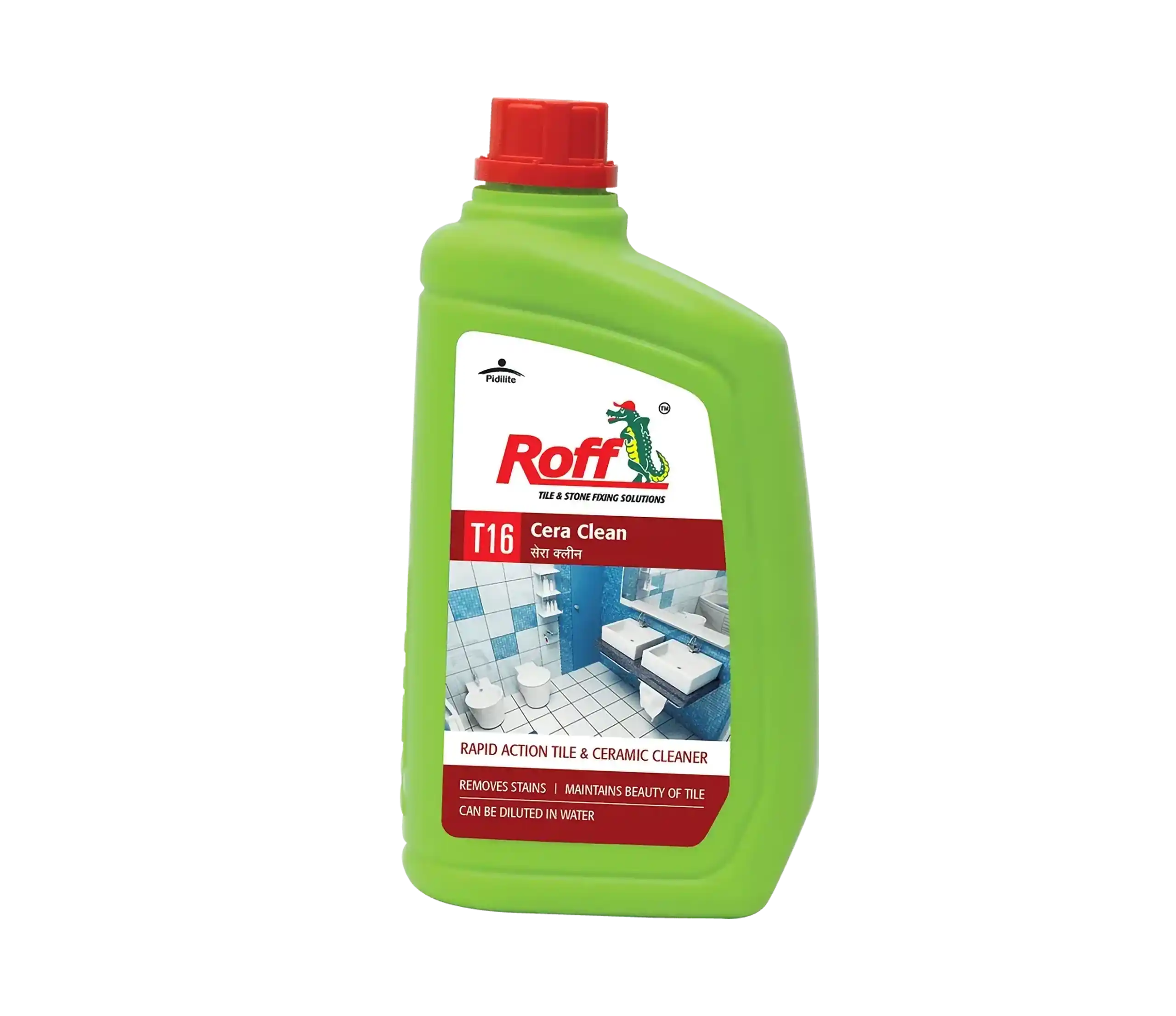
The finish of a tile influences how easily everyday dirt and marks become visible. GVT tiles conceal marks and spots more effectively than highly polished alternatives. However, heavily textured tiles can collect dirt within their surface patterns and may require more careful cleaning. Use an effective tile cleaner, such as Roff Cera Clean, to ensure that spots and stains are removed completely.

6. Slip Resistance and Floor Safety

A tile’s slip resistance is especially important in spaces where water or other liquids may reach the floor. Certain GVT products may offer better traction than some polished alternatives. However, a textured finish alone does not guarantee adequate slip resistance. Similarly, not every PGVT tile has the same slip performance.

7. Cost and Budget Planning

There is no fixed pricing difference that applies to all GVT and PGVT tiles. The final price can change according to the brand, tile dimensions, pattern complexity, manufacturing quality and surface finish. Some designer PGVT collections may carry a higher price, but standard PGVT products are not necessarily more costly than premium GVT options.

GVT vs PGVT Tiles Comparison Table

The following comparison highlights the main differences between GVT and PGVT tiles.

Comparison Factor

GVT Tiles

PGVT Tiles

Full form

Glazed Vitrified Tiles

Polished Glazed Vitrified Tiles

Surface texture

Various textured finishes

Typically smooth and polished

Visual finish

Muted appearance with limited reflection

Glossy appearance with greater light reflection

Available designs

Wood, marble, stone and decorative patterns

Glossy marble-inspired and other decorative designs

Cleaning requirements

Vary with texture; rougher finishes may need additional cleaning

Smooth to wipe, although surface marks can appear more prominent

Slip resistance

Determined by the tested surface characteristics

Polished surfaces provide less traction when wet

Cost

Depends on the product range, dimensions and manufacturer

Depends on the product range, dimensions and manufacturer

The differences shown above are general characteristics rather than universal performance rules. Reviewing tile samples and manufacturer specifications is essential before making a purchase.

Room-by-Room Guide: GVT vs PGVT Tiles Selection

Different areas of a home have different flooring requirements. A tile that looks appealing in a bedroom may not be suitable for a bathroom or an uncovered balcony.

Kitchen Flooring: GVT or PGVT?

A GVT tile with suitable performance characteristics can be a practical option because everyday marks may be less noticeable on its surface.

Bathroom Tiles: Which Is Safer?

Instead of relying solely on the GVT or PGVT classification, look for flooring products with slip-resistance characteristics appropriate for wet conditions. Some polished PGVT finishes may not be ideal for frequently wet bathroom floors.

Living Room and Bedroom Flooring

Living rooms and bedrooms generally offer greater flexibility between choosing GVT or PGVT tiles. GVT tiles can help establish a calm, understated atmosphere, while PGVT tiles are suitable for homeowners seeking a glossy surface.

Balcony and Terrace: Outdoor Considerations

For balconies, terraces and similar spaces, choose products that the manufacturer has specifically approved for outdoor installation. Read this guide on external tile installations to know the dos and don’ts of outdoor tiling.

Budget vs Requirements Matrix

Your choice should reflect the qualities that matter most for the intended space.

Your Priority

Recommended Consideration

Natural, understated interiors

Explore GVT products with various unique finishes

Bright, glossy flooring

Consider PGVT tiles with a polished surface

Bathrooms and other wet areas

Prioritise tested slip resistance and suitability for moisture exposure

Spaces with heavy foot traffic

Examine abrasion resistance and wear-performance specifications

Convenient everyday cleaning

Compare surface textures and how easily visible marks can be removed

Managing the overall budget

Evaluate tile prices together with fitting and maintenance expenses

This matrix can help narrow down your options, but the final selection should always be based on the technical characteristics of the product.

Frequently asked questions (FAQs)

1) What is the main difference between GVT and PGVT tiles?

The primary distinction is the surface finish. GVT, or Glazed Vitrified Tiles, is commonly found in various finishes including satin or matte. PGVT, or Polished Glazed Vitrified Tiles, undergoes additional polishing to produce a glossy surface.

2) Which is more durable – GVT or PGVT tiles?

Both tile types can provide reliable performance when appropriately specified and installed. Their durability depends on factors such as manufacturing standards, surface treatment, wear resistance and maintenance. Compare the technical details of individual products rather than judging durability by the tile category.

3) Are PGVT tiles slippery compared to GVT tiles?

Certain polished PGVT tiles become more slippery under wet conditions than some textured GVT options. However, slip resistance differs between products. Refer to tested slip-resistance information when choosing flooring for moisture-prone locations.

4) Which tiles are easier to maintain – GVT or PGVT?

Maintenance depends largely on the surface texture. GVT tiles may hide minor marks better, although textured finishes can require more thorough cleaning. PGVT tiles generally have smooth surfaces, but their shine can make spots more apparent.

5) Are GVT or PGVT tiles better for kitchen flooring?

Either category may be suitable, provided the chosen tile is designed for floor installation and meets the kitchen’s performance requirements. GVT can be a practical choice, but appropriate slip resistance, durability and ease of cleaning are important factors to consider.

6) Which is more expensive – GVT or PGVT tiles?

Neither category is consistently more costly. Prices depend on the tile manufacturer, surface finish, dimensions, design and overall quality. Compare individual product quotations and account for installation costs before determining which option offers better value.

7) Can GVT tiles be used in living rooms?

Yes, GVT tiles are produced in various colours, patterns and surface finishes suitable for living room flooring. They can complement contemporary, minimalist and natural-inspired interiors. Select a floor-rated product with appropriate wear-resistance characteristics for the expected usage.

8) Do PGVT tiles need special maintenance?

PGVT tiles generally do not require specialised cleaning procedures unless the manufacturer specifies otherwise. However, their polished finish may make streaks and everyday marks more noticeable. Clean them with suitable products, avoid harsh abrasive materials and follow the manufacturer’s maintenance recommendations.

This approach ensures the wall isn’t just ‘ready’ but rather bonded to the wall tile adhesive system.