Check out the biggest trends of the season and our expert take on them.
How to Fix External Wall Cladding Tiles That Won’t Fall
Key Takeaways
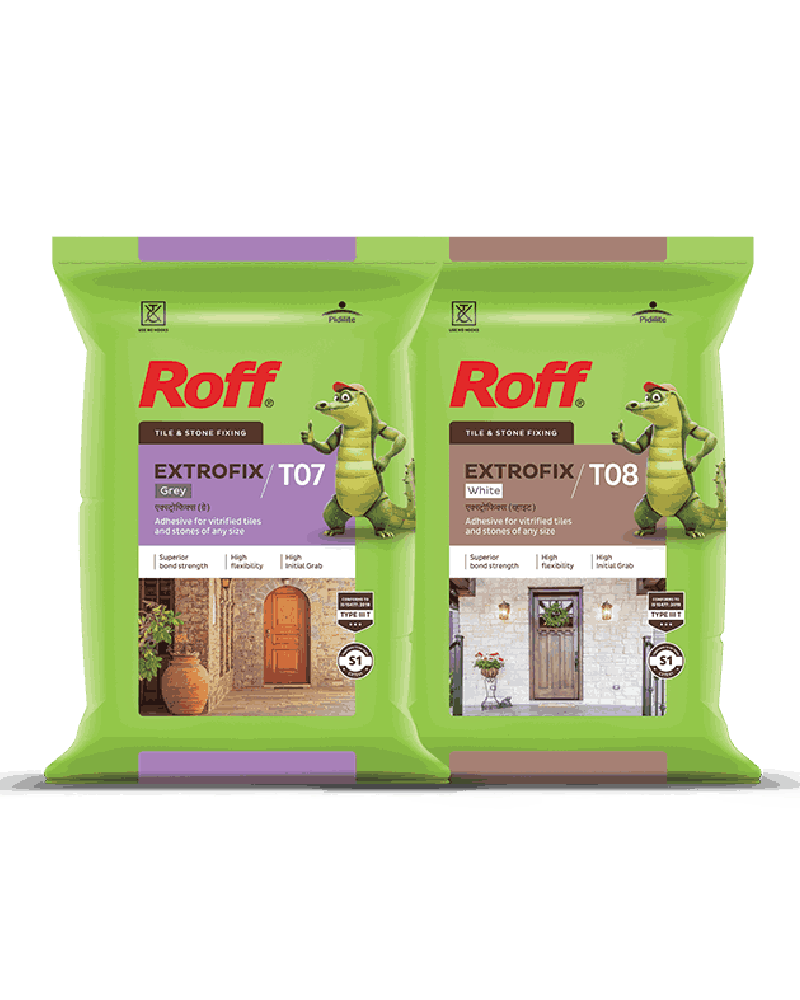
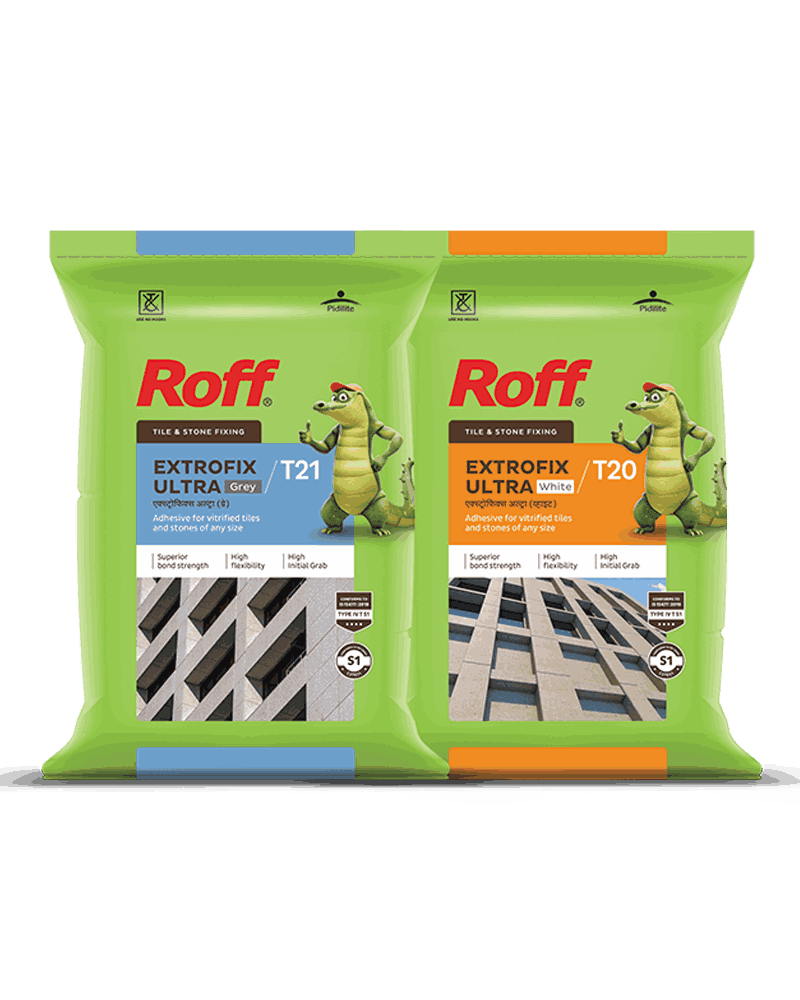
Choose the right exterior-grade adhesive. Roff Extrofix and Roff Extrofix Ultra suit external wall cladding, depending on the tile type, substrate, and installation requirements.
Note that mechanical anchoring is a must for tiles/stones fixed at a height greater than 10 feet.
Ensure proper surface preparation and bonding. A clean, stable substrate and full adhesive contact help prevent tile detachment, cracks, and installation failures.
Properly designed movement joints accommodate thermal changes, while heavy cladding and high-rise installations may require additional mechanical anchoring.
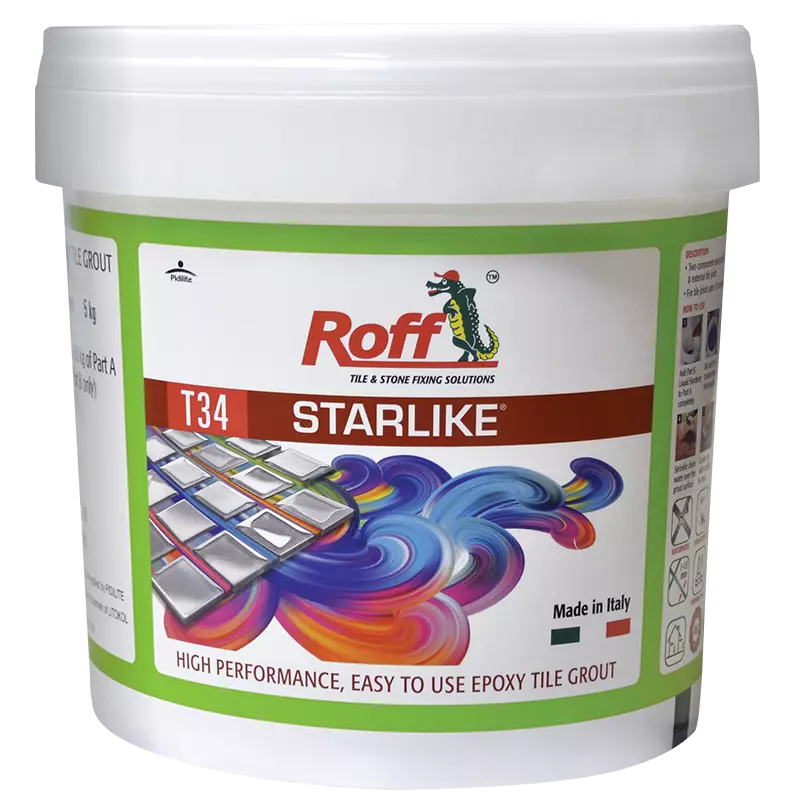
Use weather-resistant grout and sealants. Roff Starlike epoxy grout offers water and stain resistance for suitable exterior applications.
External wall cladding enhances a building’s appearance while protecting its facade, but outdoor installations face challenges that interior tiling does not. Temperature changes and rain can put stress on the bond between the cladding and the substrate. Choosing a suitable exterior-grade adhesive and ensuring full adhesive contact are essential for a durable installation. For suitable applications, Roff Extrofix and Roff Extrofix Ultra are ideal tile adhesives that can be used to achieve durable, long-lasting tiles on external walls. These adhesives are flexible and can hence sustain tile expansive/contraction that occurs due to temperature fluctuations. Moreover, both these adhesives are also UV resistant, making them ideal for outdoor environments.
Why External Cladding Fails
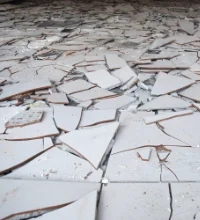
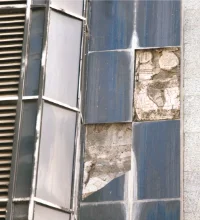
External cladding must withstand changing weather conditions and the weight of the tiles or stone. Failures can occur when the adhesive, substrate preparation, installation technique, or movement-joint design isn’t suited to the facade.
Thermal & wind stress
Exterior walls heat up in direct sunlight and cool down when temperatures fall. These changes cause the facade materials to expand and contract at different rates, creating stress at the adhesive interface. Wind also places pressure on cladding, particularly on tall buildings and exposed elevations.
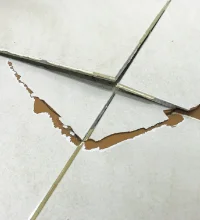
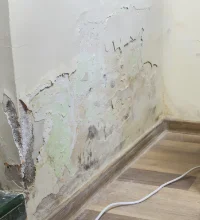
Rainwater can enter poorly sealed joints or reach inadequately protected areas, potentially contributing to deterioration. Without appropriate movement joints and a compatible installation system, repeated environmental stress can weaken the bond and cause tiles to crack, loosen, or detach.
Why interior adhesive fails outside
Interior adhesives are not necessarily designed to withstand moisture exposure and other demands of exterior installations. Using an indoor product outdoors can compromise long-term performance, even if the tiles initially appear secure.
Always select an adhesive explicitly suitable for the intended exterior application, tile material, substrate, and exposure conditions. Outdoor adhesives, such as Roff Extrofix, are highly flexible and allow tiles to comfortably contract/expand without straining them. Product suitability matters especially for large or heavy cladding, where detachment can pose a serious safety risk.
How to Fix External Cladding Tiles (Step by Step)
To fix external cladding tiles, prepare the substrate, select a suitable exterior-grade Roff adhesive, apply it to achieve full contact, position and level the tiles, provide correctly designed movement joints, and use compatible grout and weatherproofing details. Heavy cladding or work at height should be assessed by qualified professionals.
Inspect the substrate and ensure the wall is stable, clean, and suitable for the cladding system. Remove loose material and correct defects before installation.
Consider Roff Extrofix or Extrofix Ultra only after confirming suitability for the tile, substrate, exposure, and project specifications.
Ensure that tiles/stones are mechanically anchored if they are to be fixed at a height of 10 feet or above.
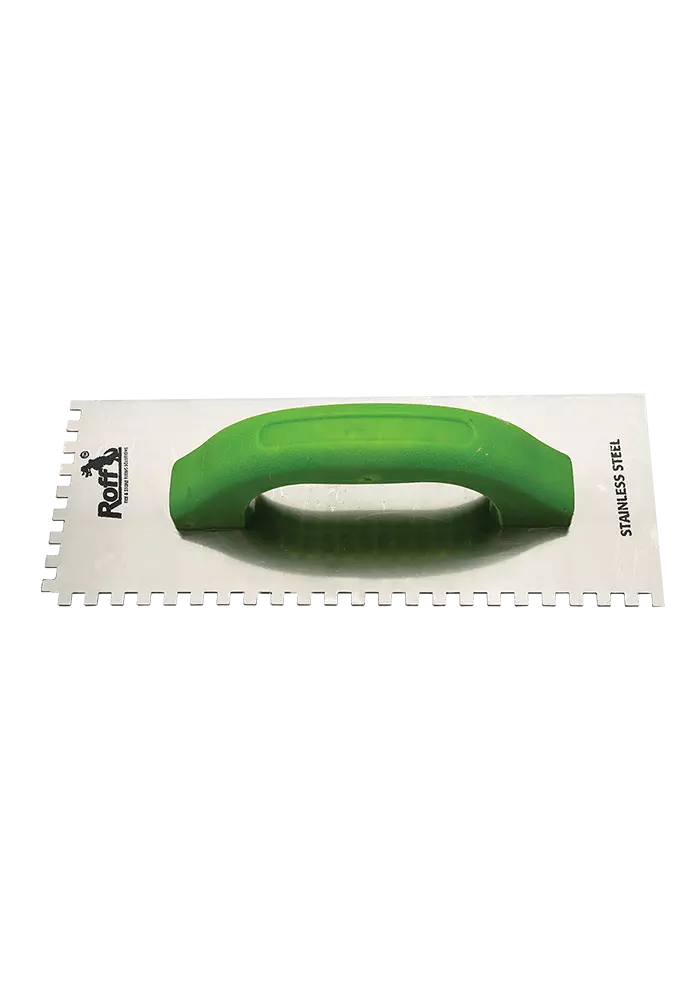
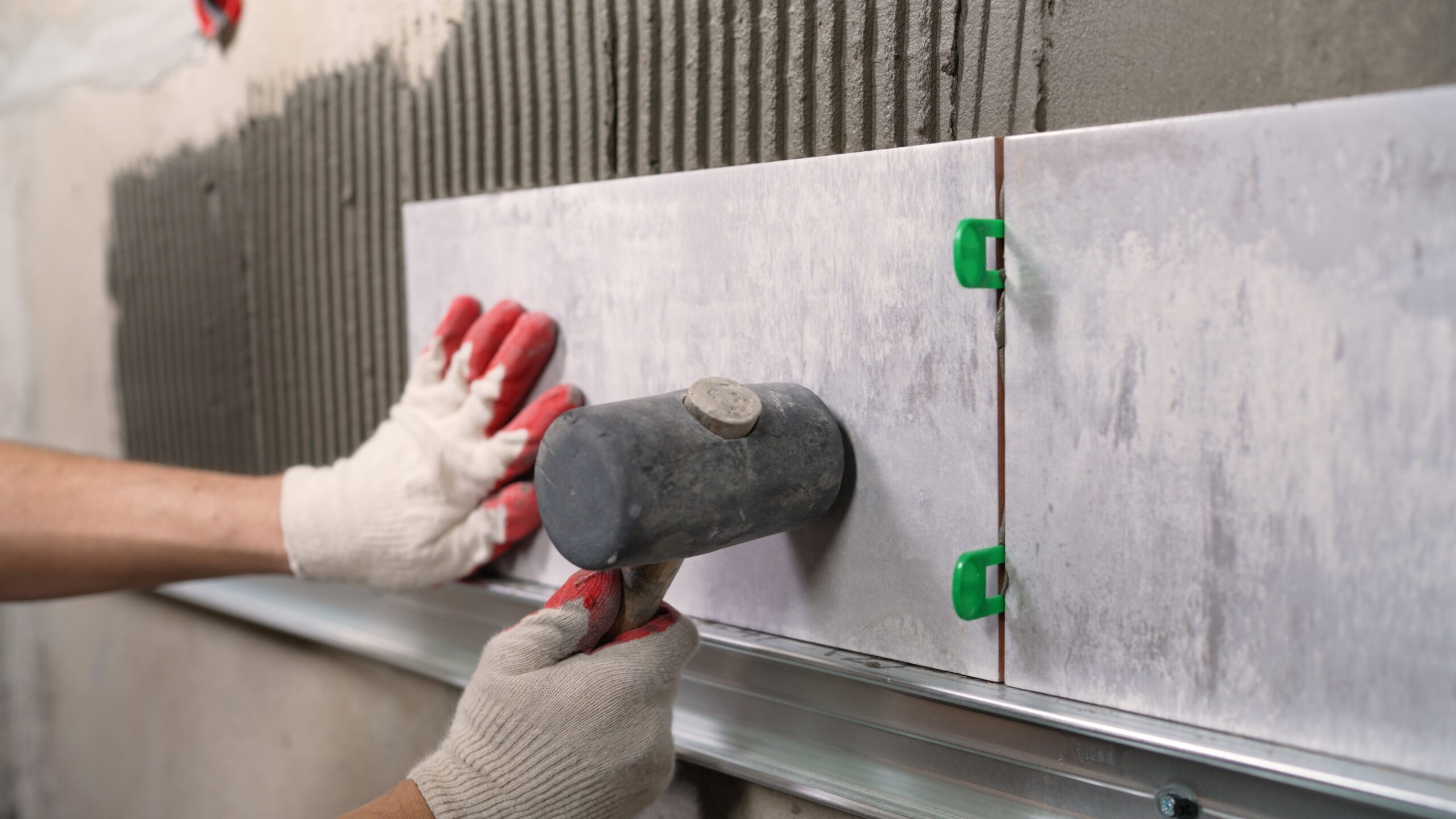
Apply the adhesive using the recommended trowel and application method, working in manageable sections within the product’s open time.
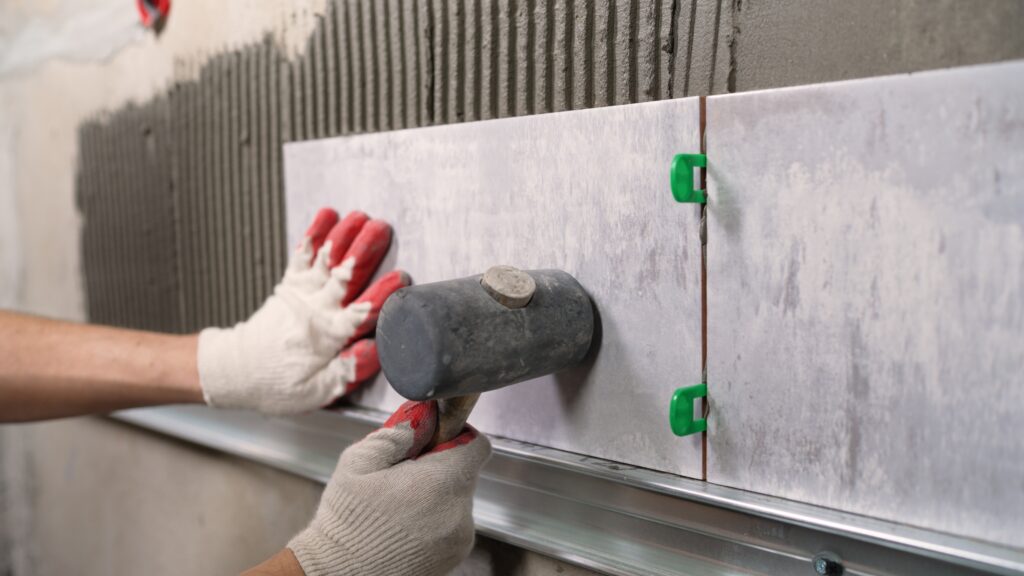
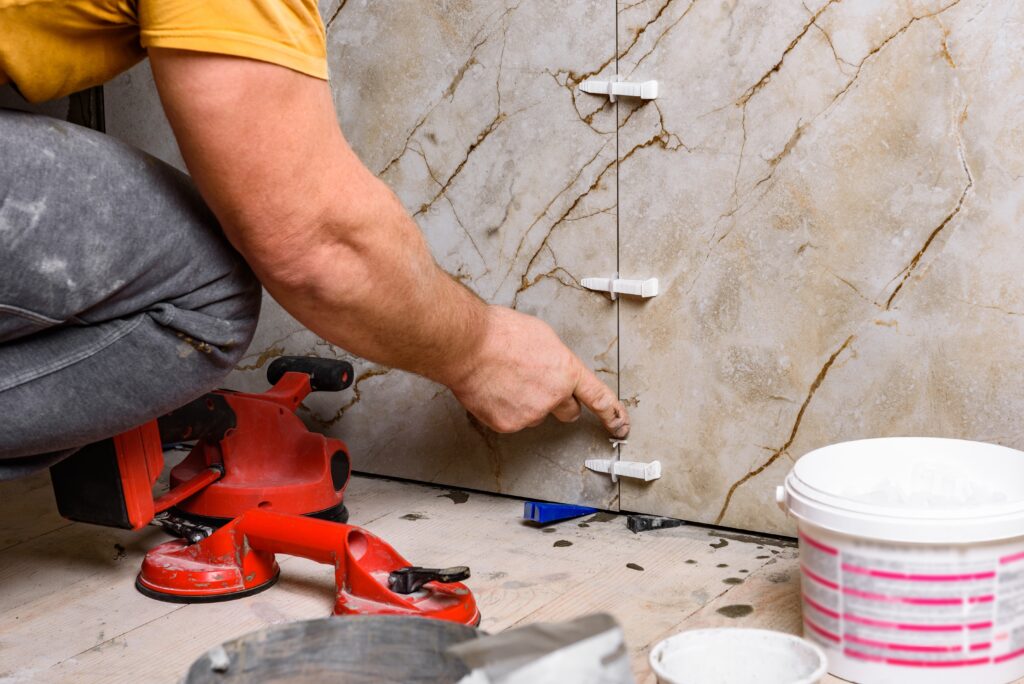
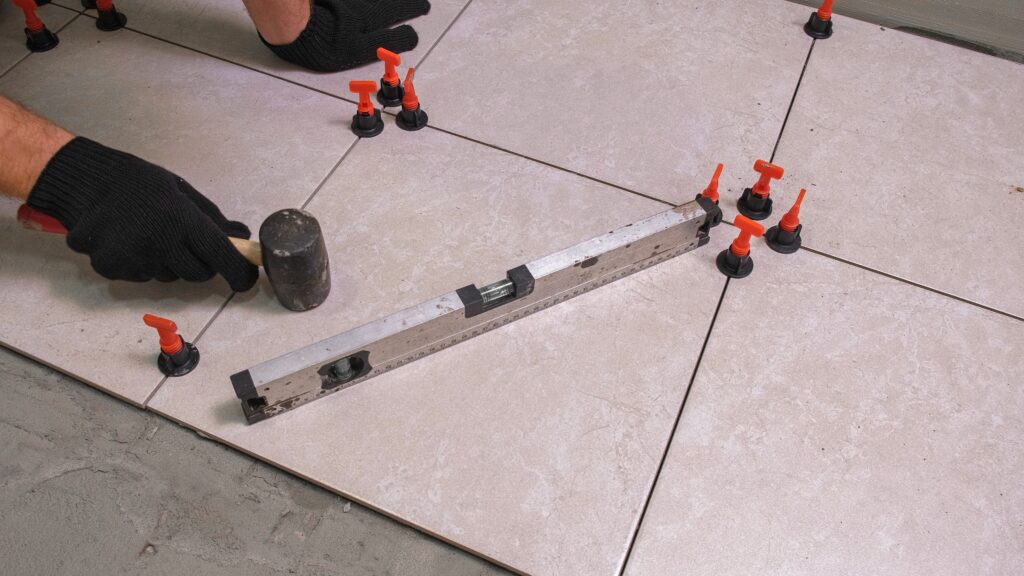
Position the tiles and press each tile firmly into the adhesive, checking for correct alignment.
Follow the facade design and applicable technical guidance rather than rigidly filling every joint.
Grout and seal the appropriate joints with compatible products, then allow the installation to cure as specified.
Full-contact bonding
Full-contact bonding is especially important for exterior cladding because unsupported areas can create weak points under environmental stress. Apply adhesive using the specified technique to minimise voids and achieve the required coverage across the tile’s back.
For larger tiles or stone panels, back-buttering is a must alongside adhesive application to the substrate. Follow the product instructions and project specifications to determine the correct method. Do not assume adhesive ridges alone provide adequate support; remove and reset tiles if inspection reveals insufficient contact.
Expansion Joints & Anchoring
Movement joints accommodate changes in building-material dimensions caused by temperature fluctuations and structural movement. Mechanical support is recommended for tiles or stones installed at a height above 10 feet.
Where to place movement joints
Movement joints should be planned as part of the facade design, not added as an afterthought. Their locations and spacing depend on factors such as the substrate, cladding material, wall dimensions, existing structural joints, and expected movement.
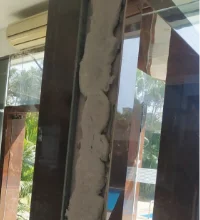
Continue structural movement joints through the cladding system where required, and provide perimeter and intermediate joints according to the approved design. Use a compatible flexible sealant and backing arrangement where specified; rigid grout should not bridge movement joints.
Anchoring heavy/high work
Heavy stone cladding and installations at a height greater than 10 feet require mechanical restraints or anchors in addition to adhesive. The need for these supports depends on the engineered facade system, panel dimensions, substrate, wind loads, and applicable regulations. Do not rely on adhesive alone where the project requires mechanical support. Have a qualified professional assess the anchors and substrate capacity.
Grouting & Weatherproofing Joints
Grout and joint sealants help protect the installation, but they serve different purposes. Select materials that suit the cladding, joint width, exposure, and movement requirements.
Weatherproof grout choice
For suitable exterior tile installations, consider using Roff Starlike for grouting. Roff Starlike epoxy grout offers water and stain resistance and is flexible enough to accommodate natural tile movement caused by temperature changes. Moreover, Roff Starlike can maintain its colour and vibrancy for years thanks to its UV resistance, so you won’t have to deal with blackening grout lines even years after installation.
Seal exposed junctions and other vulnerable details using compatible products specified for the facade system. Allow the adhesive and grout to cure per their instructions, and inspect joints periodically for cracks, gaps, or deterioration.
Frequently asked questions (FAQs)
1) Which adhesive is best for external wall cladding?
Choose an exterior-grade adhesive suitable for the cladding material, substrate, weight, and exposure. Roff Extrofix and Extrofix Ultra are options to evaluate against their technical specifications.
2) Why do facade tiles fall off?
Common causes include poor surface preparation, inadequate adhesive contact, unsuitable adhesive, water ingress, and insufficient movement accommodation. Wind and thermal stress can worsen these problems.
3) Do external tiles need expansion joints?
Yes, exterior cladding generally requires appropriately designed movement joints. Their location and spacing depend on the facade design and installation conditions.
4) Can I use interior adhesive outdoors?
Adhesives for outdoor applications need to have high bond-strength alongside flexibility to accommodate for temperature related expansion/contraction. Use an adhesive outdoors only if the product is explicitly approved for the intended exterior application; an adhesive designed solely for interior use may not withstand outdoor exposure.
5) What grout is best for exterior tiles?
Choose grout suitable for the tile, joint width, and weather exposure. Epoxy grout may suit some applications, while movement joints require compatible flexible sealants rather than rigid grout.