
ADDRESS
Pidilite Industries Ltd,
Ramkrishna Mandir Road,
P.O. Box No. 17411,
Andheri (East) Mumbai – 400059
Roff maintains a pan-India dealer and distributor network, and the easiest way to find an authorised stockist near you is through the store locator feature on roff.in, where you can search by city or pin code. Authorised Roff dealers stock the core adhesive range, including Roff New Construction Adhesive and Non-Skid Adhesive, along with grouts and stone-care products under the Tenax name. Buying through an authorised dealer also ensures you get genuine product batches with valid technical data sheets and access to application support if needed.
Yes, Roff is a tile and stone fixing solutions brand owned and manufactured by Pidilite Industries, one of India’s leading manufacturers of adhesives, sealants and construction chemicals. Roff specialises specifically in products for tiling and natural stone work, including cement-based and polymer-modified adhesives, grouts, under-tile waterproofing coatings, and stone-care products under the Tenax name. Being part of Pidilite gives Roff access to established manufacturing standards, R&D and a wide distribution network across India, supporting its dealer presence in most cities and towns.
Roff tile adhesives are formulated to Indian and European technical standards and have been used across residential and commercial projects in India for years as part of Pidilite’s building materials portfolio. The value comes from reduced tile wastage, stronger long-term bonding than traditional sand-cement mortar, faster installation, and a product range built for specific needs, from Roff New Construction Adhesive for standard floors to Roff Extrofix for exterior cladding. Backed by technical data sheets and a nationwide dealer network, Roff is built to give predictable, lasting results when used as per its application guidelines.
Roff is a tile and stone fixing solutions brand from Pidilite Industries, one of India’s established manufacturers of construction chemicals and adhesives. Roff offers a comprehensive system covering tile adhesives, grouts, waterproofing under-tile coatings and stone care products, distributed through an extensive dealer network across the country. Its range is built around specific applications, including Roff New Construction Adhesive for standard tiling, Roff Extrofix for exterior cladding, and Tenax products for natural stone maintenance, supported by technical data sheets and an Adhesive Selector tool on roff.in.
Roff tile adhesives are available across India through an extensive network of authorised dealers and hardware and tile retail stores, as Roff is distributed nationally as part of Pidilite’s building materials business. Customers can locate their nearest stockist using the dealer locator on roff.in, which lists outlets carrying the full range, from Roff New Construction Adhesive to specialty products like Roff Vitrofix Ultra and Tenax stone care items. Many authorised dealers can also provide on-ground technical guidance on selecting the right product for a specific tiling job.
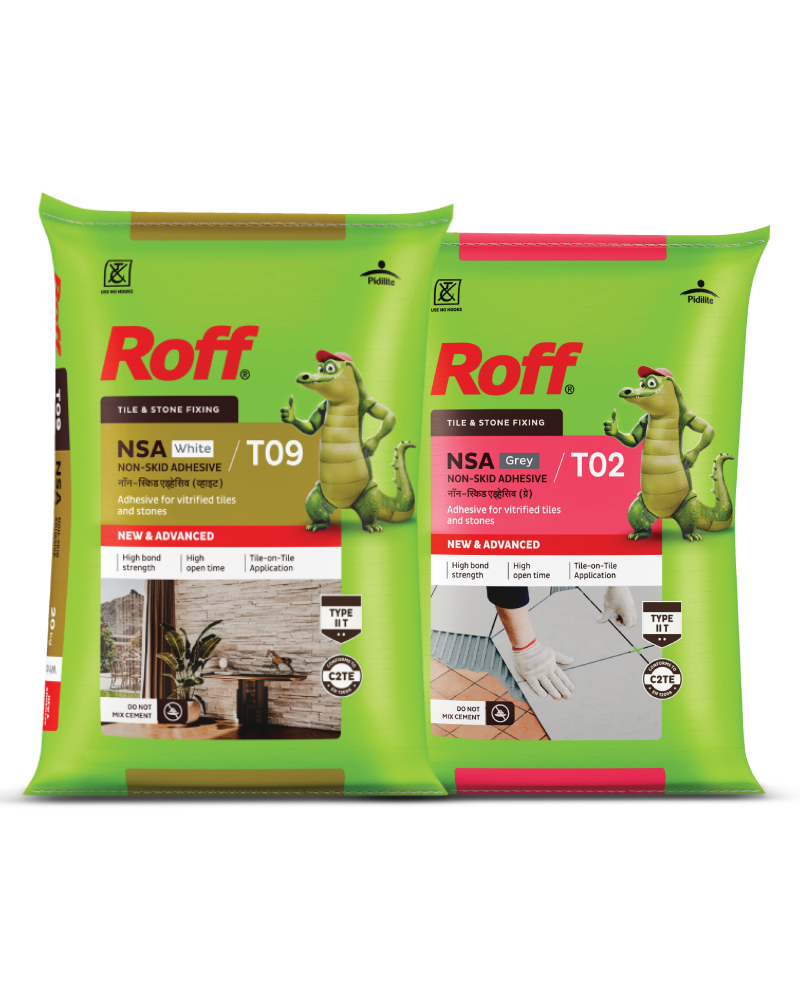
Roff Non-Skid Adhesive (NSA) is well suited to bathroom floor tiling because it is designed for natural stones, terracotta and regular-size vitrified tiles on floors, areas where slip resistance and reliable grip matter most. It offers strong adhesion on horizontal surfaces and works well in the humid conditions typical of Indian bathrooms. For added protection against water seepage under the tiles, it is commonly paired with Roff Hyguard Ex waterproof coating before tiling begins. A Roff technical expert or the Adhesive Selector tool on roff.in can confirm the right match for your specific tile type.
Roff is specified in architectural projects because it offers a wide, application-specific range, from Roff Extrofix for exterior cladding to Roff Master Fix for engineered stone and drywall substrates, backed by documented technical data sheets that make it easier to plan installations correctly. As a Pidilite brand, Roff also provides technical support and a consistent supply chain across India, which matters for larger specified projects. The breadth of the range means architects can specify a single, consistent adhesive and grout system across varied tile and stone materials in one project.
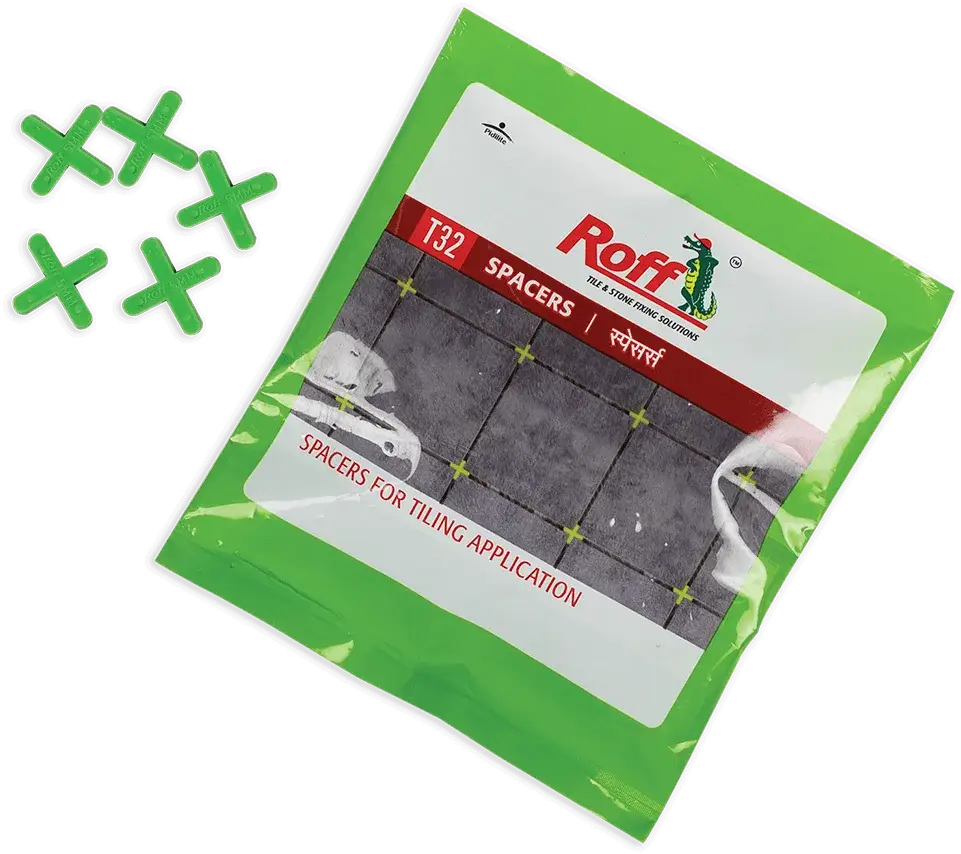
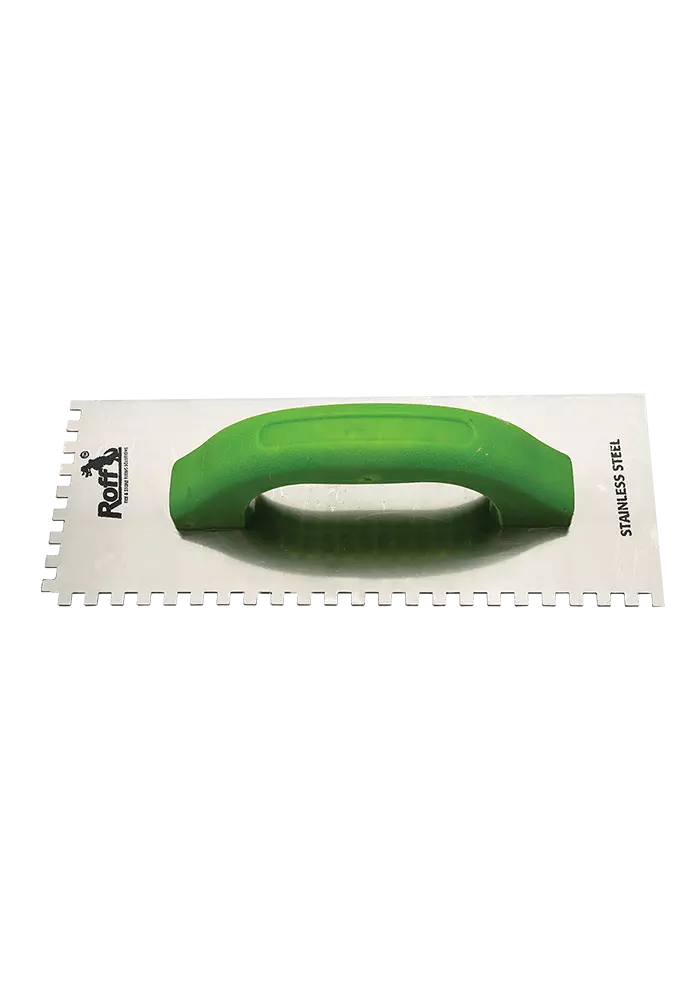
Roff outlines a straightforward process for wall tiling: first clean and level the wall substrate, removing dust and loose material. Apply Roff New Construction Adhesive or Roff Vitrofix with a notch trowel, spreading it evenly and combing it into ridges. Press each tile into the adhesive within its open time, using spacers for consistent joints, and check alignment with a level as you go, since wall tiles can slip while the adhesive is wet. Once the wall is complete, allow the adhesive to cure fully before grouting the joints.
Roff advises that coverage per bag depends on the trowel notch size used, the tile size and shape, and how level the substrate is, since a larger notch or bigger tiles require more adhesive per square metre. Each Roff product’s technical data sheet gives an approximate coverage range under standard conditions, but real-world coverage can vary with substrate roughness. The easiest way to get a project-specific estimate is to enter your tile size, area and chosen product into the Adhesive Coverage Calculator on roff.in.
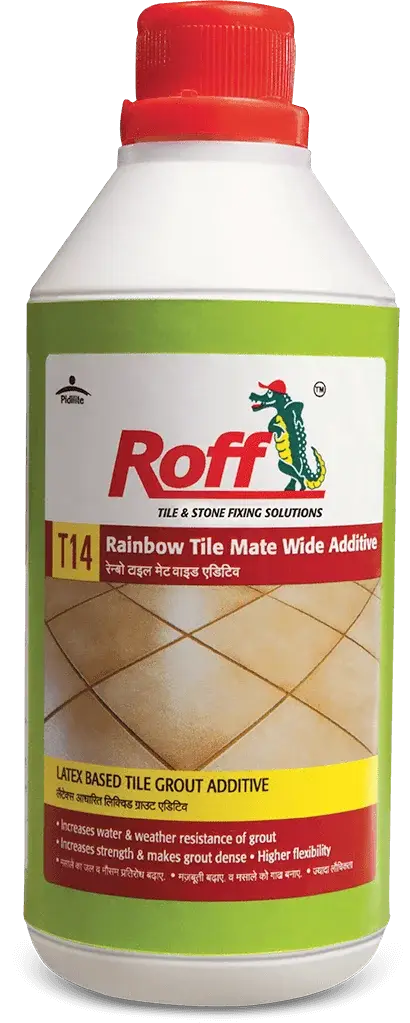
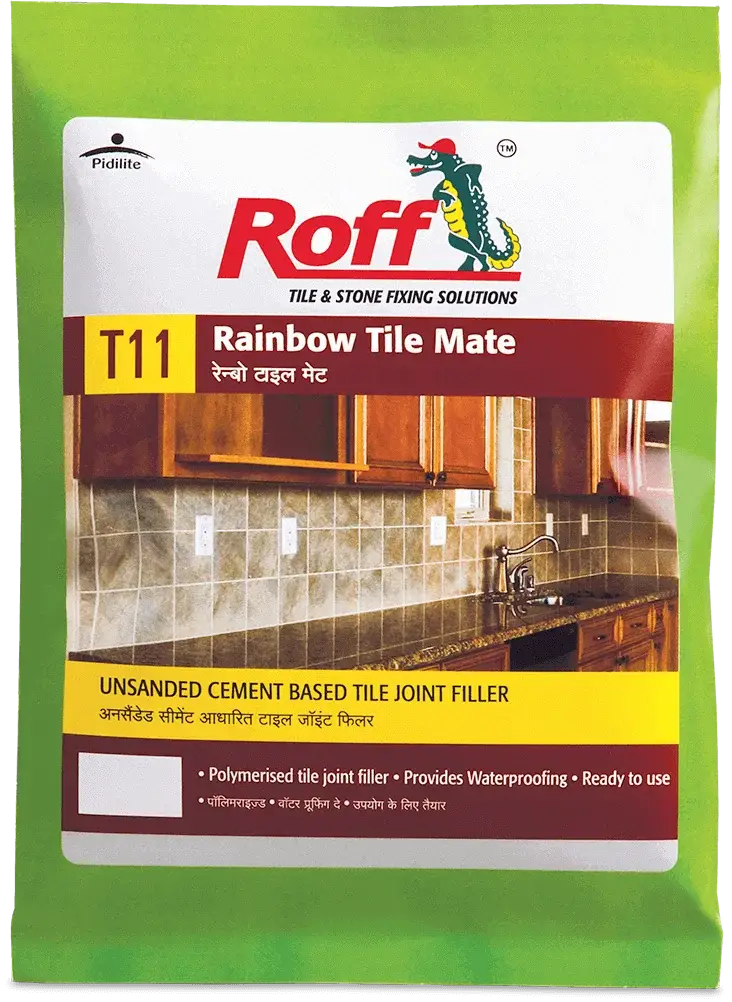
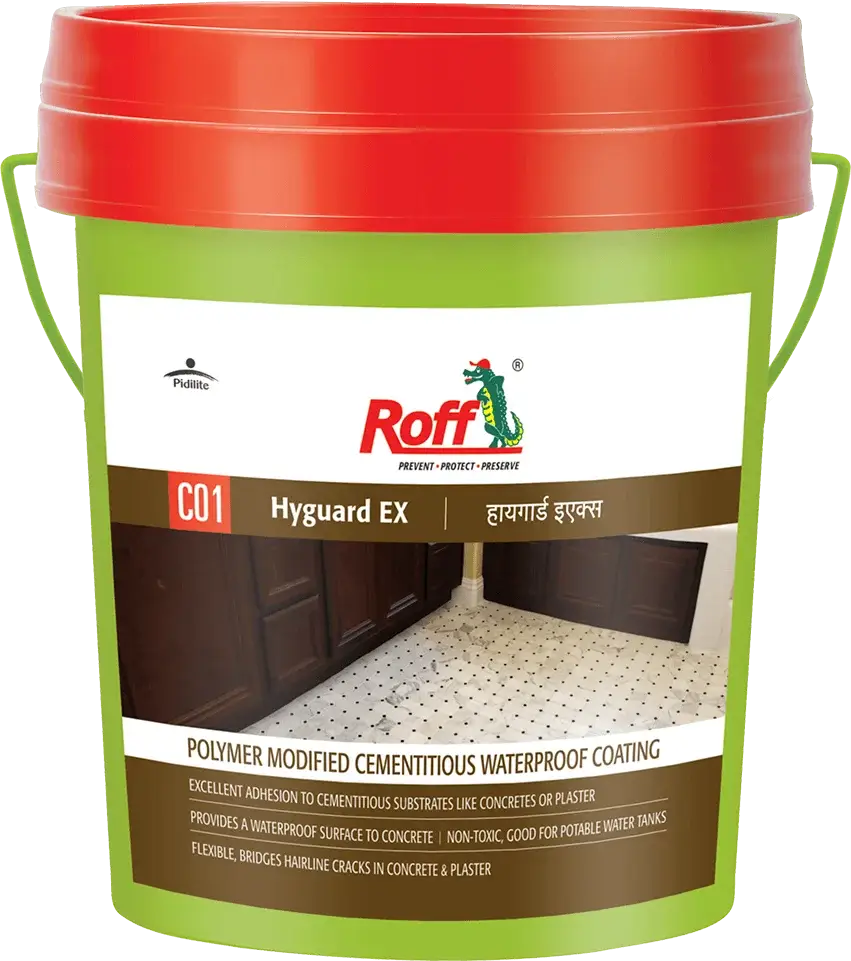
For bathroom tiles, Roff recommends applying Roff Hyguard Ex waterproof coating to floors and lower walls first, since bathrooms see constant moisture exposure that a tile adhesive alone does not block. Once cured, apply Roff Non-Skid Adhesive with a notch trowel, comb evenly, and lay tiles within the open time, using spacers and checking level throughout. After the adhesive has cured, grout with a water-resistant product like Roff Rainbow Tile Mate to keep joints stain-free and prevent moisture getting behind the tiles.
Roff Extrofix Adhesive is designed for wall cladding using ceramic tiles, marble or natural stone on internal and external surfaces. Begin with a sound, clean wall substrate, apply the adhesive with a notch trowel and comb it evenly, then press the cladding piece into place within the adhesive’s open time, using spacers for consistent joints. Heavier cladding materials may need additional mechanical support depending on height and weight. For cladding on facades prone to vibration, Roff Extrofix Ultra offers extra high-tensile bonding strength for durability.
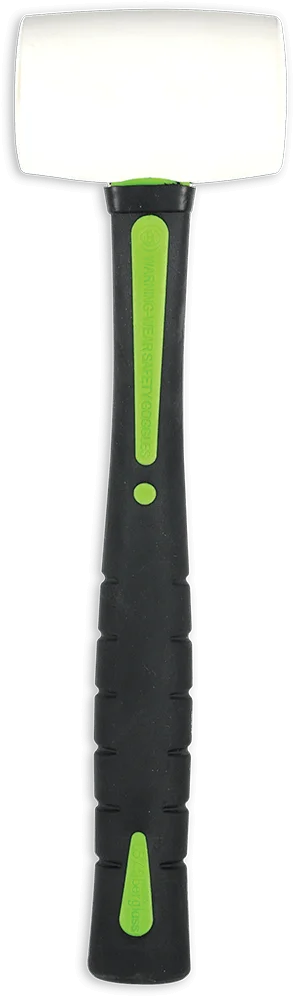
Roff recommends preparing the external wall by removing dust, loose plaster and any contamination, then applying Roff Extrofix Adhesive with a notch trowel in an even, combed layer. Press the tile firmly into the adhesive within its open time, checking alignment with spacers and tapping gently with a rubber mallet to bed it evenly. Because external walls face more weathering, allow the full recommended curing period before grouting, and consider Roff Extrofix Ultra instead if the wall is tall or exposed to vibration for extra bonding security.
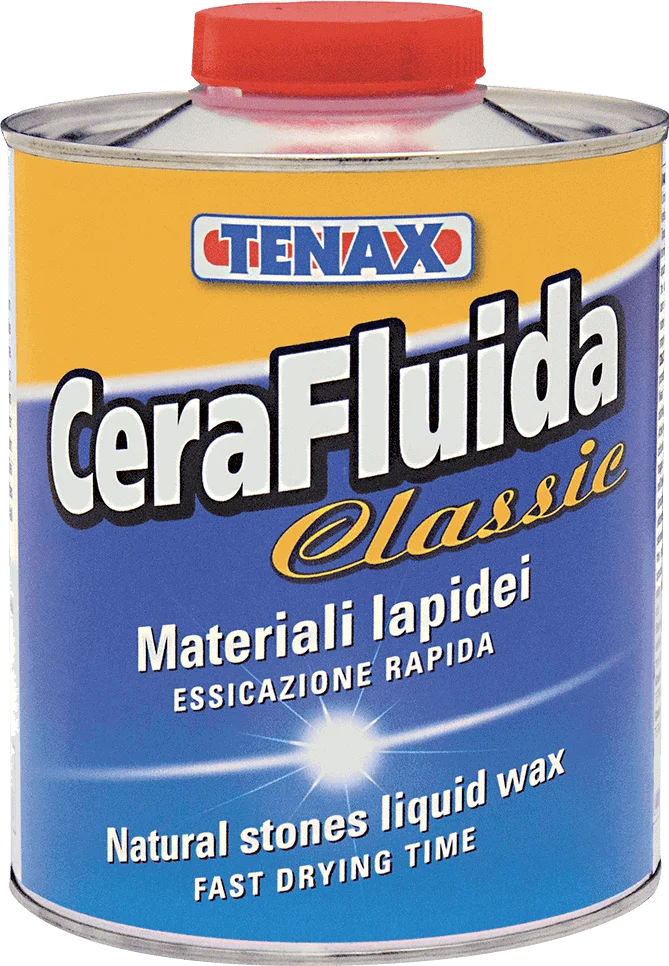
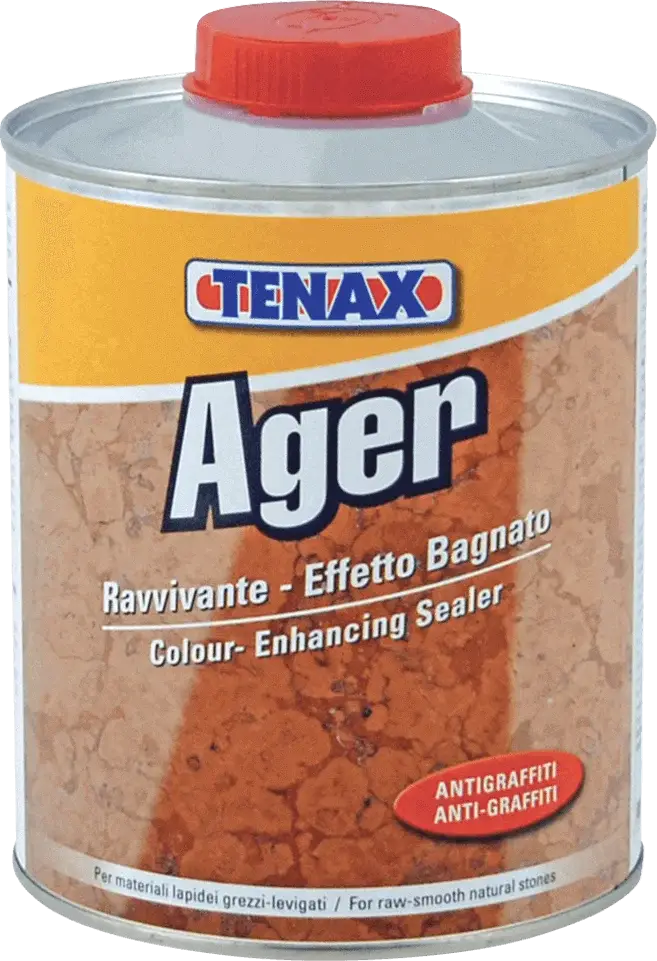
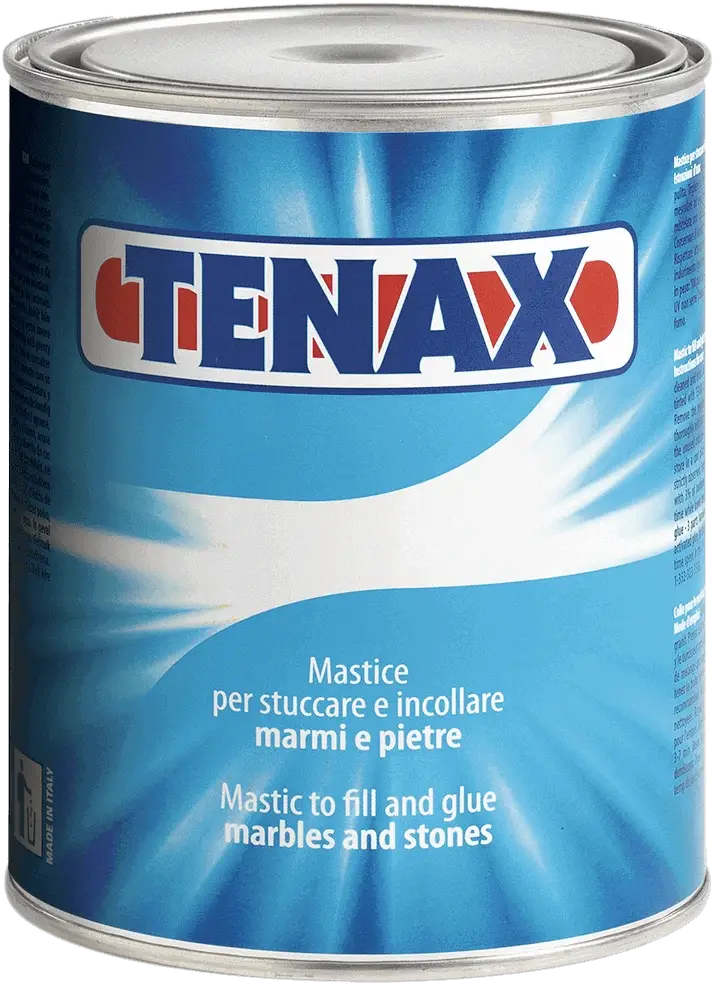
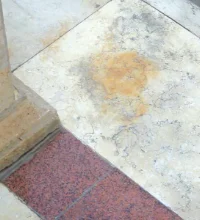
Roff Non-Skid Adhesive is suitable for marble flooring, applied with a notch trowel onto a clean, level, cured substrate and combed evenly before the marble is laid within the adhesive’s open time. Because marble can be sensitive to staining, it’s advisable to treat it with Tenax Anti-Efflorescence, a pre-laying sealer, before installation to protect against moisture-related marks coming through from below. Once the flooring has cured and been grouted, Tenax Cera Fluida wax polish or Tenax Ager can be used to enhance and maintain the marble’s finish.
Roff Non-Skid Adhesive is well suited to bathroom floor tiling. Start by applying Roff Hyguard Ex waterproof coating to the substrate to protect against moisture seepage, then once cured, apply the adhesive with a notch trowel, comb it evenly, and lay tiles within the open time, checking level with spacers. Bathroom floors should also be tiled with a slight slope toward the drain, which should be established before adhesive application. Allow full curing before grouting with a water-resistant product such as Roff Rainbow Tile Mate.
Roff New Construction Adhesive is well suited for ceramic floor tiling. Start with a clean, dry, level substrate, then spread the adhesive with the recommended notch trowel size and comb it into even ridges. Lay each ceramic tile within the adhesive’s open time, pressing and tapping it gently with a rubber mallet to bed it fully and avoid hollow spots, using spacers to keep joints consistent. Let the floor cure for the recommended period, generally at least 24 hours, before walking on it or grouting the joints.
Roff recommends using Roff Extrofix Adhesive for external cladding, starting with a clean, structurally sound wall surface free of dust, loose plaster or contamination. Apply the adhesive with a notch trowel in a consistent layer, comb it to create ridges, and press the cladding tile or stone firmly into place within the adhesive’s open time, checking alignment with spacers. For taller elevations or areas prone to vibration, Roff Extrofix Ultra offers additional high-tensile strength. Allow full curing before grouting, and avoid loading or disturbing the cladding until the adhesive has set.
Roff Extrofix Adhesive is suitable for external flooring, applied with a notch trowel over a clean, structurally sound substrate with adequate slope for water drainage already established. Comb the adhesive evenly and lay tiles within the open time, checking level and using spacers for consistent joints, since external floors need to shed water rather than pool it. Given exposure to weather and temperature swings, allow full curing before grouting, and consider Roff Extrofix Ultra for external floors that also experience vibration or heavy use.
Roff advises preparing the floor substrate first, ensuring it is clean, level and structurally sound, before applying a suitable product such as Roff New Construction Adhesive or Roff Vitrofix with a notch trowel. Comb the adhesive into consistent ridges, then lay tiles within the product’s open time, tapping each one with a rubber mallet and using spacers for even joints. Check periodically that no adhesive has skinned over before placing tiles, since this weakens the bond, and allow full curing before grouting or foot traffic.
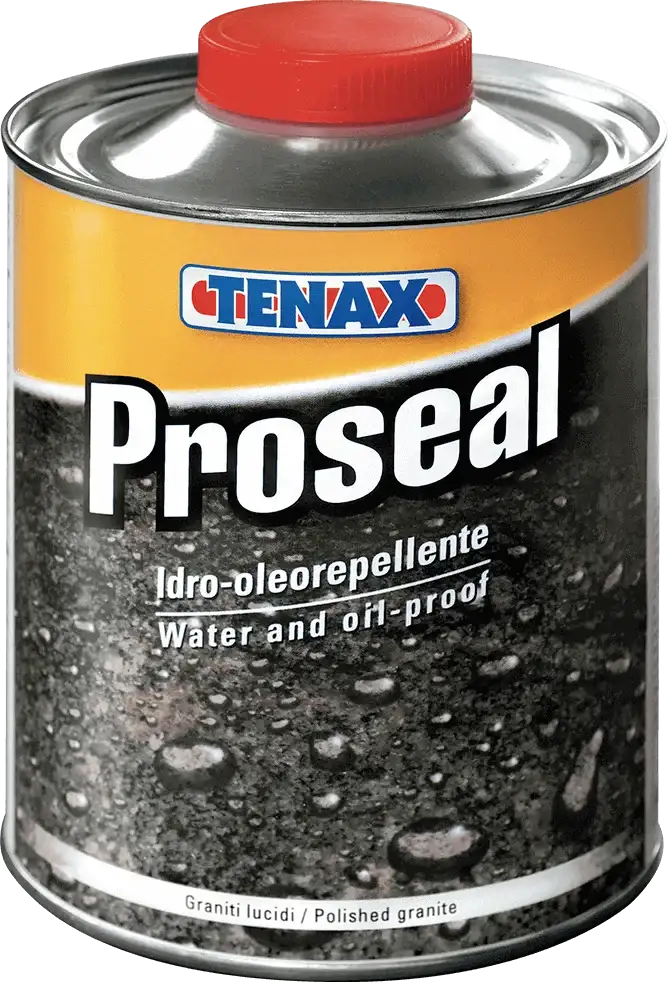
Roff Non-Skid Adhesive works well for granite flooring, applied with a notch trowel over a clean, level substrate and combed evenly to ensure full contact under the dense, heavy granite slab. Because granite is particularly heavy, achieving complete adhesive coverage beneath each piece is critical to avoid hollow spots that could lead to cracking. After installation and grouting, treating the granite with Tenax Proseal helps protect the surface from stains and moisture while maintaining its natural appearance.
Roff Non-Skid Adhesive is applied to marble flooring using a notch trowel on a clean, level, cured substrate, combing the adhesive into even ridges before the marble slab is laid within the adhesive’s open time. Because marble can absorb moisture and adhesive residue, treating the underside and surface with Tenax Anti-Efflorescence beforehand helps prevent staining from below. Once the floor is fully cured, grout the joints and finish with Tenax Cera Fluida wax polish to protect and enhance the marble’s natural shine.
Roff Vitrofix Ultra is well suited to porcelain floor tiling, given porcelain’s very low water absorption compared with standard ceramic tiles. Apply it with a notch trowel over a clean, level substrate, combing it evenly to ensure full coverage beneath each porcelain tile, since porcelain’s density makes hollow spots more likely to cause cracking under load. Lay tiles within the adhesive’s open time, checking level with spacers, and allow full curing before grouting or permitting foot traffic on the new porcelain floor.
Roff Non-Skid Adhesive is suited to stone floor tiling, applied with a notch trowel over a clean, level, structurally sound substrate and combed evenly before the stone is laid within the adhesive’s open time. Given that natural stone varies in thickness and weight, achieving full coverage beneath the stone, rather than dots or partial ridges, is especially important to prevent cracking under load later. Tapping the stone gently with a rubber mallet helps ensure even contact, and full curing should be allowed before grouting or foot traffic.
Roff recommends first ensuring the floor substrate is clean, level and free of dust or loose material before applying adhesive. Using a notch trowel, spread Roff Vitrofix or Roff New Construction Adhesive evenly at the recommended thickness, then comb it into ridges to ensure full contact when the tile is pressed down. Place vitrified tiles within the adhesive’s open time, tapping them gently with a rubber mallet to bed them in and check level with spacers between tiles. Allow the recommended curing period before grouting with a product like Roff Rainbow Tile Mate.
Roff recommends starting with a clean, sound, dust-free wall substrate before applying Roff New Construction Adhesive or Roff Vitrofix with a notch trowel, combing it into even ridges. Press each tile firmly into the adhesive within its open time, using spacers for consistent joints and checking regularly with a level, since gravity makes wall tiles more prone to slipping than floor tiles while the adhesive is still wet. For larger or heavier wall tiles, Roff Yogafix’s extended open time and flexibility can help reduce slump during installation.
High humidity slows the drying and curing time of Roff tile adhesive because the adhesive needs to lose moisture to set fully, and humid air reduces how quickly that moisture can evaporate from the applied layer. This means open time can also behave differently in humid conditions, as the adhesive surface may take longer to skin over. In very humid environments or monsoon-season projects, allowing extra curing time before grouting or subjecting the tiles to load is advisable, and checking the specific Roff product’s technical data sheet for guidance is recommended.
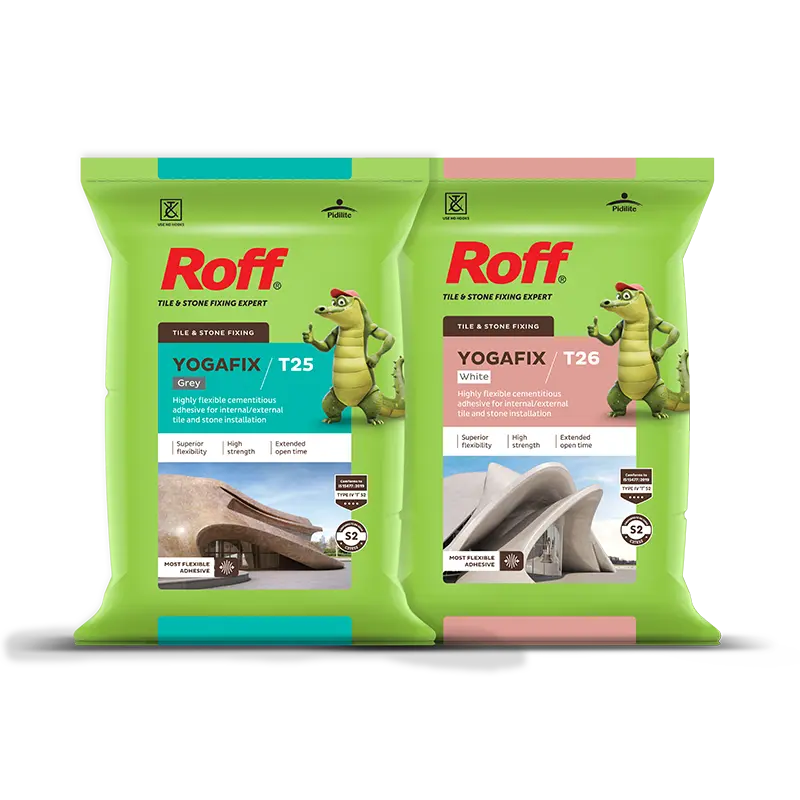
Open time is the window after Roff tile adhesive is spread on a substrate during which a tile can still be placed and properly bonded before the adhesive begins to skin over and lose its stickiness. It matters because pressing a tile into adhesive that has exceeded its open time results in a weak or failed bond, even if it looks fine initially. Products like Roff Yogafix are formulated with extended open time specifically to give installers more working time for large or intricate tile layouts.
Roff recommends choosing an adhesive for ceramic tiles based on where the tile is being fixed: Roff New Construction Adhesive suits standard indoor floors, Roff Non-Skid Adhesive works well for bathrooms and other floor-and-wall applications, and Roff Extrofix is needed for exterior ceramic tiling. Tile size and substrate type, such as concrete, plywood or cement board, also factor into the right choice, since not every adhesive suits every surface. The Adhesive Selector tool on roff.in walks through these variables to recommend the most suitable Roff product for a specific job.
Roff maintains consistent quality by manufacturing its tile adhesives as polymer-modified, cement-based formulations tested for bond strength, flexibility and workability at every stage of production. As part of Pidilite, Roff adhesives undergo standardised quality checks and are supported by published technical data sheets covering coverage, open time and application conditions for each product. The range is segmented by use case, such as Roff NCA for new construction floors and Roff Vitrofix Ultra for demanding vitrified and natural stone tiles, so the right formulation is available for a given surface and tile type.
Roff tile adhesives are formulated to Indian and European technical standards and have been used across residential and commercial projects in India for years as part of Pidilite’s building materials portfolio. The value comes from reduced tile wastage, stronger long-term bonding than traditional sand-cement mortar, faster installation, and a product range built for specific needs, from Roff New Construction Adhesive for standard floors to Roff Extrofix for exterior cladding. Backed by technical data sheets and a nationwide dealer network, Roff is built to give predictable, lasting results when used as per its application guidelines.
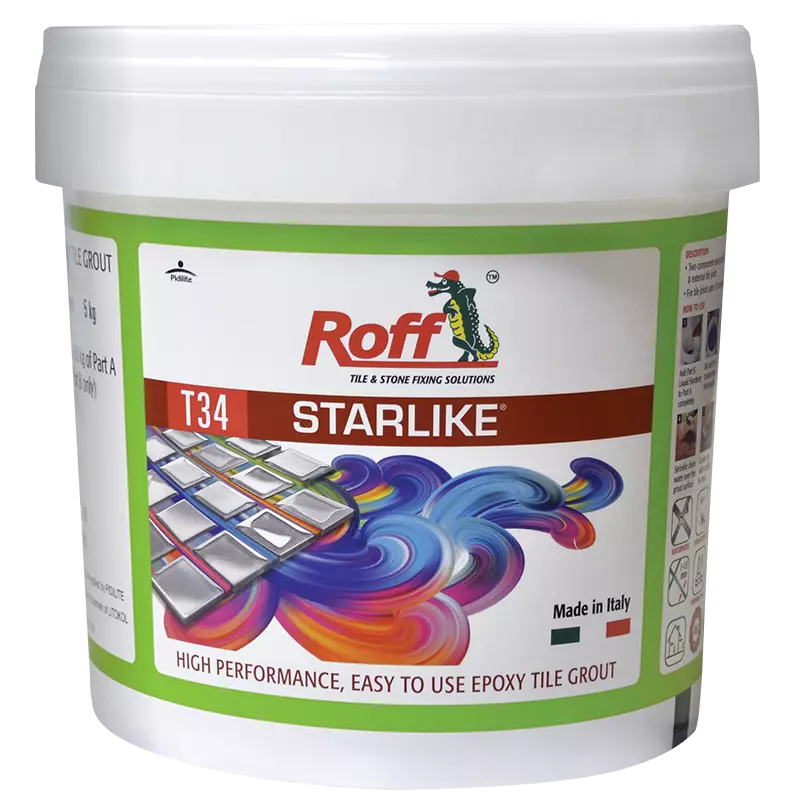
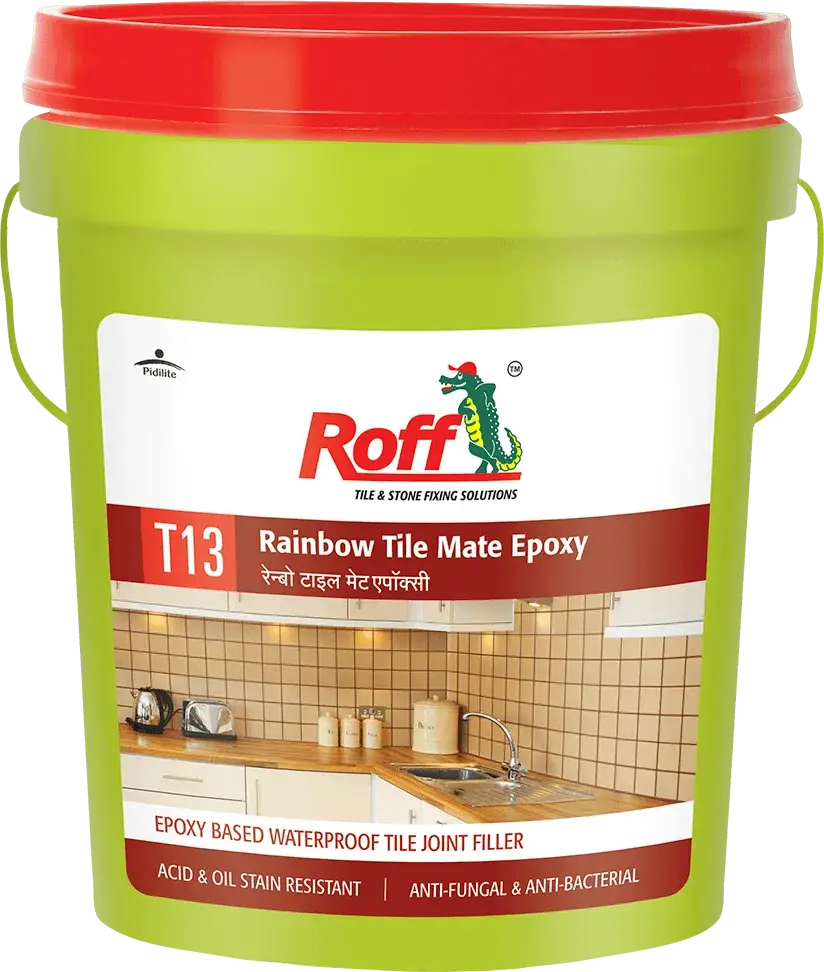
Roff’s epoxy-based offerings, such as Roff Starlike epoxy grout and the Rainbow Tile Mate Epoxy Grout, are used mainly for joint filling in areas needing high chemical resistance, stain resistance and a completely waterproof finish, such as kitchens, bathrooms and commercial spaces, rather than as the primary tile-fixing adhesive. Pricing for any epoxy-based product depends on pack size, area of coverage and the complexity of the surface. For an accurate estimate for your project, Roff recommends checking with an authorised dealer or using the Adhesive Selector and coverage tools on roff.in.
Roff tile adhesives are differentiated by polymer modification, a cement base enhanced with polymers that improves flexibility, water resistance and bond strength well beyond what plain sand-cement mortar offers. The range is organised by application: Roff New Construction Adhesive for standard new floors, Roff Extrofix for exterior cladding, Roff Master Fix for metal, plywood and cement board substrates, and Roff Yogafix for large, flexible tiling needs. Each product comes with a published technical data sheet detailing coverage, open time and recommended use, helping buyers choose based on their specific tiling requirement.
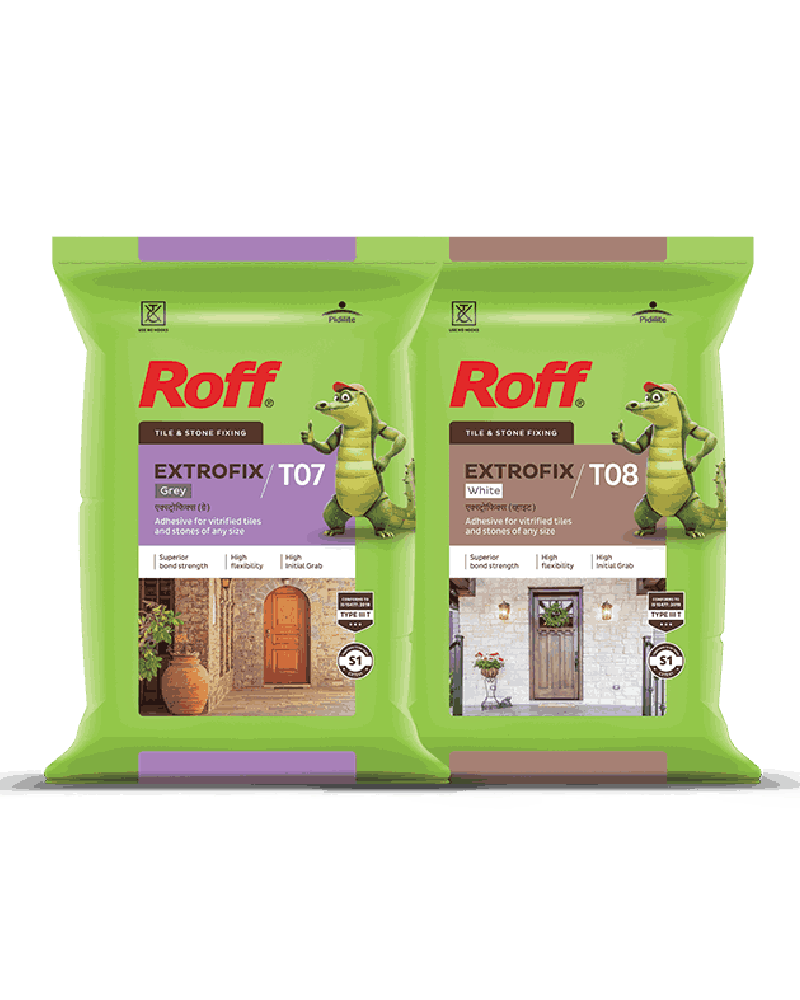
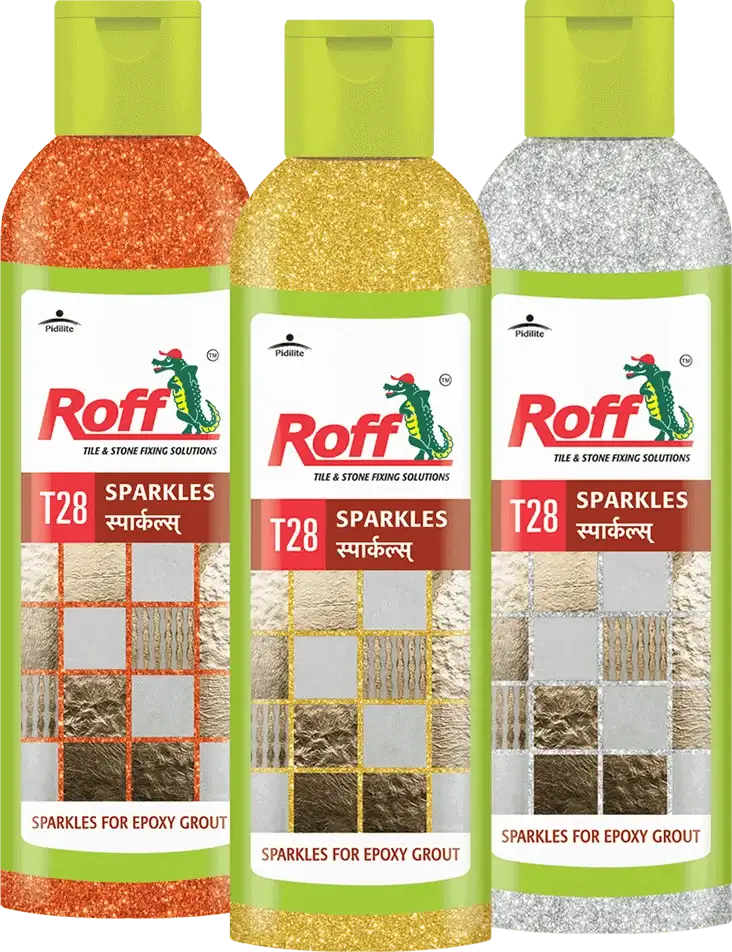
Roff offers a full system for tile and stone fixing, from adhesives to grouts and stone care. The adhesive range includes Roff New Construction Adhesive, Non-Skid Adhesive, Vitrofix and Vitrofix Ultra, Extrofix and Extrofix Ultra, Master Fix, Vertifix, Tile Bonder and Yogafix, covering ceramic, vitrified, natural stone and large-format tiles indoors and outdoors. For joints, Roff makes Rainbow Tile Mate and Starlike epoxy grout, plus Sparkles decorative additive. The range extends to under-tile waterproofing with Hyguard Ex and Bond Repair, and stone maintenance under the Tenax brand.
Roff Non-Skid Adhesive is well suited to bathroom tiling because it is formulated for floor and wall applications on tiles including terracotta, natural stone and regular vitrified formats, areas that see constant moisture exposure. Pairing it with Roff Hyguard Ex, a polymer-modified waterproof coating applied to the under-tile area, adds an extra layer of protection against seepage into walls and floors, which is particularly important in Indian bathrooms. Together, this adhesive-and-waterproofing approach addresses both grip and moisture resistance in one system.
Roff, from the house of Pidilite, makes polymer-modified tile adhesives engineered for strong bonding, easy workability and long-term durability across ceramic, vitrified and natural stone applications. Every Roff adhesive is manufactured under strict quality control and tested for bond strength, flexibility and water resistance before it reaches the market. The range spans everyday options like Roff New Construction Adhesive to specialised formulations like Roff Vitrofix Ultra for demanding tile types, so homeowners and contractors can match the product to the exact tiling job using the Roff Adhesive Selector tool on roff.in.
Roff tile adhesives are built with contractor workflows in mind, offering consistent workability, adequate open time for repositioning tiles, and a range segmented by application so the same crew can use the correct product across different site conditions. Bulk bag sizes, technical data sheets detailing coverage and mixing ratios, and a wide dealer network for reliable supply during large projects all support site efficiency. Products like Roff Vertifix, which enables fast spot-bonding, are also used by contractors needing quicker turnaround on select fixing tasks.
Roff’s tile adhesives are defined by polymer modification, which improves flexibility, water resistance and bond strength compared with plain cement-sand mortar. Each formulation in the range, from Roff New Construction Adhesive to Roff Vitrofix Ultra, is engineered for a specific substrate and tile combination, with published technical data sheets covering coverage rate, open time and pot life. Roff adhesives are manufactured under Pidilite’s quality systems and tested to relevant technical standards before release. This product-specific approach means the adhesive can be matched precisely to the tile size, material and installation environment.
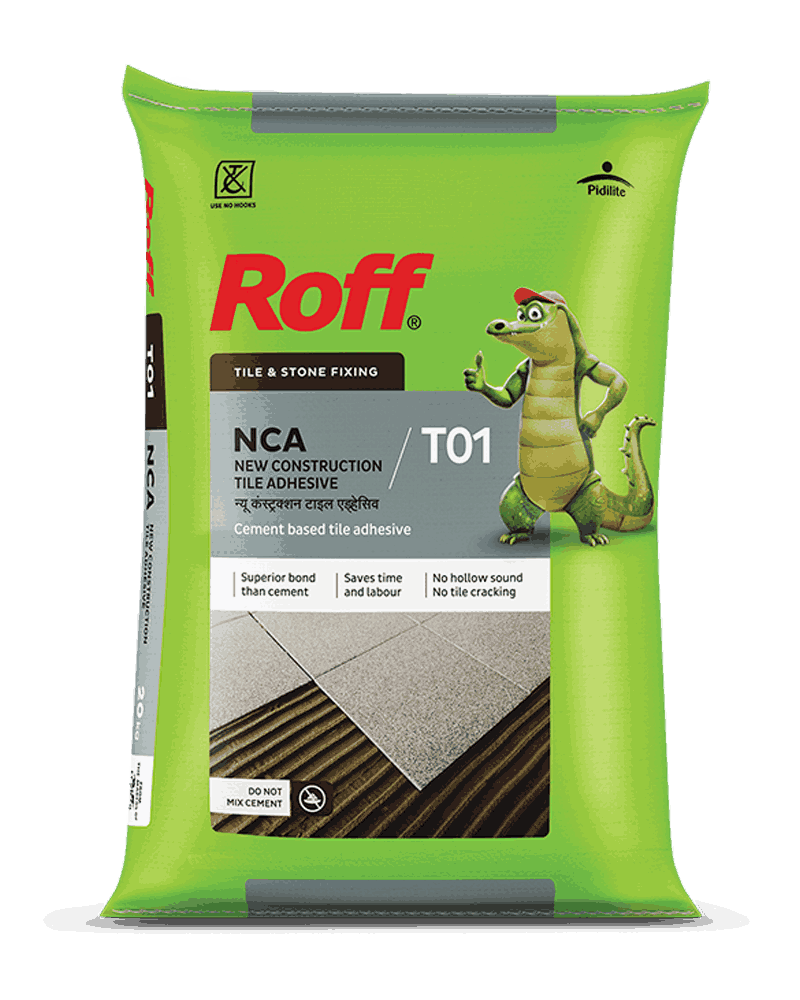
Roff New Construction Adhesive (NCA) is designed for fixing ceramic tiles and new floor tiles, making it a straightforward choice for standard ceramic floor tiling in residential and light commercial projects. It is a polymer-modified, grey cement-based adhesive offering reliable bond strength and workability for everyday floor installations. For ceramic tiles used in wetter areas such as bathrooms, Roff Non-Skid Adhesive is also a suitable alternative given its floor and wall application versatility. Checking the tile’s size and the room’s moisture exposure helps confirm the best fit.
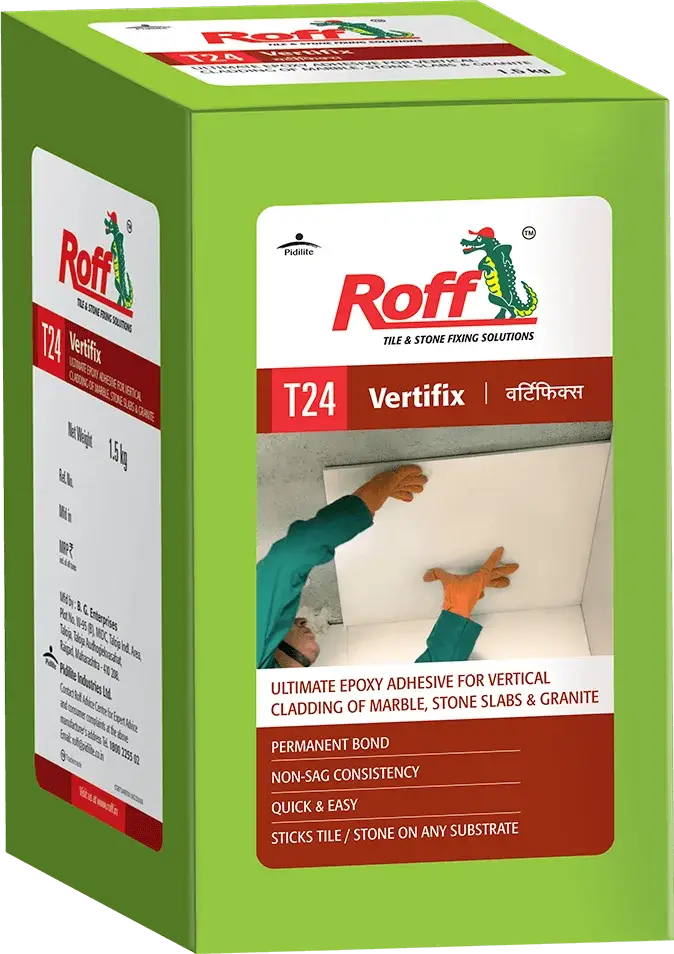
Roff Vertifix is a practical option for ceramic tile repair because it is a quick-fix adhesive designed for fast, strong spot-bonding, ideal for replacing a single cracked or loose tile without needing to redo a larger area. It sets quickly, which reduces the downtime for the repaired area compared with standard full-set adhesives. Before applying it, the old adhesive residue should be cleaned off the substrate and the new tile checked for a proper, level fit against surrounding tiles for a seamless repair.
Roff New Construction Adhesive or Roff Vitrofix are both suitable for standard kitchen wall tiling, offering good vertical grip for ceramic and vitrified backsplash and wall tiles in a space that sees frequent moisture and grease exposure. Kitchen walls generally don’t need the heavy-duty properties of exterior products, but a polymer-modified adhesive still gives better durability than plain cement mortar over years of use and cleaning. Following up with a water-resistant grout such as Roff Rainbow Tile Mate helps keep kitchen tile joints stain-free and easy to maintain.
Roff Non-Skid Adhesive or Roff Yogafix both work well for shower wall tiling, offering water-resistant, polymer-modified bonding suited to an area with constant moisture exposure. Since shower walls are especially vulnerable to water penetration behind the tiles, applying Roff Hyguard Ex waterproof coating to the wall substrate before tiling is strongly recommended to prevent seepage into the wall structure. Finishing with a water-resistant grout such as Roff Rainbow Tile Mate or an epoxy grout like Roff Starlike further protects the joints from moisture and mould.
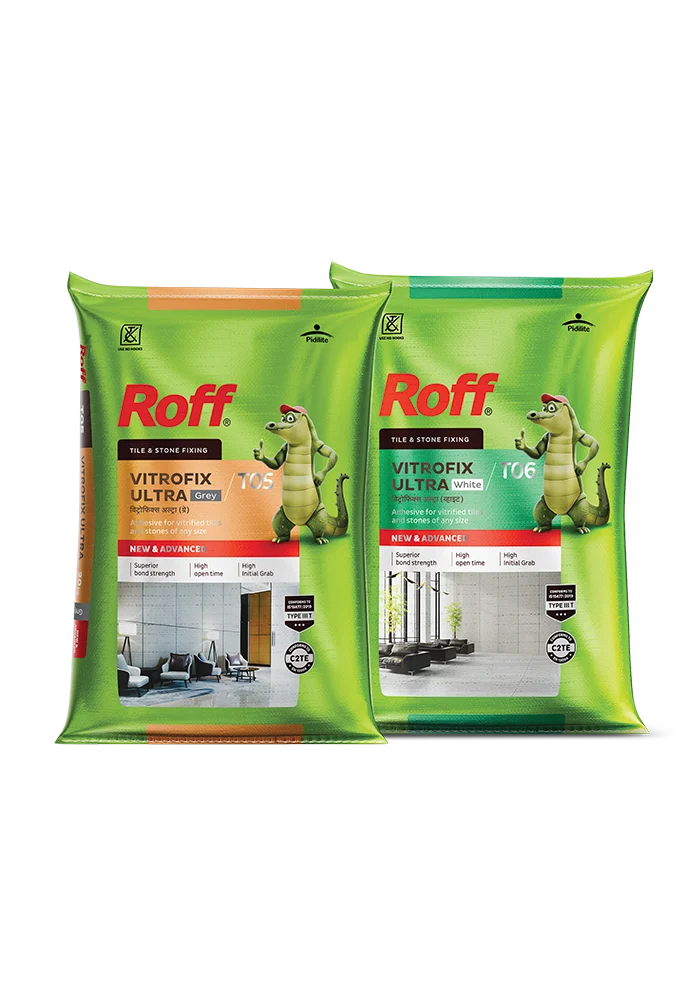
Roff Vitrofix Ultra is a strong option for large format tiles, as it is a highly polymer-modified adhesive built for ceramic, semi-vitreous and vitrified tiles as well as natural stone, all of which include the bigger, heavier formats increasingly used in Indian homes. Large tiles need an adhesive with good initial grip and enough open time to allow careful alignment before the adhesive sets, both of which polymer modification improves. For very large formats on vertical surfaces, Roff Yogafix’s extended open time and flexibility can also help prevent tile slump during installation.
Roff Yogafix Adhesive is a strong choice for large wall tiles because it is highly polymer-modified, highly flexible and slip-resistant, with extended open time that helps prevent tile slump while installers align larger, heavier formats on a vertical surface. This flexibility also helps the tile-adhesive-wall system accommodate minor structural movement over time without the tile cracking or debonding. For very heavy stone-look large tiles, checking the wall substrate’s load-bearing capacity alongside the adhesive choice is also recommended.
Roff Non-Skid Adhesive is suitable for fixing marble tiles on floors and walls, offering the polymer-modified bond strength needed for natural stone. Because marble is porous and can be prone to staining from moisture or adhesive discolouration, it’s worth applying Tenax Anti-Efflorescence as a pre-laying sealer before installation. After the marble is laid and grouted, ongoing care with Tenax Cera Fluida polish or Tenax Brio Top cleaner helps maintain its finish and protect the surface from everyday wear.
Roff Vitrofix Ultra, a highly polymer-modified adhesive for ceramic, semi-vitreous and vitrified tiles, is well suited to porcelain tiles because porcelain is extremely dense and absorbs almost no water, requiring a strong chemical bond rather than relying on the tile soaking up moisture from the adhesive. This low porosity makes ordinary cement mortar unreliable for porcelain, whereas polymer modification improves adhesion directly to the tile’s glassy surface. Correct trowel notch size and full coverage under the tile are especially important with porcelain to avoid hollow spots.
Roff Non-Skid Adhesive (NSA) is built for fixing natural stones on both floors and walls, making it a suitable general choice for stone tile installations. Natural stone varies widely in weight, porosity and finish, so proper substrate preparation and adhesive coverage under the stone are especially important to avoid hollow spots that can cause cracking later. For heavier stone or areas prone to vibration, Roff Extrofix Ultra provides added tensile strength, while Tenax sealers can protect the finished stone surface after installation.
Roff New Construction Adhesive (NCA) is a reliable option for standard vitrified tile fixing on new floors, offering a polymer-modified, grey cement-based formulation with good bond strength and workability for everyday residential projects. Where tiles are very large, heavier natural stone-look vitrified formats, or in higher-moisture areas, Roff Vitrofix or Vitrofix Ultra provide a higher degree of polymer modification for extra bonding performance. Matching adhesive strength to tile size and location is important with vitrified tiles specifically, since their low porosity demands a proper adhesive bond rather than plain cement.
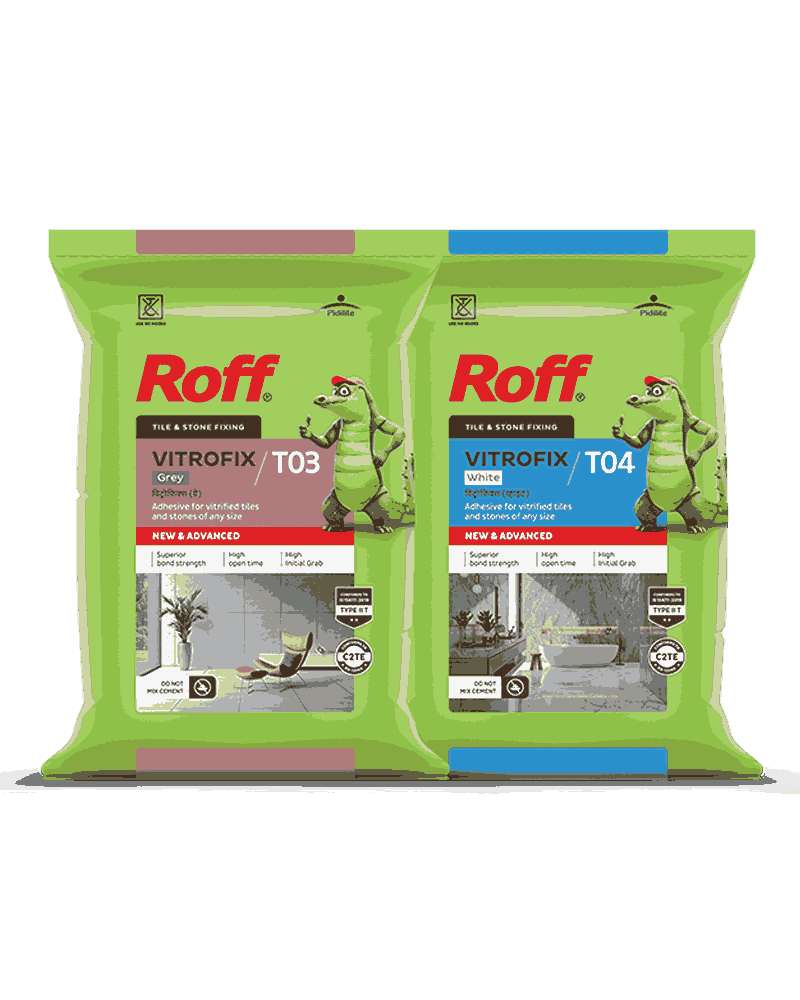
Roff Vitrofix Adhesive is designed specifically for ceramic, vitrified and natural stone tiles of all sizes on internal floors and walls, making it a strong option for vitrified tiling across Indian homes. Its polymer-modified cement base gives it the bond strength and workability needed for the low-porosity surface of vitrified tiles, which do not absorb water or adhesive as readily as traditional tiles. For larger vitrified formats or higher-stress areas, Roff Vitrofix Ultra offers an even higher degree of polymer modification for added bond performance.
Roff New Construction Adhesive works well for standard ceramic and vitrified wall tiling in residential projects, offering a polymer-modified cement base with good vertical grip to prevent tile slump during installation. For larger or heavier wall tiles, Roff Vitrofix or Roff Yogafix provide additional flexibility and bond strength suited to bigger formats. The right choice depends on tile size, weight and the wall substrate, whether plastered brick, concrete or drywall, which a Roff technical expert or the Adhesive Selector tool on roff.in can help determine.
For vitrified tiles, Roff recommends its highly polymer-modified adhesives because vitrified surfaces are dense and absorb very little moisture, requiring stronger chemical bonding than ordinary cement mortar provides. Roff Vitrofix Ultra is built for this purpose, offering enhanced polymer modification suited to ceramic, semi-vitreous and vitrified tiles as well as natural stone. It provides the workability and open time needed to correctly align large vitrified formats during installation. A Roff technical expert can confirm the ideal variant based on tile size and whether the installation is on a floor or wall.
Roff Non-Skid Adhesive (NSA) is formulated for fixing natural stones, terracotta and regular vitrified tiles on floors, making it a suitable base adhesive for anti-skid outdoor flooring setups where the tile itself provides the slip-resistant surface. NSA is designed to bond securely across floor and wall applications, giving a stable base for outdoor areas like patios, walkways and pool decks. Since anti-skid performance ultimately depends on the tile’s own surface texture, pairing the right anti-skid tile with Roff NSA gives the strongest overall result.
Roff Yogafix Adhesive, with its extended open time and high flexibility, is well suited to mosaic tile sheets, since installers often need extra time to adjust and align the many small individual tiles within a mosaic sheet before the adhesive sets. Its slip-resistant property also helps keep small mosaic pieces from shifting out of place during installation. Full, even coverage beneath each small tile is especially important with mosaics to avoid hollow spots, given how thin and closely spaced the individual pieces typically are.
Roff Yogafix Adhesive is well suited to premium interior design projects because it is highly polymer-modified, highly flexible and slip-resistant, with an extended open time that gives installers more room to align large or intricate tile layouts precisely. This makes it a good fit for feature walls, large-format tiles and decorative patterns where aesthetics and a flawless finish matter. Combined with Roff Starlike epoxy grout for stain-free, sparkling joints, it supports the kind of finish designers typically specify for high-visibility residential and commercial interiors.
Roff Yogafix Adhesive is a good match for 300x600mm bathroom wall tiles because it is highly polymer-modified and highly flexible, with extended open time that gives installers enough working time to align larger wall formats precisely before the adhesive sets. Its slip-resistant property also helps hold larger, heavier tiles in place on vertical wall surfaces during installation, reducing tile slump. For added moisture protection behind the tiles in a bathroom setting, it is often used alongside Roff Hyguard Ex waterproof coating on the wall substrate.
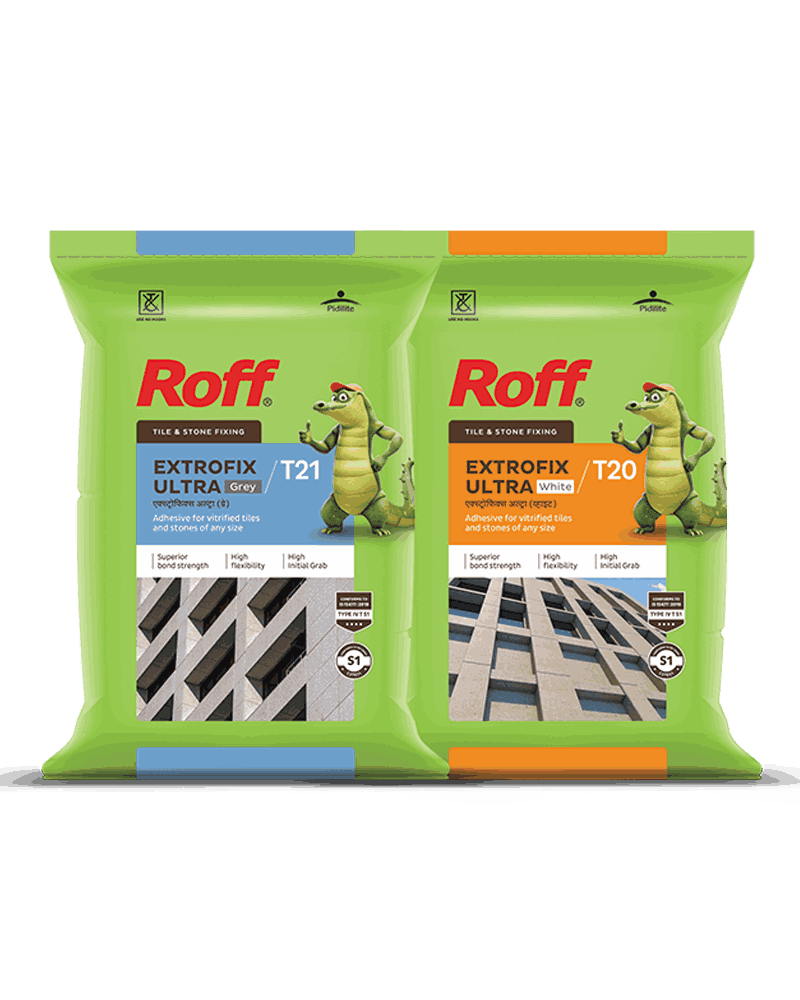
Roff Extrofix Adhesive is purpose-built for exterior wall tiling, designed for external cladding using ceramic tiles, marble and natural stone on both internal and external surfaces. It is formulated to handle the temperature swings and weather exposure that exterior walls face in Indian climates. For elevations that are also prone to vibration, such as tall facades or areas near heavy traffic, Roff Extrofix Ultra offers additional high-tensile strength. Choosing between the two typically depends on building height, exposure and tile weight, which a Roff technical expert can help assess.
Using Roff tile adhesive instead of plain cement mortar generally costs a little more upfront per bag, but it often works out more economical across the whole project because it requires a thinner application layer, reduces tile wastage from poor bonding, and lowers the risk of tiles debonding later, which can mean costly rework. Cement mortar also typically needs more skilled labour time to achieve a level bed. Roff’s Adhesive Coverage Calculator on roff.in can help compare material quantities needed for a specific project to estimate the fuller cost picture.
Roff calculates tile adhesive quantity per square foot based on the trowel notch size, tile dimensions and substrate levelness, since these factors determine how thick a layer of adhesive is needed for full, even coverage under each tile. Rather than a single fixed figure that applies to every product and tile combination, Roff provides an Adhesive Coverage Calculator on roff.in where you enter your specific project details, tile size and chosen product, such as Roff New Construction Adhesive, to get an estimated quantity needed.
Roff recommends estimating tile adhesive quantity based on the total area to be tiled, the size of the tile, and the trowel notch size used, since larger tiles and rougher substrates require more adhesive per square metre for full coverage. The Adhesive Coverage Calculator on roff.in lets you enter these project details to get an estimated number of bags needed for products like Roff New Construction Adhesive or Vitrofix. It’s generally wise to add a small buffer for wastage and uneven substrates rather than ordering the exact calculated amount.
Coverage from a 20kg bag of Roff tile adhesive varies depending on the specific product, the trowel notch size used, and the tile size and substrate condition, so there isn’t one universal figure that applies across the range. Each Roff product’s technical data sheet, available on roff.in, lists an approximate coverage range under standard application conditions for that formulation. For a project-specific estimate that accounts for your actual tile size and area, the Adhesive Coverage Calculator on roff.in gives a more precise bag count.
Roff tile adhesive cost per square metre depends on the product’s coverage rate, which itself depends on tile size, trowel notch size and how level the substrate is, along with the price of the specific formulation chosen. A highly polymer-modified product like Roff Vitrofix Ultra will cost more per bag than a standard product like Roff New Construction Adhesive, but may also be more efficient for certain tile types. Rather than a fixed per-square-metre figure, Roff recommends its online Adhesive Coverage Calculator for a project-specific estimate based on your actual tile and area details.
The Roff Adhesive Coverage Calculator on roff.in is a free tool, not a paid service, that helps estimate how many bags of a chosen Roff product, such as New Construction Adhesive or Vitrofix, you will need based on your tiled area, tile size and trowel notch. It removes the guesswork from ordering material by using standard coverage assumptions for each product type. The actual cost of the adhesive itself still depends on which product and pack size you select, which is best confirmed with an authorised Roff dealer.
Roff’s chemical-based tile adhesives, meaning polymer-modified or epoxy formulations rather than plain cement mortar, are priced according to their level of polymer content and specialised performance, such as improved flexibility, chemical resistance or waterproofing. Products like Roff Vitrofix Ultra or the Roff Starlike epoxy grout system cost more than basic cement-based options like Roff New Construction Adhesive because of these added properties. For current pricing specific to your project’s needs, Roff recommends contacting an authorised dealer or reviewing product details on roff.in.
For a 500 sq ft bathroom renovation, Roff tile adhesive cost depends on the products chosen, typically Roff Non-Skid Adhesive or Vitrofix for the tiling itself, Roff Hyguard Ex for under-tile waterproofing, and Roff Rainbow Tile Mate for grouting, along with tile size and how much surface preparation the existing bathroom needs. Bathroom renovations often require more careful substrate prep and waterproofing than new construction, which can affect total material and labour cost. Roff’s Adhesive Coverage Calculator on roff.in can help estimate bag quantities once your exact tile size and layout are known.
The cost of using Roff tile adhesive for 1000 sq ft of floor tiling depends on the product chosen, coverage rate per bag, tile size and how much substrate preparation is needed before laying begins. A standard product like Roff New Construction Adhesive typically covers a floor area economically for regular ceramic or vitrified tiles, while natural stone or large-format tiles may need more material or a different formulation such as Roff Vitrofix. For an accurate bag count and cost estimate for a project this size, Roff’s Adhesive Coverage Calculator on roff.in is the most reliable starting point.
Roff tile adhesive pricing depends primarily on the product type, since cement-based formulations like Roff New Construction Adhesive cost less than highly polymer-modified options like Roff Vitrofix Ultra or specialty epoxy-based grouts. Bag size, the area to be covered, trowel notch size and substrate condition also affect how many bags a project needs, which in turn affects total cost. Rather than a fixed per-bag figure, Roff recommends using the Adhesive Coverage Calculator on roff.in or speaking with an authorised Roff dealer to get an accurate, project-specific cost estimate.
Tile adhesive cost in India, including for Roff products, varies mainly by formulation type: standard cement-based adhesives such as Roff New Construction Adhesive are generally the most economical, while highly polymer-modified products like Roff Vitrofix Ultra or specialty epoxy grouts cost more due to their added performance. Bag size and total area also determine overall project spend. Because prices vary by region and retailer, Roff suggests checking with a local authorised dealer or using the coverage calculator on roff.in to plan both quantity and budget accurately.
The cost of Roff tile adhesive products depends on which product in the range you choose: everyday options like Roff New Construction Adhesive are priced for standard residential tiling, while performance-focused products such as Roff Extrofix Ultra or epoxy-based grouts like Roff Starlike cost more due to their specialised formulation. Coverage per bag, which depends on tile size and substrate levelness, also affects total spend on a project. For a current, accurate quote, Roff points customers to its authorised dealer network rather than a fixed online price list.
Roff tile adhesive costs are driven by the type of formulation used: cement-based products cost less than highly polymer-modified or epoxy-based ones, along with bag size, project area and substrate preparation needs. A small bathroom retiling job will need far less material and a simpler adhesive than a large-format exterior cladding project using Roff Extrofix. Since Roff does not fix a single national price, the most reliable way to estimate spend is through the Adhesive Coverage Calculator on roff.in or a quote from an authorised Roff dealer.
Roff sells its tile adhesives, including Roff New Construction Adhesive and Non-Skid Adhesive, in standard 20kg bags, but the exact price varies by product type, polymer content and current market conditions rather than a single fixed figure. Cement-based adhesives are generally more economical than highly polymer-modified or epoxy-based options. For current pricing on a specific Roff product in your area, it’s best to check with an authorised Roff dealer or use the dealer locator on roff.in, which can also guide you on how many bags your project will need.
Roff, as a manufacturer under Pidilite, prices its tile adhesives according to formulation complexity, with basic cement-based products like Roff New Construction Adhesive typically costing less than advanced polymer-modified or specialty adhesives such as Roff Vitrofix Ultra or Extrofix. Packaging size, freight to your region, and the dealer’s own margins can also affect the final shelf price. Since Roff does not publish a single national price list, the most accurate figures come from an authorised Roff dealer near you or the dealer locator on roff.in.
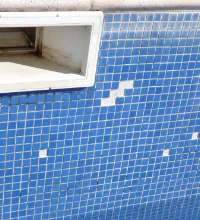
Tiling a swimming pool with Roff products requires full, void-free adhesive coverage beneath every tile, since any trapped air pockets can lead to tiles lifting under sustained water pressure once the pool is filled. The joints then need to be finished with a fully water-resistant, chemical-resistant grout, such as Roff Rainbow Tile Mate Epoxy Grout, to prevent water ingress through the joints over time. Given the specialised, continuous-immersion conditions of pool tiling, it’s advisable to consult a Roff technical expert before starting this type of project.
Swimming pool tiling with Roff products requires particular attention to continuous water immersion, so the tile adhesive should be paired with a fully water-resistant grout such as Roff Rainbow Tile Mate Epoxy Grout, which is stain-free, crack-free and chemical-resistant, to seal the joints against constant moisture. The adhesive itself should be applied with full coverage beneath each tile to avoid trapped air pockets that can lead to tiles lifting under water pressure over time. Given the specialised conditions of pool tiling, consulting a Roff technical expert before starting is recommended.
Roff Master Fix Adhesive is a suitable choice for fixing ceramic tiles onto a countertop base, since countertops are often built on plywood, cement board or other non-traditional substrates rather than plastered masonry. Full adhesive coverage under each tile is especially important on countertops, since these surfaces see regular contact, weight and moisture from daily use. Once the tiles are set and cured, grouting with a water-resistant or epoxy-based product such as Roff Starlike helps keep the countertop surface hygienic and easy to clean.
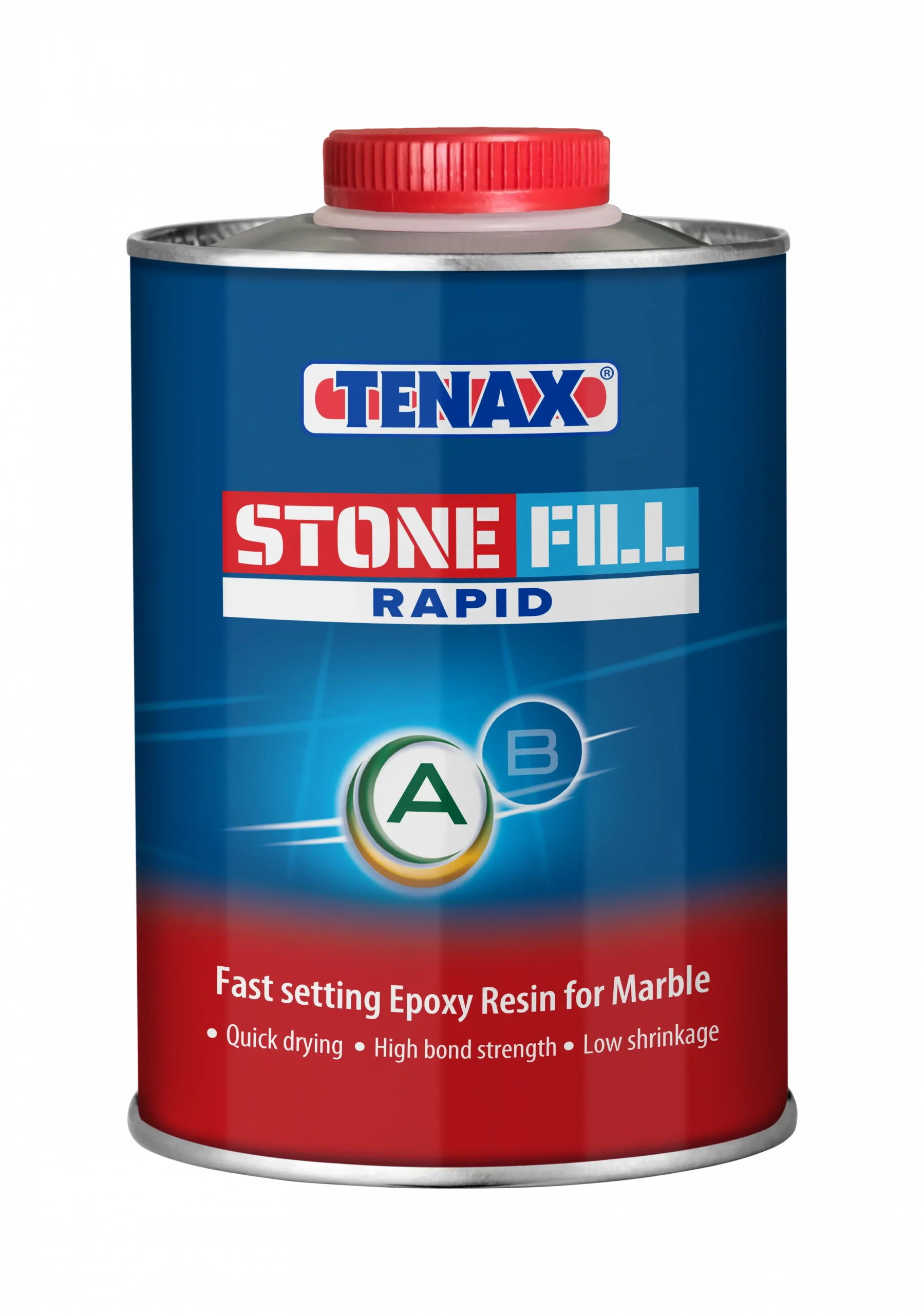
Roff Master Fix Adhesive, formulated for engineered stones and other non-traditional substrates, is a suitable option for fixing granite countertop pieces, given the weight and rigidity of granite compared with standard floor or wall tiles. For sealing and joining granite slab sections, Tenax Eliox A+B, an epoxy-based clear mastic, is commonly used to fill joints and repair any gaps between granite pieces, while Tenax Proseal can be applied afterward to protect the finished countertop surface from staining and moisture.
Roff Extrofix Adhesive is designed for outdoor tiling, including external cladding using ceramic tiles, marble and natural stone on exterior surfaces exposed to sun, rain and temperature changes. Outdoor installations need an adhesive with strong weather resistance and flexibility to handle thermal expansion and contraction over time, which Roff Extrofix is formulated to withstand. For outdoor areas that also experience vibration, such as elevated decks or facades near traffic, Roff Extrofix Ultra offers additional high-tensile strength for a more secure, long-lasting bond.
Roff Extrofix Ultra is designed for exterior areas prone to vibration and offers high tensile strength, making it a good fit for outdoor patio stone installations that face foot traffic, temperature swings and outdoor weathering over time. Patio stones are often heavier and irregular compared with standard tiles, so a bond strong enough to resist movement is important for long-term durability outdoors. Proper substrate slope for drainage and adequate curing time before the patio is used both contribute to a lasting installation alongside the right Roff adhesive.
Roff Non-Skid Adhesive (NSA) is built for fixing natural stones alongside clay, terracotta and vitrified tiles on floors, making it a suitable choice for heavier natural stone flooring where strong grip and load-bearing bond strength matter. Natural stone can vary in weight, porosity and surface finish, so proper substrate preparation and the correct trowel notch size are especially important for these installations. Once laid, Tenax stone-care products such as Tenax Proseal can be used to seal and protect the finished natural stone surface from staining.
Roff Extrofix Ultra, with its high-tensile-strength formulation for areas prone to vibration, is well suited to heavy natural stone feature walls, where the adhesive must hold significant stone weight securely on a vertical surface over time. Feature walls using natural stone place more stress on an adhesive bond than typical ceramic wall tiling, so both correct substrate preparation and a high-performance adhesive matter. Roff Master Fix is another option worth considering where the wall substrate itself is metal, plywood or cement board rather than plastered masonry.
Roff Yogafix Adhesive, being highly polymer-modified and highly flexible, is well suited to underfloor heating systems because the flooring above heating elements undergoes regular expansion and contraction as temperatures change during heating cycles. A rigid, plain cement-based bond is more likely to crack under this repeated thermal movement, whereas Yogafix’s flexibility is designed to accommodate it while maintaining strong adhesion. It’s also important to follow the heating system manufacturer’s guidance on curing and initial heat-up timing before subjecting the new tile installation to full heating cycles.
Yes, in many cases Roff adhesive can be used to tile over sound existing tiles, provided the old tiles are firmly bonded, clean, and roughened or primed to help the new adhesive grip the glazed surface. Roff Master Fix is suited to this kind of non-traditional substrate application. However, if any existing tiles are loose, cracked or hollow-sounding when tapped, they should be removed and the substrate repaired first, since tiling over a compromised surface risks the new installation failing along with the old one.
Roff recommends first plastering or rendering a rough brick surface to create a flat, even base, since an uneven surface prevents an adhesive from achieving full, consistent contact with the tile. Once the plaster has cured and the surface is clean and dust-free, Roff New Construction Adhesive or Roff Master Fix, depending on whether the wall is masonry or a board substrate, can be applied with a notch trowel in the usual way. Skipping proper surface preparation on rough brick is one of the most common causes of tile failure later on.
Tiles most commonly fall off walls due to poor substrate preparation, such as dust, loose plaster or moisture behind the tile, using the wrong adhesive for the tile type or substrate, or insufficient adhesive coverage that leaves hollow spots unable to bear the tile’s weight over time. Roff addresses these risks by offering substrate-specific products, such as Roff Master Fix for non-traditional surfaces and Roff Yogafix for larger, heavier tiles needing more flexible bonding. Following the correct notch trowel size and full coverage technique for the chosen Roff adhesive significantly reduces this risk.
Roff New Construction Adhesive works well on concrete substrates for standard ceramic and vitrified tile fixing, provided the concrete surface is clean, cured, and free of oil, dust or loose material before application. Fresh concrete should be given adequate time to cure and dry before tiling to avoid moisture-related bond issues later. For concrete floors in wetter areas or carrying natural stone, Roff Non-Skid Adhesive or Roff Vitrofix may be more appropriate, and applying Roff Bond Repair beforehand can help address any surface irregularities or minor cracks in the concrete.
Roff Extrofix Adhesive is built specifically for exterior wall applications, covering external cladding with ceramic tiles, marble and natural stone on outdoor surfaces exposed to sun, rain and temperature variation. Before applying it, the wall substrate should be clean, structurally sound and free of loose plaster or dust, since a compromised substrate will weaken any adhesive’s performance over time. For taller structures or areas with vibration exposure, Roff Extrofix Ultra provides additional high-tensile strength for a more secure long-term bond on exterior walls.
Roff Extrofix Ultra is a strong option for external wall tiling where the structure may experience vibration or movement, such as taller buildings or facades near traffic, thanks to its high-tensile-strength formulation. For more typical external wall applications, standard Roff Extrofix Adhesive covers ceramic tiles, marble and natural stone cladding on external surfaces reliably. In both cases, the wall substrate must be sound, clean and properly cured before application, since external walls are exposed to more weathering stress than internal surfaces over the life of the installation.
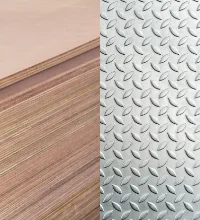
Roff Master Fix Adhesive is suitable for fixing tiles over substrates including plywood, making it relevant for wooden flooring applications where tiles are being laid directly onto a wood-based surface. Wood substrates can expand and contract with humidity, so it’s important that the wooden base is stable, properly fixed down and free of movement before tiling begins, since an unstable substrate can compromise even a suitable adhesive’s performance. Using an appropriate underlayment or cement board over the wood is also often recommended for long-term durability.
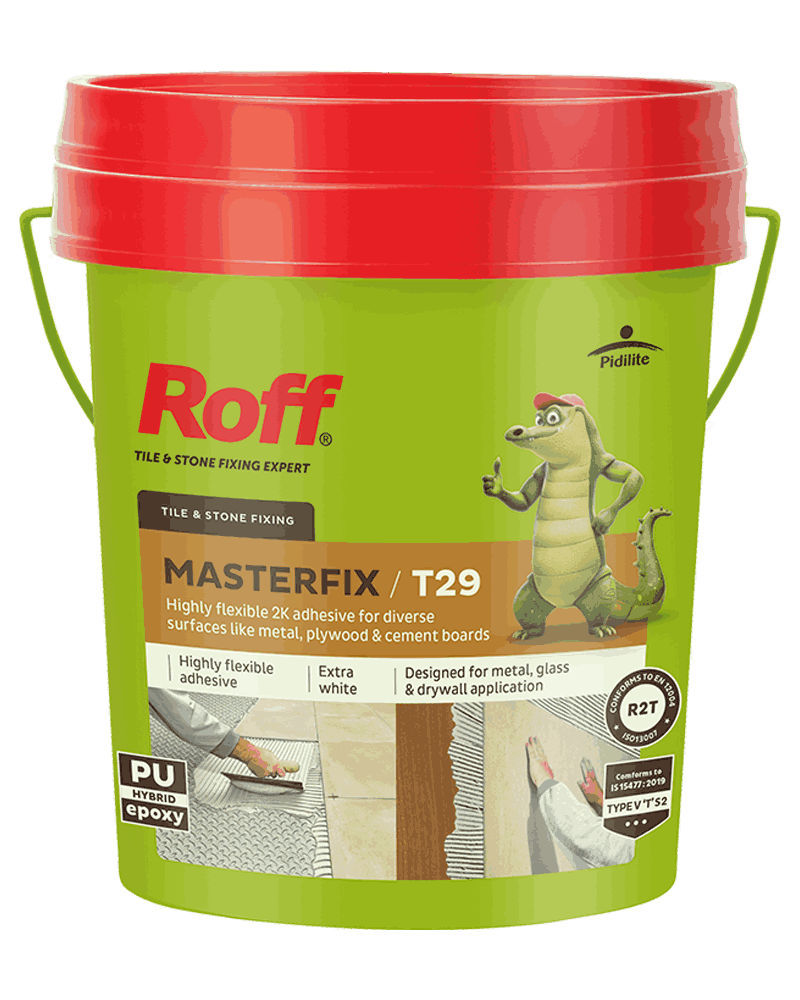
Roff Master Fix Adhesive is formulated for substrates including metal, plywood, cement boards and engineered stones, making it the appropriate choice for fixing tiles on cement fibre board. Cement fibre board is commonly used in dry wall partitions, false ceilings and lightweight construction, and it behaves differently from plastered masonry, requiring an adhesive engineered for non-traditional substrates. Ensuring the board is properly fixed, clean and free of flex before tiling helps the adhesive achieve a secure, long-lasting bond on this type of surface.
Roff Master Fix Adhesive is formulated for substrates including metal, plywood, cement boards, engineered stones and drywall, making it the right choice when tiles need to be fixed onto a metal surface. Metal substrates behave very differently from masonry, since they don’t absorb moisture and can flex or expand with temperature changes, so a standard cement-based adhesive is not appropriate here. Ensuring the metal surface is clean, free of rust or grease, and properly primed if required will help Roff Master Fix achieve a secure, lasting bond.
Roff Non-Skid Adhesive and Roff Vitrofix are formulated to perform well in consistently damp or wet-prone areas such as bathrooms and utility spaces, offering water-resistant, polymer-modified bonding. However, tile adhesive alone doesn’t waterproof a substrate; for genuinely wet surfaces, Roff recommends first applying Roff Hyguard Ex, a polymer-modified waterproof flexible coating, or Roff Bond Repair to the under-tile area before fixing tiles, so moisture is blocked at the substrate level rather than relying on the adhesive layer alone.
No, Roff tile adhesive and Roff grout are different products designed for different jobs: the adhesive bonds the tile to the substrate underneath, while grout fills the joints between tiles after the adhesive has cured. Using adhesive in place of grout is not recommended, since grout products like Roff Rainbow Tile Mate or the epoxy-based Roff Starlike are formulated for joint flexibility, stain resistance and, in the case of epoxy grout, added water and chemical resistance, properties a tile adhesive is not designed to provide once exposed on the surface.
Yes, Roff tile adhesive can be used to fix stone slabs, with Roff Non-Skid Adhesive formulated specifically for natural stones on floors and walls. However, for heavier or larger stone slabs, factors like substrate strength, full adhesive coverage beneath the slab and adequate curing time become more critical than with standard ceramic tiles, since slabs carry more weight per unit area. For very heavy or oversized slabs on demanding substrates like metal or engineered surfaces, Roff Master Fix may be a more appropriate option.
Roff tests its adhesives in controlled lab conditions using standardised bond strength and tensile adhesion tests before a product is released, so on real sites the practical check is different: tap tiles gently after curing to listen for a hollow sound, which can indicate an air gap or weak bond beneath the tile. Reviewing the technical data sheet for the specific Roff product used, which lists tested bond strength values, gives a benchmark for what the adhesive is designed to achieve when applied correctly with full coverage.
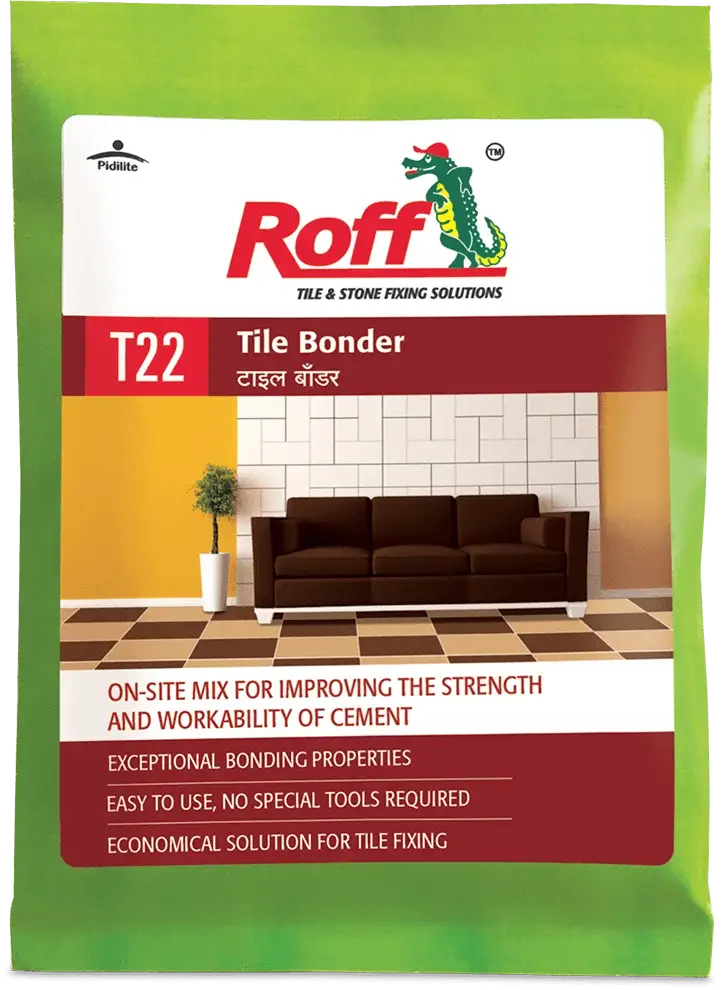
Roff recommends tile adhesive over plain cement mortar for wall tiling because adhesive is applied in a much thinner layer, provides stronger initial grip that reduces tile slump on vertical surfaces, and offers polymer-enhanced flexibility that plain cement lacks. Cement mortar wall tiling typically requires more skilled labour to achieve consistent thickness and can be more prone to tiles slipping before the mortar sets. For projects wanting to upgrade an existing cement-mortar approach, Roff Tile Bonder can be mixed into sand-cement mortar to improve its bonding performance without switching to a full adhesive system.
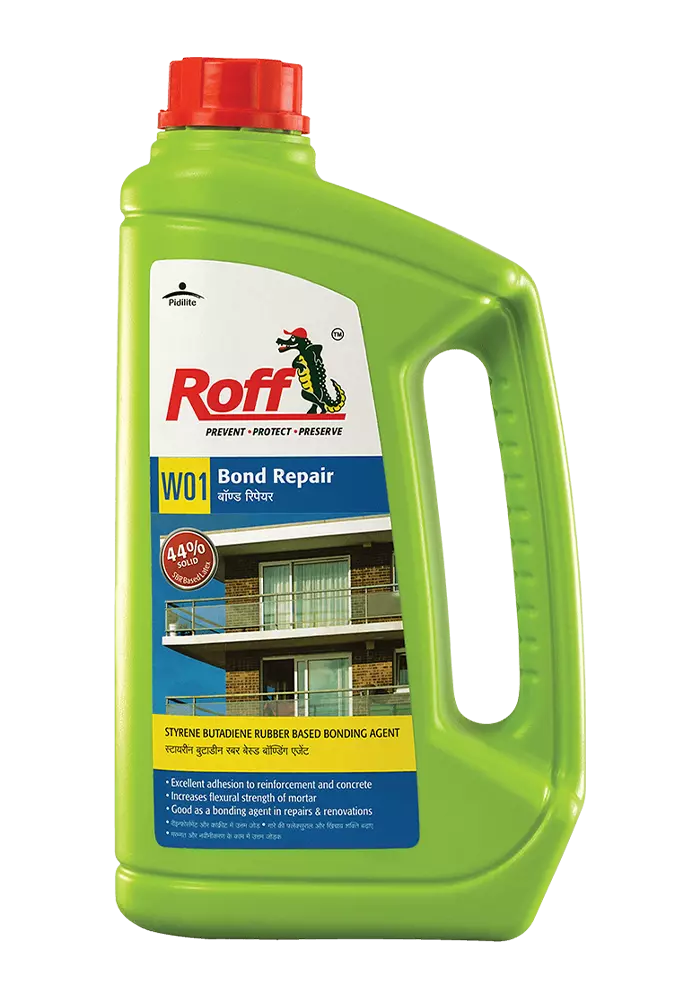
No, Roff tile adhesive is not a waterproofing product by default; it is designed to bond tiles securely to a substrate, and while polymer modification does improve water resistance, it does not replace dedicated waterproofing. For areas with sustained moisture exposure, such as bathrooms, balconies or under-tile areas, Roff recommends applying a dedicated waterproof coating such as Roff Hyguard Ex or Roff Bond Repair to the substrate before tiling, so moisture is blocked at the surface level rather than relying on the adhesive layer to prevent seepage.
Roff technical data sheets list the key performance details needed to select and apply an adhesive correctly, including the recommended substrate and tile type, coverage rate, open time, pot life, and curing period before grouting. They also specify mixing ratios with water, the type of trowel notch to use, and any surface preparation requirements. Checking these details against your tile size, substrate condition and site conditions such as temperature and humidity helps ensure the adhesive performs as intended. Full technical data sheets for each Roff product are available on the Technical Information section of roff.in.
Roff’s range reflects the main types of tile adhesive available in India: standard cement-based adhesives such as Roff New Construction Adhesive for everyday ceramic and vitrified tiling, highly polymer-modified adhesives such as Roff Vitrofix Ultra and Yogafix for demanding or large-format tiles, specialty adhesives such as Roff Master Fix for non-traditional substrates like metal and plywood, and quick-set options such as Roff Vertifix for spot repairs. There are also epoxy-based systems, mainly used for grouting, such as Roff Starlike, which offer chemical and stain resistance beyond what cement-based products provide.
Roff considers polymer-modified, cement-based adhesive the standard for most Indian tiling projects because it bonds better, resists water more effectively, and reduces tile wastage compared with traditional sand-cement mortar. The right specific product depends on the tile material, size and location: Roff New Construction Adhesive suits standard ceramic floor tiling, Roff Vitrofix handles vitrified and natural stone, and Roff Extrofix is made for exterior cladding. Rather than one universal answer, Roff’s Adhesive Selector tool on roff.in matches the correct product to your exact tile and surface combination.
Roff tile adhesive is a purpose-built, polymer-modified cement-based product engineered specifically for bonding tiles to a substrate, tested for open time, bond strength and flexibility, unlike generic cement glue or mortar mixed on-site without those controls. Because Roff adhesives are manufactured to consistent specifications listed on each product’s technical data sheet, results are more predictable across a project than with a hand-mixed cement-based glue, where proportions and quality can vary. Products like Roff New Construction Adhesive are designed for this reliability across everyday ceramic and vitrified tiling jobs.
Roff tile adhesive is a polymer-modified, factory-controlled formulation designed specifically for bonding tiles, offering better flexibility, water resistance and adhesion than plain tile cement, which is essentially traditional sand-cement mortar mixed on-site. Tile cement’s performance can vary depending on how it’s mixed and the skill of the mason, while a Roff adhesive like Roff New Construction Adhesive is manufactured to consistent, tested specifications listed on its technical data sheet. For sites that still prefer traditional mortar, Roff Tile Bonder is a polymer additive that upgrades ordinary sand-cement mortar into an instant on-site adhesive.
Roff tile adhesive refers to purpose-built, polymer-modified cement-based or specialty formulations engineered and tested specifically for bonding tiles to a substrate, with documented open time, bond strength and coverage on each technical data sheet. The term tile glue is often used more loosely for adhesive-type products, which may not be formulated or tested to the same standard for tiling applications specifically. Choosing a proper Roff tile adhesive product, matched to your tile type and substrate, ensures more predictable, tested performance than a generic glue product.
Roff tile adhesive is recommended over plain cement mortar because it is manufactured with consistent, tested formulations that bond more reliably to modern low-porosity tiles like vitrified and porcelain, which don’t absorb moisture the way older tile types did. Adhesive also allows a thinner application layer, reduces overall tile and material wastage, and includes polymer modification that improves flexibility and water resistance compared with plain sand-cement mortar. This combination generally results in a more durable installation with less risk of tiles debonding over time.