Blogs & Current Trends

Check out the biggest trends of the season and our expert take on them.

The truth about cement grout and why it doesn’t always suit tile installation

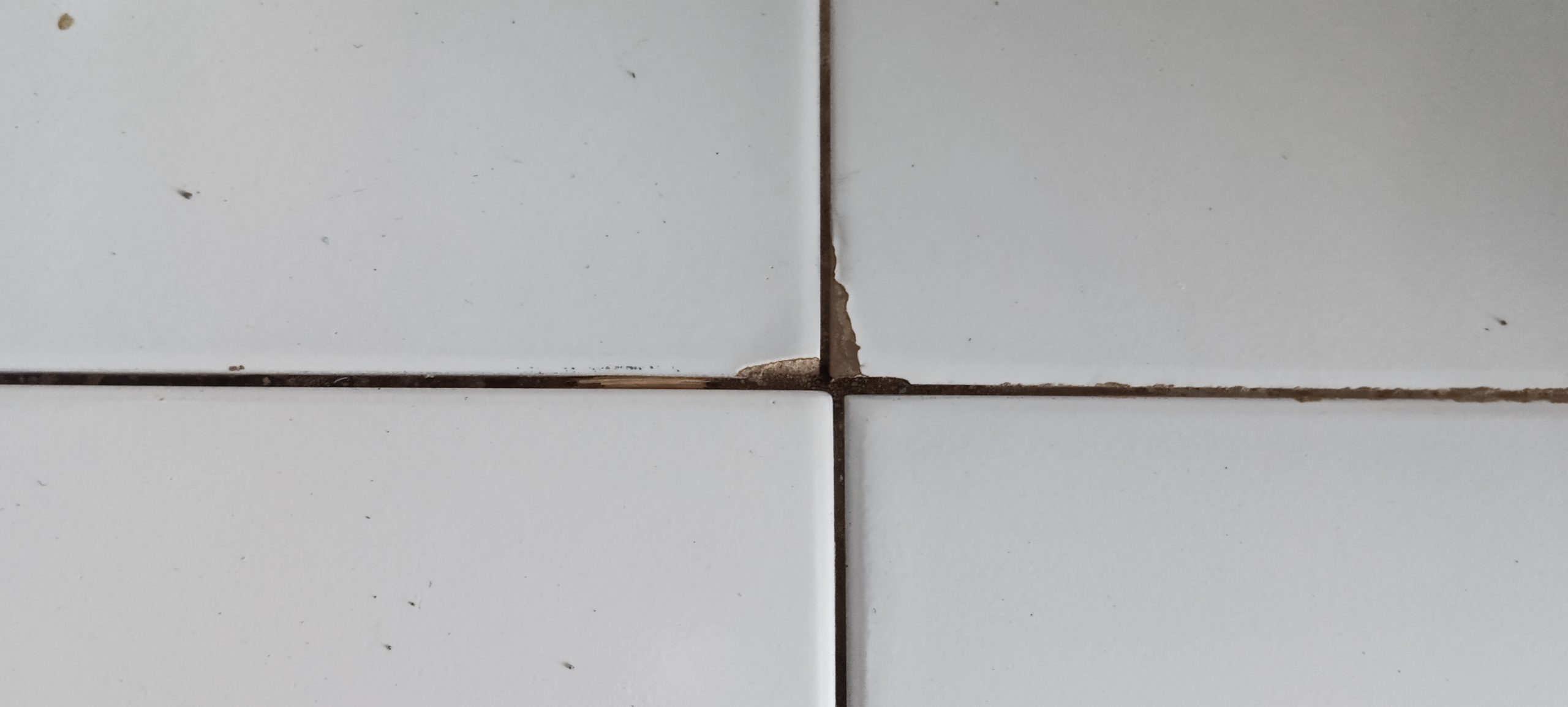
Tile installation, much like architecture, is an intricate balance of material choice and function. And while cement grout has long been the standard option for these projects, it often hides weaknesses that only appear with time – cracks, staining, or dampness. These issues, subtle at first, can slowly compromise both the beauty and durability of tiled surfaces.
To truly achieve lasting craftsmanship, it’s important to understand where cement grout falls short. In fact, as we move through different areas of the home, you’ll see how traditional cement grout struggles – and why advance alternatives like epoxy grout often prove to be the smarter choice.

1. Bathrooms and wet zones

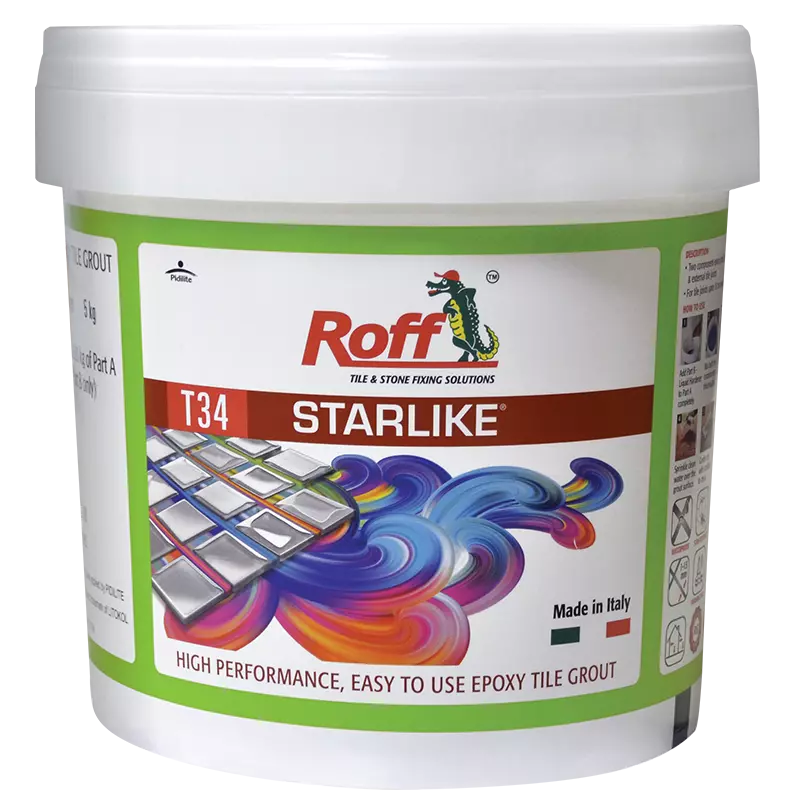
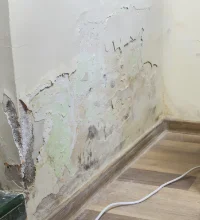
In high-moisture areas like bathrooms, cement grout’s porous nature makes your tile installation prone to seepage and dampness. Over time, this moisture can spread beyond the tiled surface, leading to peeling paint, mould growth on adjoining walls, musty odours, and even structural damage in nearby rooms. This not only undermines hygiene but also affects the overall longevity and appearance of your home. In such demanding wet environments, a waterproof epoxy grout like Roff Starlike proves indispensable, sealing surfaces against persistent moisture.

1. Bathrooms and wet zones

Performance is another concern. In high-traffic zones or areas prone to thermal expansion, cement grouting material is more likely to crack. These fractures compromise both durability and aesthetics, leaving tiled surfaces vulnerable to water damage and long-term deterioration. For designers tasked with ensuring both form and function, these weaknesses highlight the need for alternatives.

2. Kitchens and countertops

In food preparation spaces, grout is constantly exposed to grease and stubborn stains. With cement grout, these quickly seep in, leading to discolouration and creating a breeding ground for germs and mould that compromise kitchen hygiene and safety. Epoxy grout, like Roff Starlike, on the other hand, is stain-proof and food-grade, creating a resilient, hygienic finish that keeps kitchens looking clean and fresh for longer. 

3. Outdoor installations

Exposed to sun, rain, and constant temperature fluctuations, outdoor tile installation pushes cement grout to its limits. The material often cracks and shrinks under these conditions, allowing water ingress and causing tiles to loosen over time. Prolonged UV exposure can also lead to colour fading, dulling the overall appearance of the tiled surface. Epoxy grout solutions, such as Roff Starlike, are specially formulated for UV resistance and weather changes, helping sustain tile integrity and appearance in these demanding environments. 

4. High-traffic zones

These high-traffic areas endure relentless wear from constant footfall. Over time, cement grout begins to chip, erode, and lose its uniform finish, diminishing both aesthetics and functionality. Epoxy grout solutions like Roff Starlike, known for their flexibility, durability, and abrasion resistance, withstand the impact of heavy movement. They help preserve surface continuity while reducing the need for frequent maintenance

5. Industrial and medical settings

In environments such as hospitals, laboratories, and factories, tile installation is constantly exposed to chemicals, staining agents, and even harsh acids. Cement grout often falters under this strain, absorbing contaminants and showing surface damage. Epoxy grout solutions such as Roff Starlike, with their superior chemical and stain resistance, provide a seamless, hygienic finish that meets the uncompromising standards of these demanding spaces.

6. Broken tile repair

Effective broken tile repair requires grout that bonds strongly and blends seamlessly with the surrounding tile. Cement grout’s tendency to flake or separate makes the process less reliable. Epoxy grout, such as Roff Starlike, available in 24+ shades, ensures robust adhesion and a consistent, professional finish that complements any tile installation, regardless of colour or design.
Your grout choice matters

Recognising the limitations of cement grout and making informed material choices in tile installation not only prolongs durability but also enriches the user’s experience. In demanding applications, epoxy grout becomes a subtle yet powerful ally that protects surfaces, enhances aesthetics, and ensures enduring functionality.

Choose Roff Starlike epoxy grout to take your tile installation to the next level of durability and design.
Frequently asked questions (FAQs)

FAQ #1: Is epoxy grout better than cement grout for waterproofing? 

Yes. Epoxy grout is non-porous and creates a stronger, water-resistant seal than cement grout, helping prevent seepage and mould. That said, it should always be used alongside proper waterproofing solutions for complete protection. 
FAQ #2: Can epoxy grout be used for broken tile repair? 

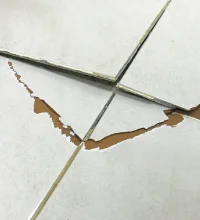
Yes. Epoxy grout, such as Roff Starlike, offers strong adhesion that helps secure replacement pieces firmly in place, while its wide range of shades allows repairs to blend naturally with the existing tile installation. For lasting results, ensure the damaged area is properly cleaned and prepped before applying the grout. 
FAQ #3: How do you install tiles using epoxy grout?

The process is similar to cement grout application  clean the surface, mix the base with hardener, apply the grout evenly, and wipe away the excess  but epoxy sets faster and lasts longer. With two-component epoxy grouting, such as Roff Starlike, preparation is easy, and the mix remains consistent for smooth application. 

This approach ensures the wall isn’t just ‘ready’ but rather bonded to the wall tile adhesive system.