Check out the biggest trends of the season and our expert take on them.
How can tile adhesive for walls extend the lifespan of your tiles?
If you’re considering tile adhesives for walltile fixing, you’re probably wondering: Are they actually durable? The answer is an astounding yes. Choosing the right adhesive and installing it correctly ensures tiles last comfortably for years, depending on usage and maintenance.
Let’s break down what really affects their lifespan and how you can make them last longer.
What determines the lifespan of adhesive tiles?
1. Quality of the product
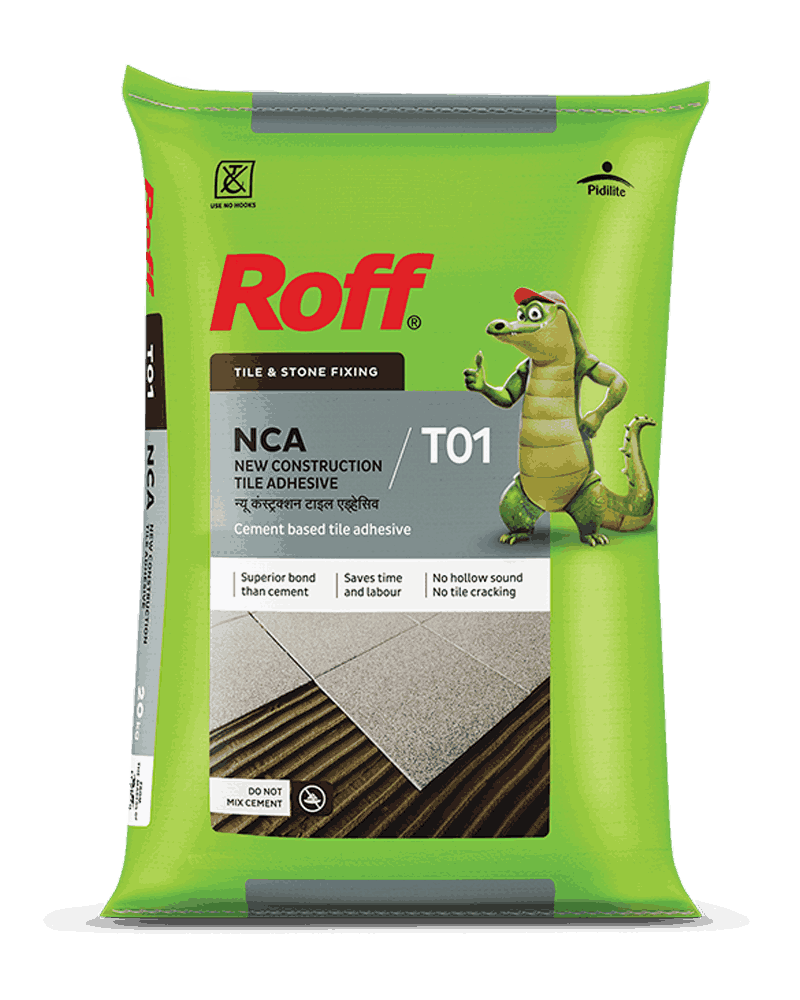
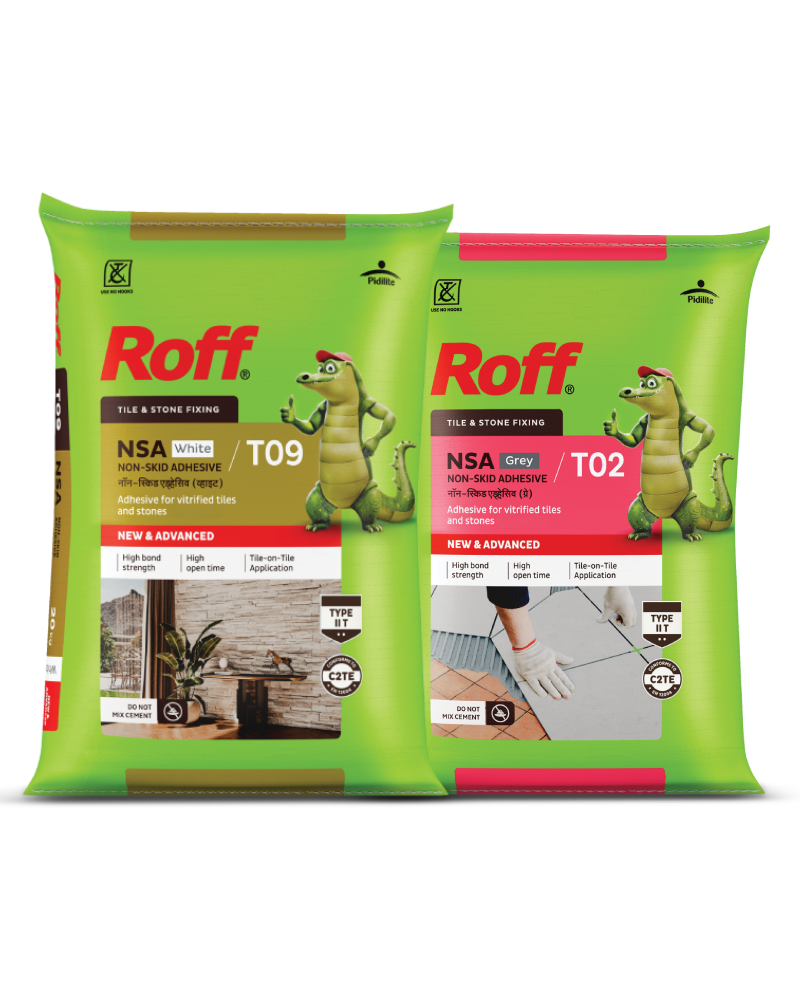
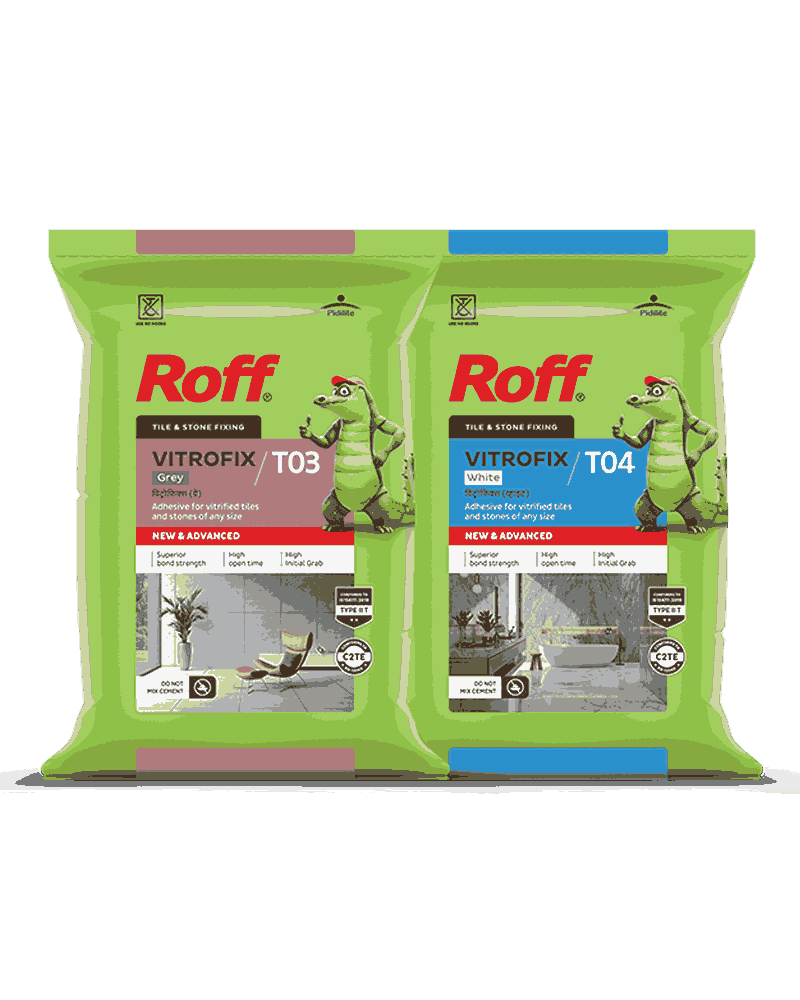
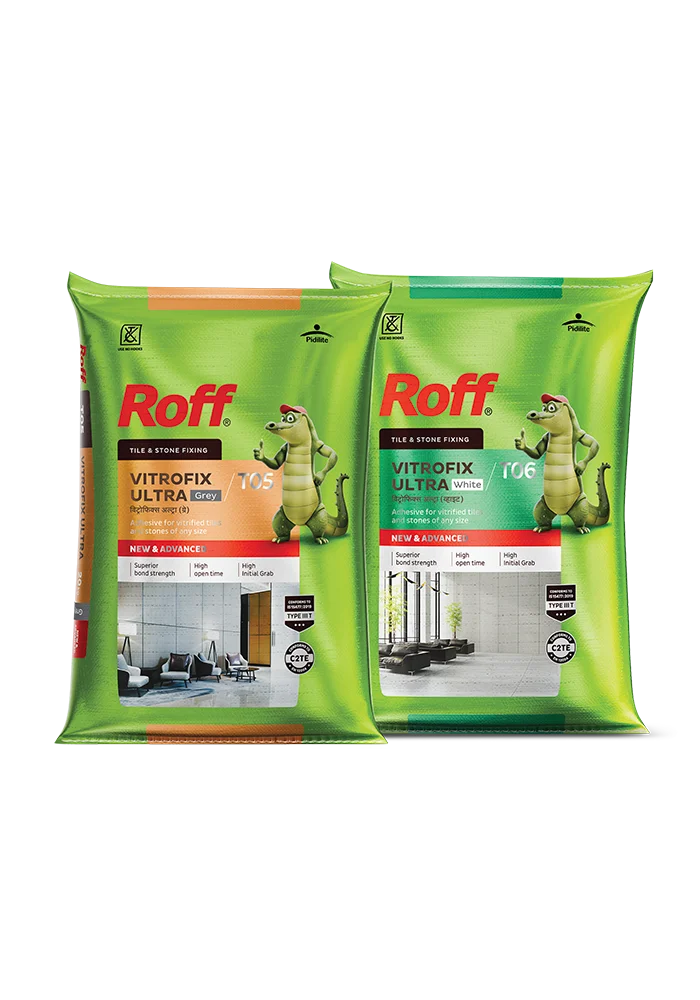
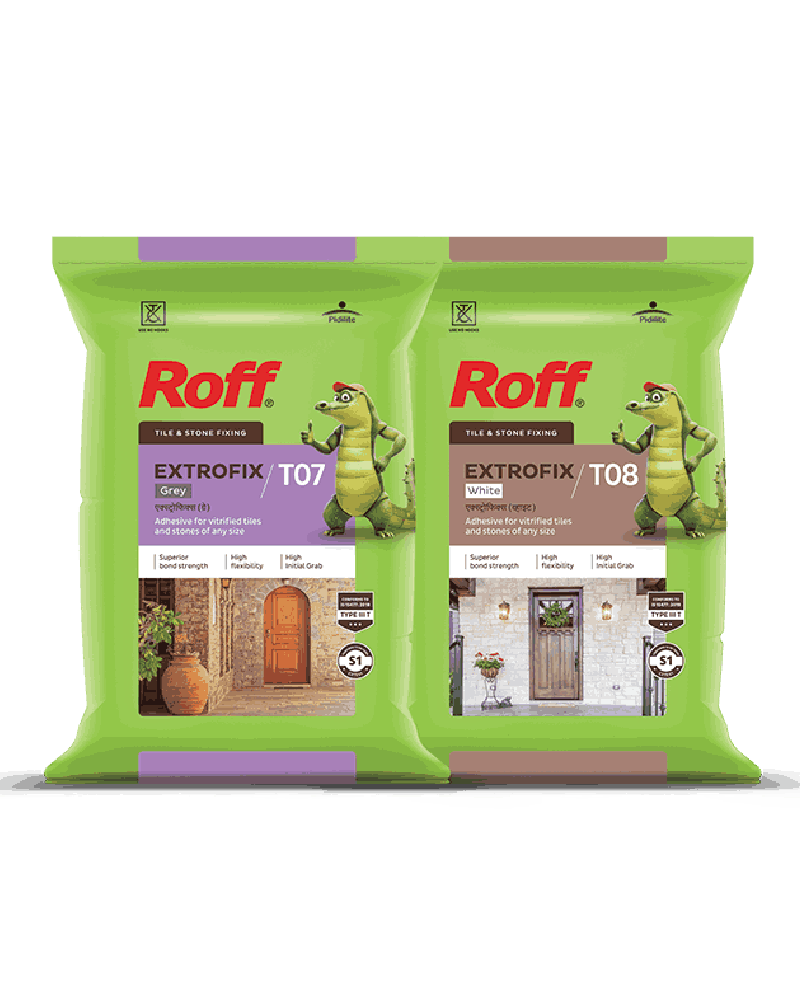
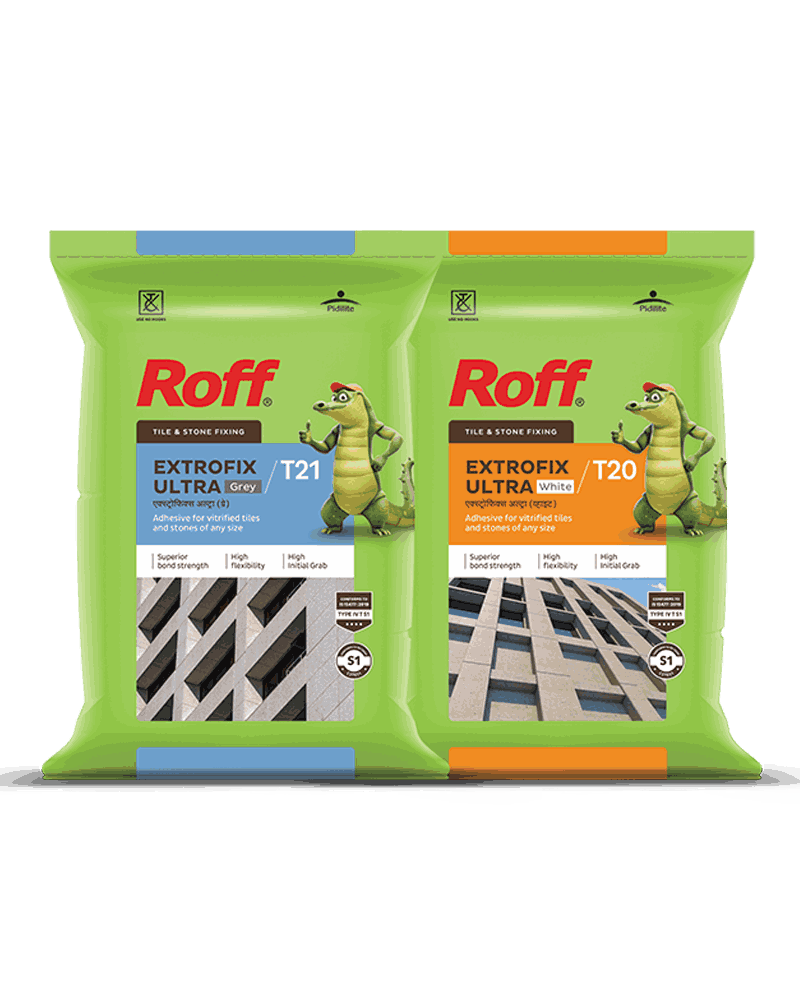
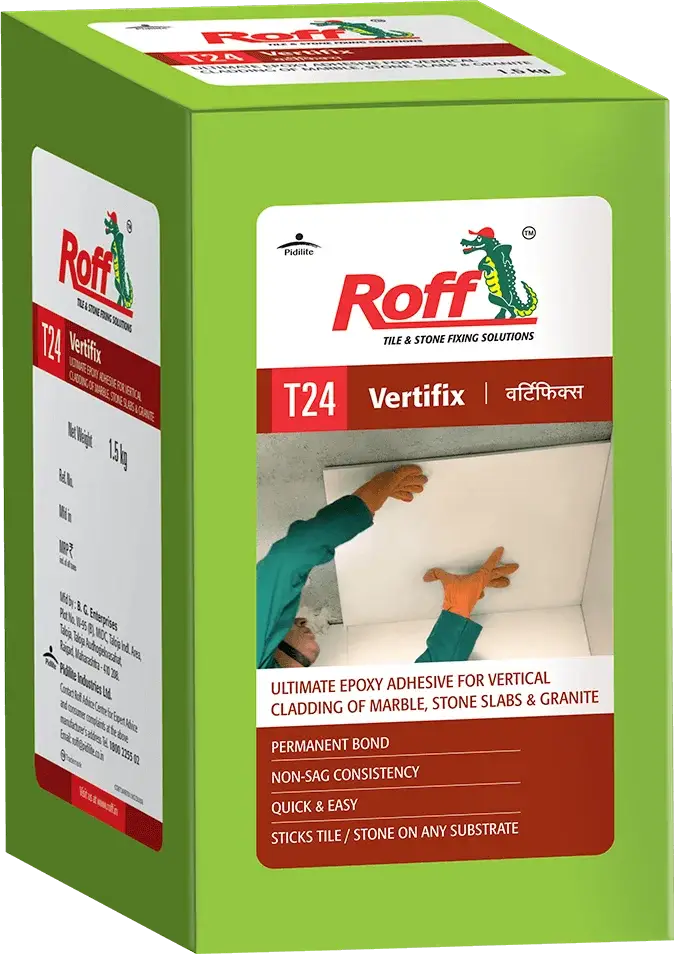
Thicker tiles with strong backing adhesives naturally offer better tile durability. Premium options resist peeling and crackingfar better than low-cost variants. Roff tile adhesives for wallsoffer high water, heat, and sag resistance, and allow more time to fix and adjust tiles, making them ideal for vertical surfaces.
2. Surface preparation
Understanding how to fix tiles on the wall is a must. Tile adhesivesstick best to:
Clean, smooth, and dry cement-based surfaces
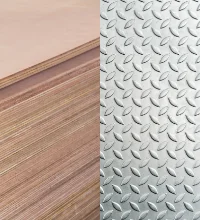
Drywalls like plywood, metal, cement board etc.
Existing flat tiles
Dust, grease, or moisture can weaken the bond over time.
3. Location of installation
Where you install them makes a huge difference:
Living rooms & bedrooms: Tiles last for several years due to low moisture and minimal heat exposure
Kitchens: Tiles may get damaged within a decade if poor adhesives are used, as there is high exposure to heat, water, and steam
Bathrooms: Water-resistant adhesives are a must due to high humidity, which can reduce adhesive strength for lower-quality adhesives
Areas directly behind stoves or inside shower enclosures may require stronger tile adhesives.
Common factors that affect durability
Excess moisture and humidity
Constant heat exposure
Harsh chemical cleaners
Heavy vibrations
Poor installation technique
How to choose the right brand for tile adhesives
Many people make the mistake of getting local tile adhesives simply because they are cheaper. However, locally made adhesives usually do not have the resistances and long-term application provided by adhesives from reputed brands like Roff.
When choosing the right brand for your tile adhesives, look for:
Brands that comply with international standards like ISO/BIS
Evalute the brands product range and choose an adhesive that meets your requirements
Assess the brands reputation and look for reviews from previous customers
Brands like Roff offer support at every stage of the tile installation process, which can be crucial for your home’s long-term health
How to increase lifespan of your tiles with the right tile adhesive
You can increase the lifespan of your tile adhesives for walls by:
Using the correct adhesive type based on tile size, surface, and location
Using a high-quality adhesive with strong bonding strength
Choose adhesives that are water and heat resistant, especially if you live in humid cities like Mumbai
Avoid cement fixing, as they lack the grip, flexibility, and durability of modern adhesives
Right installation methods for fixing tiles
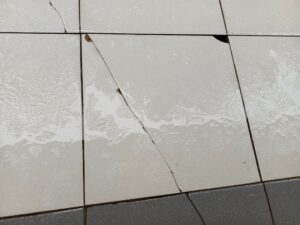
Choosing the right tile adhesive for walls is just the first step. You must also ensure that the adhesives are applied by professionals who know the correct installation methods. Improper installations can lead to debonding and hollow tiles, meaning that you will end up spending more on renovations in the long term.
Things to look out for during tile installation include:
Proper surface preparation, ensuring that the surface is levelled and free from dust or oil
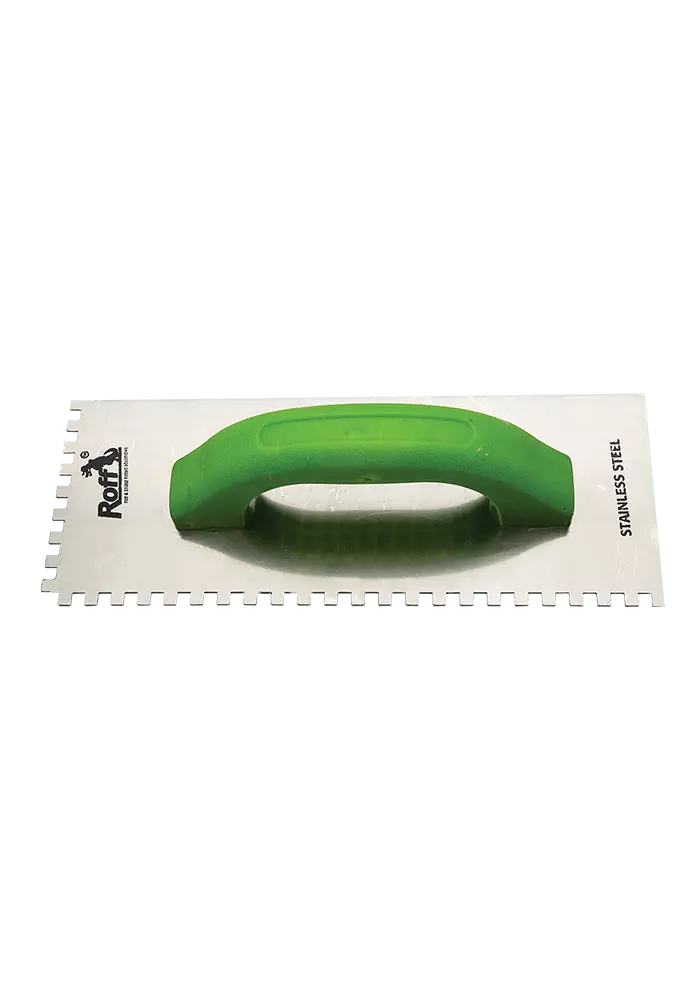
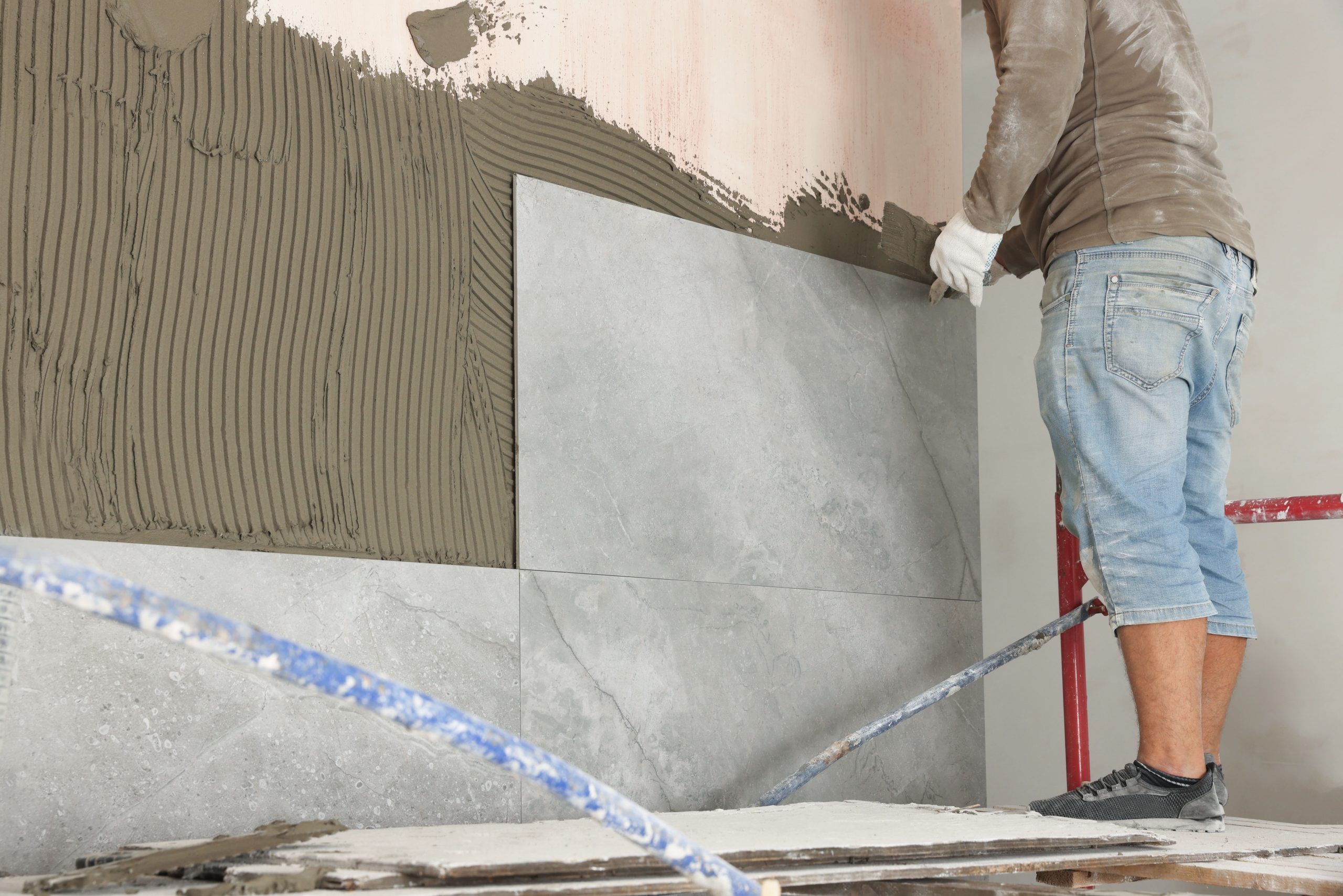
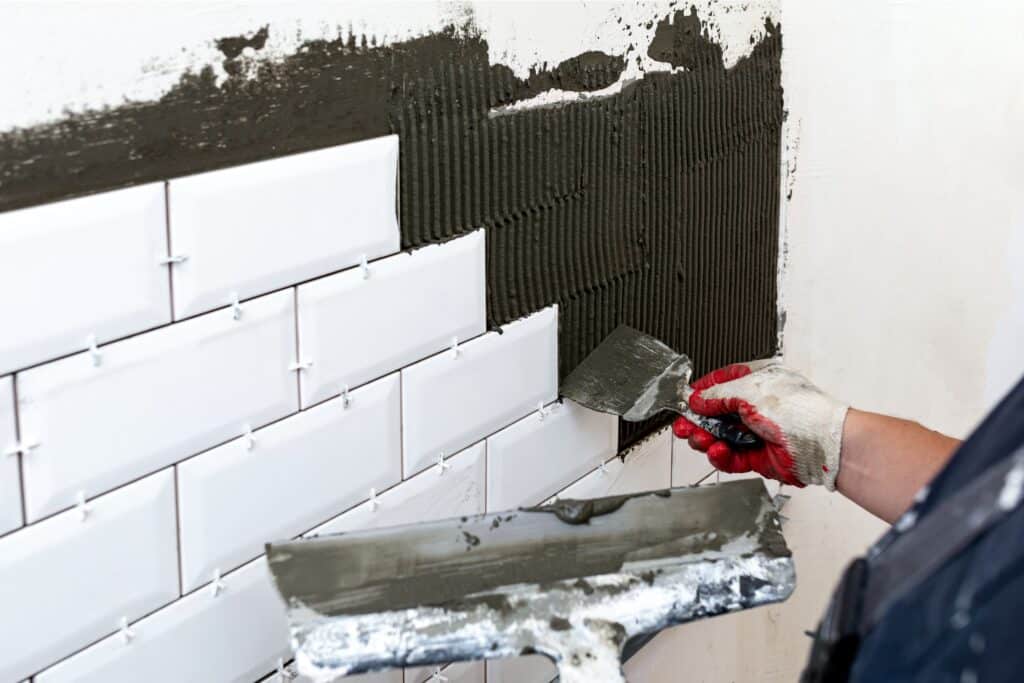
Using correct trowel and application technique for uniform application and bonding
Following proper tile placement and alignment
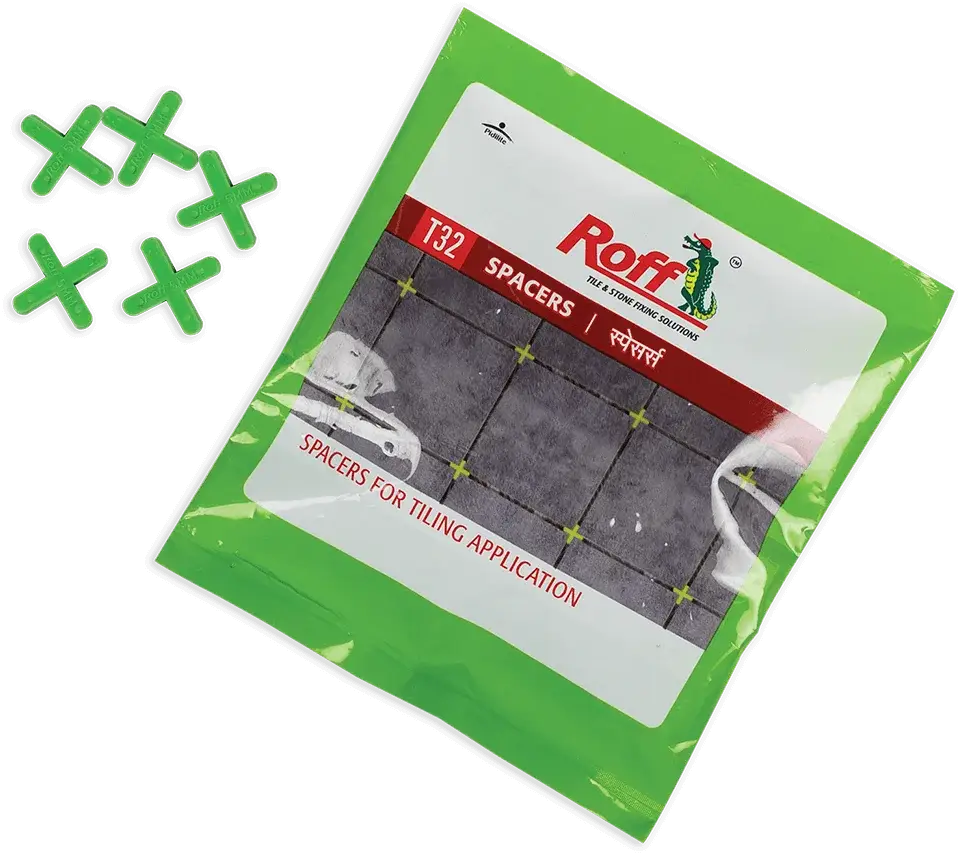
Using tile spacers to ensure consistent spacing
And allowing for proper curing time to ensure that the tiles don’t come loose later
Key takeaway
Tile adhesives for walls are a modern solution to all your tile installation needs.Modern adhesives are durable, low–maintenance, and can last for several years.However, you need to ensure that the adhesives are applied mindfully. Avoid using low-quality adhesives in wet or outdoor areas, as they are usually not water-resistant enough to withstand exposure.
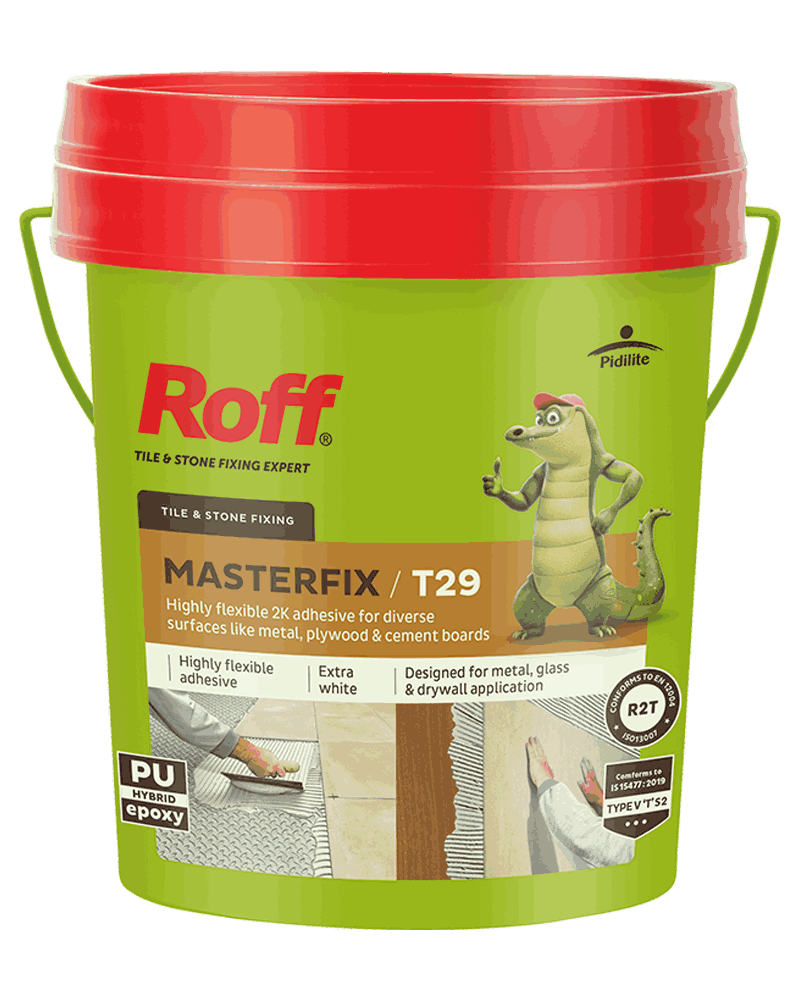
Roff Master Fix Adhesiveis a high-quality resin-based adhesive that can be used to install tiles on drywalls like plywood, cement board, metal etc. This adhesive is water, heat, and shock-resistant, making it ideal for a wide range of surfaces and conditions.
FAQs
1. Cantile adhesives be used in bathrooms?
Yes, water–resistant adhesives can last for decades even when exposed to moisture regularly. Ensure that you only use water–resistant adhesives in bathrooms and other wet areas.
2. Which is the best tile for flooring?
Porcelain and vitrified tiles are best for flooring due to their high tile durability and resistance to wear. For bathrooms, choose anti-skid tiles.
3. How to fix tiles on the wall?
Clean and dry the wall first. Apply tile adhesive with a trowel, press the tiles firmly, leave space between tiles with a tile spacer, and grout after they cure. Please seek professional help to apply tile adhesives on walls, even if you understand the process. Professionals can ensure that the tiles are installed properly, extending your surface’s lifespan significantly.