Check out the biggest trends of the season and our expert take on them.
How professional marble crack repair restores long-term surface strength
Marble adds timeless elegance to your home, but even this durable stone can develop damage over time. If you are wondering how to fix marble cracks, it is important to first understand the cause. Cracks may result from structural movement, heavy impact, improper installation, or natural wear.
While some issues seem minor, others may indicate deeper concerns that need attention. Early identification is critical, as untreated cracks can accumulate dirt, weaken the surface, and gradually degrade the marble’s appearance and integrity.
1. How to identify the type of crack early?
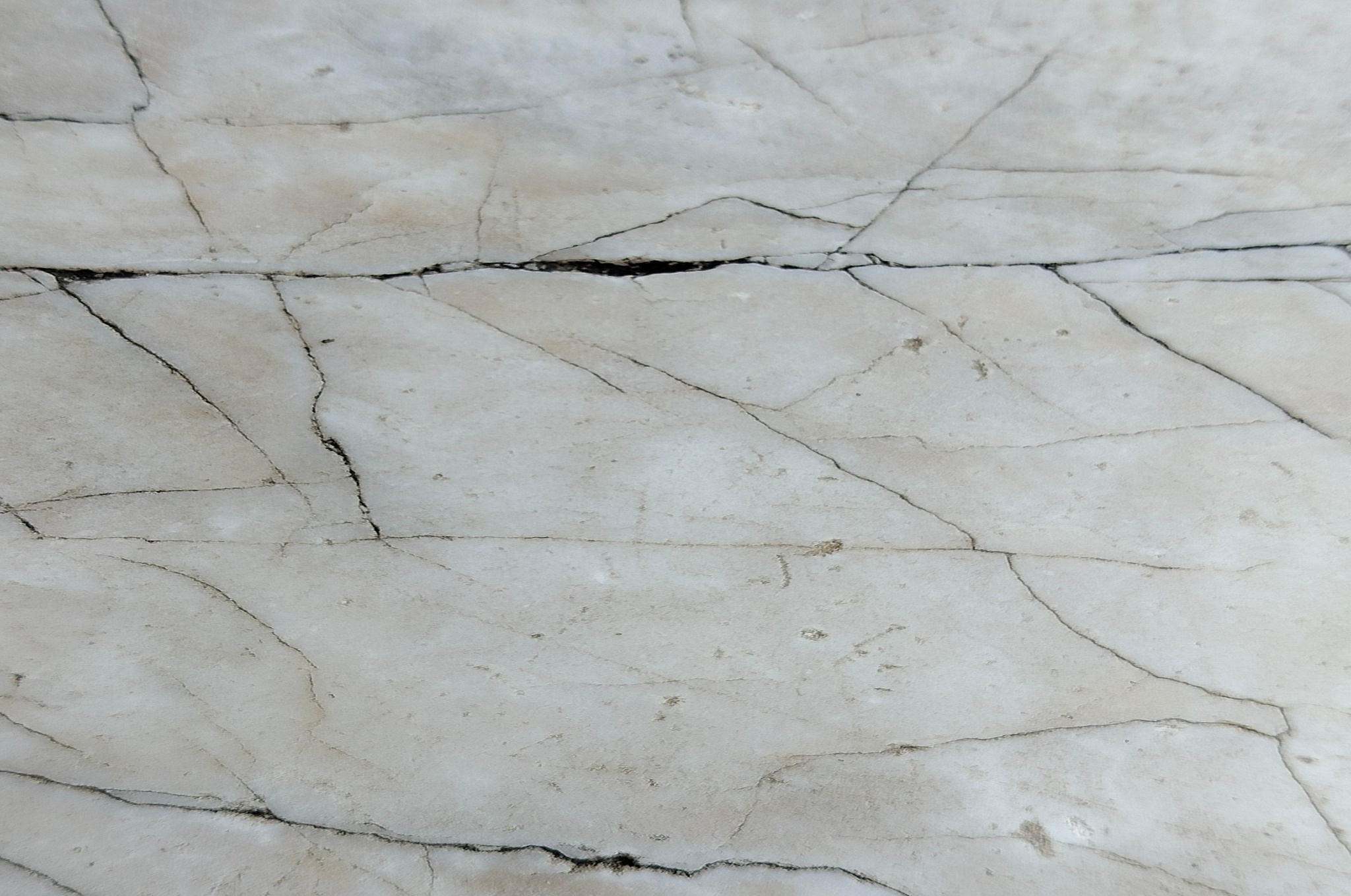
Not all cracks are the same. Hairline cracks are often surface-level and cosmetic. Deeper cracks may signal structural stress or substrate movement beneath the marble. An early inspection helps you decide whether a simple fix for a marble crack will work or if you need expert help.
Understanding the type of crack also ensures that the repair method matches the severity of the issue.
2. How can you clean and prepare the surface properly?
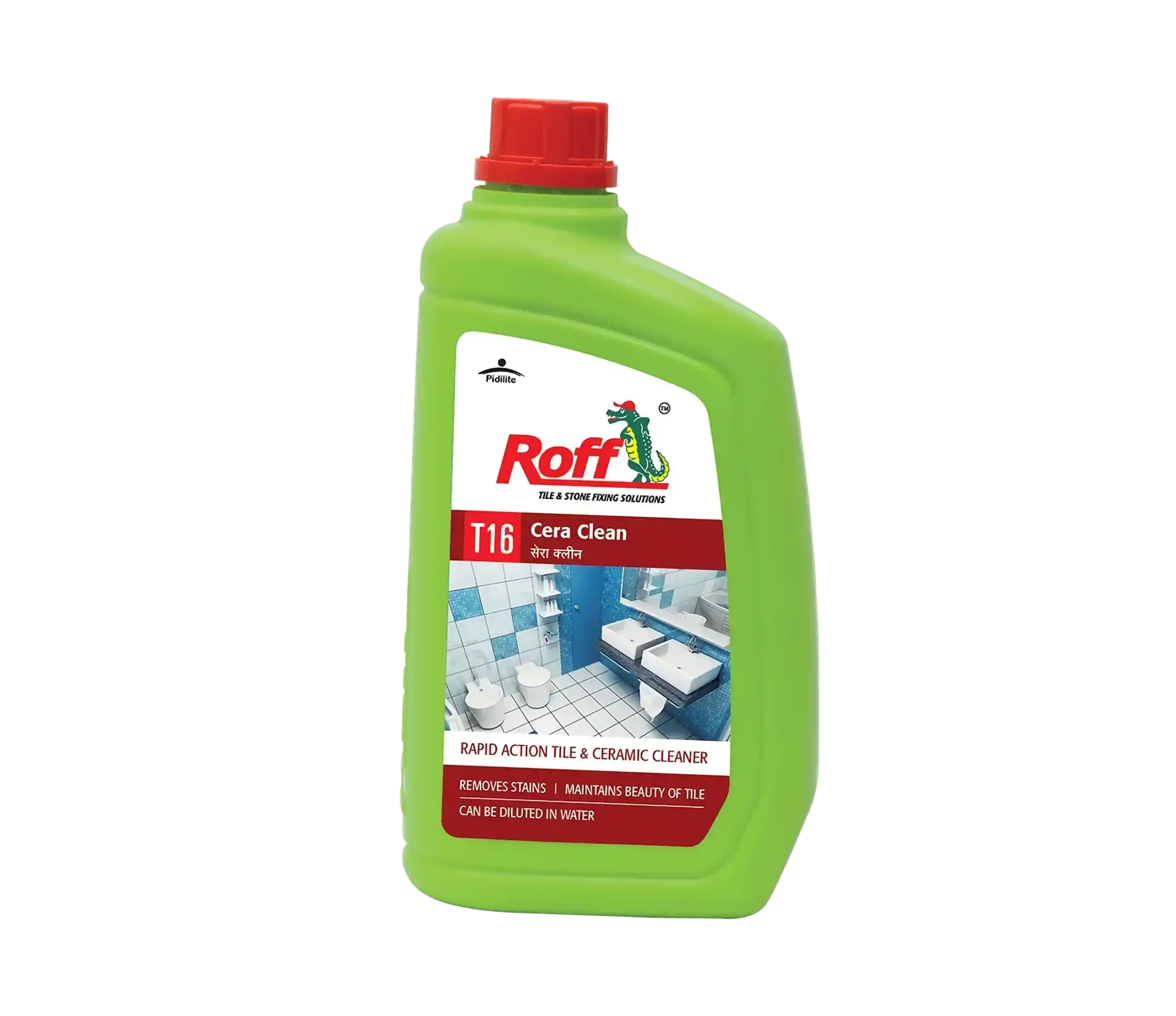
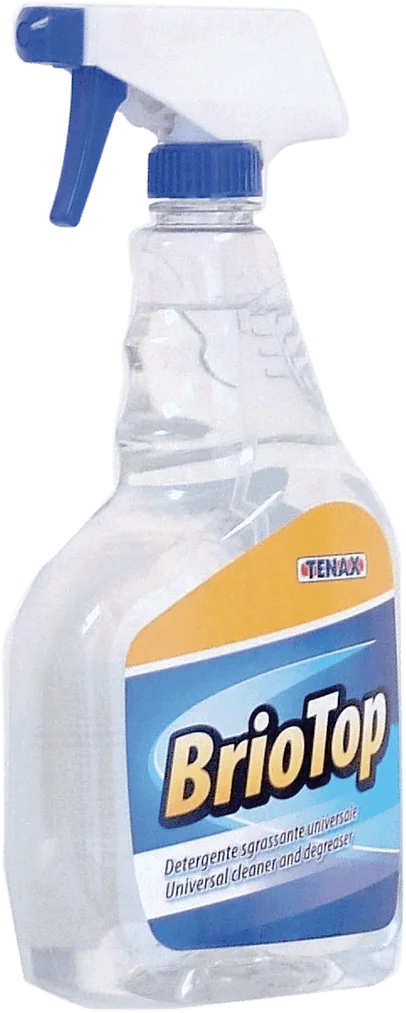
Before attempting any marble crack repair, thoroughly clean the area. Dust and debris can weaken bonding and reduce the effectiveness of fillers. Use a gentle marble cleaner to ensure the crack is free from dirt and residue.
Proper preparation improves the effectiveness of any repair method and helps achieve a more seamless finish after treatment.
3. Use the right filling material
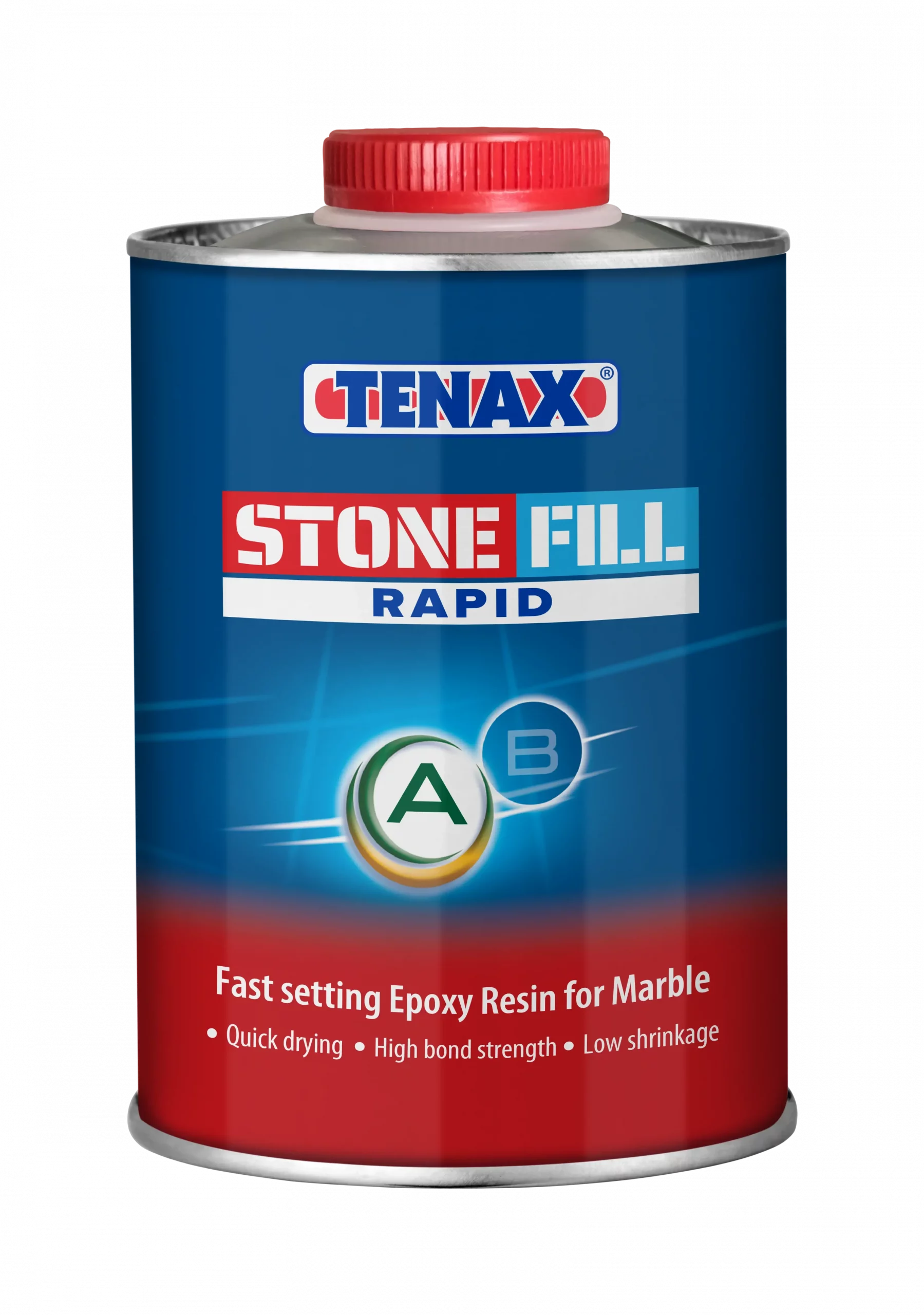
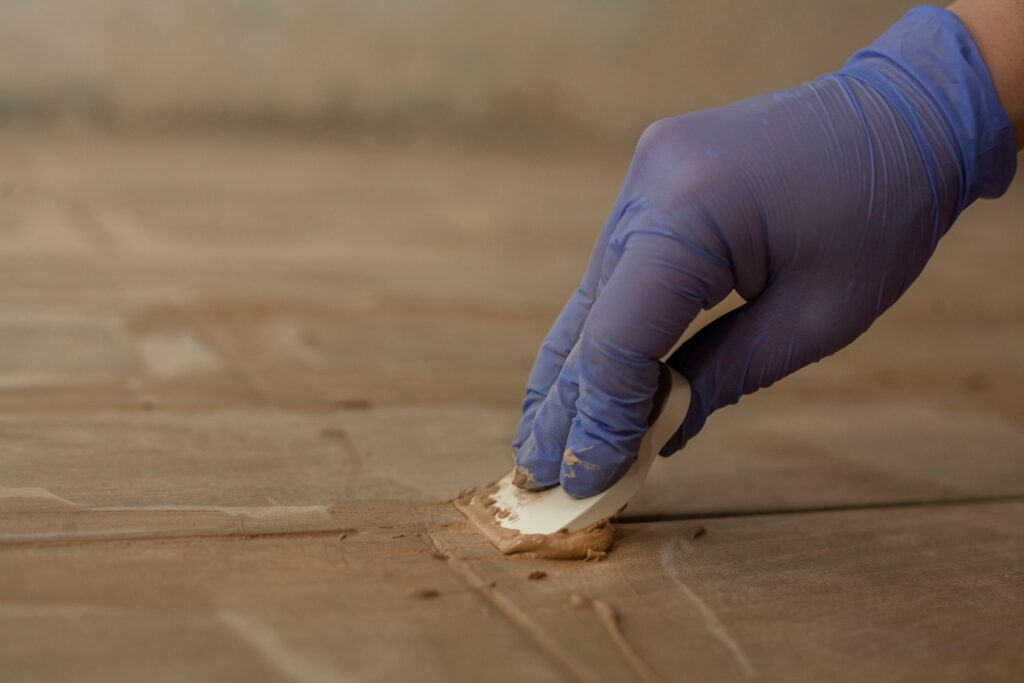
For minor cracks, specialised fillers can help restore the surface. Products like Tenax Stonefill are designed to repair marble crack issues with precision. They blend with the stone and maintain the natural finish.
Choosing the correct tinter to accurately match the natural colour of the stone, and applying it carefully, ensures that the repair blends seamlessly and does not stand out. Incorrect shade selection or poor application can result in visible patches, colour mismatches, or weak repairs that may deteriorate over time.
4. What are simple warning signs of more serious damage?
Cracks that widen, repeat, or appear near edges and joints often indicate underlying issues. Cracks in marble floor surfaces that produce hollow sounds or unevenness require careful assessment.
These signs may point to installation problems or subfloor movement. Ignoring them can lead to more extensive repairs,and higher long-term costs.
5. Know when to seek professional help
If the crack is deep, spreading, or affecting multiple marble surfaces, professional intervention is essential. Experts use advanced tools and techniques to accurately repair marble cracks, ensuring that both the surface and underlying issues are addressed.
Professional assessment helps identify the root cause, which is crucial for preventing recurring damage and maintaining the installation strength.
Post-repair care for lasting results
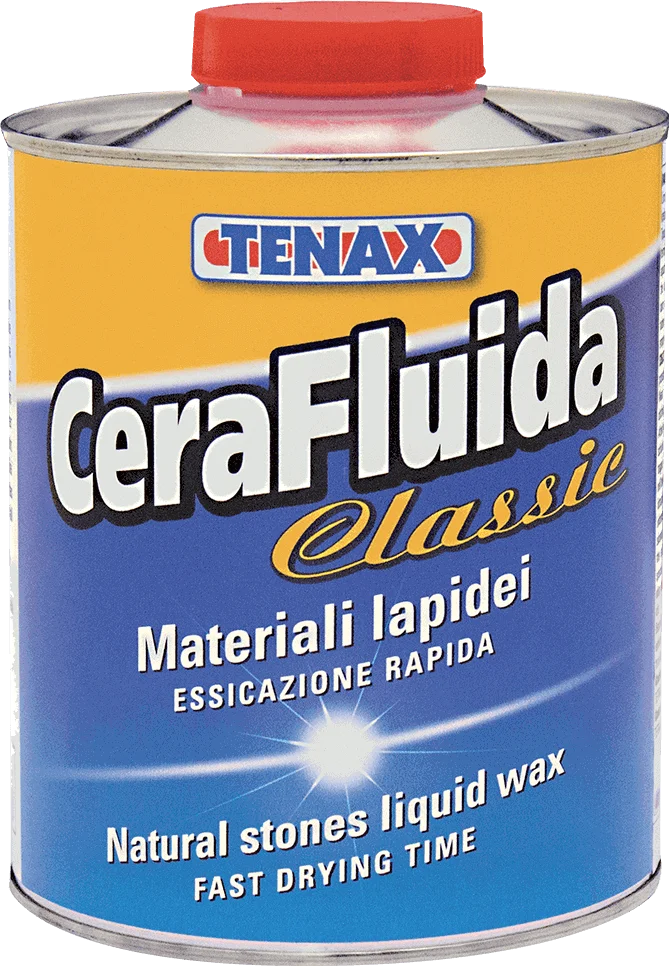
Once repairs are complete, ongoing maintenance is crucial. With Roff, you get access to specialised care solutions that support long-term durability. Products like Tenax ThassosandTenax Cera Fluidahelp maintain shine, while sealers protect against moisture and stains. Regular cleaning and sealing routines help preserve the repaired surface and prevent future cracks.helpmaintain shine, while sealers protect against moisture and stains. Regular cleaning and sealing routines help preserve the repaired surface and prevent future cracks.
Final thoughts
Understanding how to fix marble cracks helps you act early and prevent further damage. While minor issues can be managed with the right approach, deeper cracks need professional expertise. Timely repair combined with proper care ensures that your marble remains strong, polished, and visually refined for years to come.
Frequently asked questions (FAQs)
1) How do Iidentify marble crack types?
Hairline cracks are usually surface-level, while deep or widening cracks may indicate structural issues beneath the marble.
2)What is the first step before repairing a marble crack?
Clean the crack thoroughly to remove dust and debris, ensuring better bonding of repair materials.
3)Can small marble cracks be fixed at home?
Yes, minor cracks can be repaired with specialised fillers that match the marble’s finish.
4)When should I call a professional for marble crack repair?
If cracks are deep, spreading, or recurring, a professional assessment is necessary to address underlying problems.
5) How can I prevent marble cracks in the future?
Regular cleaning, sealing, and proper maintenance help protect marble from damage and extend its lifespan.