Check out the biggest trends of the season and our expert take on them.
Cement vs. Epoxy tile gap fillers: Which performs the best?
When planning a tiling project, most homeowners focus on tile design and finish. However, tile gap filling plays an equally important role in durability, hygiene, and maintenance. The right filler protects tile joints from moisture, staining, and daily wear.
Today, the biggest debate is between traditional cement fillers and modern epoxy solutions. Understanding the difference helps you choose the best option for your space and budget.
1. Composition affects long-term durability
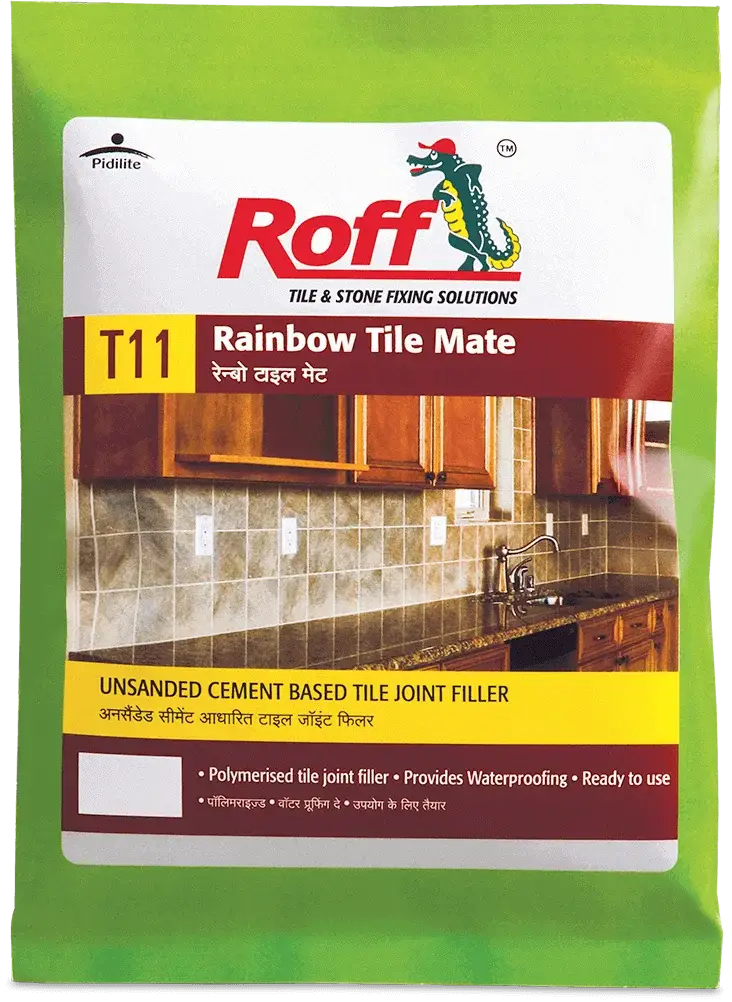
Cement fillers are made using cement, sand, and additives. They are affordable and easy to apply, making them common for residential projects. However, they remain porous and can weaken over time.
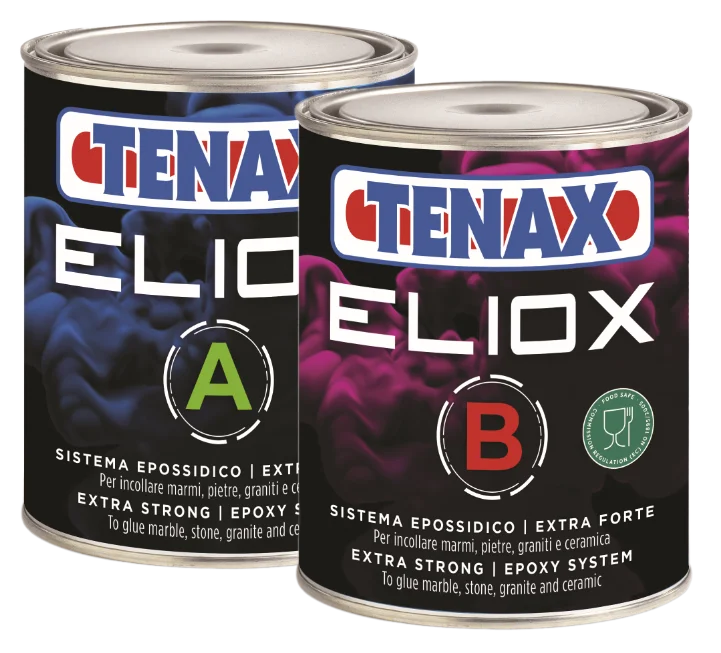
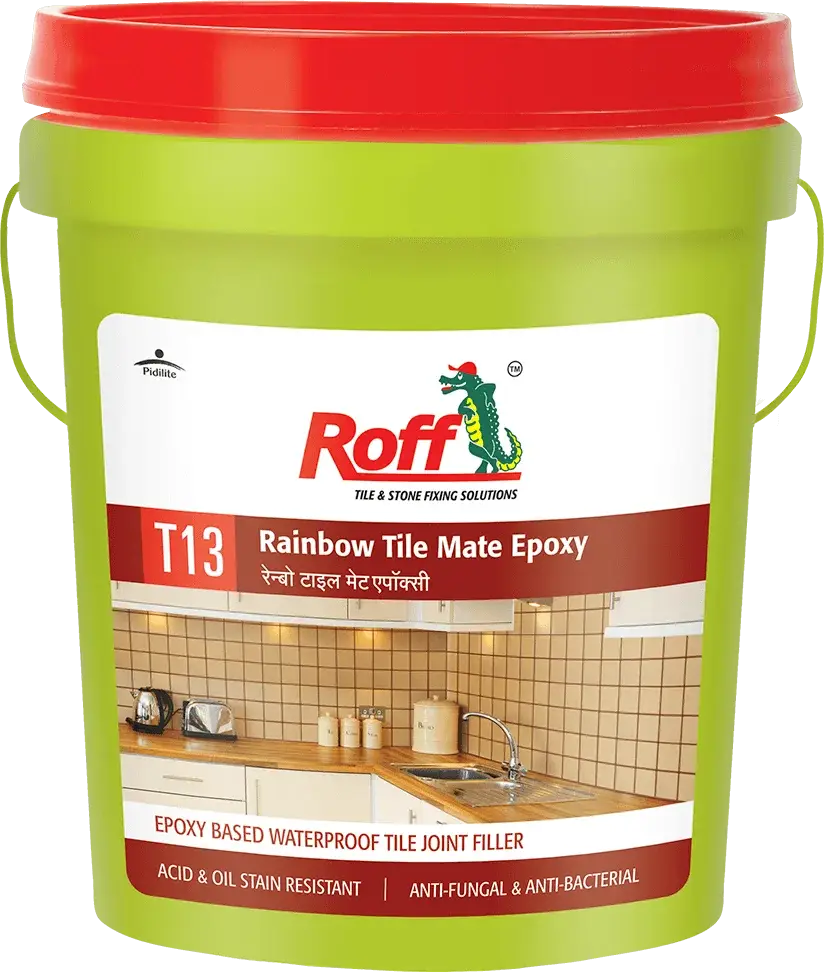
Epoxy fillers use resin and hardener compounds. Anepoxy tile gap fillercreates denser joints with superior strength and durability. This makes epoxy better suited for demanding environments and high-traffic areas.
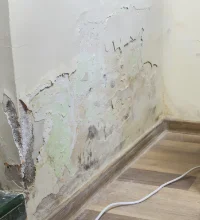
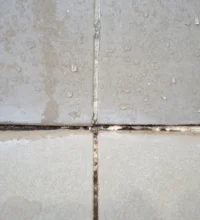
Bathrooms and kitchens are constantly exposed to moisture, making tile joints especially vulnerable. Cement fillers absorb water gradually, which can lead to stains, mould growth, unpleasant odours, and weakened joints over time.Even a small leakage through tile gaps can create bigger problems if left untreated.
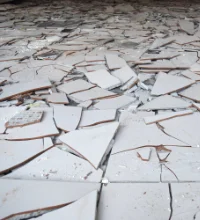
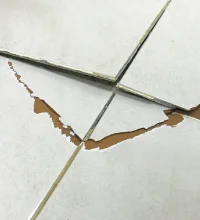
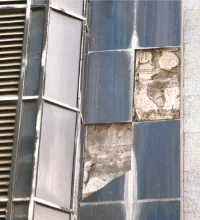
Moisture can seep beneath tiles and weaken the bonding layer, damage walls and flooring, and even cause damp patches to spread across the house. Over time, this dampness can affect the structural integrity of the home, leading tohollow tiles and damaged surfaces
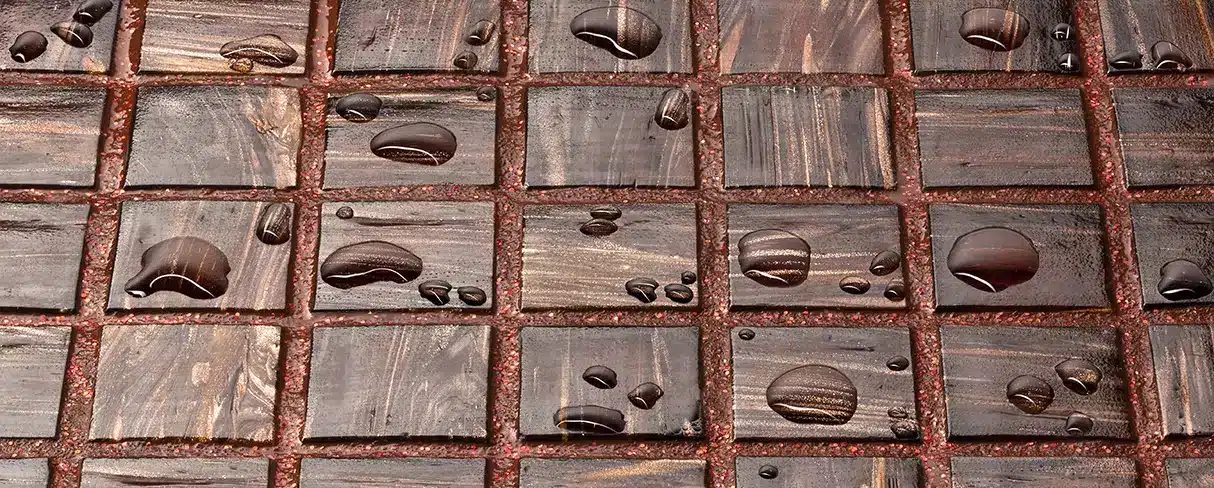
A waterproof tile gap filler performs far better in wet conditions. Epoxy fillers resist water penetration completely, making them ideal for bathrooms, balconies, kitchens, and outdoor spaces exposed to heavy moisture.
3. Maintenance needs vary over time
Cement-based fillers often require regular scrubbing and periodic resealing. Dirt and grime collect easily within porous joints, affecting hygiene and appearance.
A premium gap filler for tiles made with epoxy remains non-porous and easier to maintain. It resists stains, prevents dirt absorption, and keeps tile joints cleaner for longer with minimal upkeep.
4. Application process impacts installation
Cement fillers are relatively simple to install and work well for basic applications. However, improper curing can result in shrinkage and cracking.
Epoxy fillers need greater precision during application because they bond quickly and strongly. Despite the more technical process, a high-quality tile grout filler offers superior finishing, durability, and long-term reliability compared to cement alternatives.
5. Long-term value outweighs upfront cost
Cement fillers cost less initially, which makes them attractive for budget-conscious projects. However, maintenance expenses and frequent repairs increase lifecycle costs over time.
Epoxy-based tile joint filler solutions involve a higher upfront investment but deliver better waterproofing, stain resistance, and longevity. For homeowners seeking long-term performance and lower maintenance, epoxy remains the superior choice in most cases.
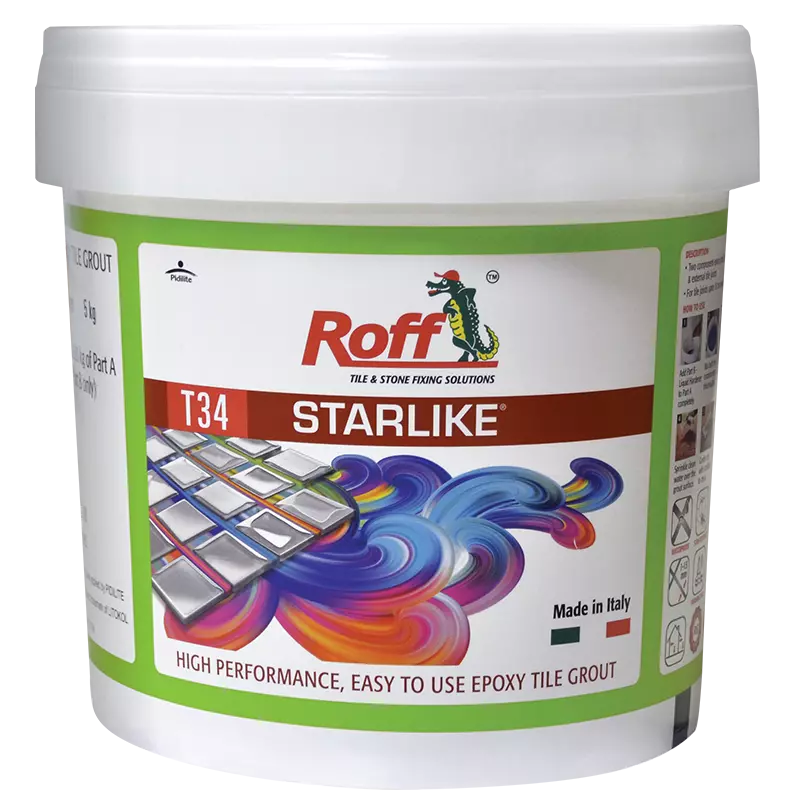
With Roff Starlike, you get advanced tile gap filling performance designed for modern homes. Its durable epoxy technology helps protect joints, improve hygiene, secure your home against water intrusion, and maintain a refined finish for years.
Stronger joints, smarter tile protection
Choosing the right approach to tile gap filling can significantly impact the durability, hygiene, and appearance of your tiled surfaces. While cement fillers may suit basic applications, epoxy tile gap fillers offer superior stain resistance, strength, and long-term reliability for demanding spaces.
With advanced options like Roff Starlike, homeowners benefit from cleaner joints, reduced maintenance, and lasting performance. The right gap filler for tiles not only protects your surfaces but also preserves their finish for years to come.
Frequently asked questions (FAQs)
1) Which filler is better for bathroom tiles?
Epoxy fillers are generally better for bathroom tiles because they resist moisture, stains, mould growth, and water seepage far more effectively than cement-based fillers.
2) Does epoxy tile gap filling last longer than cement?
Yes. Epoxy tile gap filler offers superior durability, waterproofing, and crack resistance, making it a longer-lasting, lower-maintenance option than cement fillers.
3) Is epoxy difficult to apply?
Epoxy fillers require more precision during mixing and application, but their stronger bonding and long-term performance make the extra effort worthwhile.
4) Can cement fillers become discoloured over time?
Yes. Cement fillers are porous, which means they absorb moisture, dirt, and stains over time, often resulting in visible discolouration and dull-looking joints.
5)Where should epoxy tile fillers be used?
Epoxy tile fillers work best in kitchens, bathrooms, balconies, outdoor areas, and high-traffic flooring spaces that demand durability and waterproof protection.