Check out the biggest trends of the season and our expert take on them.
Best Adhesive for Granite Countertops in India: How to Choose & Apply
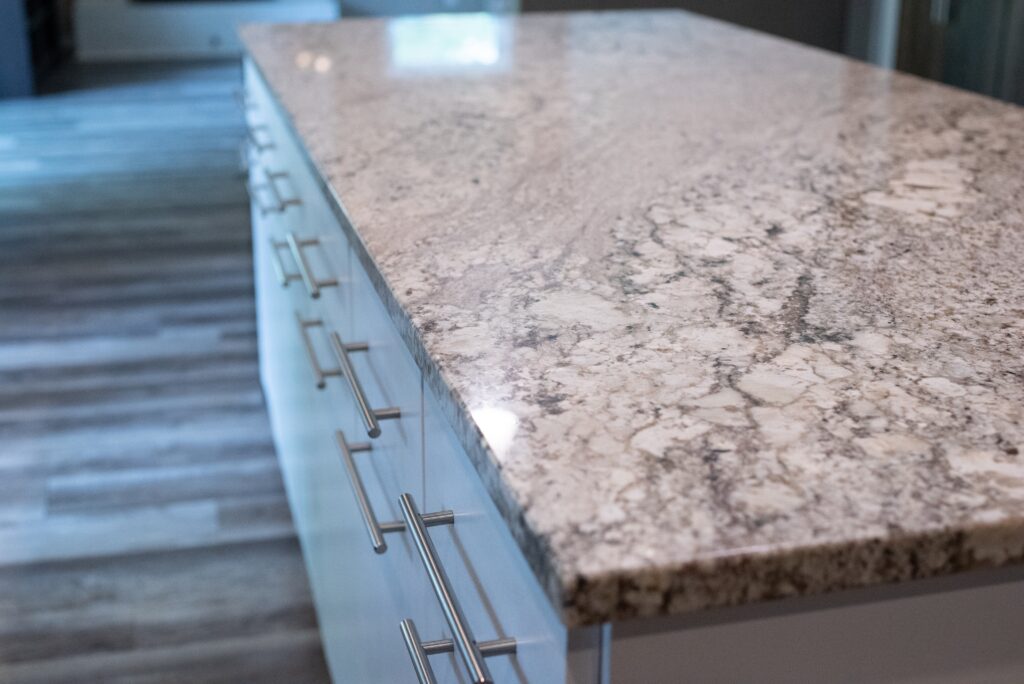
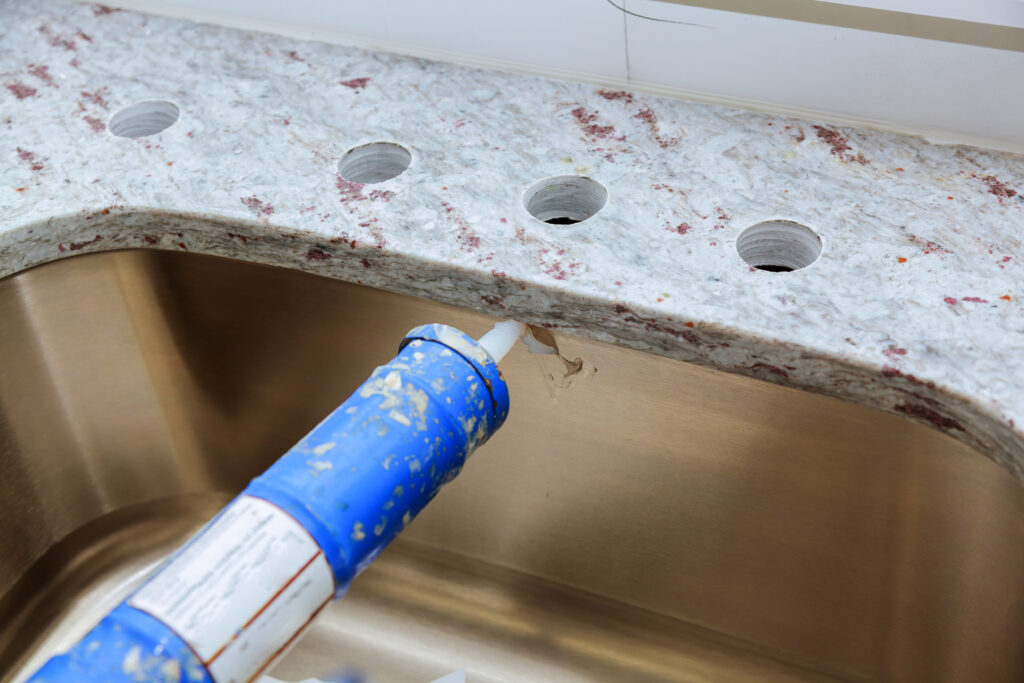
Granite countertops are heavy, durable and exposed to regular loads, moisture and temperature changes. Choosing the right adhesive is therefore important for a secure, long-lasting installation. The best adhesive depends on the granite, substrate, installation area and expected load. For demanding applications, Roff Master Fix suits stone and multiple substrates, while Roff Vitrofix and Extrofix are options for specific tile and natural-stone applications.
Why Granite Needs a Special Adhesive
The Weight and Load Problem
Granite slabs are heavy, and a countertop can experience both vertical and edge loads during everyday use. The adhesive must create a strong, continuous bond between the granite and the substrate. A suitable adhesive should also accommodate minor movement without losing grip, particularly with large or heavy slabs.
Why Cement and Spot-Bonding Fail
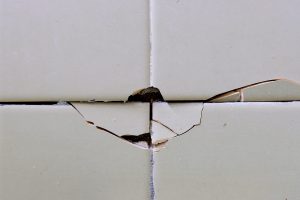
Cement or spot-bonding can leave hollow spots and voids beneath the granite instead of providing consistent contact across the surface. These unsupported areas can create weak spots, and the stone may move or flex under load. Over time, this repeated flexing under load creates micro-fractures in the grout and adhesive, which can lead to water leakage, staining, and ultimately, a loose and hazardous countertop.
Which Adhesive Is Best for Granite Countertops?
For granite countertops, the right adhesive depends on the stone, substrate and installation conditions.Roff Master Fix is a strong option for demanding granite and stone applications because it is a flexible, high-performance adhesive designed for natural stones and multiple substrates. Roff Vitrofix and Roff Extrofix are also designed for natural-stone applications, with the choice depending on whether the installation is primarily internal or external and the specific surface requirements.
Roff Master Fix vs Vitrofix vs Extrofix
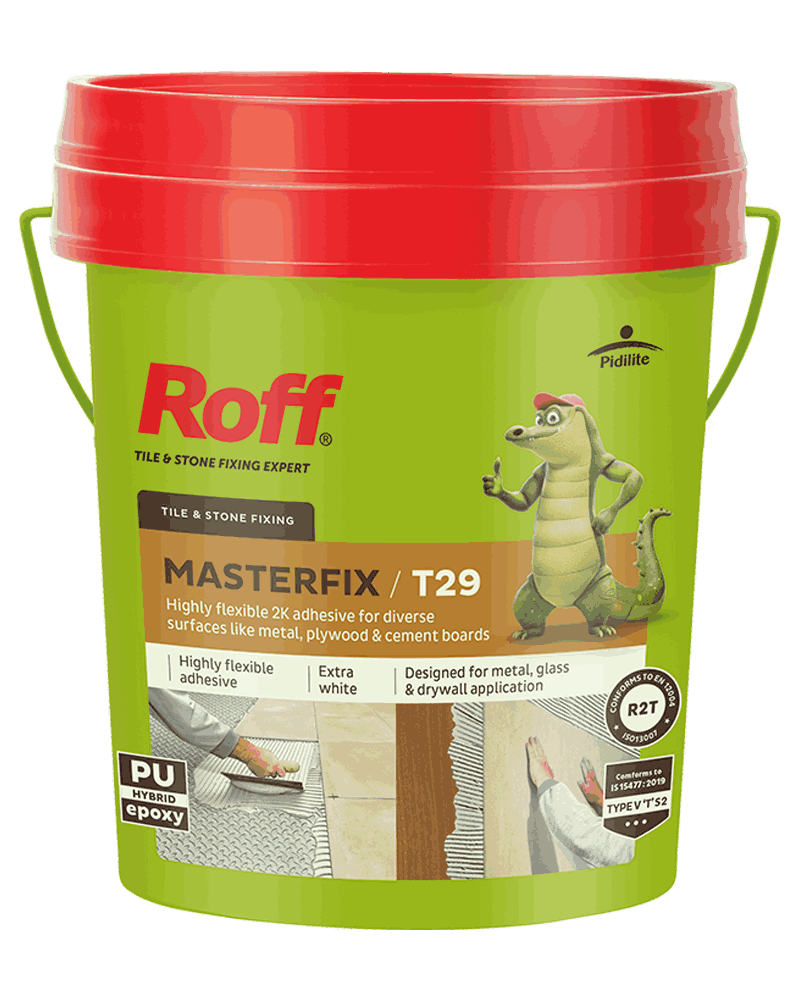
Roff Master Fix: A two-component, highly flexible adhesive suitable for natural stones as well as artificial stones (like Nano White). Roff Master Fix may also be used on different substrates, including cement-based surfaces, plywood, drywall, metal and existing tiles. It is particularly useful where flexibility, high performance or multiple substrate types are involved.
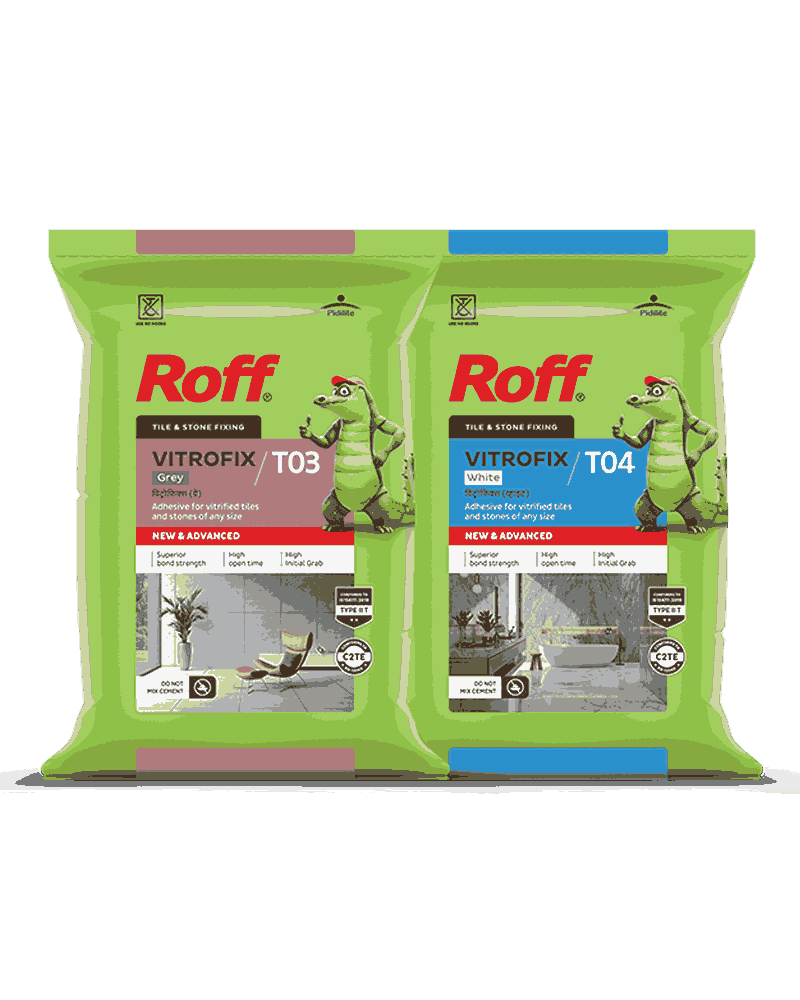
Roff Vitrofix: A polymer-modified cement-based adhesive suitable for natural stones and tiles. It is designed for internal floor and wall applications and can also be used for specified external floor applications.
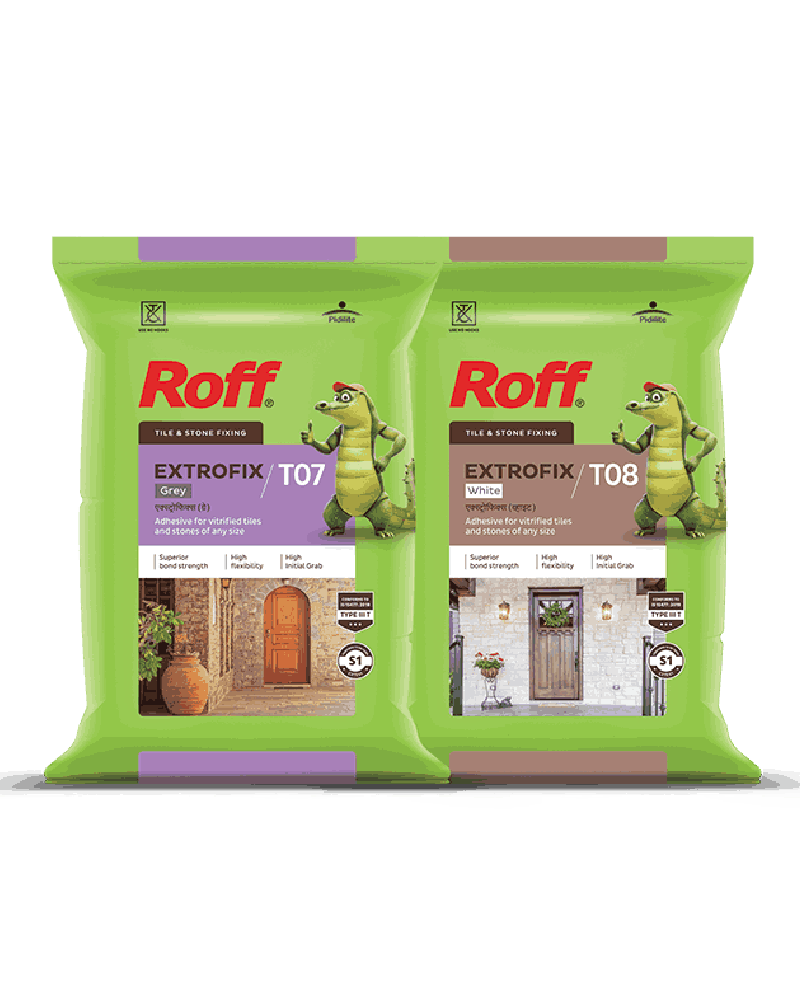
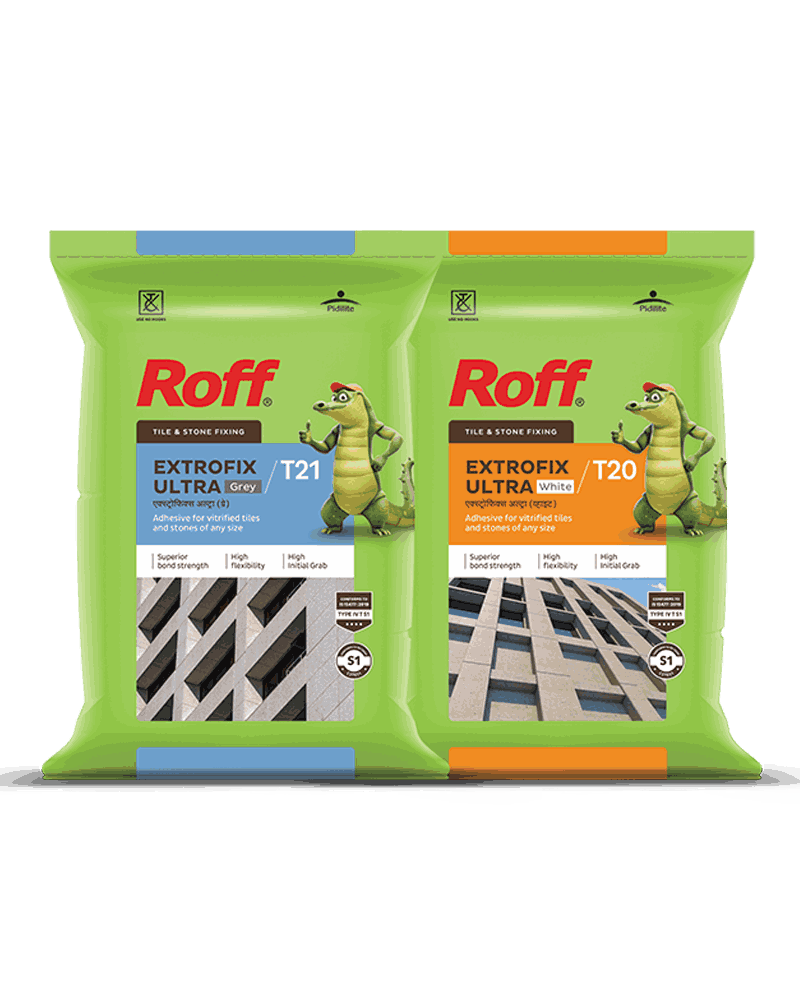
Roff Extrofix: A highly flexible adhesive designed for external tiles, natural stones and other demanding applications. It is suitable for internal and external floors and walls and is designed to provide strong bonding with extended open time.
Which to Pick for Your Job
The right adhesive depends on the type of stone or tile, the installation surface, the intended use and the site conditions. For a granite countertop, consider the slab size and weight, the substrate it will be fixed to, and the amount of load it will carry. For areas exposed to moisture, water-resistance is amust-have performance parameter for a tile adhesive.
Where greater flexibility, durability or bonding to challenging substrates is required, a high-performance option such as Roff Master Fix may be preferable. For suitable natural-stone and tile applications on recommended substrates, Roff Vitrofix orRoff Extrofix can be considered based on whether the installation is internal or external and the performance requirements.
Epoxy vs Cement-Based Adhesive for Granite
When Epoxy is Worth It
An epoxy-based adhesive is essential for high-stress installations or tricky surfaces, providing superior flexibility and chemical resistance to prevent cracks and bond failures on substrates like plywood or metal. Roff Master Fix uses polyurethane-epoxy hybrid technology and is suitable for natural stones, as well as substrates such as metal, plywood, and existing tiles.
When Polymer-Modified Cement is Enough
A polymer-modified cement-based adhesive can be suitable when installing granite over an appropriate cement-based substrate, and the application falls within the product’s recommended use. However, epoxy-based adhesives generally perform better than cement in most situations.
Products such as Roff Vitrofix are designed to provide strong bonding for natural stones and tiles. If you’re unsure about which adhesive to use for your project, consult Roff’s adhesive selector for expert guidance.
How to Apply Adhesive on a Granite Countertop (Step by Step)
Surface Preparation
Start with a clean, sound and properly prepared substrate. Remove dust, dirt, loose material, grease and other contaminants that could interfere with bonding. Check that the surface is suitable for the selected adhesive and that any required curing or preparation is complete. The granite should also be clean and free from contaminants before installation.
Trowel, Back-Butter and Set
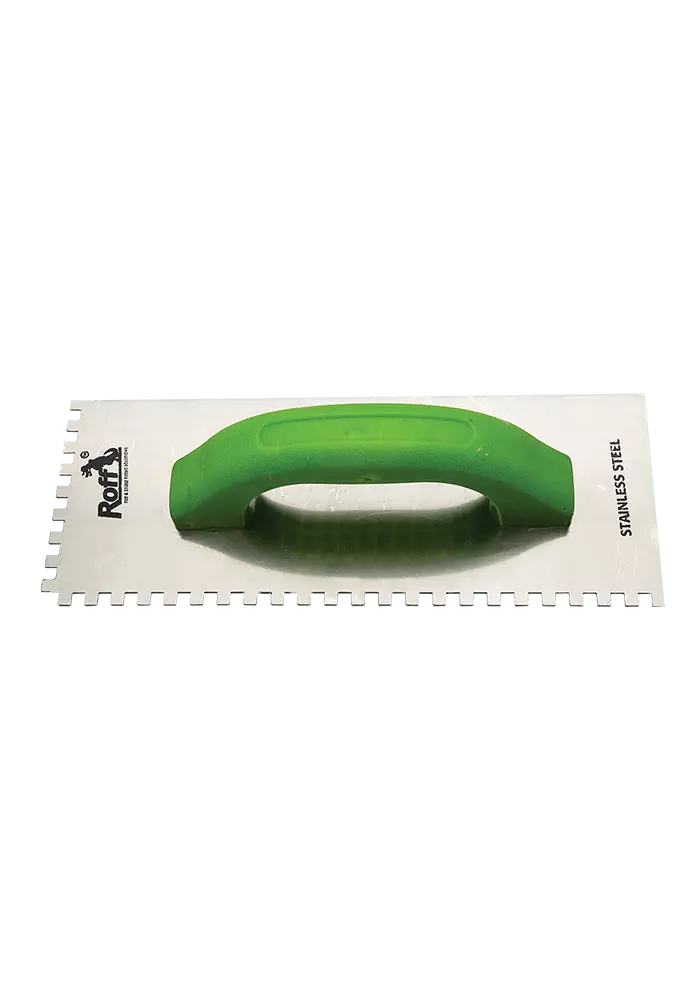
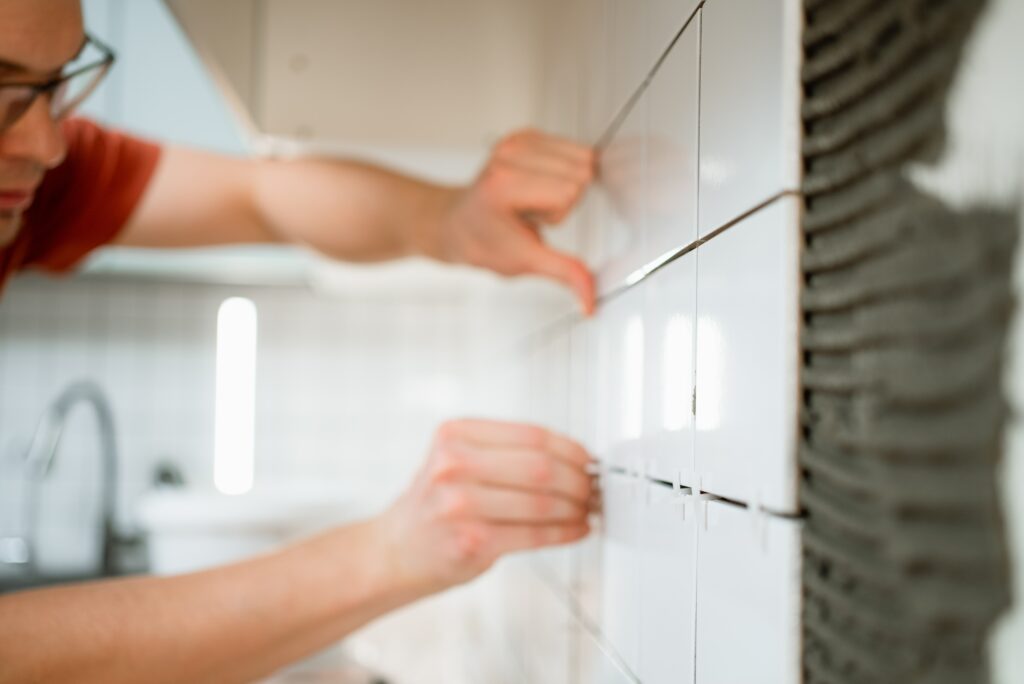
Mix and apply the adhesive according to the manufacturer’s instructions. Spread the adhesive with a trowel held at a 45-degree angle to create uniform ridges, ensuring full coverage and eliminating hollow spots that can lead to cracks. For large or heavy granite pieces, back-buttering can help improve adhesive contact between the stone and the prepared adhesive bed. Carefully position the granite, press it into place and ensure the required coverage is achieved without trapping unnecessary gaps.
Curing Before Use
Allow the adhesive to cure for the time specified in its technical documentation before putting the countertop into regular service. Avoid loading, shifting or disturbing the granite during this period. Actual curing time can vary with the adhesive, temperature, humidity, substrate, and installation conditions, so the manufacturer’s instructions should take priority.
Seal the Granite, Especially Light-Coloured Stone
After the adhesive has cured and before the countertop is exposed to regular spills and staining, check whether the granite requires sealing. Light-coloured granite can be more prone to showing oil, food, moisture, or adhesive-related staining, so applying a suitable stone sealer can provide an additional layer of protection.
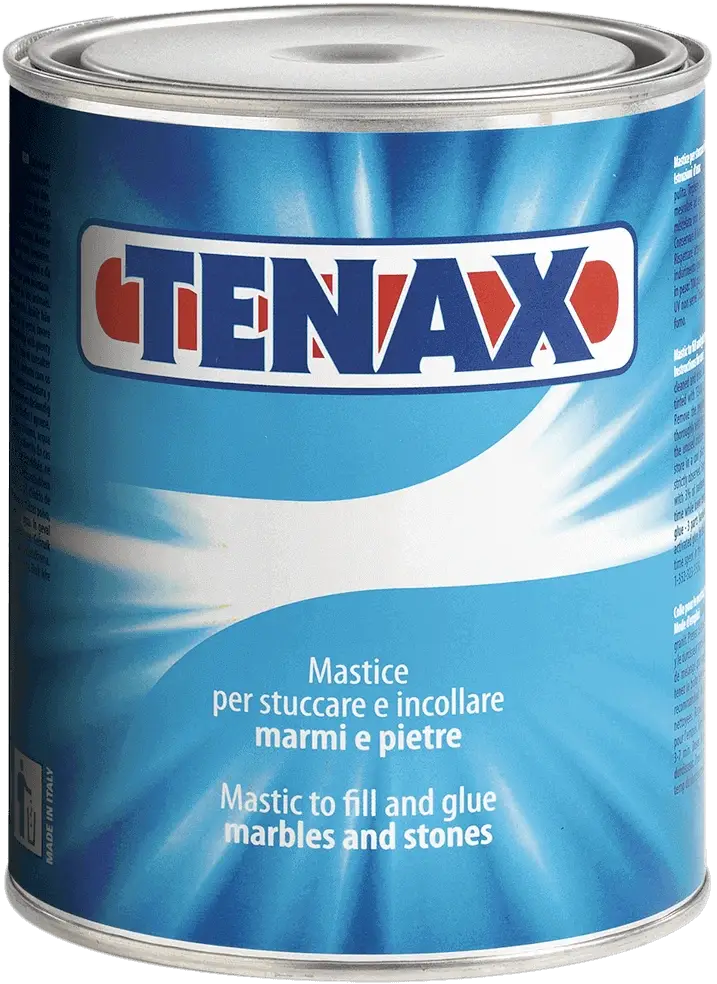
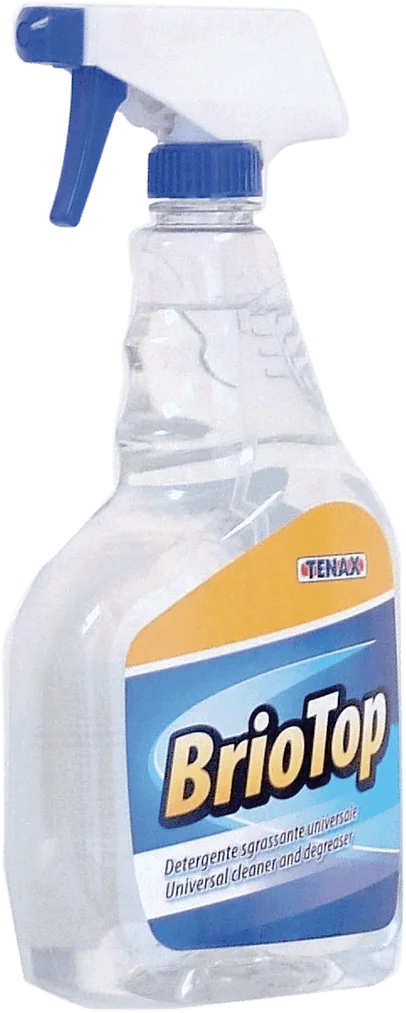
Make sure the granite is clean and completely dry before sealing, and always use a product specifically recommended for natural stone. Check Tenax, Roff’s stone care range of products, to find an appropriate sealer for your stone countertops.
Mistakes to Avoid
Spot Bonding & Wrong Trowel
Applying adhesive only in a few spots can leave hollow areas beneath the granite and reduce overall contact.
Select the correct trowel size for the adhesive and granite application to achieve the required adhesive-bed thickness and coverage.
Spread the adhesive evenly over the prepared surface instead of relying on isolated patches that can create unsupported areas.
Skipping Cure Time
Allow the adhesive to cure for the time specified by the manufacturer before putting the surface into regular use.
Heavy objects or equipment can shift the granite before the bond has developed sufficient strength.
Curing time varies with the adhesive and site conditions, so follow the manufacturer’s recommended time period for best results.
Frequently asked questions (FAQs)
1) Which Roff adhesive is best for granite countertops?
For demanding granite and stone applications, Roff Master Fix is a suitable high-performance option. Roff Vitrofix and Extrofix may also be appropriate depending on the substrate and application conditions.
2) Can I fix a granite countertop with cement?
Cement alone may not provide the performance and consistent contact required for a heavy granite countertop. Select a suitable tile-and-stone adhesive based on the substrate and application.
3) How long does granite countertop adhesive take to cure?
Curing time depends on the adhesive and site conditions. Follow the specific product’s technical documentation before using or loading the countertop.
4) Is epoxy adhesive safe for kitchen granite?
A suitable, manufacturer-approved adhesive can be used for kitchen applications. Always check the product’s intended use and technical documentation before installation.
5) How much adhesive do I need per square foot?
The quantity depends on the adhesive, application method, surface and adhesive-bed thickness. Roff provides an adhesive coverage calculator to estimate the required quantity; actual consumption can vary according to site conditions and application methodology.