Blogs & Current Trends

Check out the biggest trends of the season and our expert take on them.

Tile Glue vs Tile Adhesive: Same Thing? (And What to Use Where)

Key Takeaways

  • Tile glue and tile adhesive refer to the same product in everyday usage. 
  • The right adhesive depends on the tile, substrate and application. 
  • Different areas require different adhesive properties, especially for natural stone or wet areas. 
  • Branded purpose-made tile adhesives are preferable to ordinary cement or non-branded adhesives.

Tile glue and tile adhesive are often used interchangeably in everyday tiling conversations. “Tile glue” is a casual term, while tile adhesive is the technical term for products formulated to bond tiles to suitable surfaces.

Tile Glue and Tile Adhesive Are the Same Thing

If you hear someone say “tile glue,” they are usually referring to tile adhesive rather than a separate category of product. To put it simply, “tile glue” is a casual, consumer-friendly term, while “tile adhesive” is the technical term used by manufacturers and professionals.

The important choice is not between glue and adhesive, but between different adhesive types suited to the tile, surface and application. Before choosing a tile glue/adhesive, check the product’s Technical Data Sheet (TDS) to confirm it is compatible with your specific tile material (e.g., ceramic, vitrified, stone) and the surface you’re tiling onto (the ‘substrate’).

So What Actually Differs? The Type of Adhesive

The real difference lies in the adhesive’s formulation and performance. Cement-based adhesives and epoxy/resin-based adhesives serve different requirements, so the tile, substrate, exposure and expected performance should guide the choice.

Cement-based (Type 1-4)

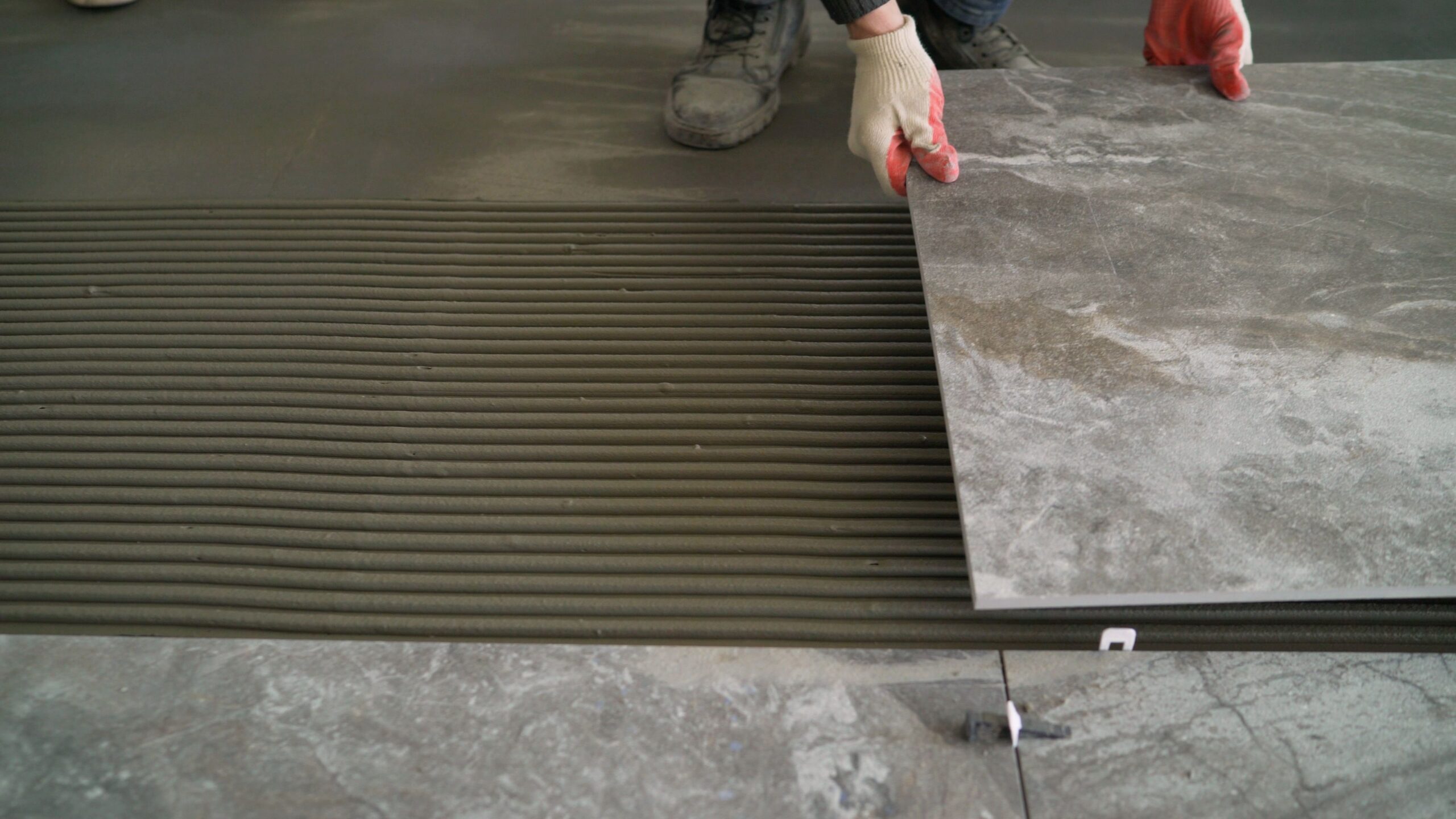
Cement-based tile adhesives are dry-mix products prepared with water before application. Their performance varies by formulation, so select the appropriate type based on the tile, substrate, and installation conditions.

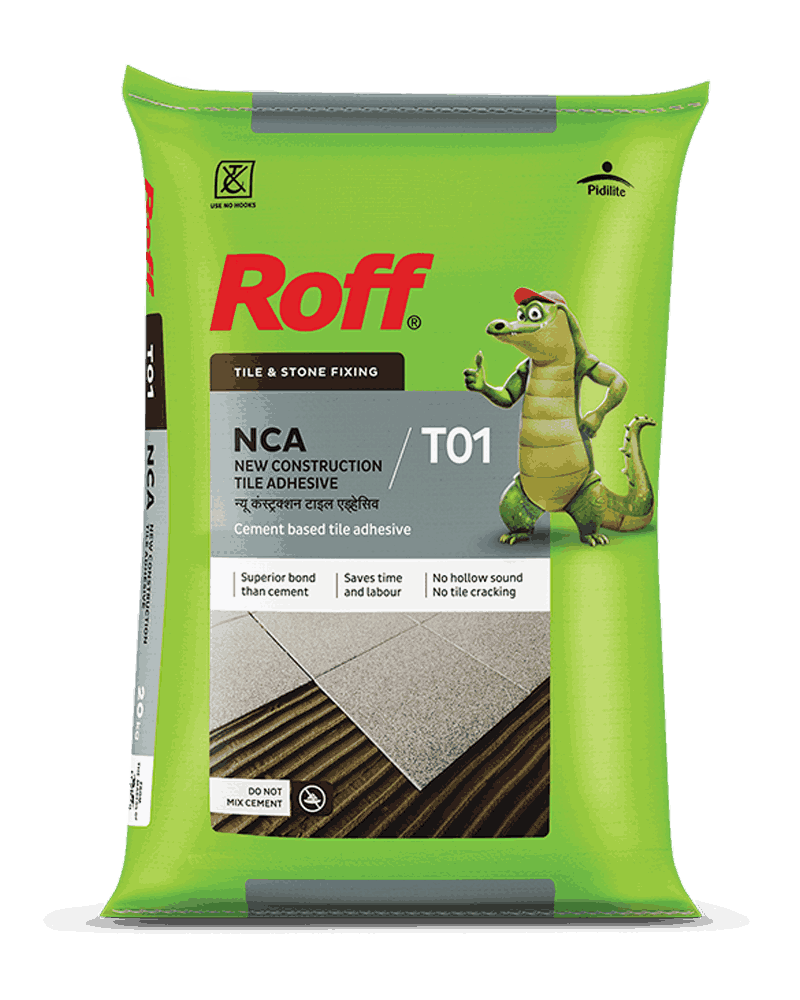
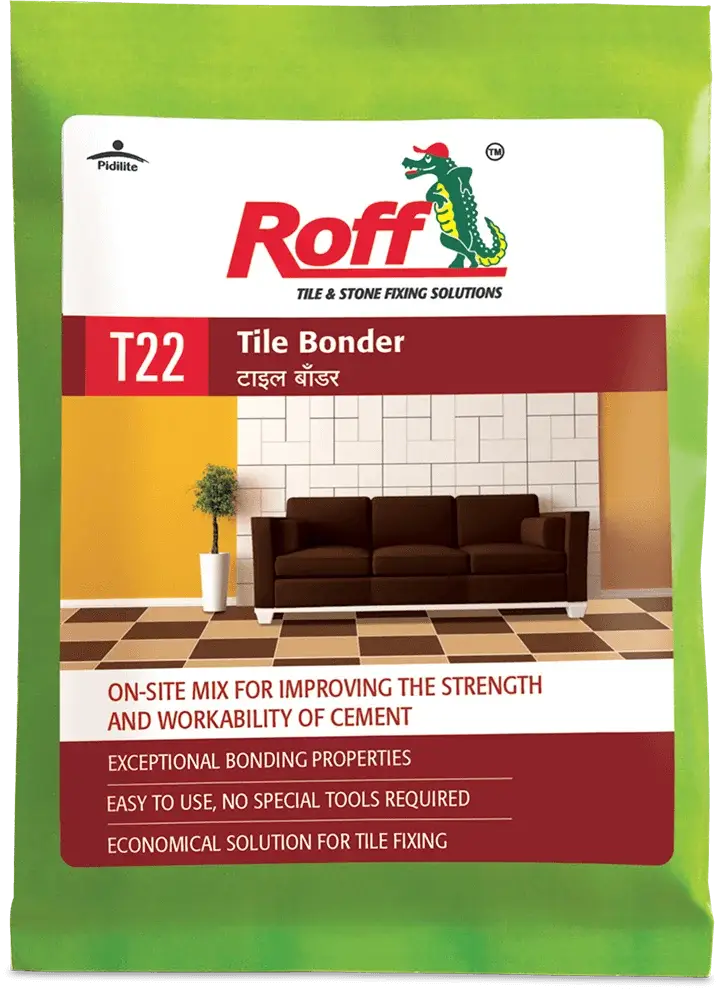
  • Type 1: A standard adhesive for fixing porous ceramic tiles to interior concrete or plaster walls and floors in dry areas like bedrooms or living rooms. 
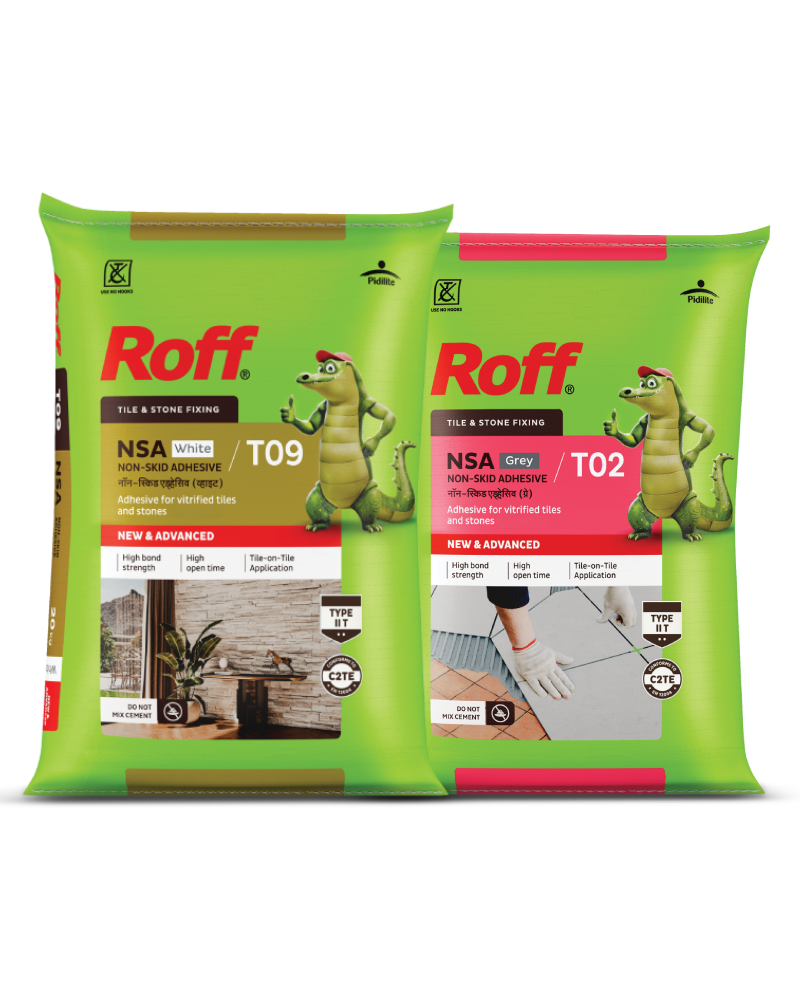
  • Type 2: A polymer-modified adhesive with enhanced bond strength and water resistance, ideal for fixing vitrified tiles in kitchens or balconies where standard adhesives may fail. They can also be used for tile-on-tile applications. 
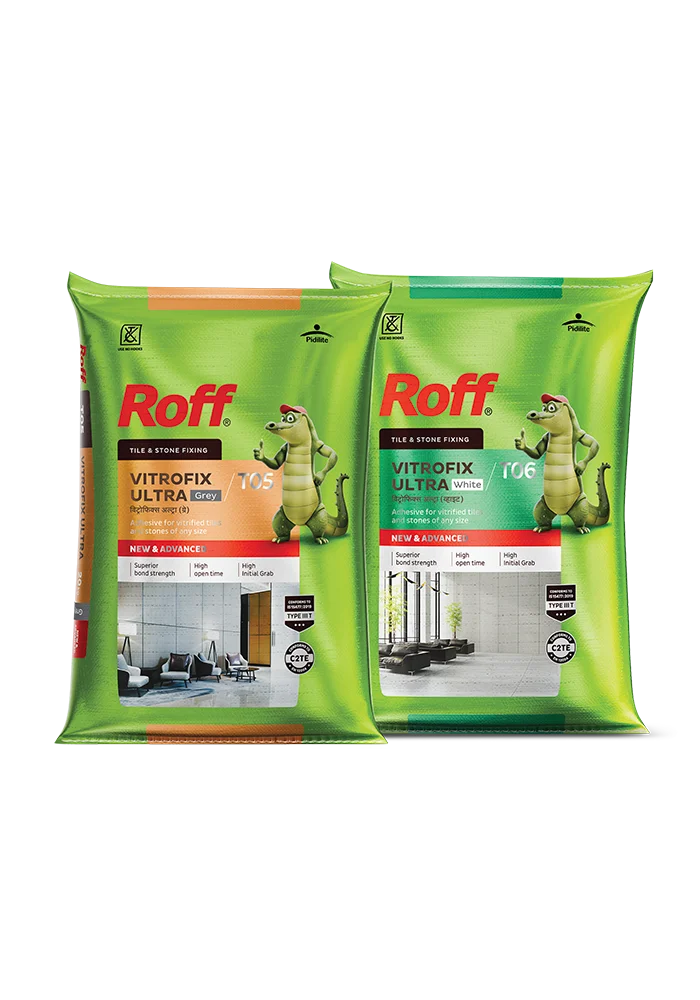
  • Type 3: Higher-performance adhesive suited to more demanding tile-fixing conditions like window/door frames or swimming pools. 
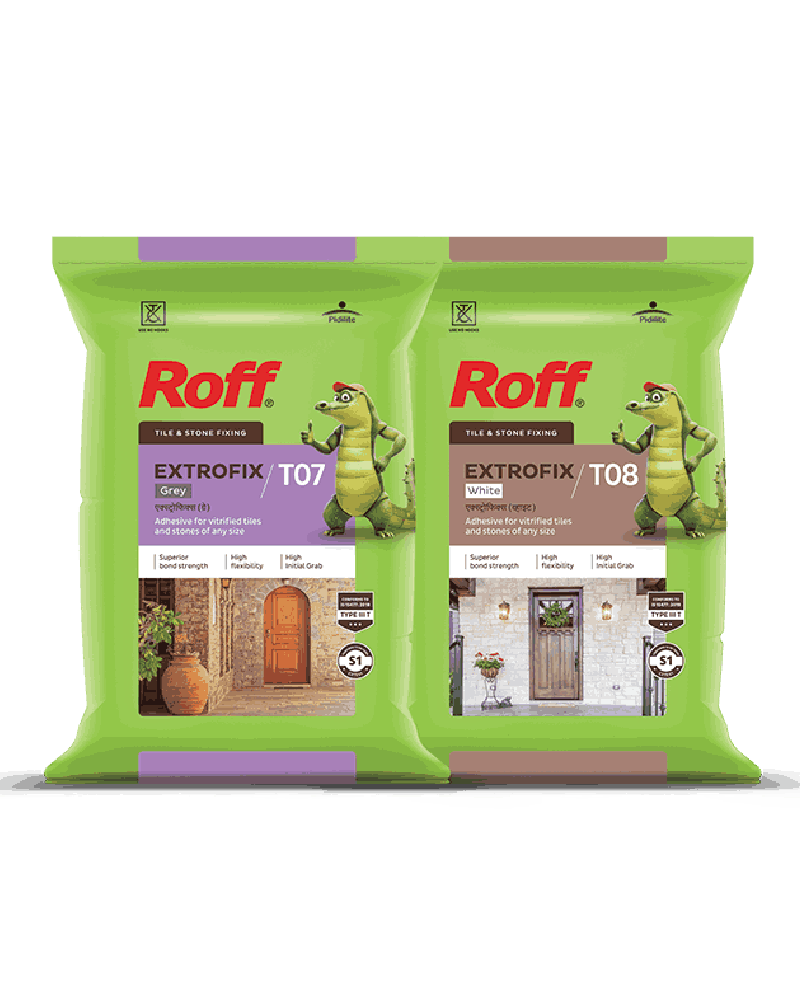
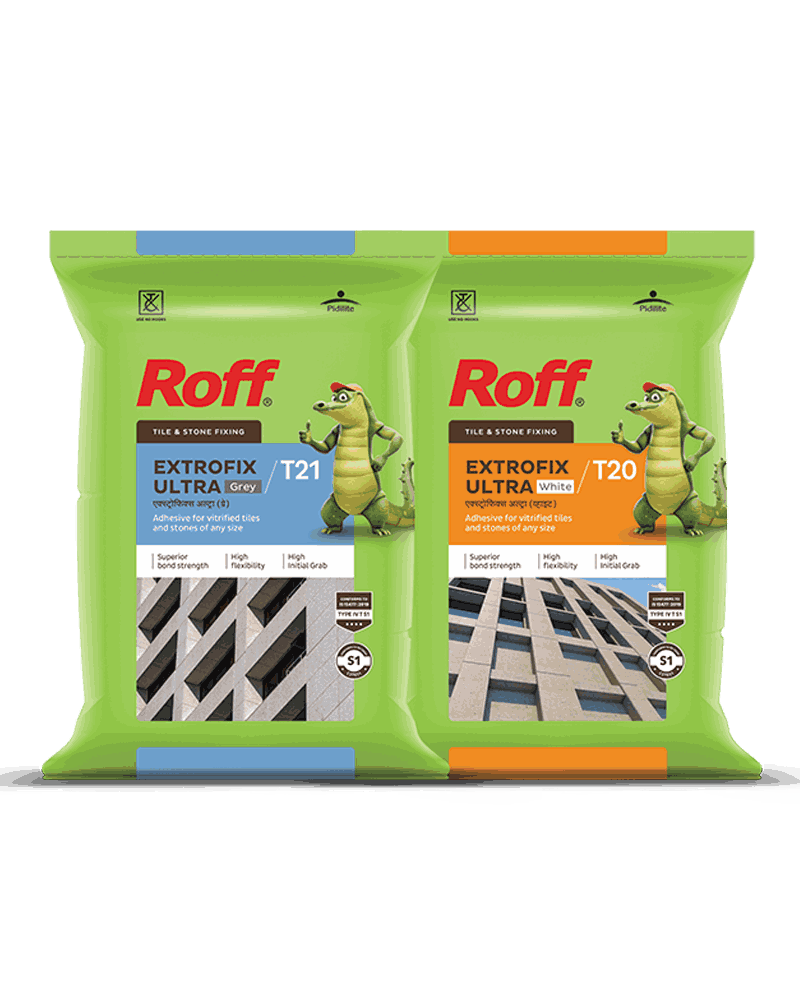
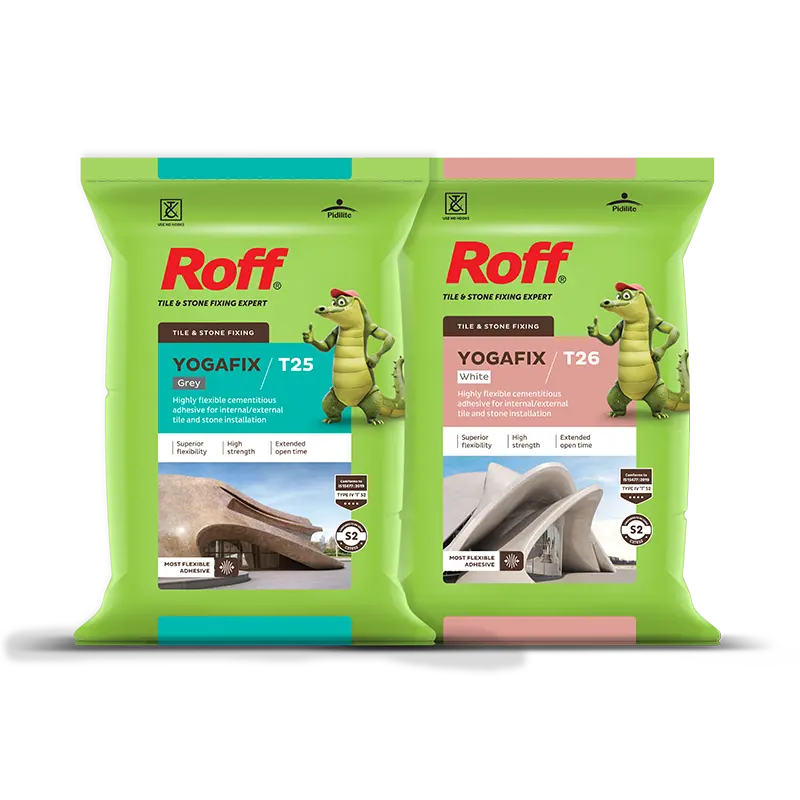
  • Type 4: Specialised cement-based adhesive offering specific performance characteristics for applications where standard formulations may not be suitable. For example, you can use Roff Extrofix, a specialised adhesive, for external tile applications and for areas exposed to high vibrations (like driveways). 
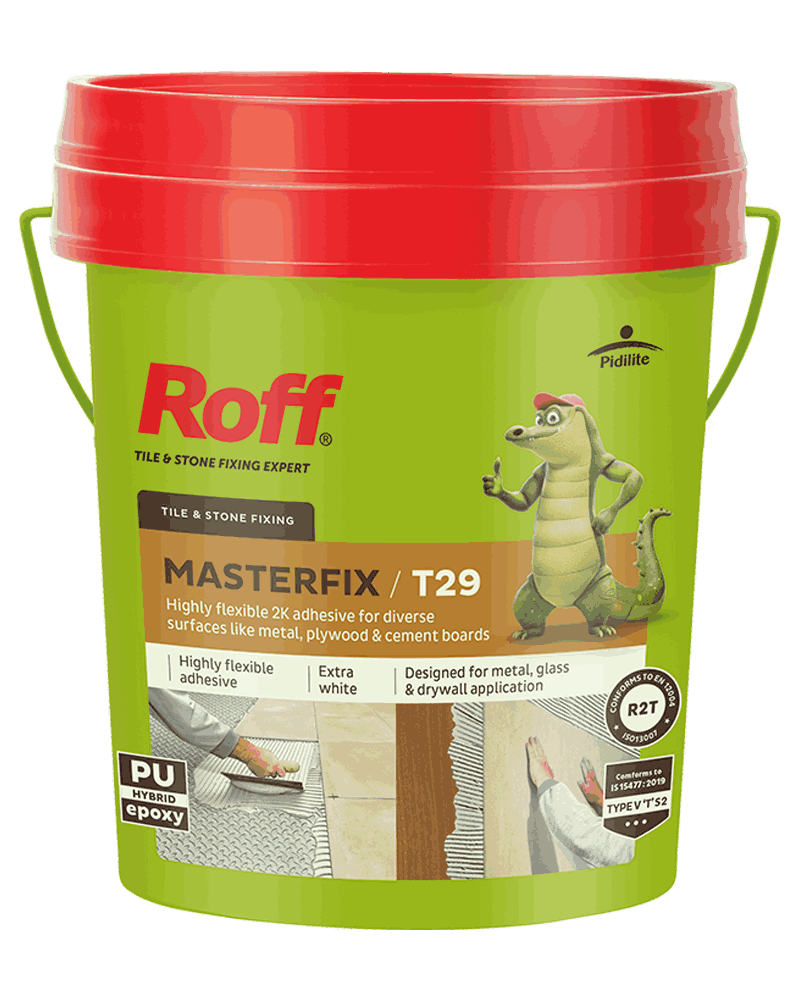
  • Type 5: Resin-based adhesives like Roff Masterfix are used in projects that demand high performance. They are especially useful for non-cementitious substrates, and for fixing heavy artificial stones that cannot be supported by regular cement-based adhesives.

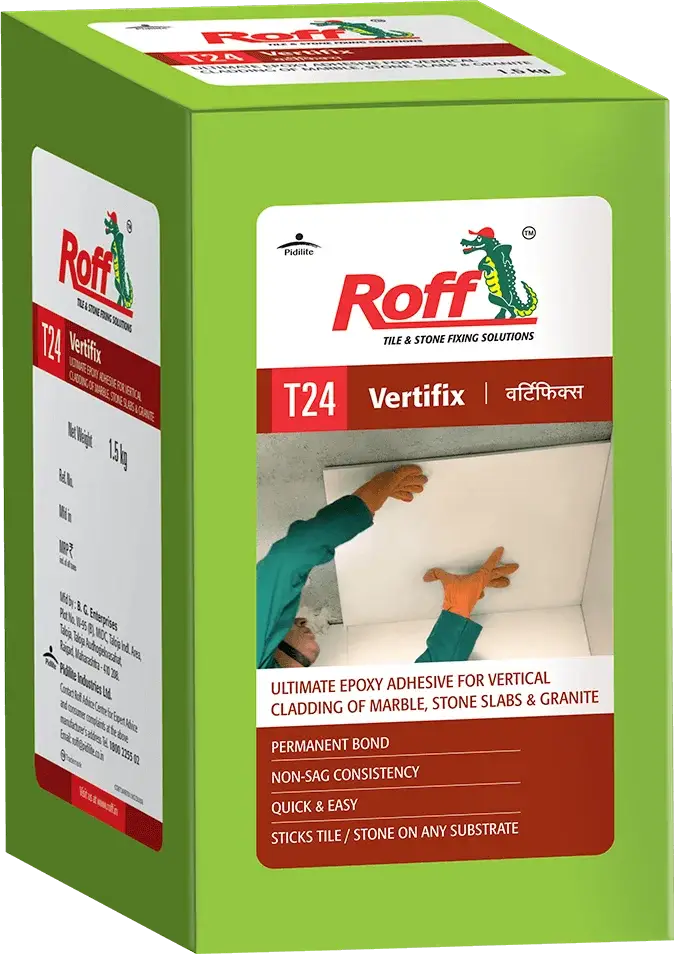
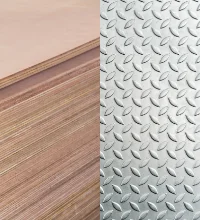
While traditional cement mixes struggle with modern tiles, specialised cement-based adhesives (Type 2 and higher) are formulated with polymers to improve bond strength, making them suitable for many applications. However, for difficult substrates like drywalls, metal, plywood, or areas exposed to water (swimming pools), it is recommended to use an epoxy-based for long-term durability. Epoxy-based adhesives are also preferable while installing heavy tiles or artificial stones.

When it comes to epoxy tile adhesives vs cement, epoxy adhesives are always the better option.

Epoxy/resin-based

Epoxy or resin-based adhesives are used when a higher-performance bonding system is required, such as in demanding areas or applications requiring greater chemical resistance and durability. They are appropriate for most modern tile installations, but always check product-specific application requirements.

Which Adhesive Type to Use Where

The best adhesive depends on the tile, location and substrate. Use the product guidance below as a starting point and check the manufacturer’s recommendations for the specific installation.

By area & tile

Application

Suitable direction

Interior walls/floors

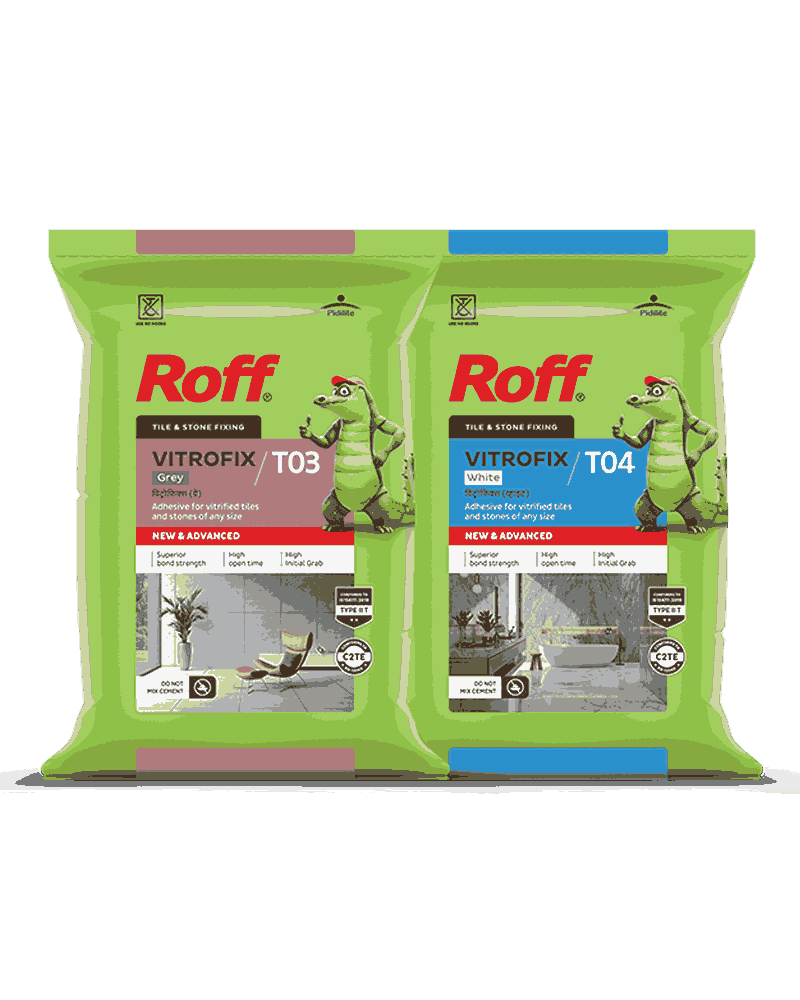
Roff Vitrofix is ideal for most internal tile installations. It resists daily stresses and moisture, making it ideal for indoor tiles.  

Exterior areas

For exterior walls and facades, choose Roff Extrofix, which is engineered with high-performance polymers to withstand temperature fluctuations and prevent tile failure from sun and rain exposure. 

Wet areas

Roff Vitrofix or Roff Extrofix both work for wet areas, but should be selected based on whether the area is inside or outside the house. Appropriate waterproofing is also a must alongside the right adhesive.

Vitrified tiles

Use an adhesive specifically suitable for low-porosity vitrified tiles, such as Roff NSA.

Natural stone

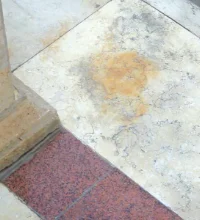
Select an adhesive compatible with the stone and substrate.

Artificial Stone

Artificial stones require a resin-based adhesive like Roff Masterfix. Resin-based adhesives should also be used when installing tiles on non-cementitious substrates. 

If you need a detailed guide on selecting the right adhesive, please refer to the adhesive selector tool on Roff’s website.

Why Not Ordinary Cement or Non-Branded Adhesives

Ordinary cement and non-branded local adhesives are not substitutes for a branded, purpose-made tile adhesive. Tile adhesives are formulated and tested for tile installations. While cement based-adhesives can be used to fix small tiles and natural stones, you need a high-performance tile adhesive, such as Roff Masterfix, for non-cementitious surfaces and artificial stones.

Standards & bond strength

Tile adhesives intended for construction applications are assessed against relevant performance requirements, including IS 15477 in India. This gives users a clearer basis for selecting an adhesive. A suitable tile adhesive is formulated to provide the bond performance required for tile installation and to work with specified substrates and tile types. It should also be selected according to the installation environment, because a wall in a dry indoor room has different demands from an exterior floor or a wet-area installation.

Frequently asked questions (FAQs)

1) Is tile glue the same as tile adhesive?

Yes. “Tile glue” is an everyday term for tile adhesive; it is not a separate product category.

2) What is tile adhesive made of?

It depends on the type. Cement-based adhesives contain cement and other formulated components, while epoxy/resin-based adhesives use resin systems and hardeners.

3) Which tile adhesive type is best for vitrified tiles?

Choose a polymer-modified adhesive specifically recommended for low-porosity vitrified tiles and the intended substrate.

4) Can I use tile adhesive on walls and floors?

Yes, provided the selected adhesive is rated for the specific wall or floor application, tile type and substrate.

5) Is tile adhesive stronger than cement?

Cement based adhesives can be used for general purpose tile installations. However, if you are installing tiles on critical surfaces such as metal or drywall, then an epoxy-based tile adhesive is preferable. Brands like Roff general provide tile adhesives that are more durable and consistent when compared to local adhesive brands, so be aware of that fact while picking an adhesive for your project.

This approach ensures the wall isn’t just ‘ready’ but rather bonded to the wall tile adhesive system.