Check out the biggest trends of the season and our expert take on them.
What Is Tile Adhesive? Types, Uses & How It Works
Key Takeaways
Tile adhesive is a specialised bonding material formulated to securely fix tiles to walls, floors, and other suitable substrates.
Different adhesive types suit different applications. Cement-based adhesives suit dry areas, while epoxy options suit non-cementitious surfaces.
Adhesive selection should depend on the tile and site conditions, including tile type and size, substrate, indoor or outdoor use, moisture exposure, and installation requirements.
Tile adhesive is only one part of a successful installation. Proper surface preparation, waterproofing in wet areas, and correct application are equally important.
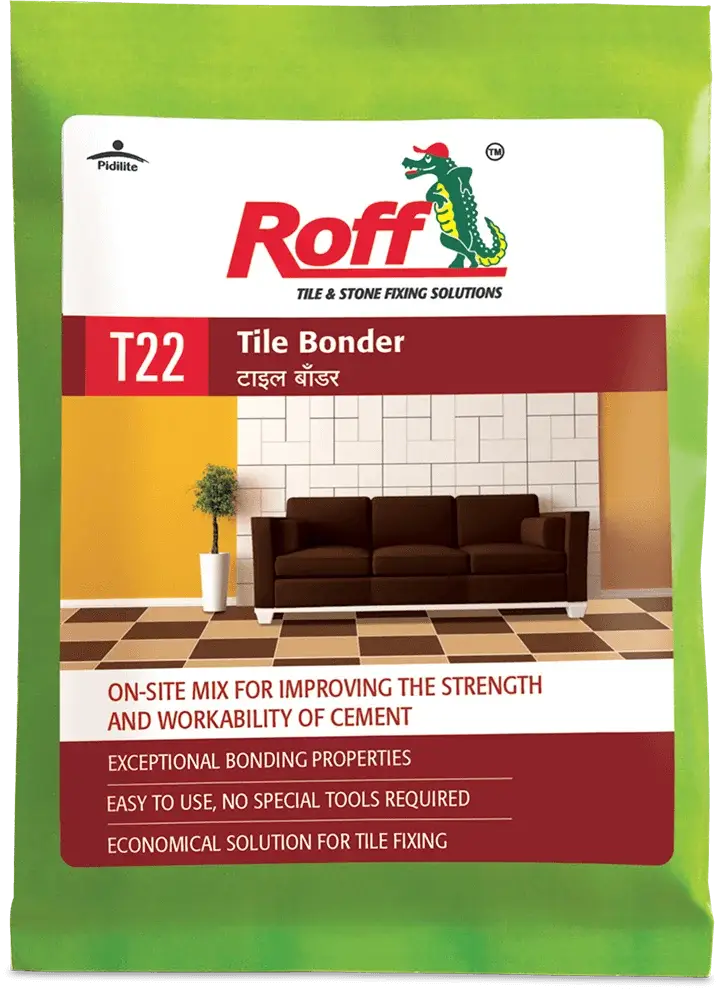
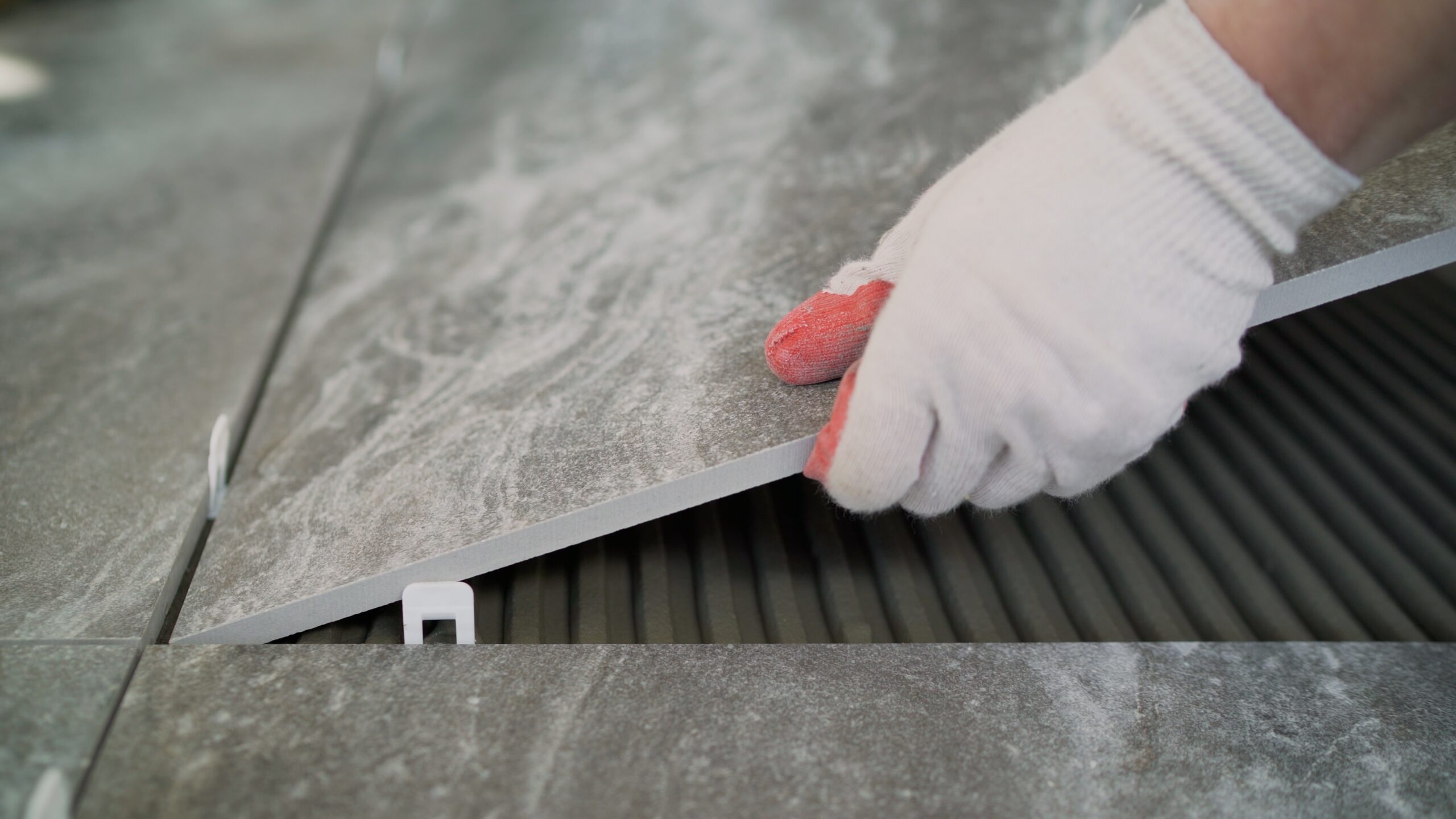
If you are wondering what tile adhesive is, it is a bonding material used to fix tiles to surfaces. It is usually cement-based or resin-based. Unlike traditional cement, it is formulated for tile fixing and specific surface conditions.
Tile adhesives matter because they securely fix tiles to surfaces, whether on walls or floors. Tile adhesives are designed to provide consistent bonding when used correctly. They can also support different tile types, surfaces, and installation conditions.
Choosing the right adhesive matters. The wrong solution can affect tile adhesion and durability.
What Is Tile Adhesive?
So, what is tile adhesive in practical terms? It is a ready-to-use bonding material that helps fix tiles to surfaces. Its formulation can include cement, polymers, fillers or reactive resins. Different tile adhesives are designed for different tile types or substrates. That is why it is important to choose the right tile adhesive for your installation. Other factors, such as substrate condition, installation height, and water exposure, also affect adhesive selection.
What Is Tile Adhesive Made Of?
The composition depends on the product and its intended application.
Cement + polymers + fillers
Tile adhesives can be either epoxy-based or cement-based. Cement-based products also tend to include polymers and fillers, as these ingredients help improve bonding and application properties.
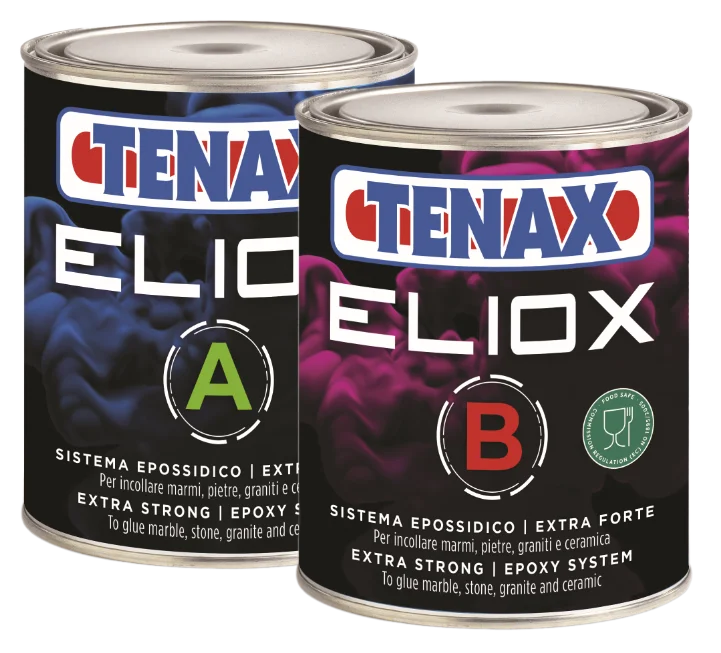
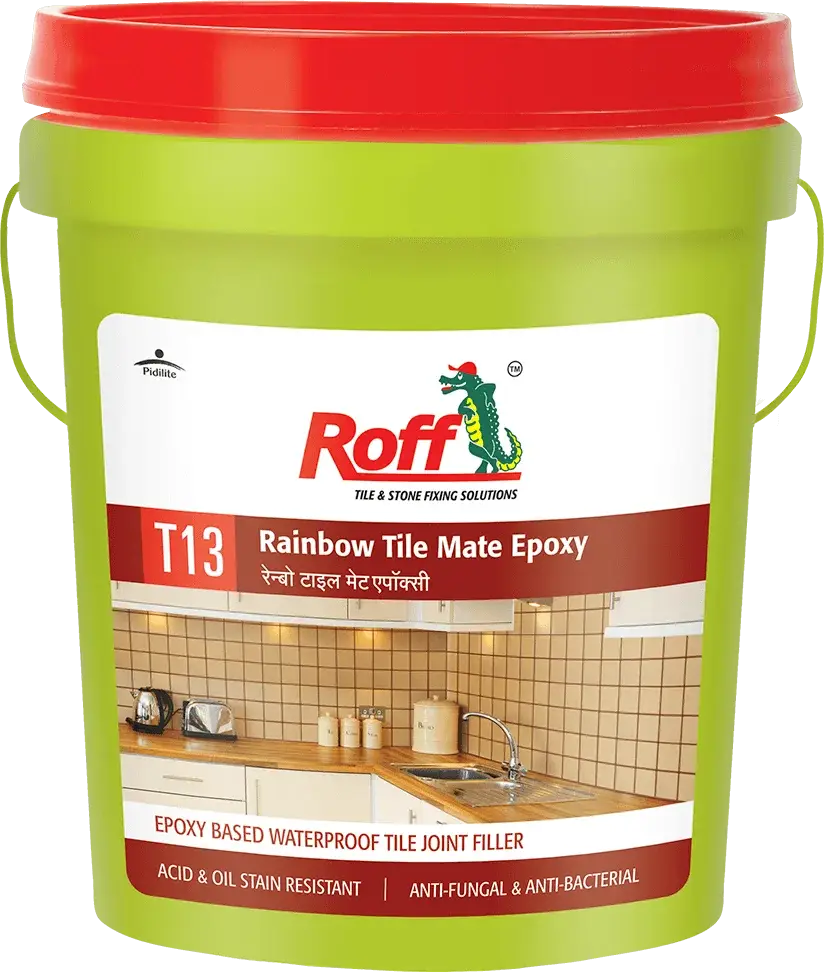
Epoxy-based tile adhesives are designed for non-cementitious substrates and artificial stones. Understanding the composition helps you choose the best adhesive type for your tile installation project.
Types of Tile Adhesive (Type 1-4 & Epoxy)
Adhesives can be broadly grouped by formulation and application.
Cement-based types
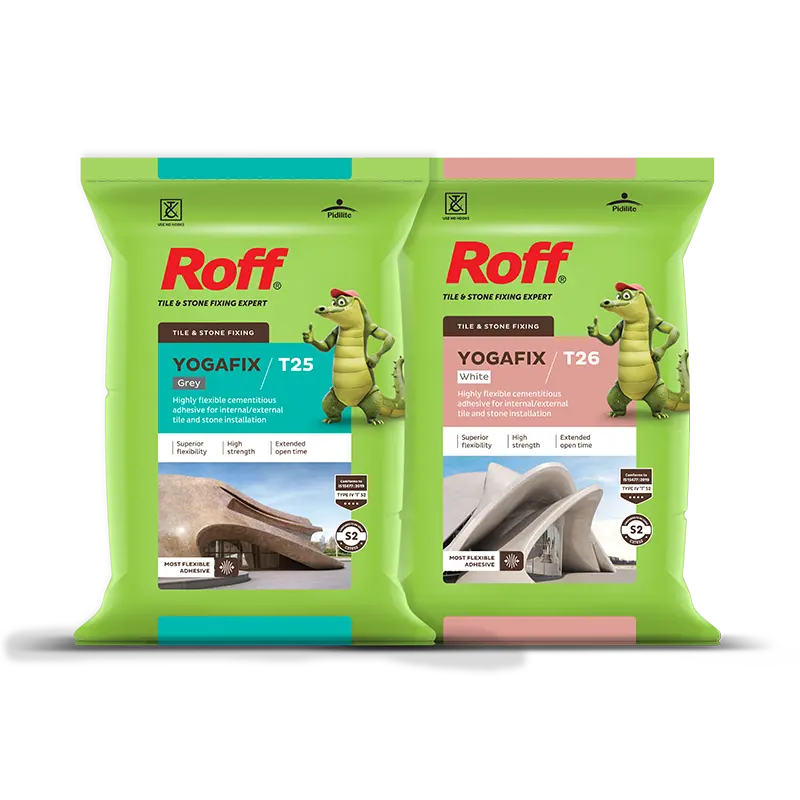
Cement-based adhesives are commonly used for tile installations. Different formulations suit different tile sizes, substrates and areas.
There are four main types of cement-based adhesives:
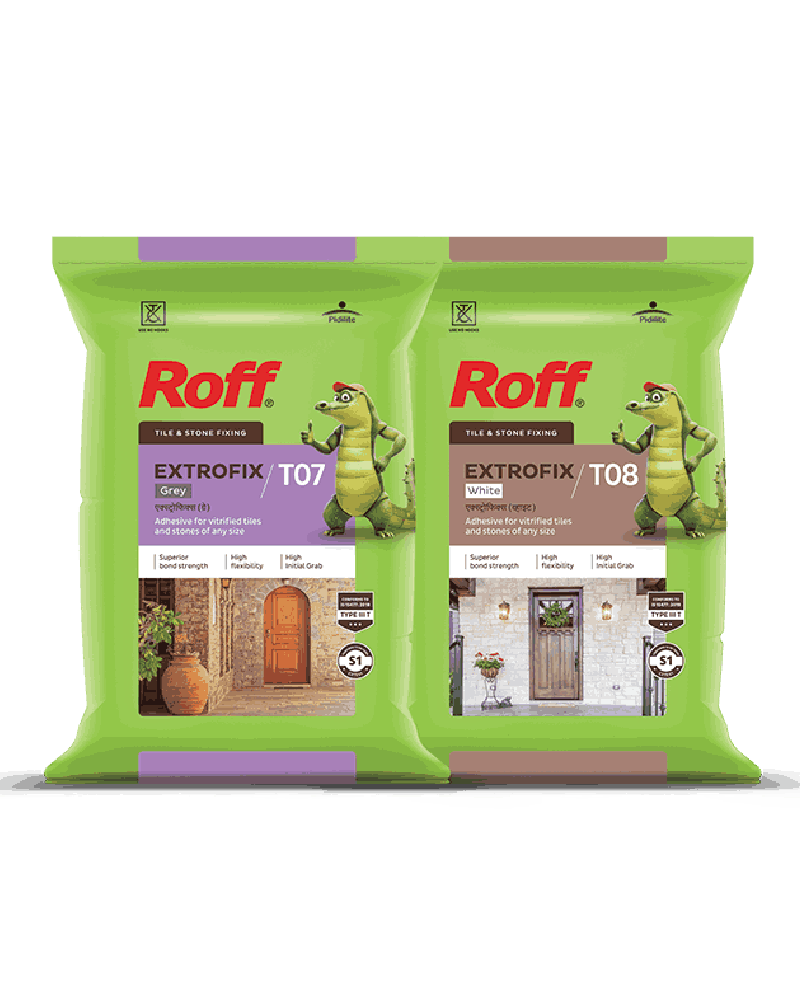
Type 1- Used for porous ceramic/clay tiles
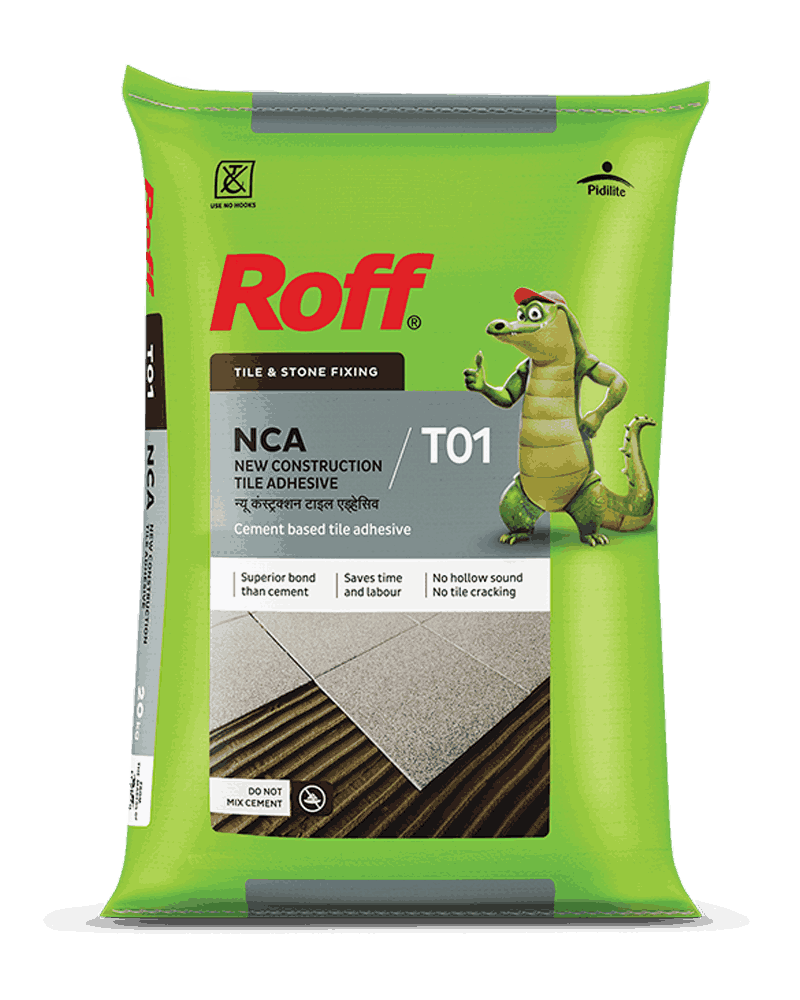
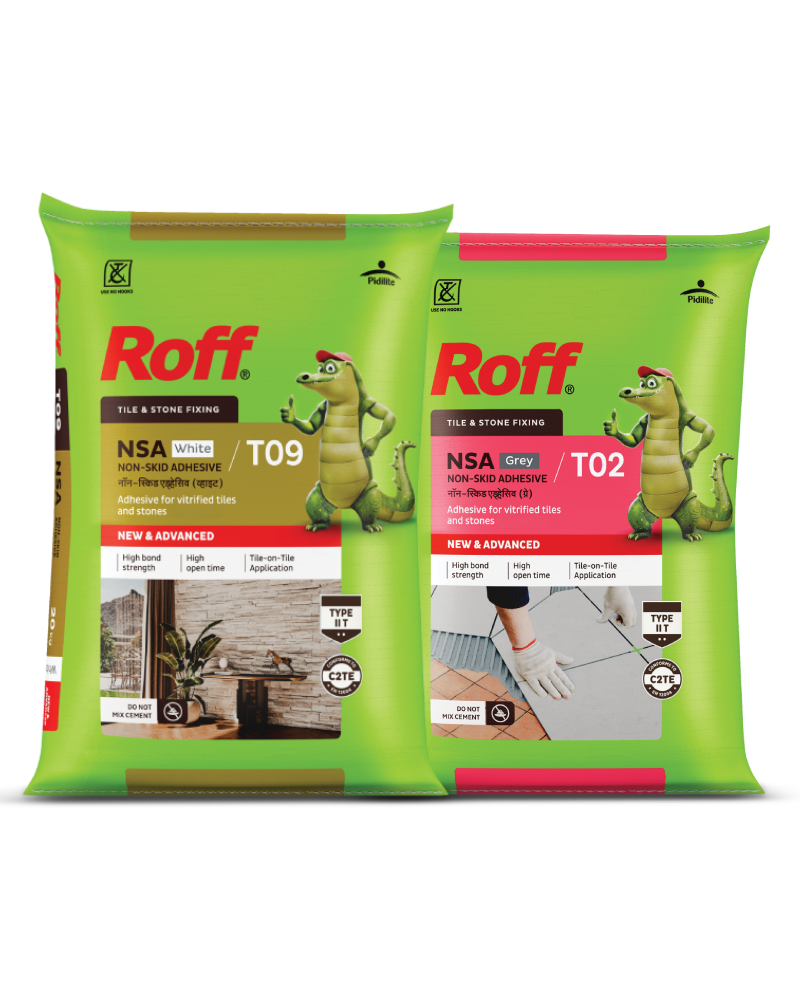
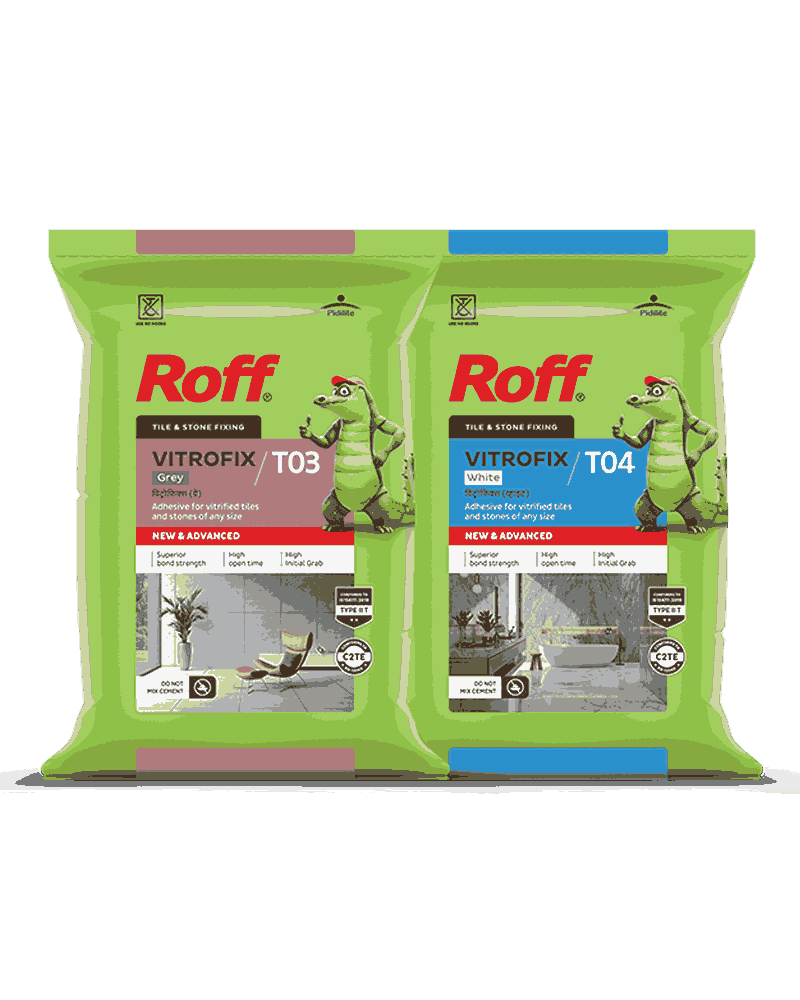
Type 2- For low-porosity tiles, including vitrified and larger tiles
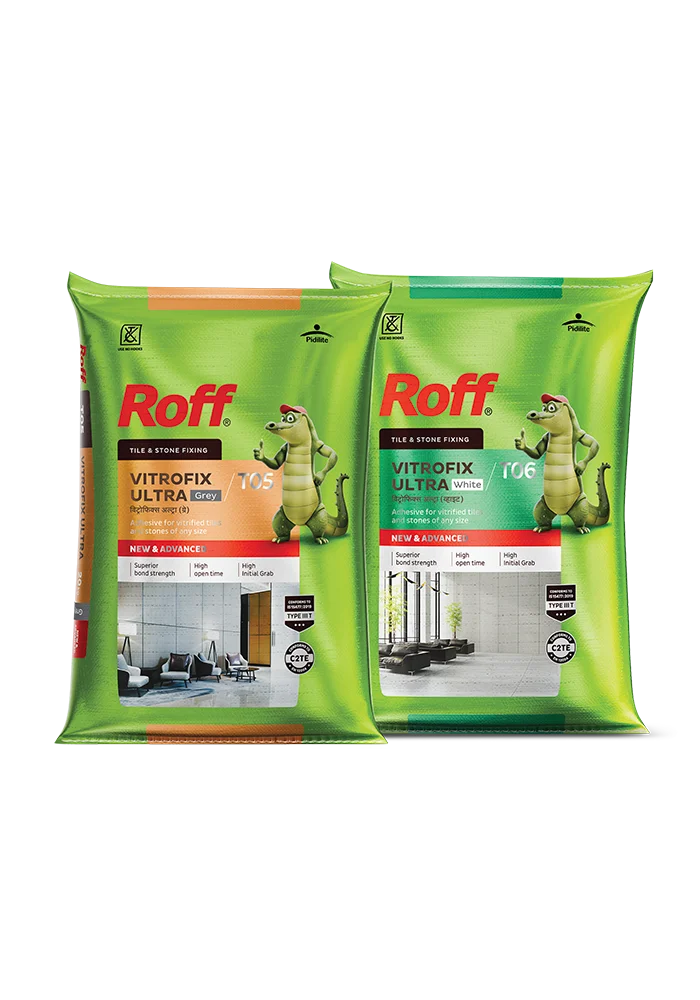
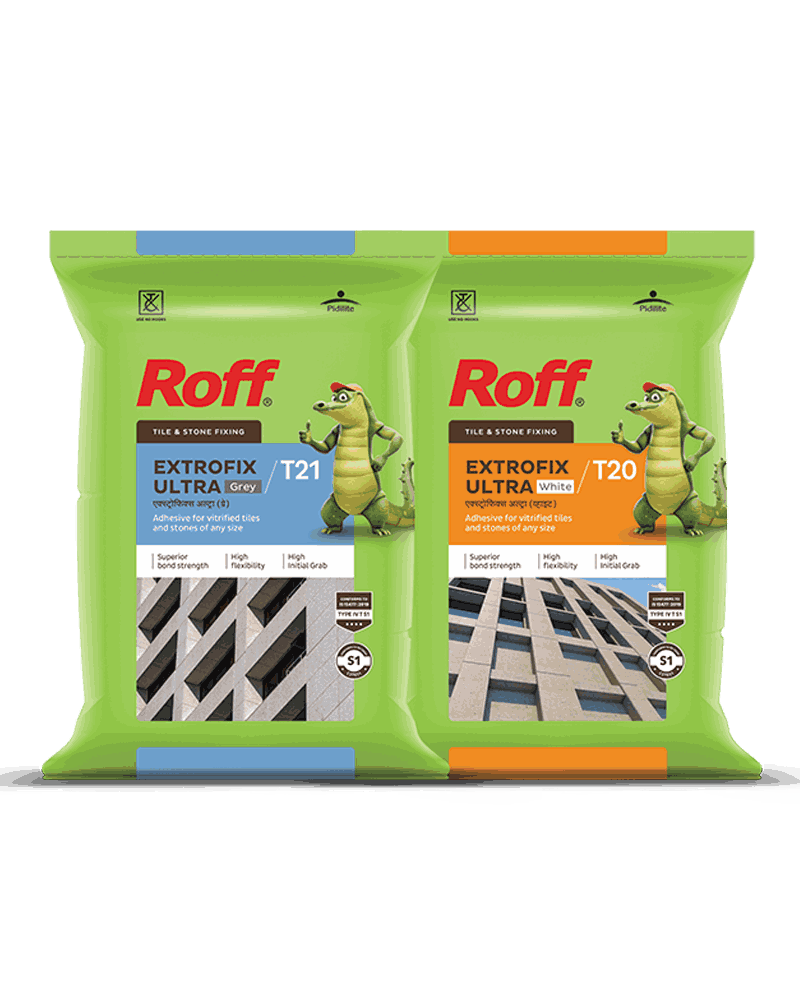
Type 3- Higher-performance adhesive for a wide range of tiles and natural stone
Type 4- For demanding tile/stone applications and drywall board substrates
Epoxy/resin
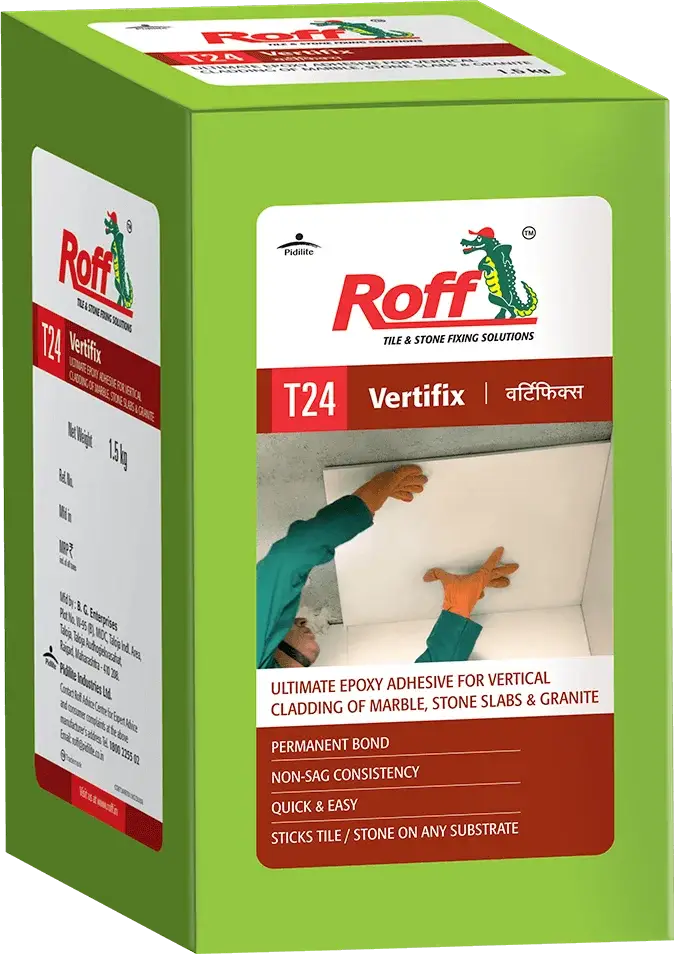
Epoxy or resin-based adhesives, also known as Type 5 adhesives, can be considered for demanding applications. They may be suitable where you need greater resistance to moisture, chemicals, or staining. The right choice of tile adhesive depends on the tile, substrate, and site conditions.
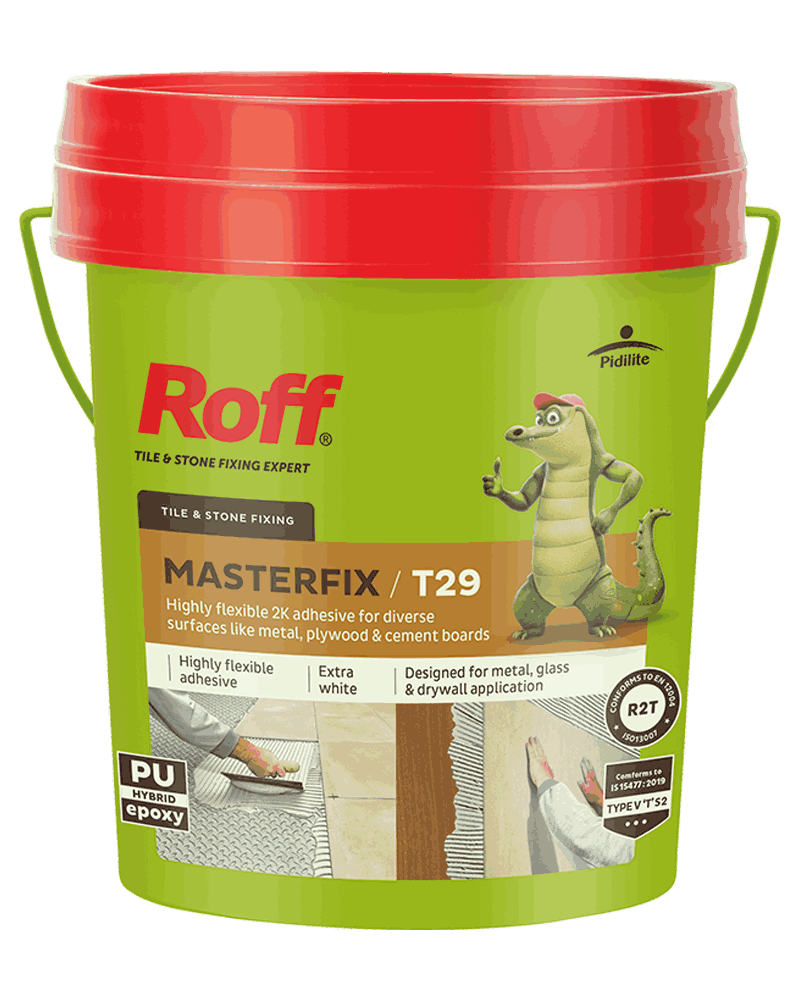
Roff Masterfix is one example of a high-performance Type 5 adhesive that can be used to install tiles or artificial stones on non-cementitious surfaces. Always check the product’s recommended application before selection.
Which Type Should You Use?
Learning abouttile adhesives is only the first step. You also need to match the product to your installation.
Quick selection guide
Consider these factors:
Tile type and size
Surface or substrate
Indoor or outdoor application
Moisture exposure
Installation conditions
Recommended coverage and application method
Large-format tiles may require a suitable specialised adhesive. Bathrooms and other wet areas also need appropriate fixing solutions. Use the Roff Adhesive Selector to narrow down suitable options. A tile fixing solution should work as part of the overall system. In areas exposed to water, proper waterproofing is also important. This helps address moisture-related concerns before you install tiles.
Tile adhesive is a bonding material used to fix tiles to surfaces. It is formulated for different tile types, substrates, and applications.
2) What is tile adhesive made of?
Tile adhesive can contain cement, polymers and fillers. Some specialised products use reactive epoxy resins for superior performance.
3) What are the types of tile adhesive?
Common typesinclude cement-based and epoxy or resin-based options. Different formulations suit different applications.
4) Is tile adhesive better than cement?
Tile adhesive is specifically formulated for tile fixing, while traditional cement is not designed for every tile installation. Use a suitable tile adhesive recommended for your specific tile and surface, rather than choosing a fixing material based only on convenience.
5) Which tile adhesive is best in India?
No single adhesive suits every installation. The right choice depends on the tile, substrate, location, and exposure conditions. Use the Roff Adhesive Selector to identify a suitable fixing solution.
6) How do you choose the right tile adhesive?
Start by checking the tile type, tile size, substrate, and installation area. Consider whether the area is dry, wet, indoor, or outdoor. Match these conditions with the adhesive’s recommended applications and follow the product instructions.