Check out the biggest trends of the season and our expert take on them.
Gap filler for tiles: Common mistakes & solutions for homeowners
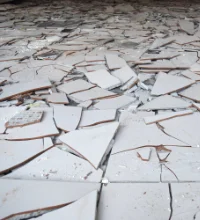
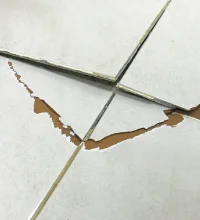
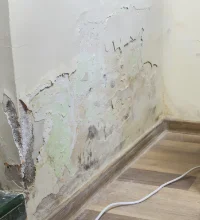
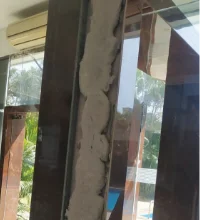
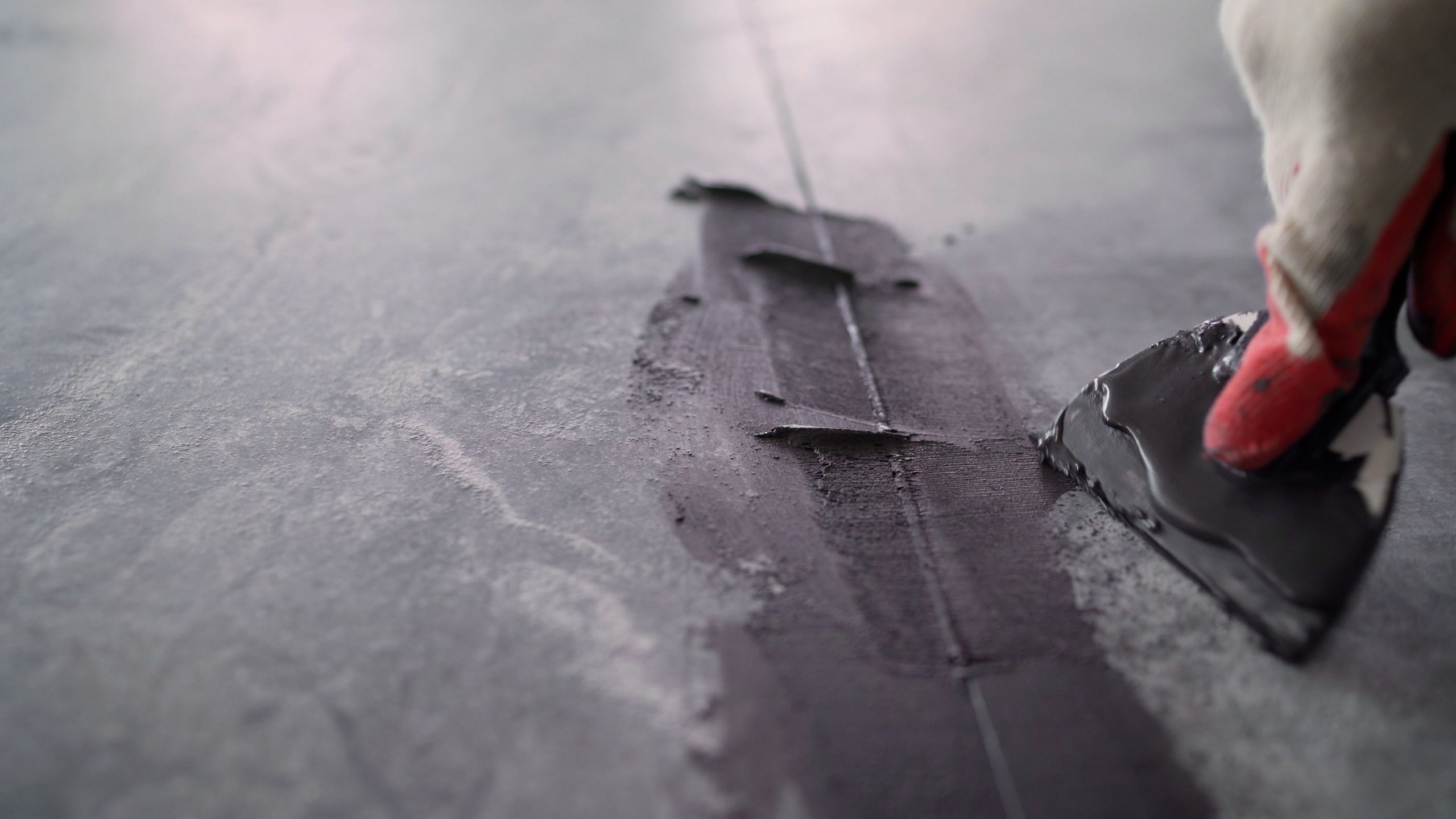
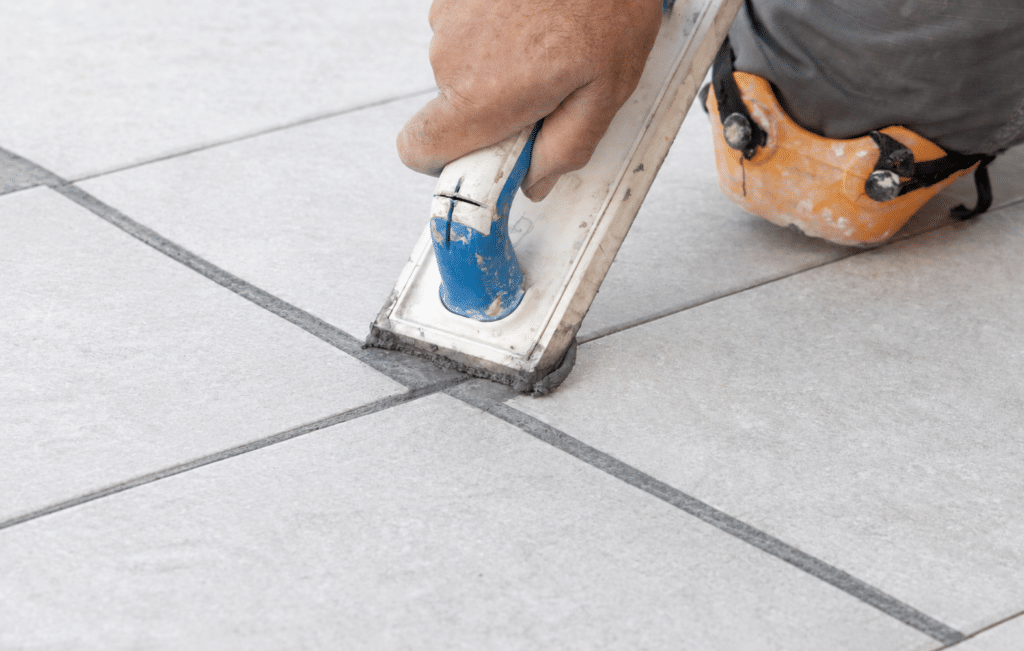
When you’re installing tiles in a new home or renovating an existing space, the focus usually stays on choosing the right design, colour, and finish. Decisions about how to fill gaps between tiles are often delegated to the contractor.However, if this minor detail is overlooked, it can result in stained grout lines, cracked edges, tile lippage, water seepage, adhesive bond failure, and tiles coming loose, which eventually leads to expensive repairs. These problems often arise from improper installation techniques or substandard materials used to fill gaps between tiles. This article discusses common issues with gap fillers for tiles and provides actionable tips to prevent them.
1. Cracking in the gap filler for tiles
One of the most common homeowner complaints is cracked grout lines. This usually happens due to:
Poor-quality materials
Incorrect application
Daily wear and tear
Heavy foot traffic
When learning how to fill the gap between tiles, many people overlook the importance of using flexible, high-performance products. A low-quality gap filler for tileswill shrink as it dries, leading to visible cracks within months.
Pro Tip: Choose a premium tile gap filler that offers flexibility and strong adhesion. Proper surface preparation and professional installation also improve the process.
2. Discolouration and staining
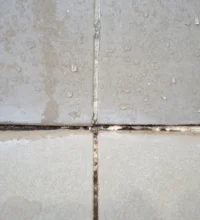
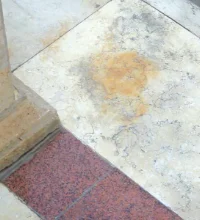
Have you noticed grout lines turning yellow, grey, or brown? Kitchens and bathrooms are especially affected due to continuous oil splashes, soap residue, and daily cleaning chemicals.
Traditional cement-based gap filler for tiles absorbs moisture and stains easily. Over time, this makes even new tiles look old and dirty.
Pro Tip:Choose stain-resistant products that reduce the need to scrub or reapply fillersto gaps between tiles.
3. Mold and mildew growth
Bathrooms and kitchens are high-moisture environments. If your gap filler absorbs water, it becomes a breeding ground for mould and mildew, especially in the gap between floor tile and wall, where water tends to accumulate.
Besides being visually unpleasant, mould can also pose hygiene risks.
Pro Tip:Use a water-resistant and non-porous gap filler for tiles to prevent moisture penetration. Regular ventilation and proper sealing during installation further reduce risk.
4. Loose or eroding gaps
Over time, you may notice the filler chipping out or becoming powdery. This typically results from:
Low-cost materials often mean repeated repairs, higher maintenance, and an overall unpleasant appearance.
Pro Tip: Invest in high-quality products from the start. While affordable options may seem attractive, they often lead to recurring expenses.
Key takeaway
Most issues related to the gap between tiles can be avoided with the right product and proper application. This is where Roff comes in.
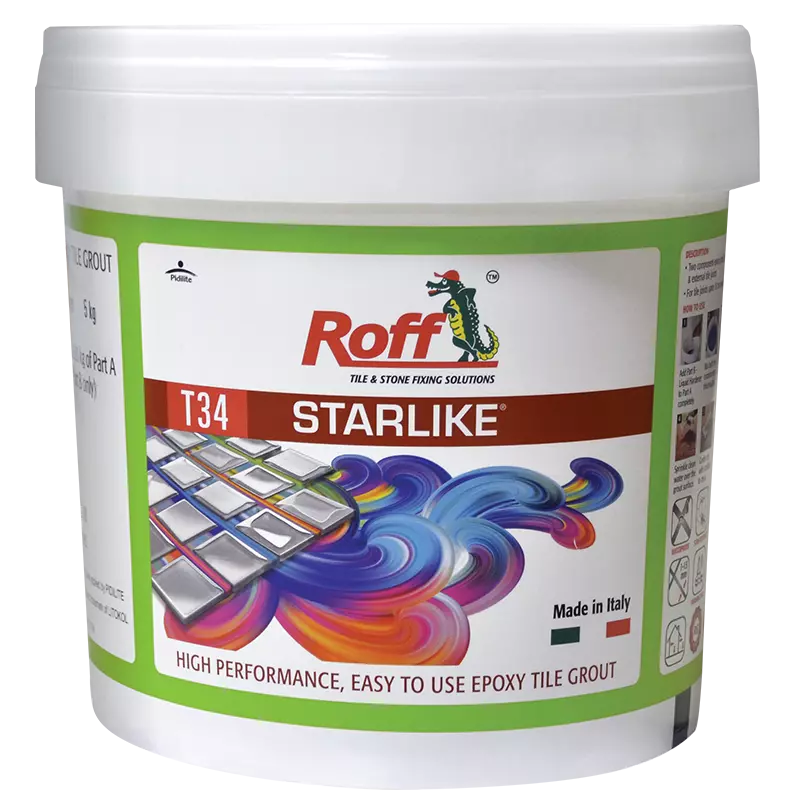
As a trusted partner with proven technical expertise, Roff Starlike is a premium, durable gap filler for tilesthat delivers stain-resistant, waterproof joint protection. Its superior adhesion prevents cracking, while its non-porous composition makes cleaning effortless. This resistance to water absorption also makes Roff Starlike ideal for roof or terrace tiling, as it prevents water leakage into your home’s interiors. Moreover, it retains its colour for years, ensuring your tiled surfaces remain strong, hygienic, and visually appealing. Don’t let something as small as a tile gap compromise the quality of your home.