Check out the biggest trends of the season and our expert take on them.
4 factors to be aware of before you choose cementitious grout
For many years, cementitious grout has been an industry standard for filling the gaps between tiles. And why not? It’s cheap, readily available, and, at first glance, seems like an easy choice to make.
But what most homeowners do not understand about cement groutis that it comes with a host of issues. This does not mean that you cannot use it in your home. However, if you want long-lasting and attractive tile installations, modern alternatives like epoxy grout may be a better choice.
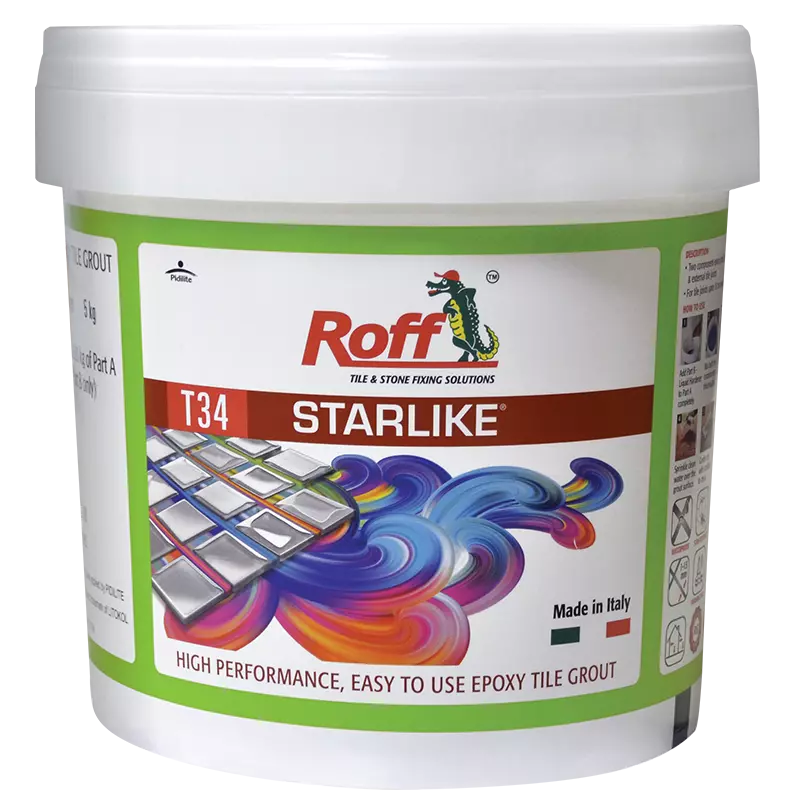
Here are a few issues you must be aware of with cementitious grout, along with why epoxy-based alternatives like Roff Starlike might be a better choice.
1. Is cementitious grout meant for all areas of the house?
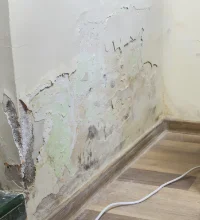
Cement grout is porous in nature. This means that moisture can percolate through it very easily and reach the underside of your tile installation. While this is not a problem in dry parts of the house, it makes this grout extremely inefficient for wet areas like bathrooms, balconies, and kitchens. On the other hand, when you grout your tiles with epoxy solutions like Roff Starlike, it creates a seal against moisture and helps prevent issues such as mould growth, structural decay, and tile failure.
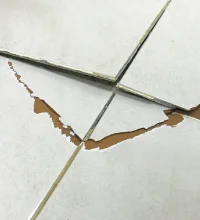
Cement grout is usually prepared on-site, which means that its quality is completely inconsistent, and depends wholly on the craftsman’s skill. This inconsistency can easily lead to poor quality grouts that affect both the look and durability of your tiles. Moreover, poor grout quality is one of the primary reasons for cracked tiles. And once your tiles start cracking, you have no other recourse than to renovate replace the damaged surface.
Products like Roff Starlike are designed to avoid these issues. They are made under controlled conditions, so you get a uniform, high-quality grout that helps prevent cracks and keeps your tiles looking good for longer.
3. Why does cementitious grout struggle with colour and vibrancy?
For most people, the meaning of grout is a chemical that fills the spaces between tiles. However, when you are designing the house of your dreams, grout quickly takes on another important role: enhancing the aesthetic value of your tile installation.
Since cementitious grout is typically mixed on site rather than factory-formulated, the final colour can vary depending on the water ratio, mixing consistency, and curing conditions. On the other hand, modern alternatives like Roff Starlike offer a range of 33 different colours that perform as vibrantly in real life as they do in your design vision.
4. Why does cementitious grout need frequent repairs?
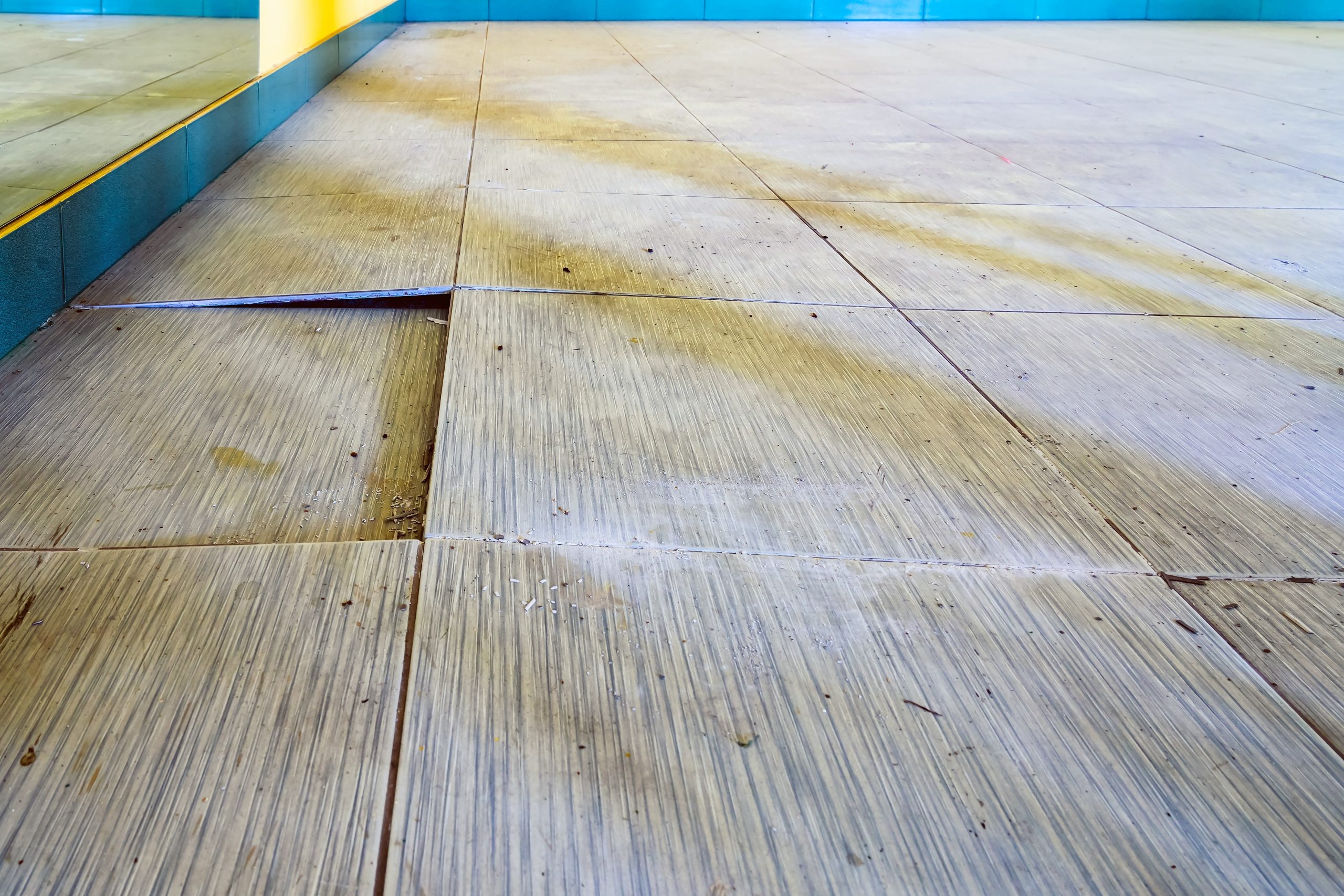
Another important consideration with cementitious grout is its need for frequent, long-term maintenance. Since it is porous, it tends to absorb moisture, grease, and dirt over the years. Moreover, since it shrinks while curing, cement grout compromises the structural integrity of your tile installation. These two factors may lead to uneven tiles, or even complete debonding (detachment) from the substructure over the years, resulting in higher repair and maintenance costs.
On the other hand, options like Roff Starlike are engineered to resist shrinkage, repel moisture, and maintaintheir bond over time, keeping your tile installation looking and performing as intended for years to come.
The real cost of cementitious grout
Cementitious grout is affordable and familiar, but those early savings can quietly turn into recurring repair and maintenance costs over the years. It’s worth thinking about what you’re really signing up for in the long run.
If you want a grout that holds up without the hassle, Roff Starlike is worth a look. Explore the range and see what works for your space.
FAQs
1) What is the difference between epoxy grout and cement grout?
Epoxy grout is non-porous, stain-resistant, and more durable, while cement grout is porous and more prone to moisture absorption and wear over time.
2) Is epoxy grout suitable for high-traffic areas
Yes, epoxy grout is highly durable and resistant to stains, chemicals, and wear, making it ideal for high-traffic residential and commercial spaces.
3)Is epoxy grout water–resistant?
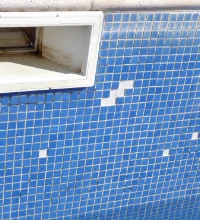
Yes, unlike cement grout, epoxy grout is non-porous and resistant to moisture and stains. These features make epoxy grout ideal for tile installations in bathrooms, balconies, and swimming pools.
4) Can epoxy grout be used with all types of tiles?
Yes, epoxy grout is compatible with most tile materials, including ceramic, porcelain, glass, and natural stone.
5)How long does epoxy grout typically last?
With proper installation, epoxy grout can last many years without cracking, fading, or requiring major maintenance.