Check out the biggest trends of the season and our expert take on them.
Adhesive on tiles: Make tile-on-tile installations stress-free!
Planning a tile upgrade but dreading the mess of breaking existing tiles? We have a workable solution for you. Traditional tile replacement can be noisy, time-consuming, and may even damage the underlying surface.
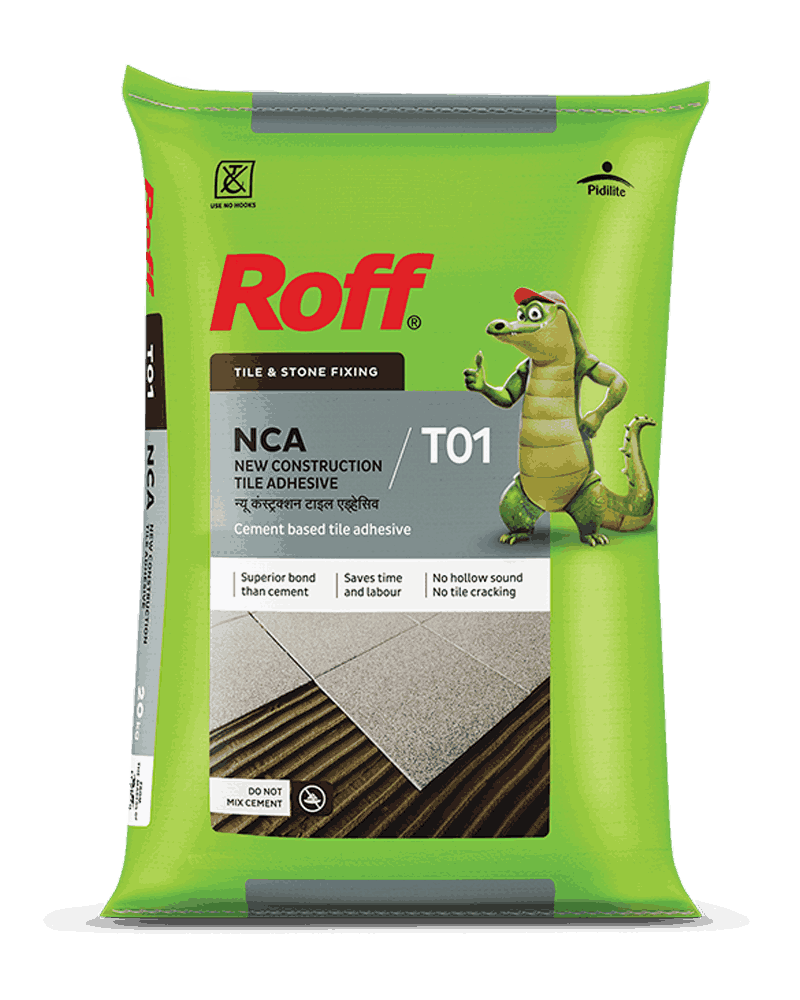
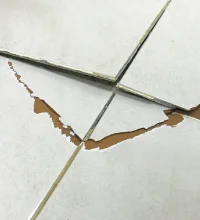
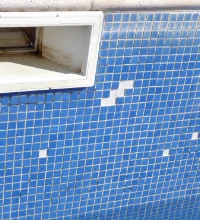
That’s why many homeowners today prefer tile-on-tile installations; a faster and cleaner solution in which new tiles are installed directly over old ones. But here’s the catch: if not done correctly and with the right adhesive on tiles, it can lead to issues like cracks in tiles, hollow sounds, or your tiles coming loose.
Why does tile-on-tile installation work?
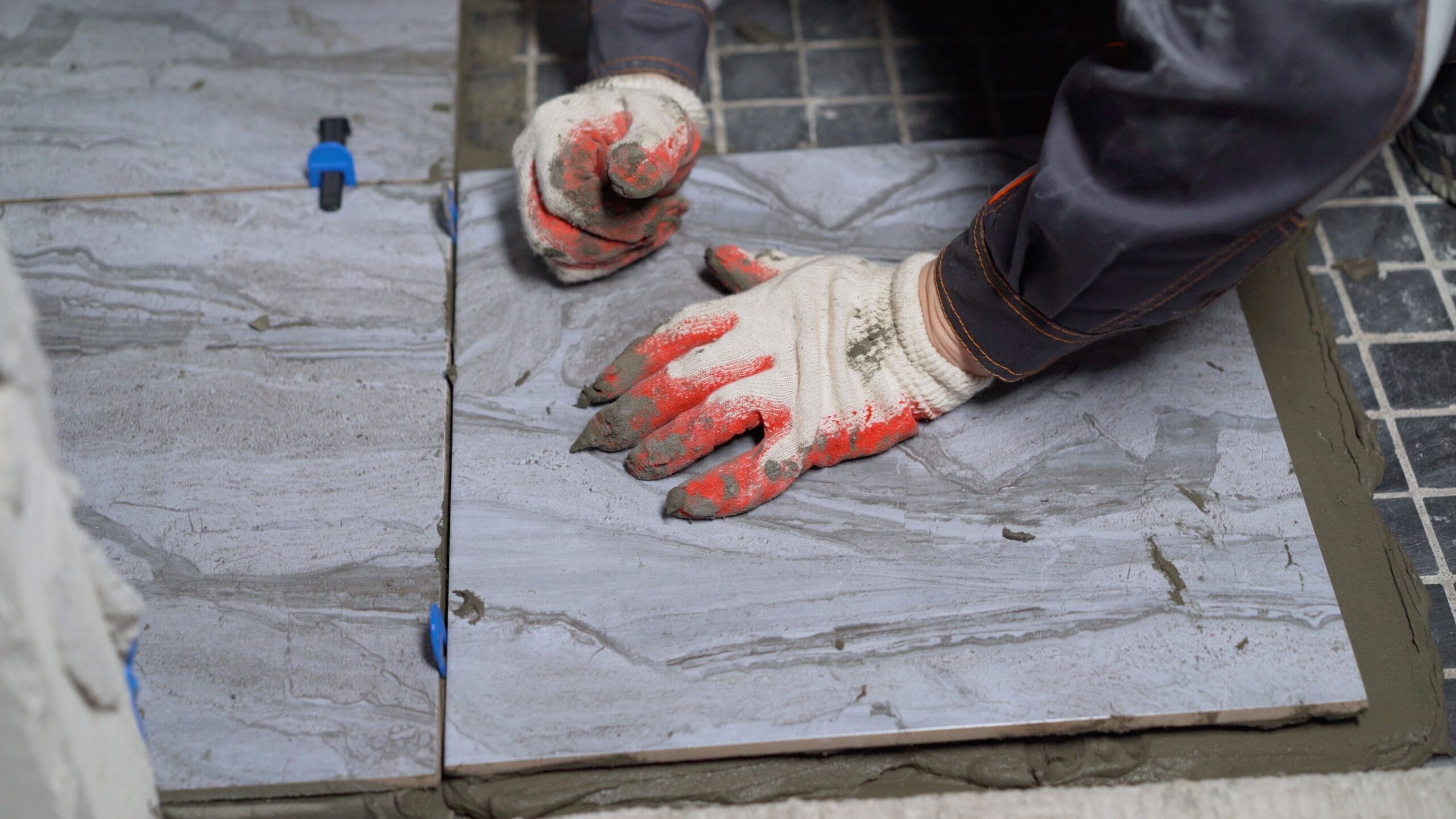
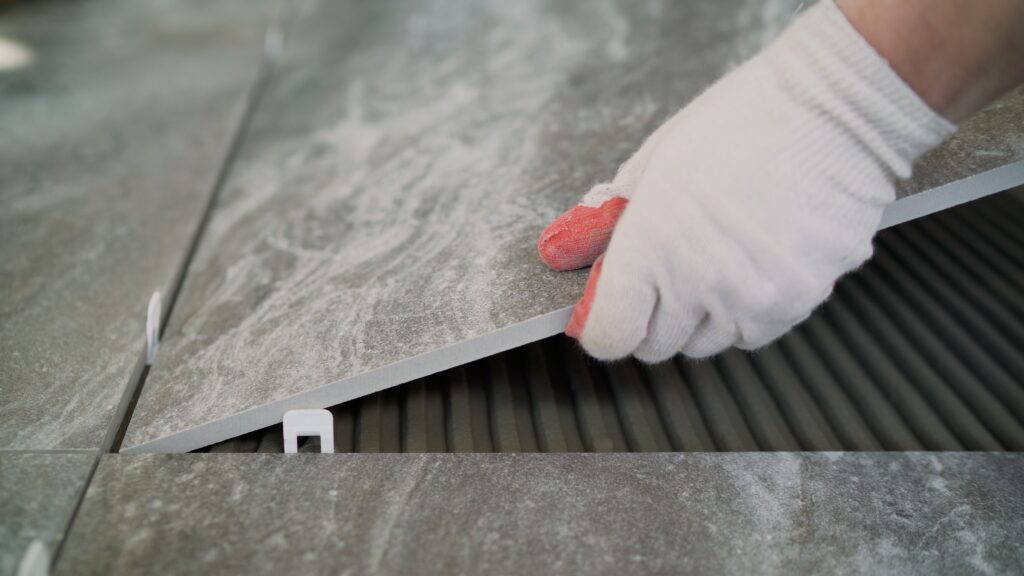
Tile-on-tile simply means installing new tiles over existing ones without removing the old layer. It reduces debris, saves time, and avoids structural damage, making it ideal for quick renovations.
However, success depends entirely on using the appropriateadhesive fortiles.
The real problem: Choosing the wrong adhesive on tiles
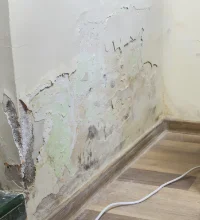
Using regular cement or basic tile glue often results in weak bonding. Moreover, cement-basedor regular adhesives can also absorb moisture due to their porous nature. This creates air gaps beneath tiles, leading to hollow sounds and eventually a crack in the tile.
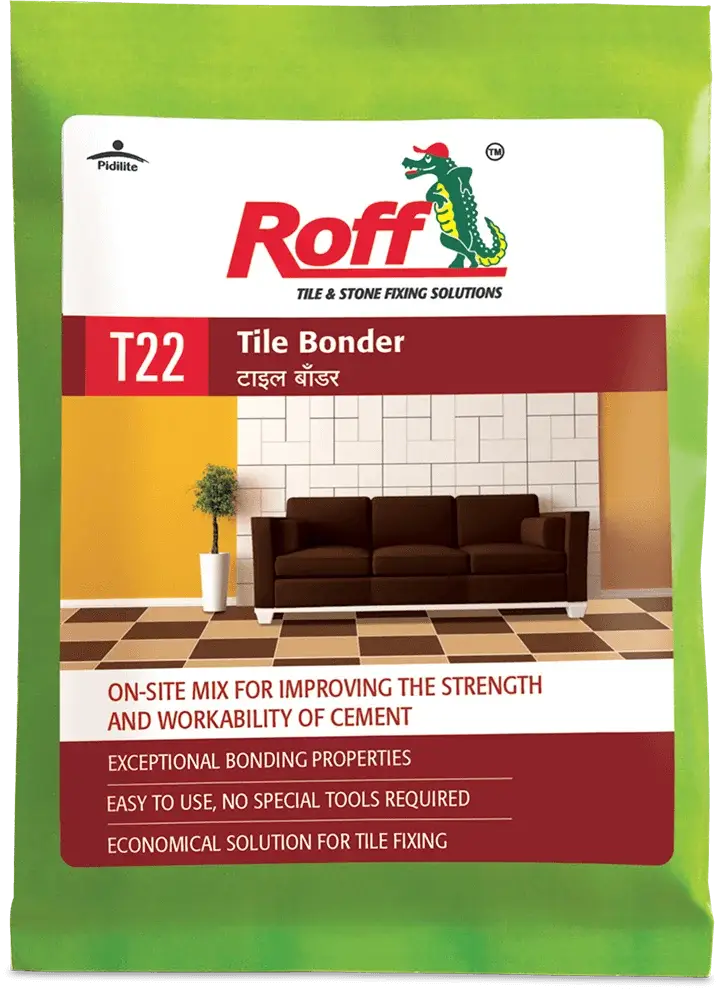
This is where specialisedadhesive on tile solutions come in. These are designed to bond strongly to low-absorption surfaces, ensuring better grip and long-term tile durability.
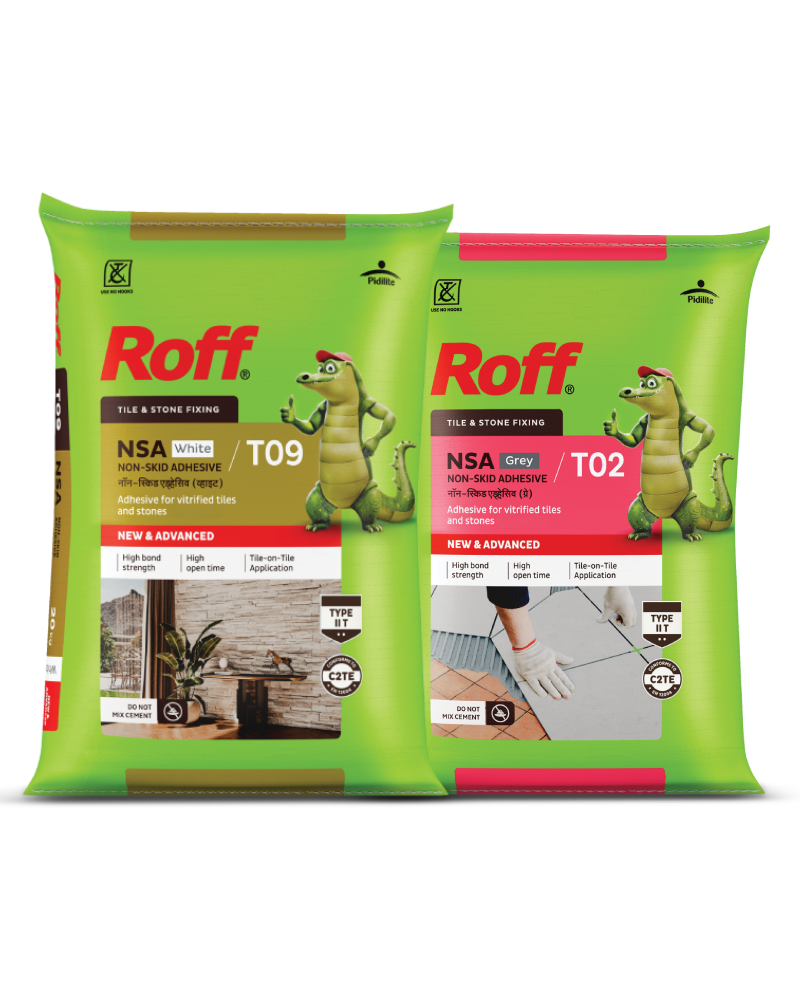
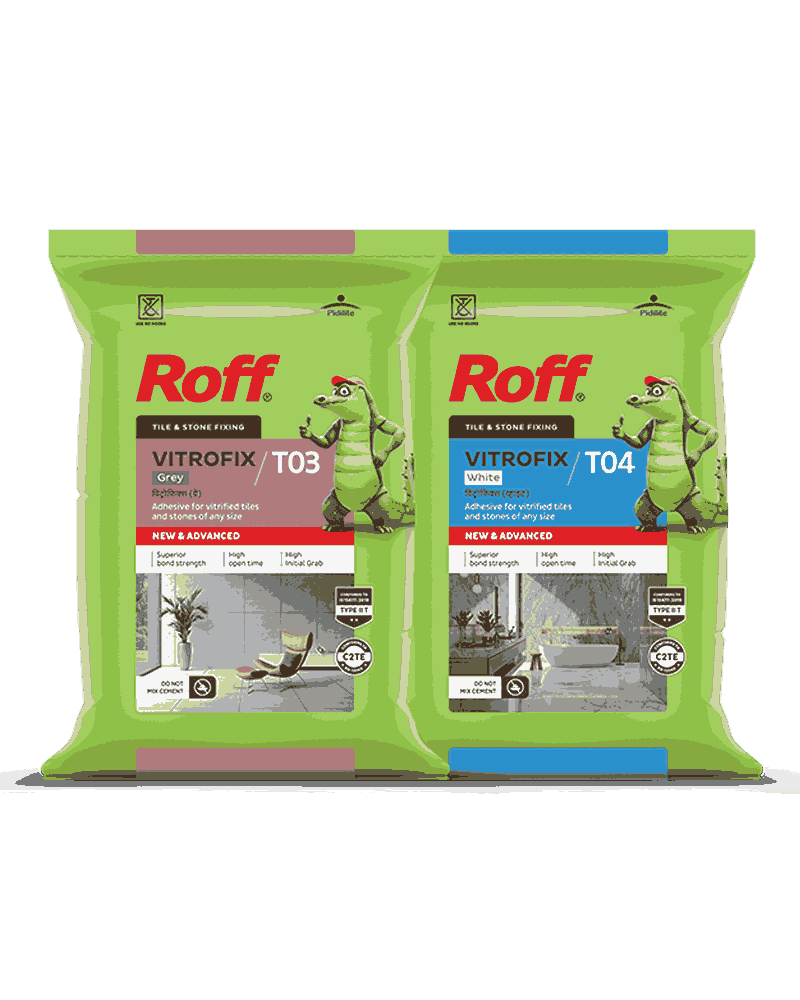
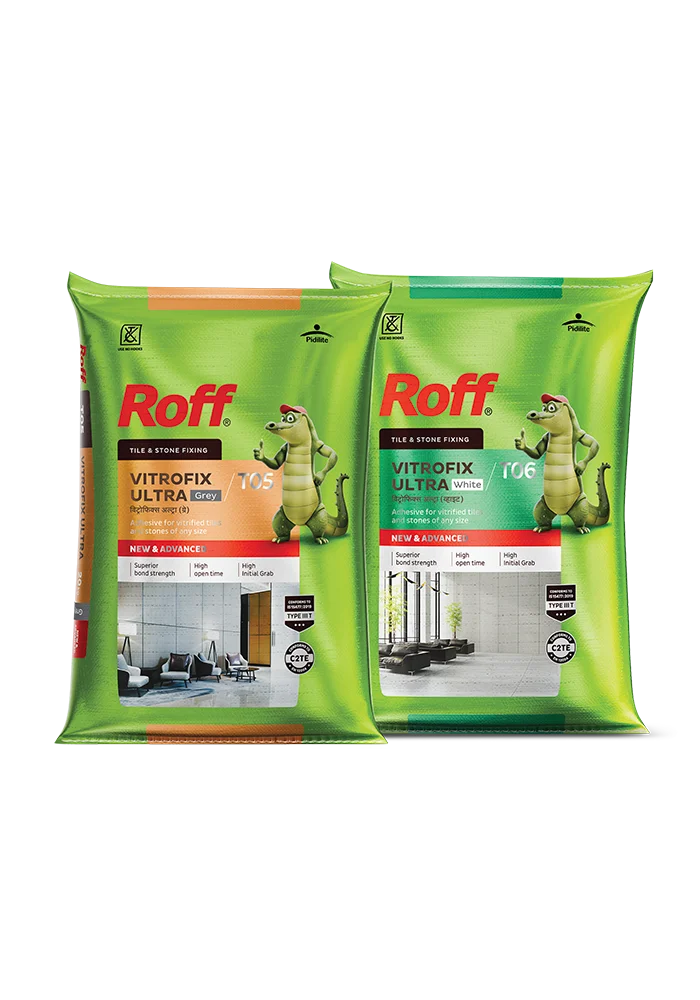
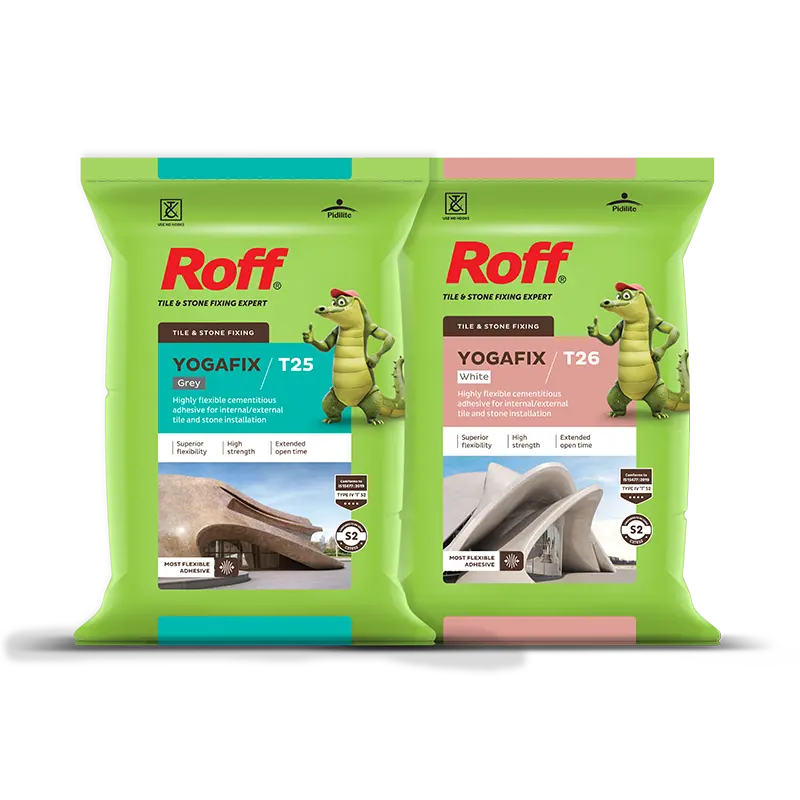
Adhesives like Roff NSA or Vitrofix absorb minor structural movements and reduce stress between layers, which helps prevent cracks over time.
What steps should you take while doing tile-on-tile renovations?
Even the best adhesive won’t work without proper prep. Here’s what you need to focus on:
Check existing tiles: Ensure they are stable and not loose
Fix old damage: Repair any cracks or hollow areas before tiling
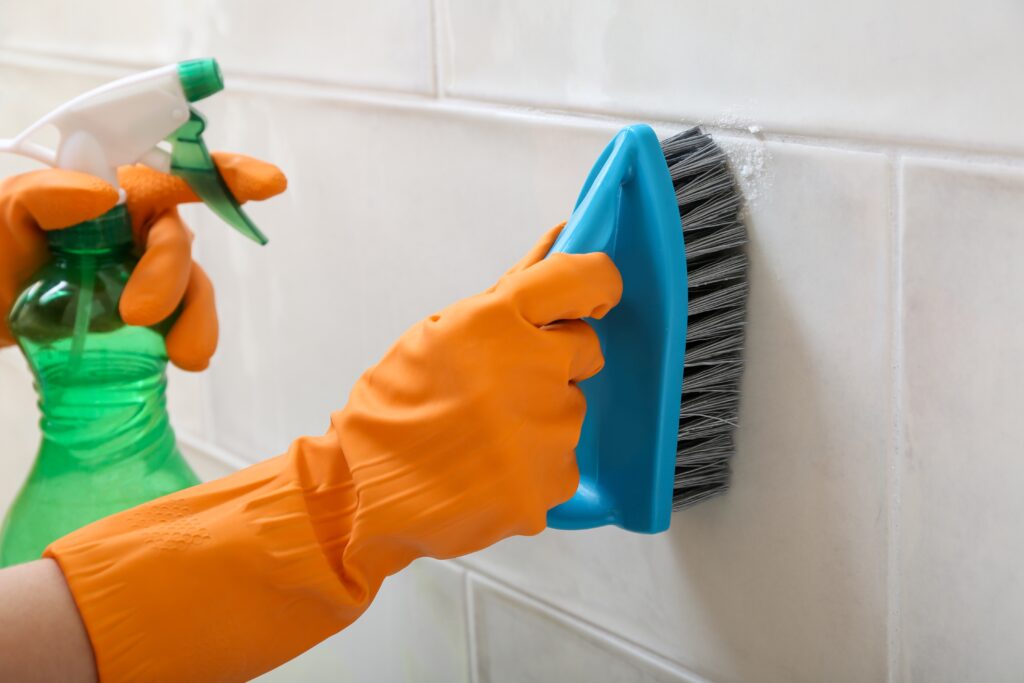
Clean thoroughly: Remove grease, dust, and grime
Roughen the existing tiles: Light abrasions provide a better grip
Apply adhesive evenly: Avoid air pockets
Allow proper curing: Don’t rush to grou
Following these steps ensures a strong bond and reduces the risk of tile failure.
Why you shouldn’t overlook tile adhesives
Tile-on-tile installation is a smart upgrade, but only when done right. Using specialisedadhesive on tile solutions instead of basic cement helps prevent hollow sounds, cracks, and premature failure.If you’re planning a renovation or tile upgrade, invest in the right materials and proper preparation to ensure a durable, hassle-free finish.
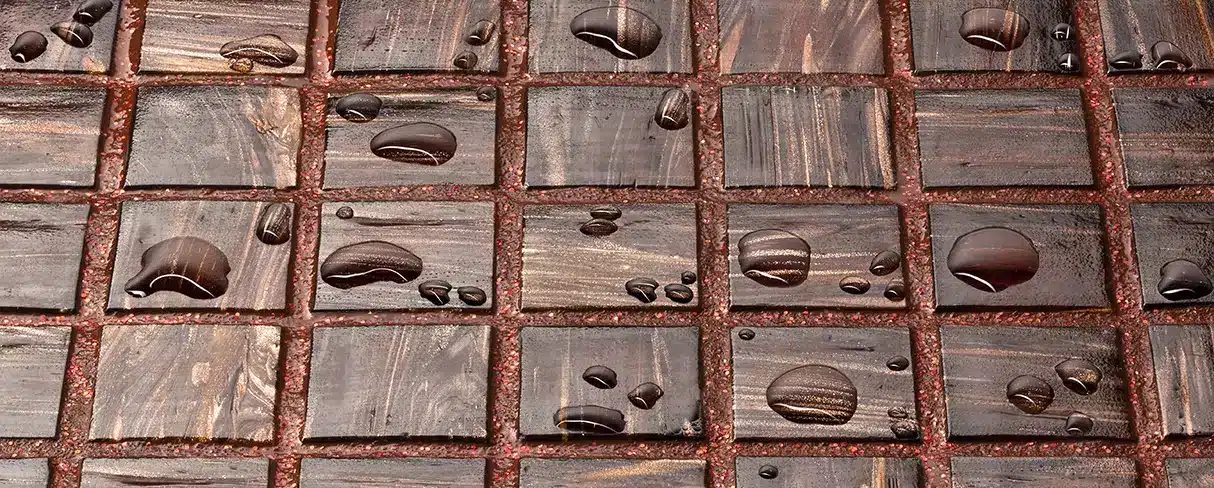
Roff Vitrofixis a high-performance, non-sliptile adhesive that is sutiable for a variety of surfaces including ceramic, vitrified tiles, natural stones, and glass mosaic tiles. It may be used in both wet as well as dry surfaces.Note that Roff Vitrofix adhesive can only be used in external areas.
FAQs
1) Can tiles be installed over existing tiles?
Yes, tile-on-tile installation is a popular renovation method. It saves time and avoids demolition, but requires the right adhesive for long-lasting results.
2) What causes a hollow sound in tiles?
Hollow sounds usually occur due to poor bonding or air gaps, often caused by using incorrect tile adhesive or improper installation.
3)Which is the best tile for flooring?
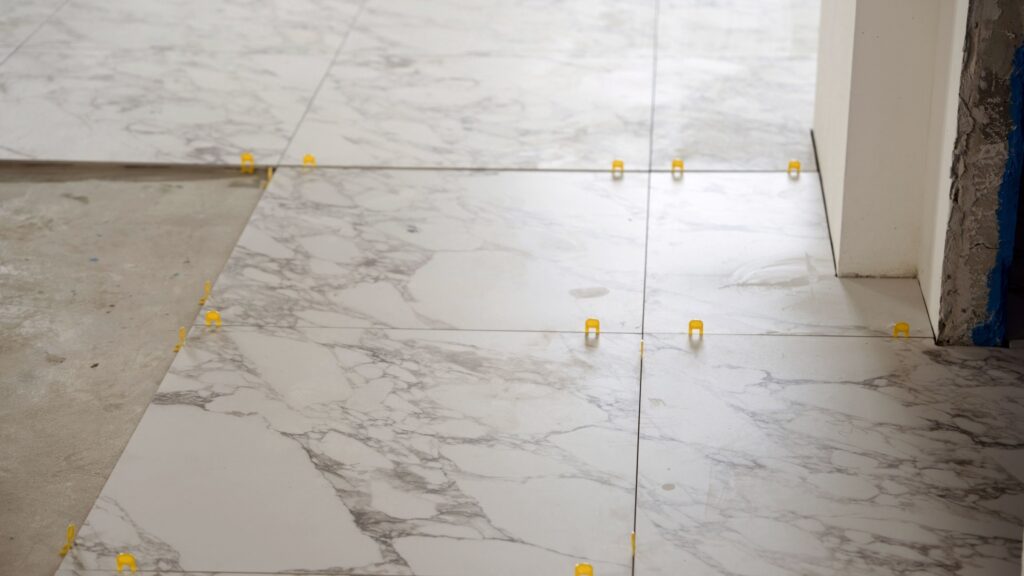
Porcelain and vitrified tiles are best for flooring due to their strength and durability. Adhesive wall tiles are not suitable for floors as they cannot handle heavy loads.
4)Do I need to remove old tiles before installing new ones?
No, in tile-on-tile installation, old tiles don’t need to be removed as long as they are firmly fixed, clean, and in good condition. Proper surface preparation and the right adhesive are key for success.
5) How long should I wait before using the tiled surface after installation?
It’s recommended to allow proper curing time, typically 24–48 hours for adhesives and additional time after grouting, depending on the product used. This ensures strong bonding and prevents tile movement or damage.