Check out the biggest trends of the season and our expert take on them.
5 Practical tips to choose the best adhesive for tiles without overspending
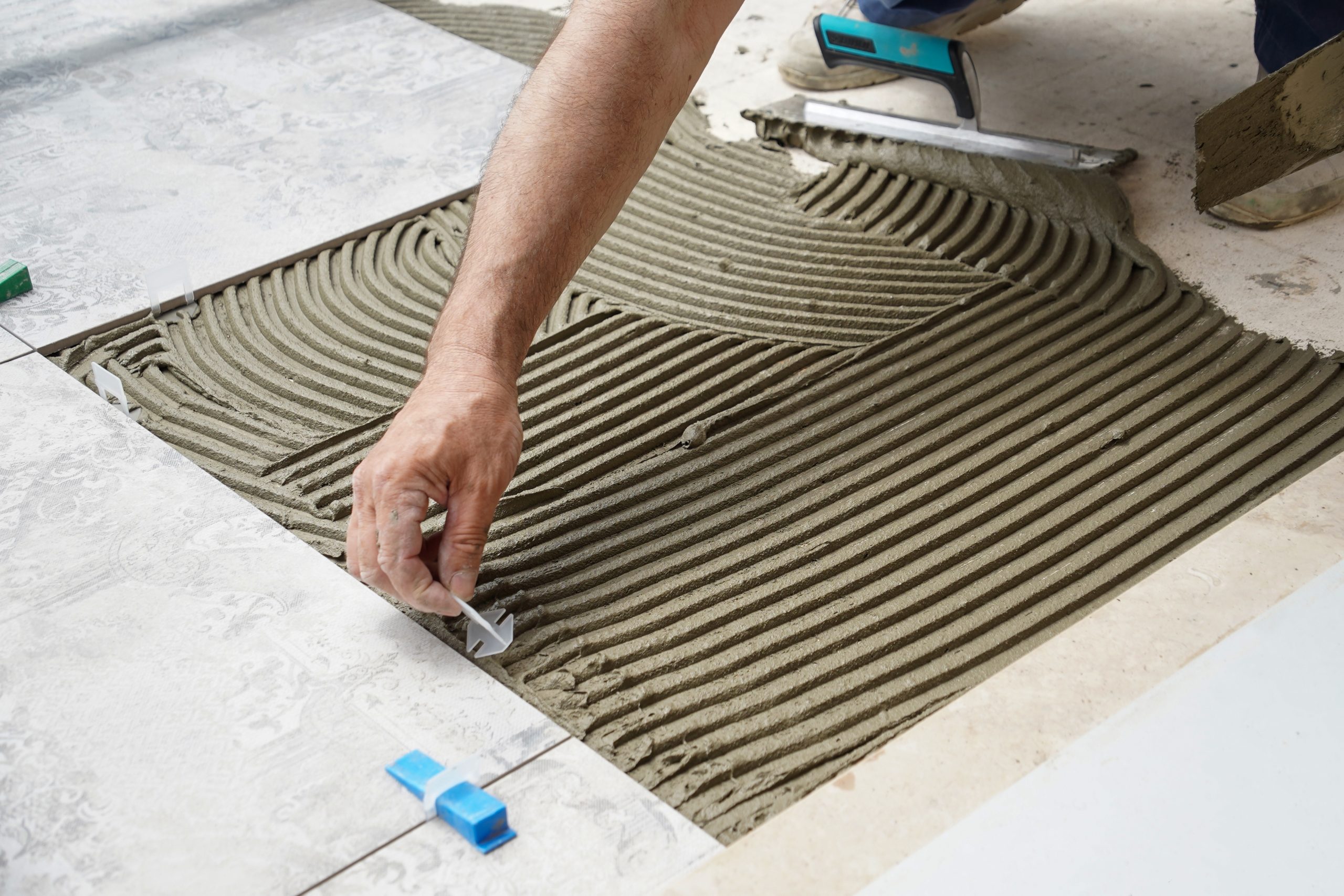
Most homeowners assume that ensuring a budget-friendly tiling project means cutting costs during the installation process. But what they don’t understand is that the best adhesive for tilesisn’t the one that gets the job done at the cheapest price point.
You want a tile-fixing adhesive that delivers long-term performance without frequent repairs. After all, what increases the monetary investment of a tiling project isn’t the initial cost – it’s the repairs that add up over the years.
So, if you want to ensure that your home’s tiles hold securely for the years to come, here are five tips that can help you determinewhich adhesive is the best for your home’s tiles.
What are some budget-friendly tips to choose the best adhesive for tiles?
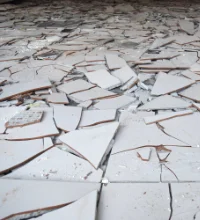
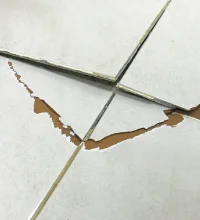
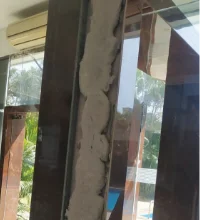
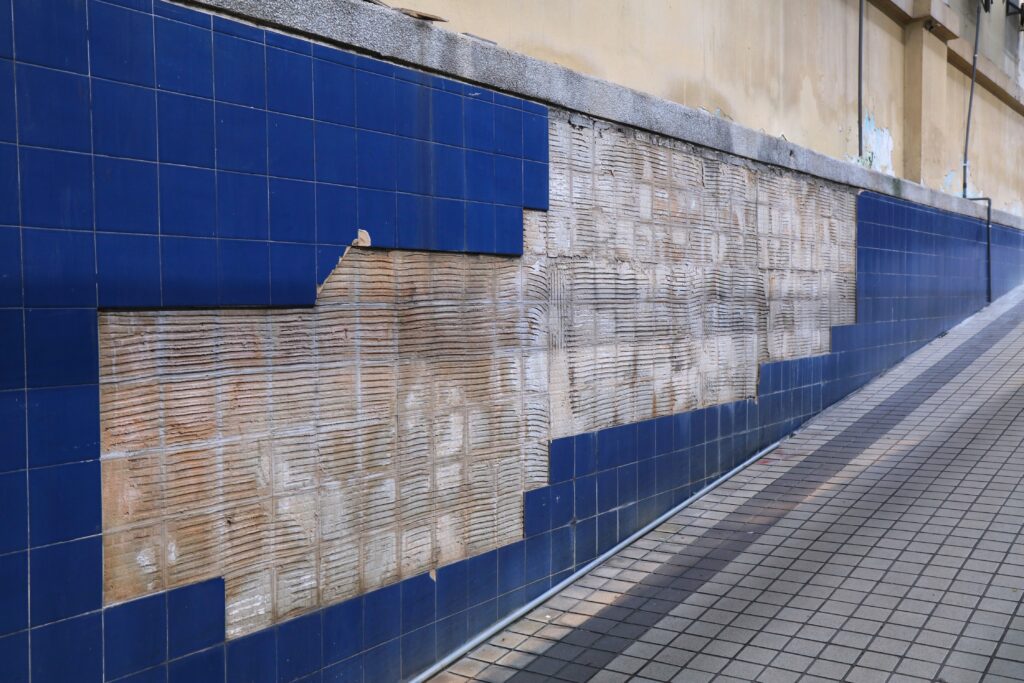
Debonding, or separation of the tiles from the substrate
Shifting, or the movement of tiles that disrupts the overall alignment
Hollow sounds due to voids or air pockets underneath the tiled surface
Cracked tiles due to lack of flexibility in adhesive
The real cost of your tile installation lies not in the initial investment, but in the cost of keeping it intact over the years. That’s why, here are five tips to select the best adhesive for tiles from the outset:
1. Consider the area of installation when choosing adhesives
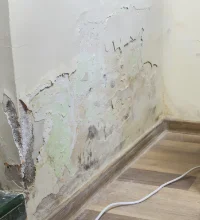
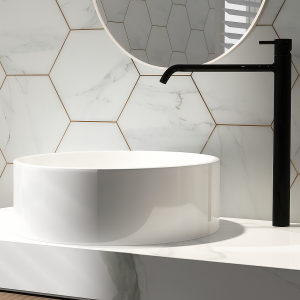
Different areas of the house have their unique needs. Wet areas like bathrooms need moisture-resistant adhesives, outdoor spaces need weather-resistant options, while busy areas like a kitchen floor need something that handles heavy foot traffic. Always match the adhesive to the area to avoid unnecessary repairs later.
2. Don’t overspend, choose adhesives as per your project requirements
Not every project needs a heavy-duty or rapid-setting adhesive, especially when you’re looking for the best adhesive for tiles for your home, rather than a commercial area. Focus on choosing a paste for fixing tiles that fits your needs rather than being swayed by unnecessary features.
3. Check your tile type and size before selecting an adhesive
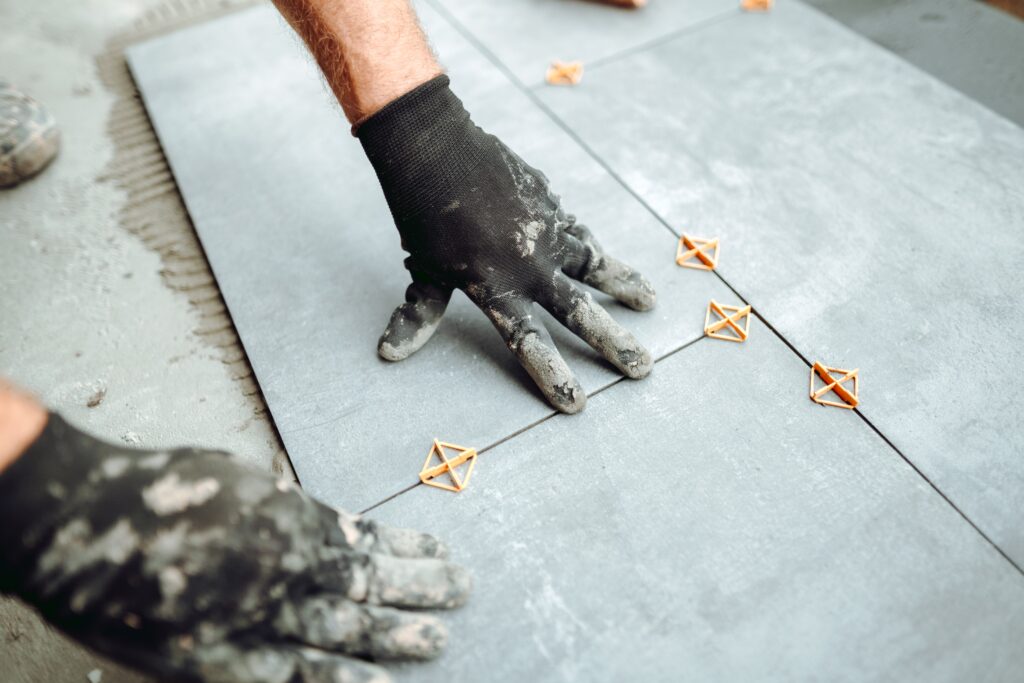
Tile adhesives aren’t a one-size-fits-all solution. Large-format tiles, vitrified tiles, or natural stone often need stronger, more flexible bonding solutions than small ceramic tiles do. Always match the product to the type of installation to choose the best adhesive for your tiles.
4. Calculate the adhesive needed before making your purchase
Buying too little adhesive can disrupt installation, while buying too much results in waste. Most manufacturers mention coverage per bag or tube on the packaging. A quick area calculation before you shop helps you buy only what you need and avoid spending money on extra bags that just sit unused.
5. Balance the initial investment with long-term durability
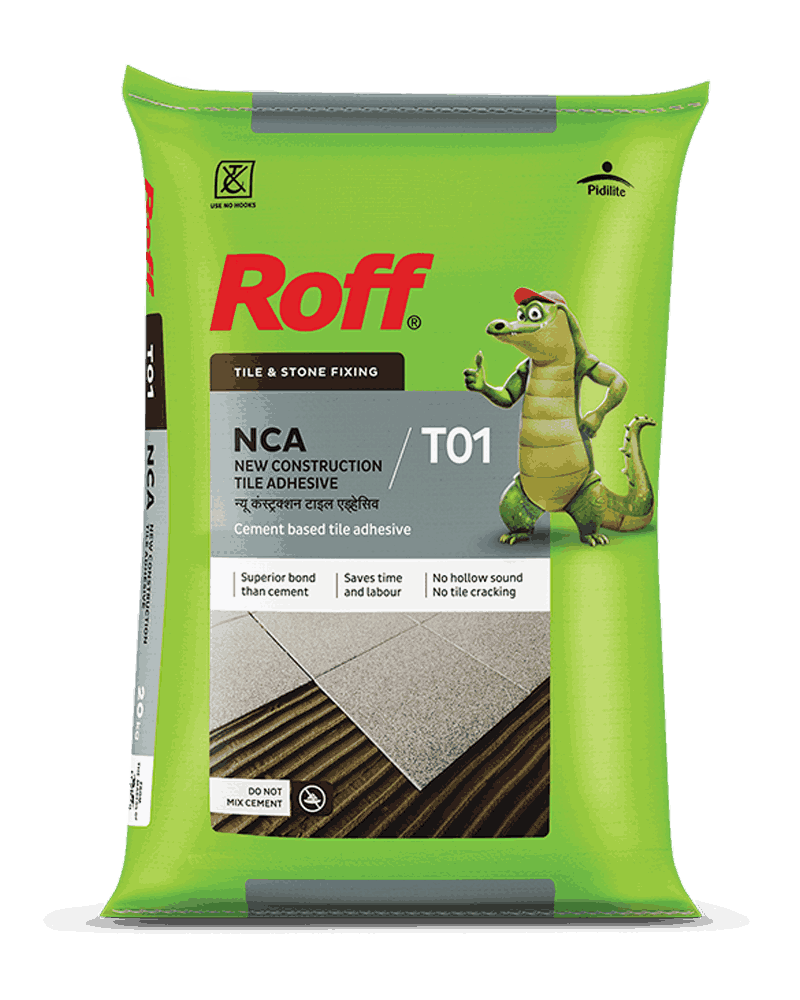
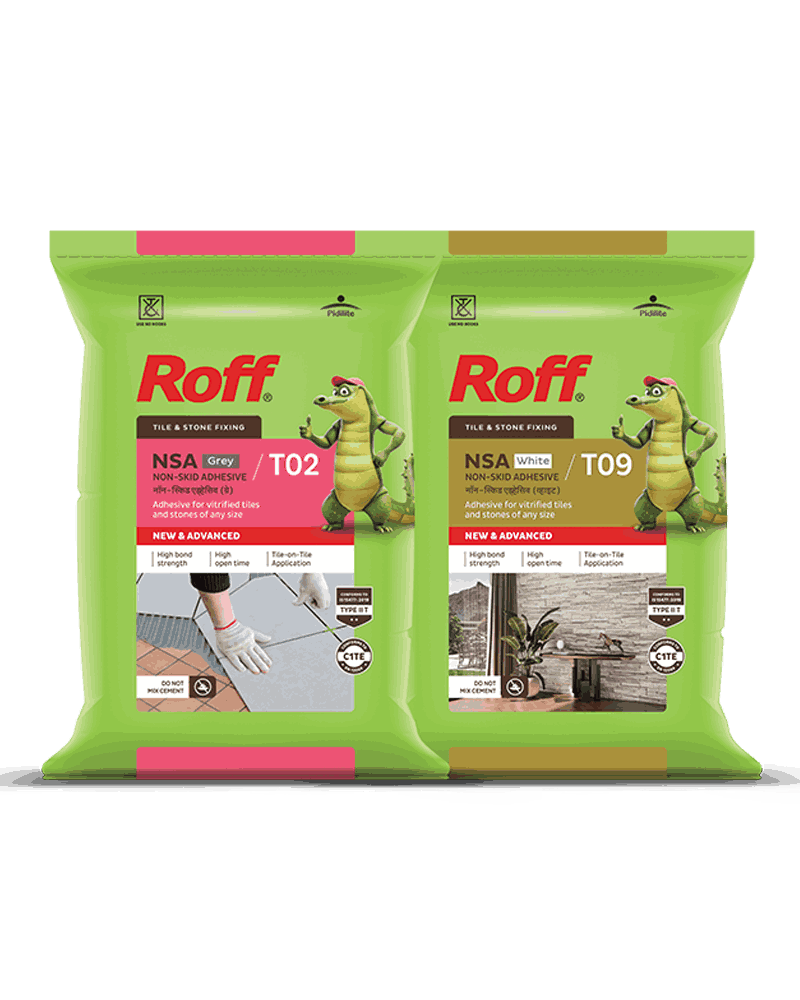
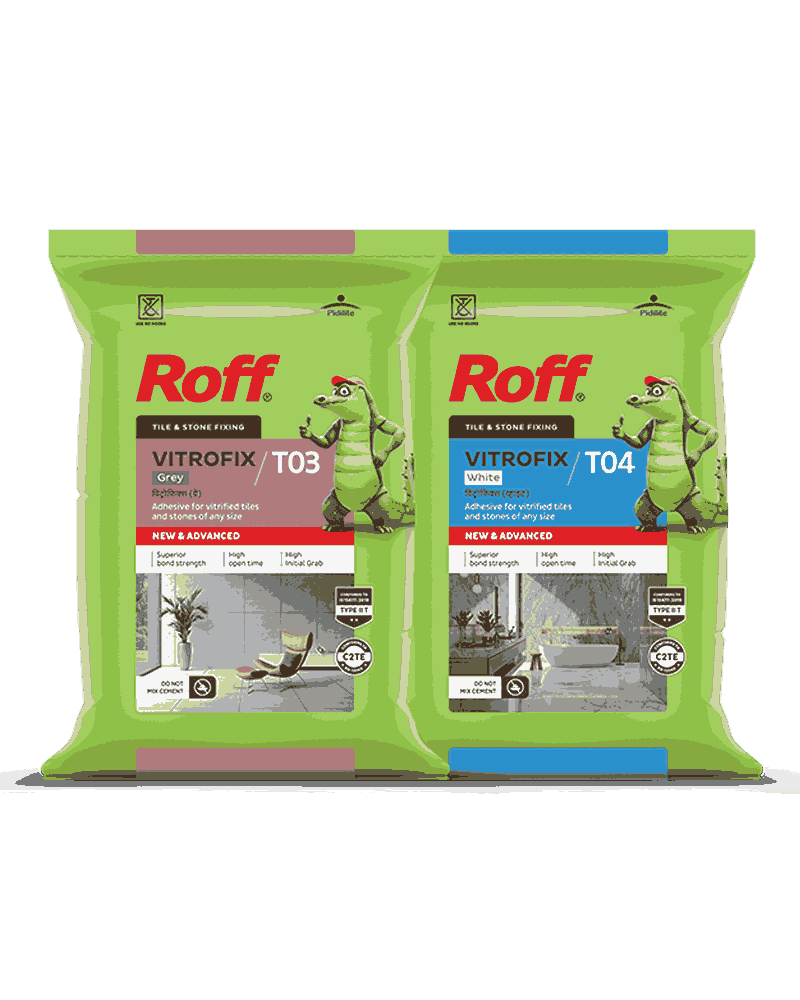
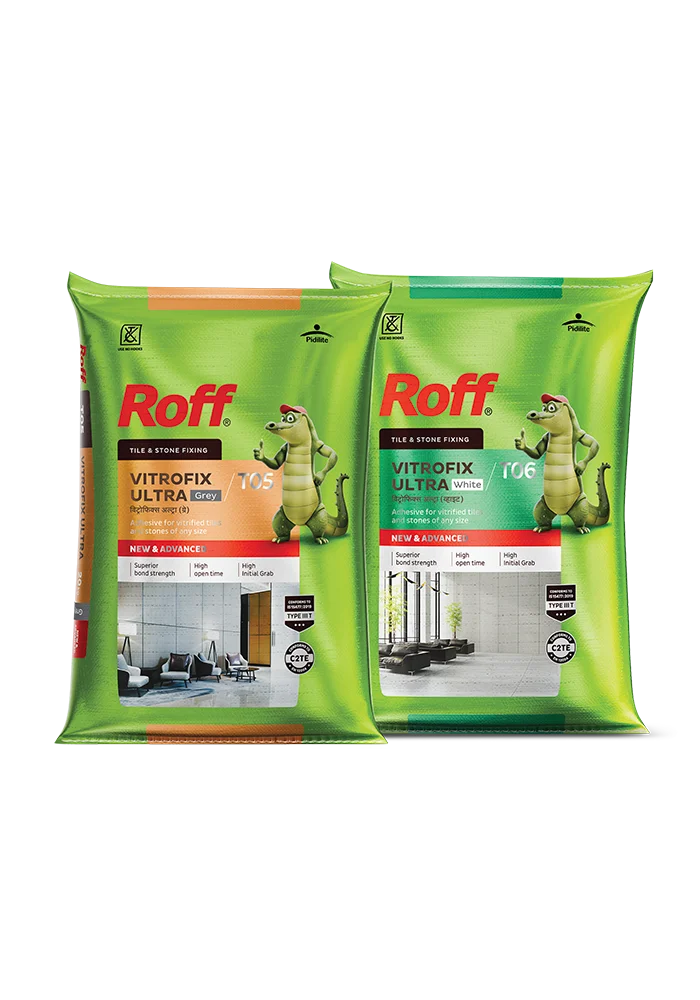
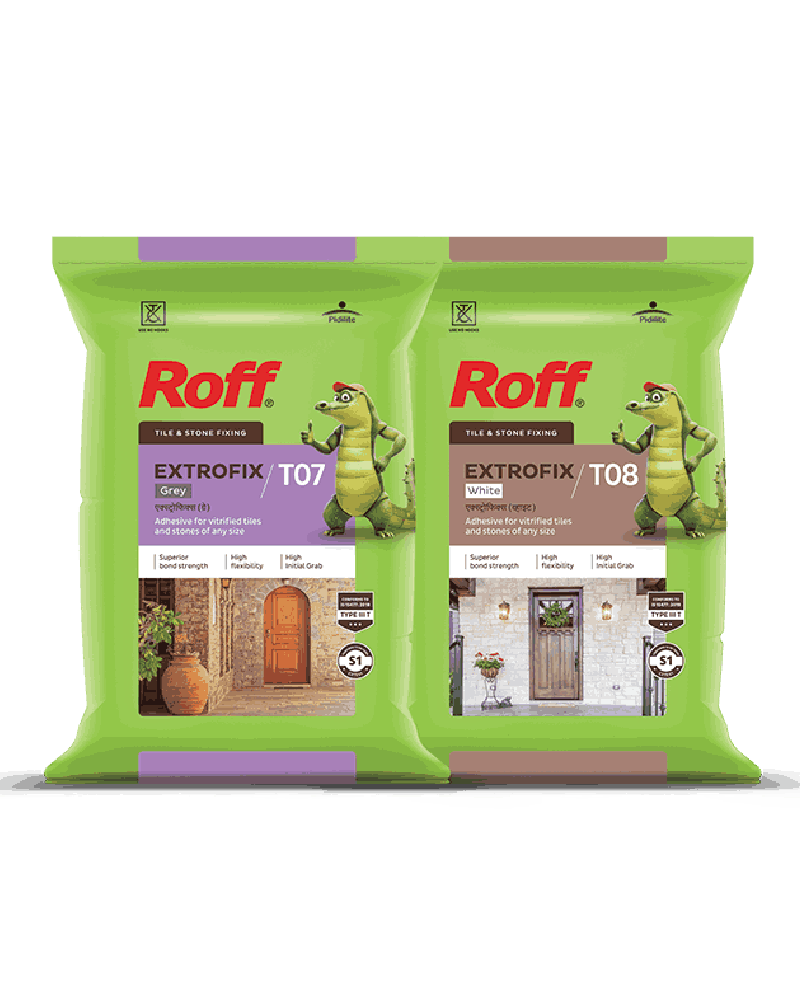
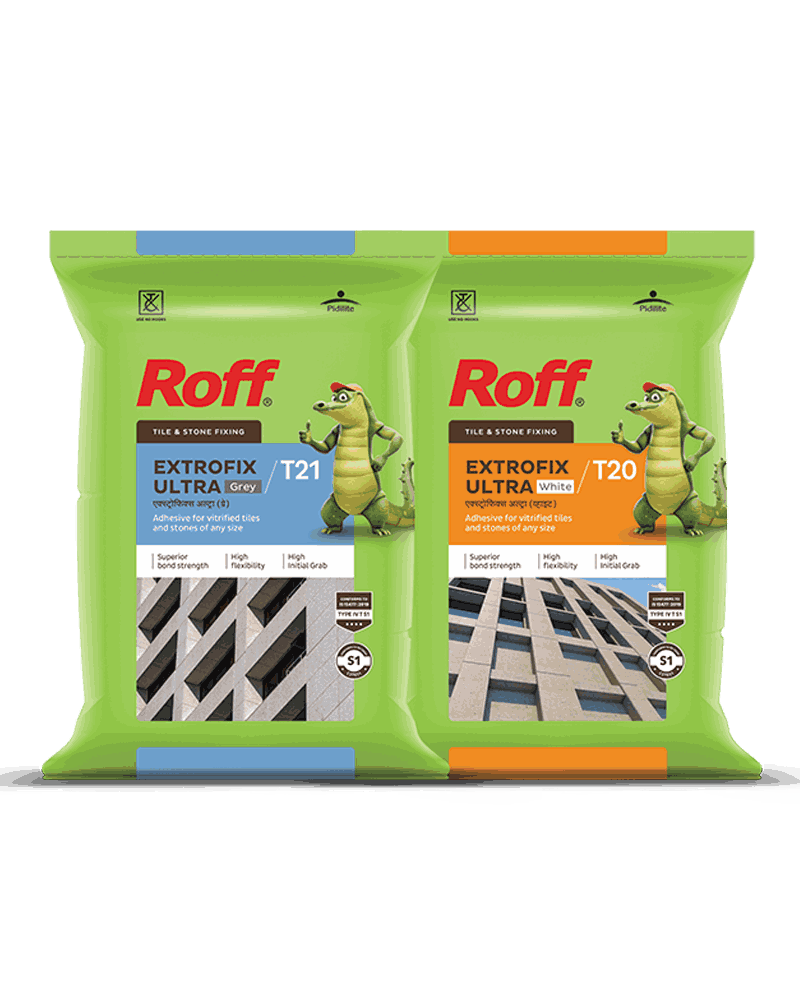
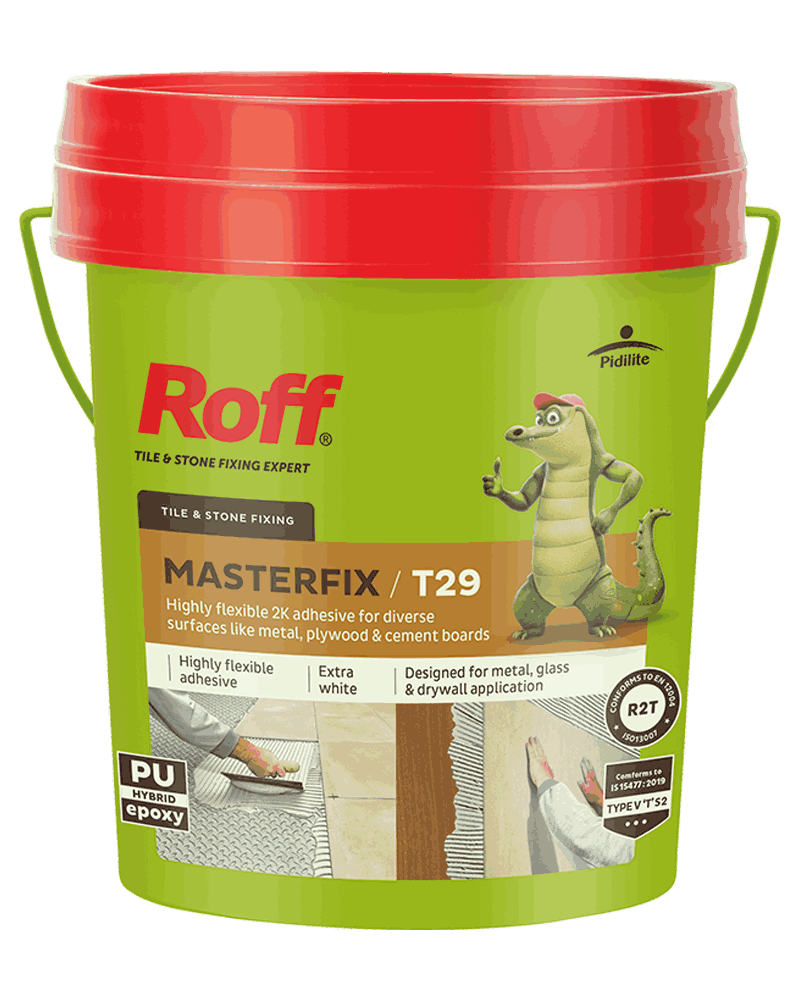
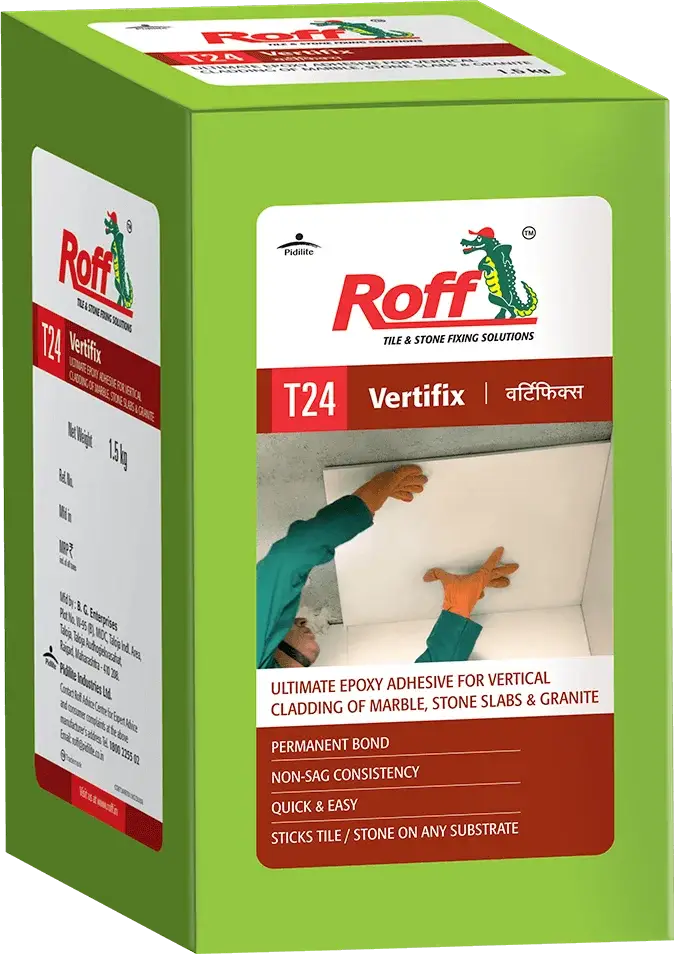
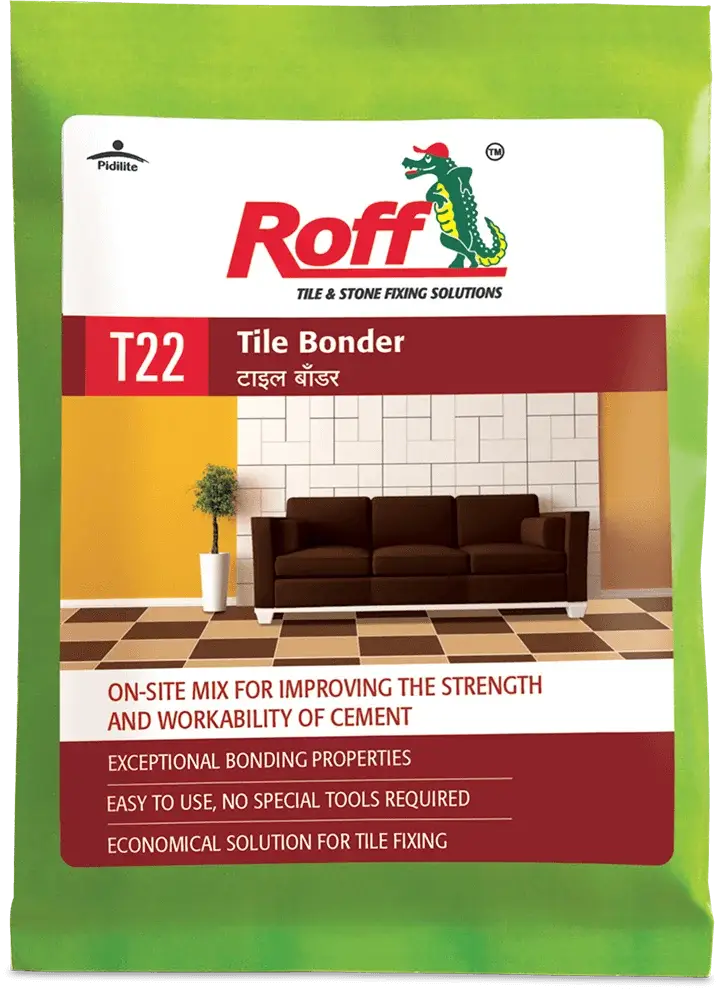
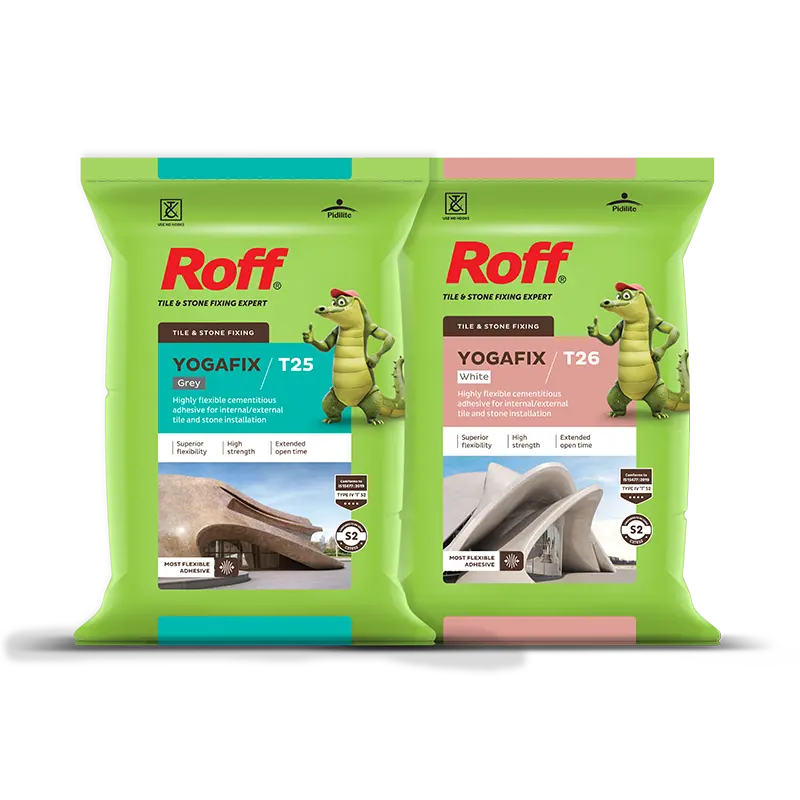
You don’t need the most expensive adhesive on the shelf, but you don’t want the cheapest either. Look for options like Roff’s range of tile and stone adhesives that promise dependable bonding and durability to avoid the inconvenience and expense of repeated maintenance.
Which adhesive is the best for your home?
Choosing the best adhesive for tilesultimately comes down to understanding the needs of your installation. Factors such as tile type, application area, and surface type, all play a role in ensuring your tiles remain secure without unnecessary repair costs.
If you want to get these three key factors right in your first try, explore Roff’s range of tile and stone adhesives, designed for a variety of tile materials and application areas.
FAQs
1. What is the best adhesive for tiles?
The best adhesive depends on tile type, tile size, installation area, and surface type.
2. Why shouldn’t I choose tile adhesive based only on price?
Cheaper adhesives may lead to issues like debonding, cracks, or frequent repairs over time.
3. How do I choose the right adhesive for different areas?
Select moisture-resistant adhesives for wet areas and stronger bonding adhesives for high-traffic or large-tile installations. Use Roff’s adhesive selector guide to make your choice simpler.
4. How do I calculate how much tile adhesive I need?
Check the coverage mentioned on the packaging and calculate based on the total tiled area to avoid buying too much or too little. UseRoff’s adhesive calculator tool to quickly determine how much adhesive you need.
5. Can the wrong adhesive cause tiles to crack or loosen?
Yes, using an unsuitable adhesive can lead to debonding, hollow sounds, shifting tiles, and cracks over time.