Check out the biggest trends of the season and our expert take on them.
Can You Use Tile Adhesive as Grout? (And What to Use Instead)
Key Takeaways
Tile adhesive and grout are not interchangeable. Adhesive bonds tiles to the substrate and are applied behind the tiles, while grout fills the joints between tiles and is visible, playing a role in tile aesthetics.
The requirements/purpose of tile adhesives is different from that of tile grouts, and hence the formulation/material composition is different, as they are designed as per the application and performance needs.
Use the right grout for the application. Cement-based grout may suit certain dry areas, while epoxy grout is generally better suited to wet, high-use or stain-prone areas.
Proper grouting technique matters. Clean joints, correct mixing, full joint filling, neat finishing and proper curing all help improve long-term performance.
Follow the recommended joint width. Maintain the specified gap between tiles and choose a grout designed for that joint width and installation type.
Never use tile adhesive as grout. Although both materials are used during tile installation, they perform different jobs: adhesive bonds tiles to the substrate, while grout fills the joints between tiles. The requirement for tile adhesives is different compared to tile grouts, for example, adhesives need bond-strength and compatibility with different substrates.
On the other hand, for tile grouts, chemical resistance, vibrant colours for aesthetics, and abrasion resistance are more important, as they are constantly exposed to external stresses and are visible on a day-to-day basis. Using the appropriate material for each part of the installation helps ensure better bonding, a cleaner finish and appropriate performance over time.
Short Answer: No - Here’s Why
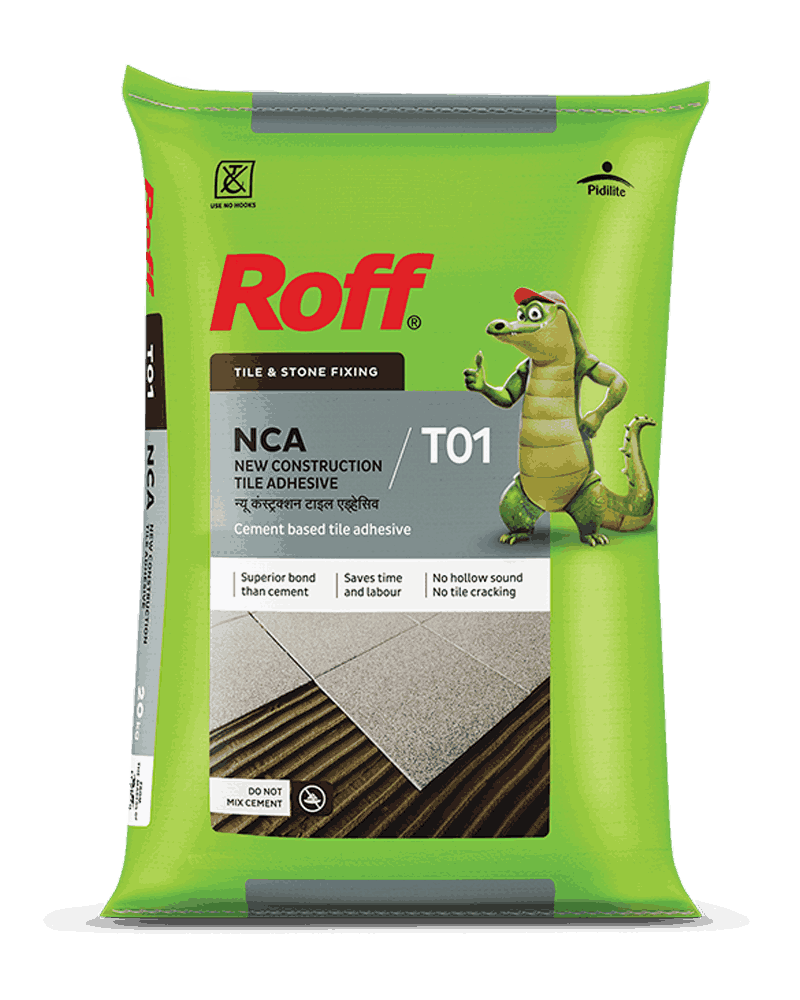
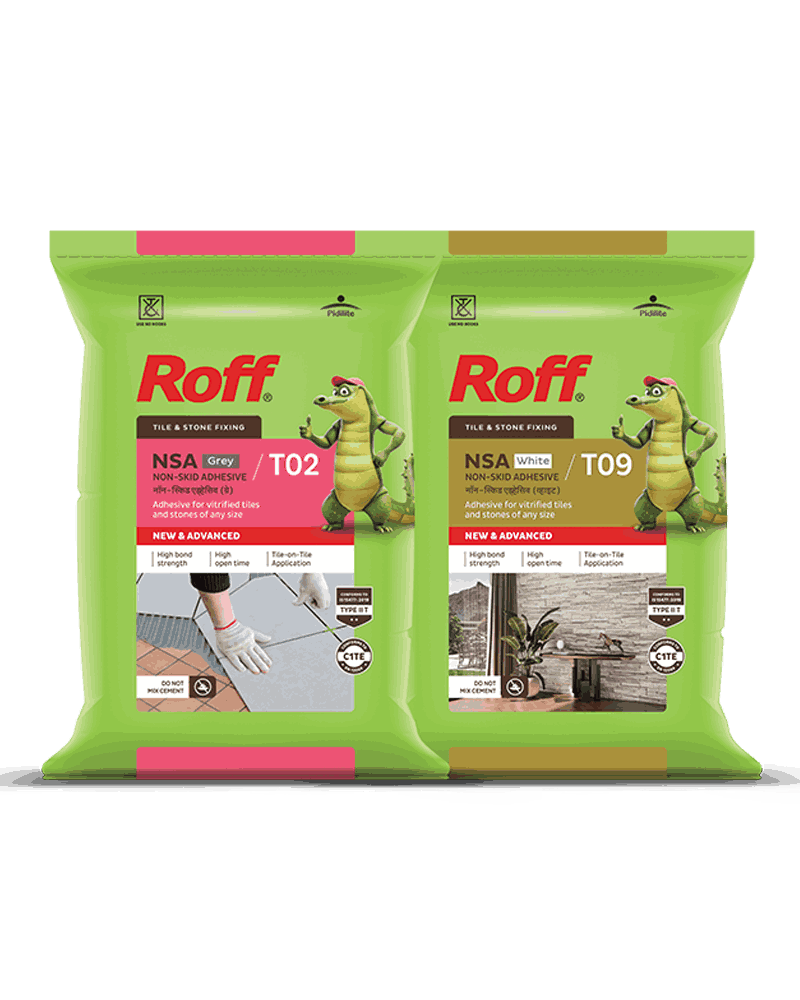
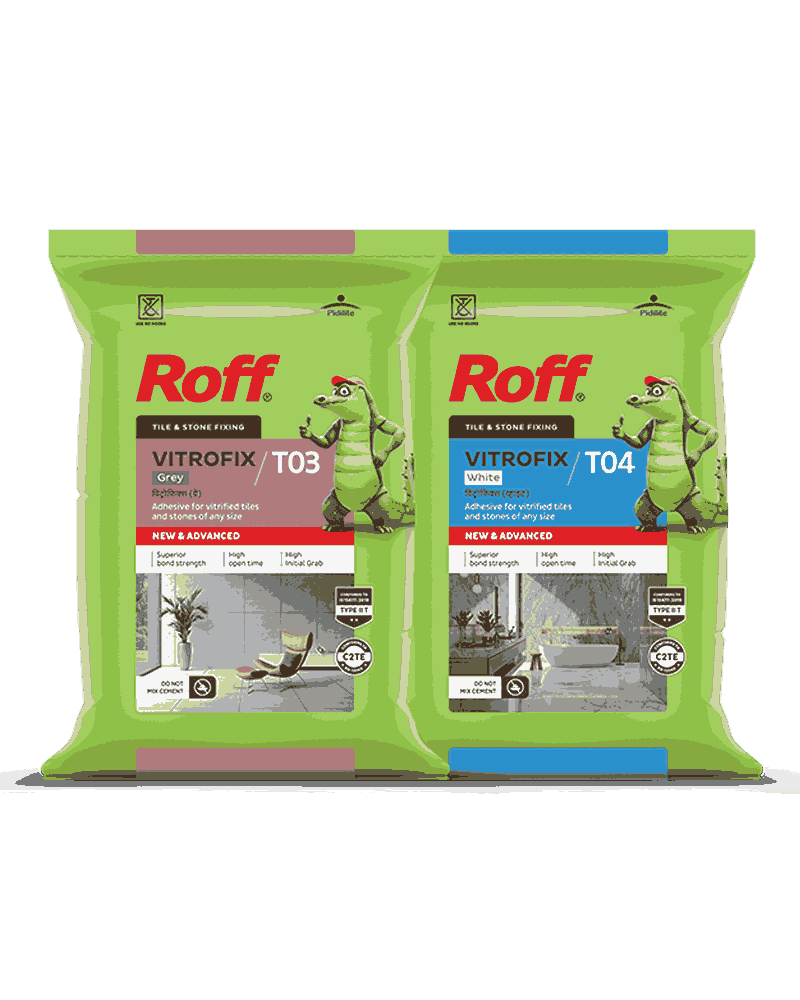
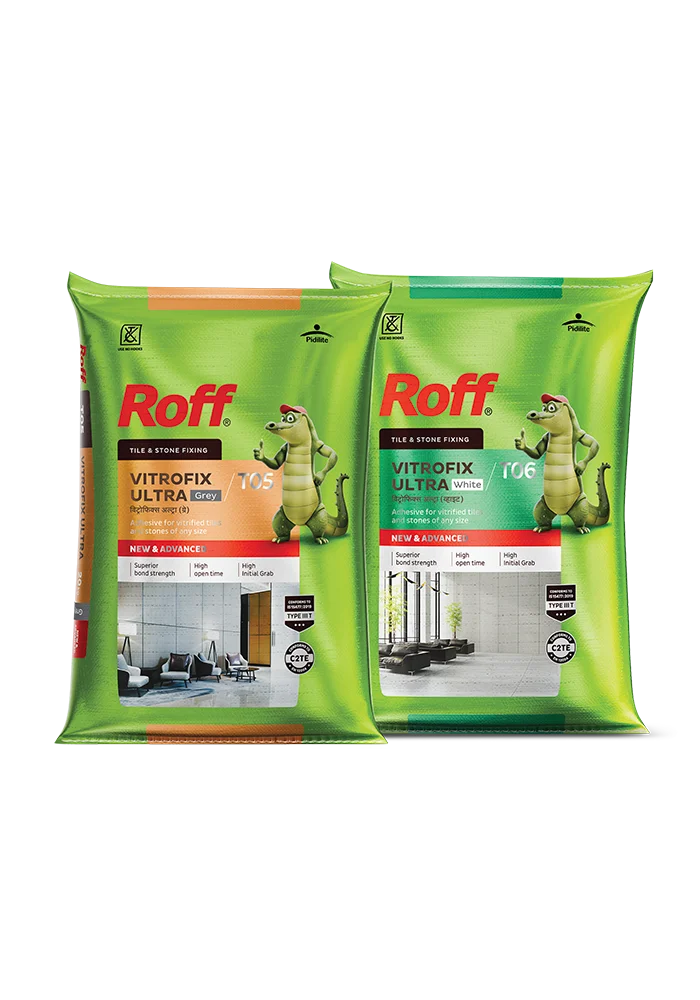
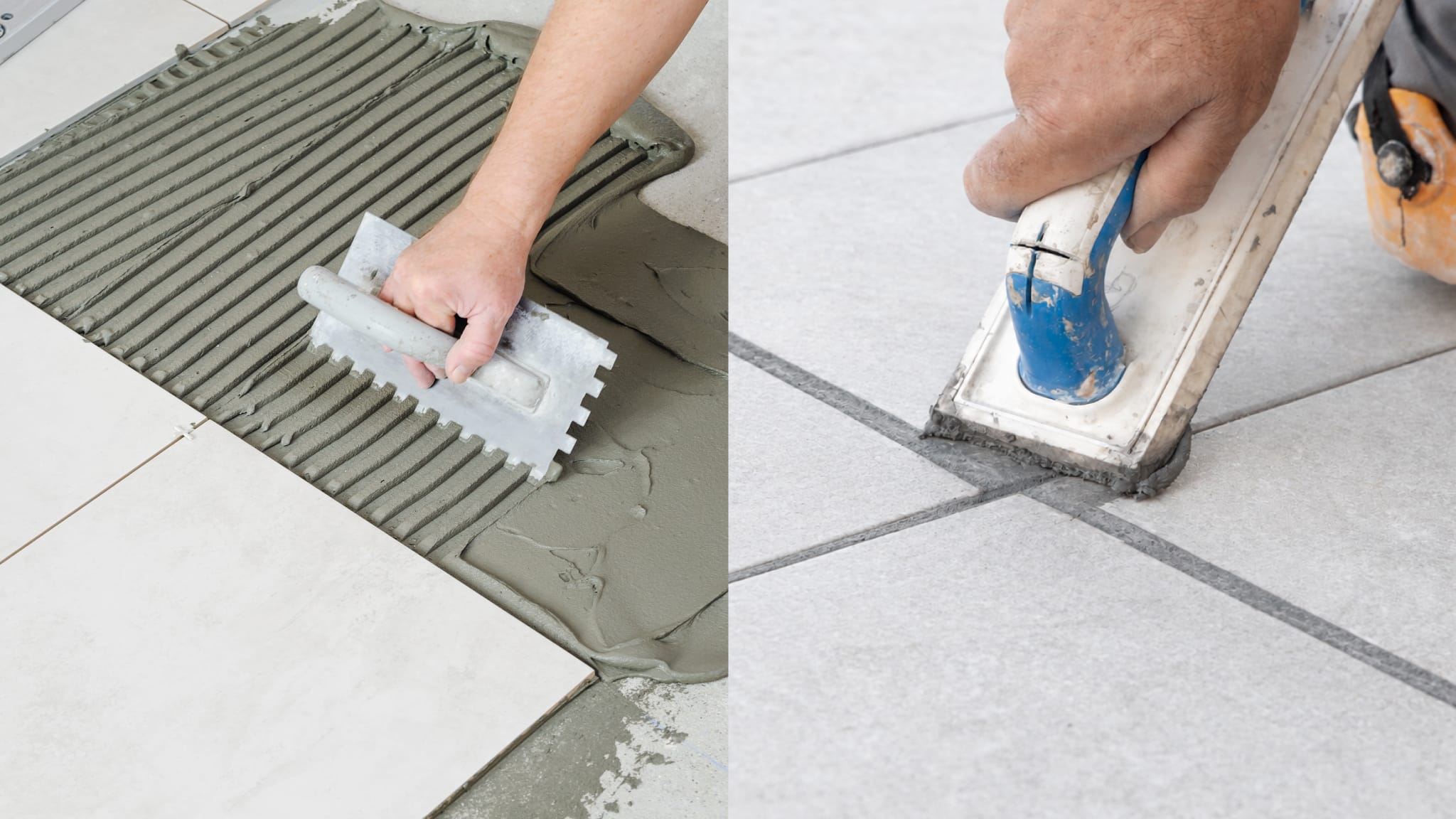
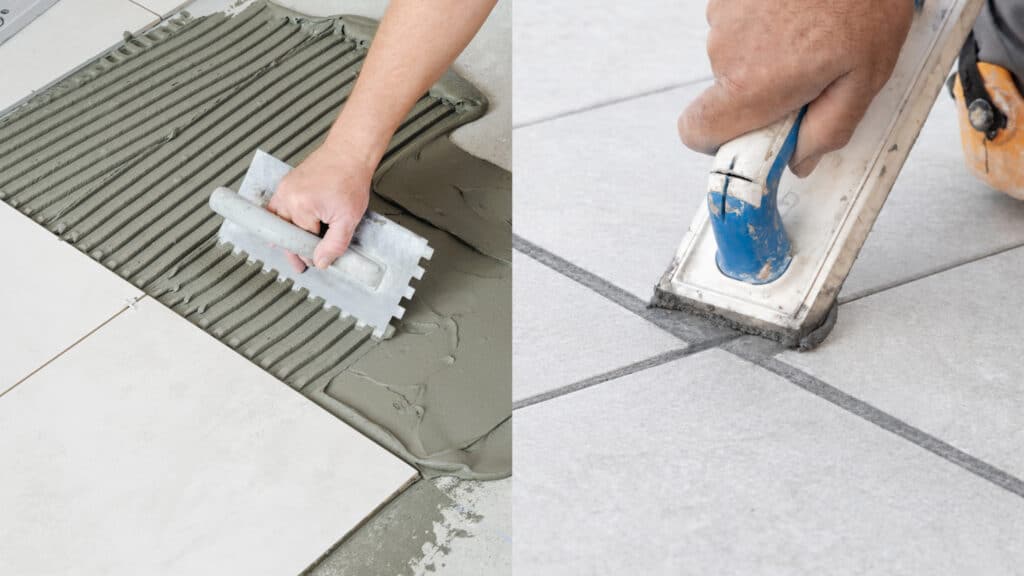
Tile adhesives are formulated to create a strong bond between the back of the tile and the surface underneath. They provide adhesion and bedding, not the finished joint between tiles. Grout, on the other hand, is formulated to fill the spaces between tiles. Its texture, application, and performance characteristics suit joints rather than the area beneath the tile.
For example, grouts should not leave behind any extra material deposition on tile surface after application, as this can lead to a more tedious cleaning process. This is not an issue for tile adhesives, since they are applied behind tiles and are not visible.
Adhesive vs Grout: Different Jobs
Although adhesive and grout are both essential to many tile installations, they should not be treated as interchangeable materials. Their purpose, consistency, and location within the installation differ. Understanding this distinction makes it easier to choose the right product and avoid using an adhesive where a proper joint filler is required.
Purpose, texture, position
Material
Primary purpose
Where it is used
Properties required
Tile adhesive
Bond the tile securely
Between the tile and substrate
Bond-strength and flexibility
Grout
Fill and finish tile joints
In the gaps between tiles
Bonding, flexibility, stain-resistance, chemical resistance, abrainsion resistance, and aesthetics.
The adhesive should provide appropriate contact between the tile and substrate, while the grout should fill the designed gap between adjacent tiles.
Which Grout to Use Instead
Once the tiles have been fixed, choose a tile joint filler based on the installation area and the performance required from the joints. Dry areas may suit a cement-based grout, while wet or high-use areas may benefit from epoxy grout. The right choice also depends on the tile type, joint requirements, and the manufacturer’s recommendations.
Cement grout (dry areas)
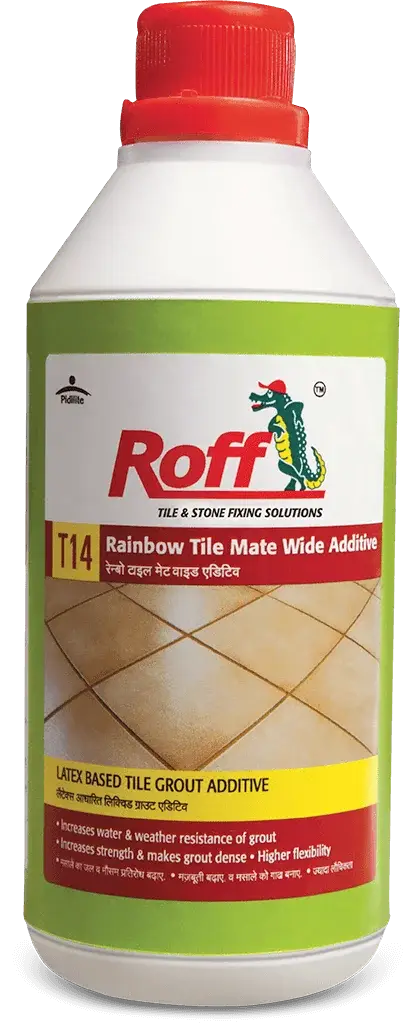
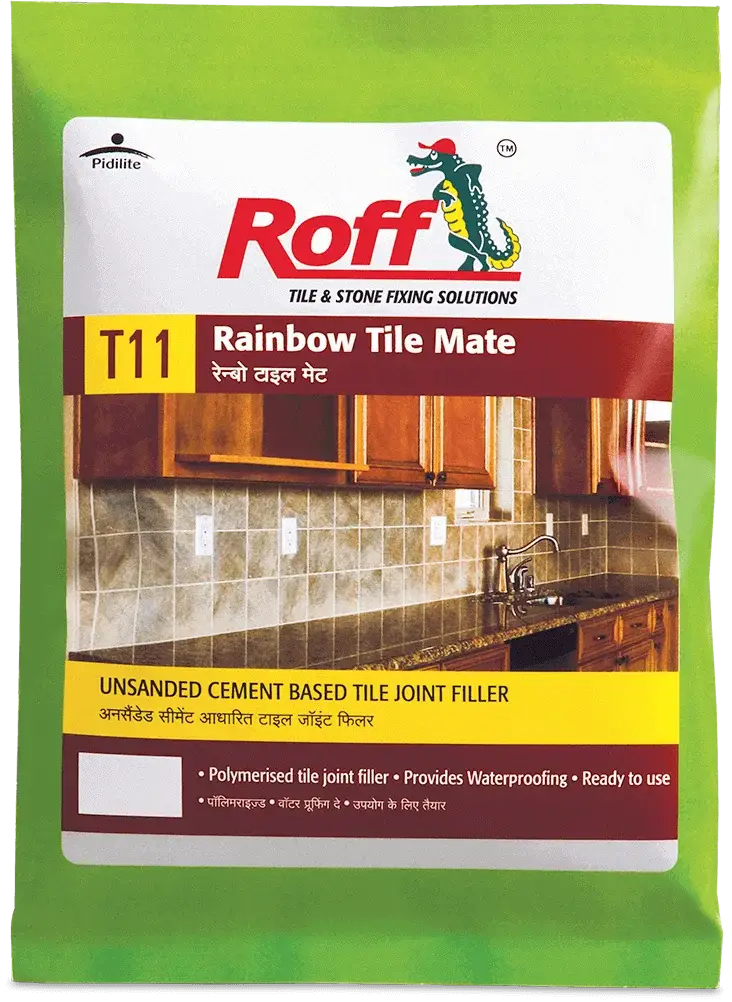
Cement grout is generally not recommended for critical areas like wet areas, external areas, or drywall. However, you may still consider using cement grout for suitable dry-area installations. For example, Roff Rainbow Tile Mate (RTM) is a cement-based filler designed to fill gaps between tiles. It is suitable for floors and walls and a range of ceramic, porcelain, vitrified and natural-stone surfaces.
Epoxy grout (wet/high-use)
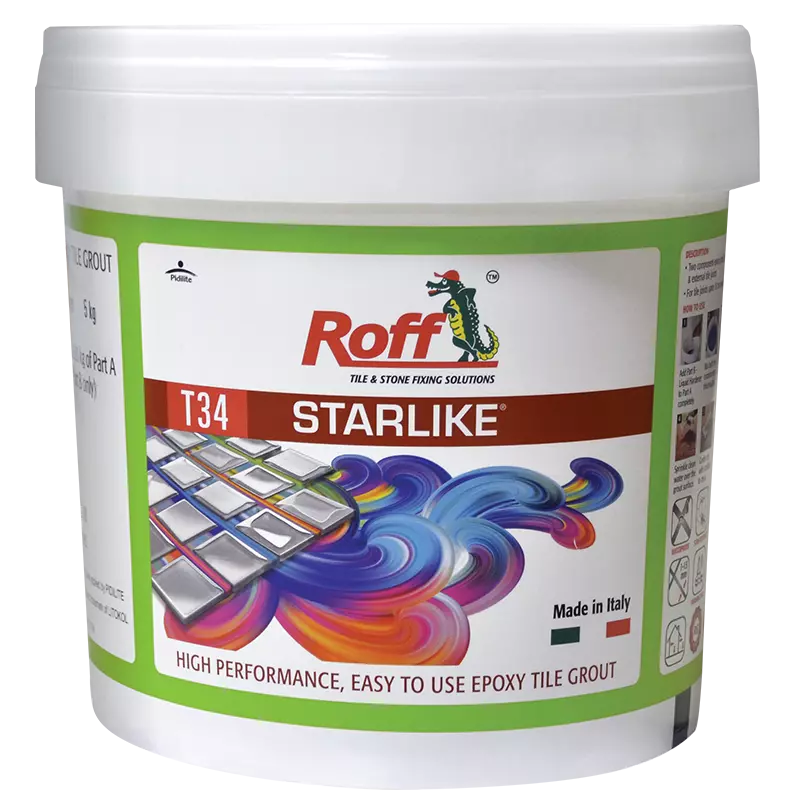
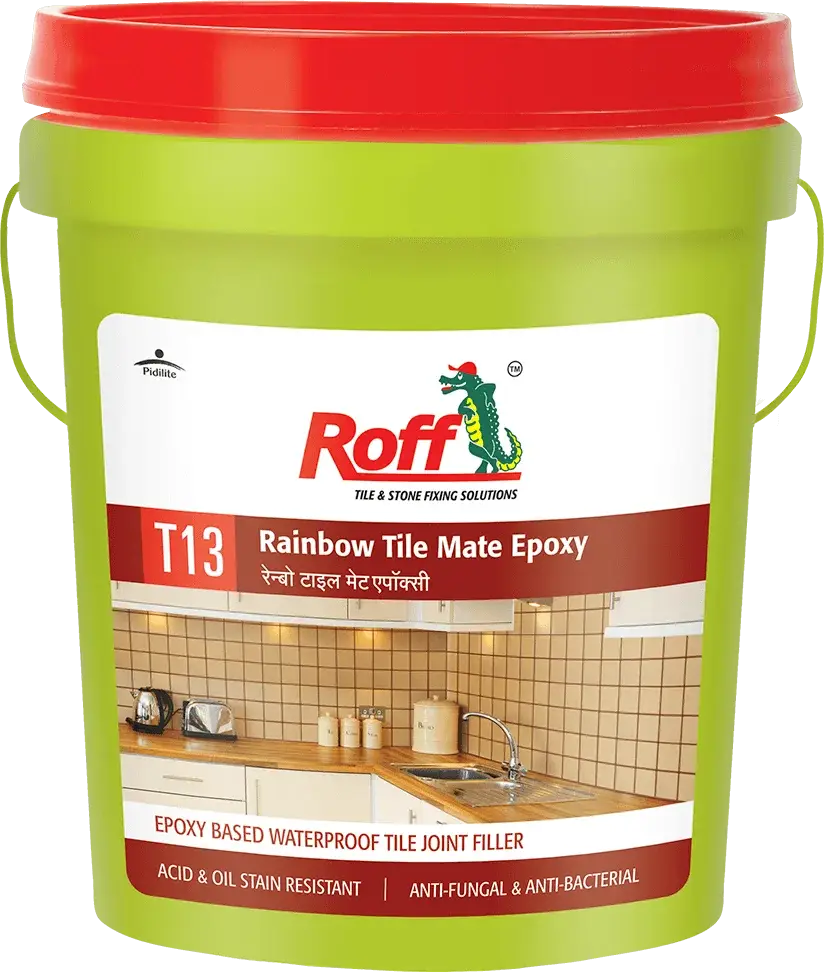
For wet areas, high-use installations, or situations requiring greater resistance to water, stains, and demanding conditions, epoxy grout can be a suitable choice. Roff Starlike is a high-performance, two-component epoxy-based tile joint filler suitable for internal and external applications, including dry and wet areas. Ideally, use epoxy grout for modern tile installations whenever possible.
How to Grout Properly
The correct grouting process involves more than simply pushing material into the visible gaps. Clean the joints, fill them properly, and finish them evenly, and select grout based on the required joint width and application. Work in manageable sections so you can pack the grout into the joints before it begins to set. This also makes it easier to remove excess material and achieve a consistent finish.
Fill, tool, clean
Follow a systematic process to ensure the joints are filled without leaving gaps or excess grout on the tile surface:
Prepare the joints: Make sure the joints are clean, dry, and free of loose adhesive, dust, or debris.
Prepare the grout: Mix or prepare the selected grout according to the manufacturer’s instructions.
Fill the joints: Apply the grout and press it into the gaps to fill them consistently.
Tool the joints: Finish the joints evenly to achieve a neat, consistent appearance.
Clean the surface: Remove the excess grout before it hardens to ensure a smooth finish.
Allow it to cure: Follow the manufacturer’s instructions for curing and protecting the finished joints.
Do not choose joint width randomly during grouting. Use the joint width specified for the tile and installation, and choose a grout suitable for that width. For example, Roff Starlike is specified for joints from 1 to 15 mm.
Frequently asked questions (FAQs)
1) Can I use tile adhesive to fill joints?
No, tile adhesive is designed to bond tiles to the substrate, while grout is specifically formulated to fill and finish the joints between tiles. Use a suitable cement-based or epoxy grout, depending on the area and installation requirements.
2) What is the difference between adhesive and grout?
Tile adhesive is applied beneath the tile to bond it to the substrate. Grout is applied between tiles to fill and finish the joints, so the two materials serve different purposes and have different formulations.
3) Which grout is best for bathrooms?
For wet areas like bathrooms, an epoxy grout such as Roff Starlike can be a suitable choice because it is waterproof and designed for wet-area applications. The final selection should follow the specific installation and product recommendations.
4) Is epoxy grout better than cement grout?
Epoxy grout is better than cement grout, especially for critical areas like wet areas or drywalls etc. Epoxy grout is chemical resistant, stain resistant, and generally performs better in comparison to cement grout. Cement grout can still be used for standard installations, while epoxy grout is useful where you need greater resistance to water, stains, abrasion, or demanding use.
5) What joint width do I need?
The required joint width depends on the tile type, tile size, installation conditions and manufacturer’s recommendations. In general, it is recommended to leave a minimum gap of 2mm in between tiles. Maintain the specified gap between tiles rather than fixing them tightly together, and select a grout suitable for that joint width.