Check out the biggest trends of the season and our expert take on them.
Grouting in Construction: Types, Uses & Why It Truly Matters
Grouting is one of those construction activities that often goes unnoticed, yet it determines the lifespan of a structure. From securing massive machine bases to waterproofing basements and finishing your favourite tiled kitchen floor, the applications are vast and deliver long-lasting results.
But what exactly is grouting in construction, and why does it matter so much? Here we explore grouting in construction in detail, going through its various types, where they are used, and how you can choose the right solution for your project.
What is Grouting in Construction?
Grouting in construction is the process of injecting a fluid material into gaps, cracks, or voids to fill them, strengthen the structure, or prevent fluid movement. It is the ‘glue’ that binds different construction elements together. Unlike concrete, which is used for bulk structural mass, grout is a mixture of cement, water, sand, and chemical admixtures designed to flow into tight spaces where concrete cannot reach. This fluid mixture hardens over time, creating a solid bond that transfers loads, seals against water, and stabilises the surrounding materials.
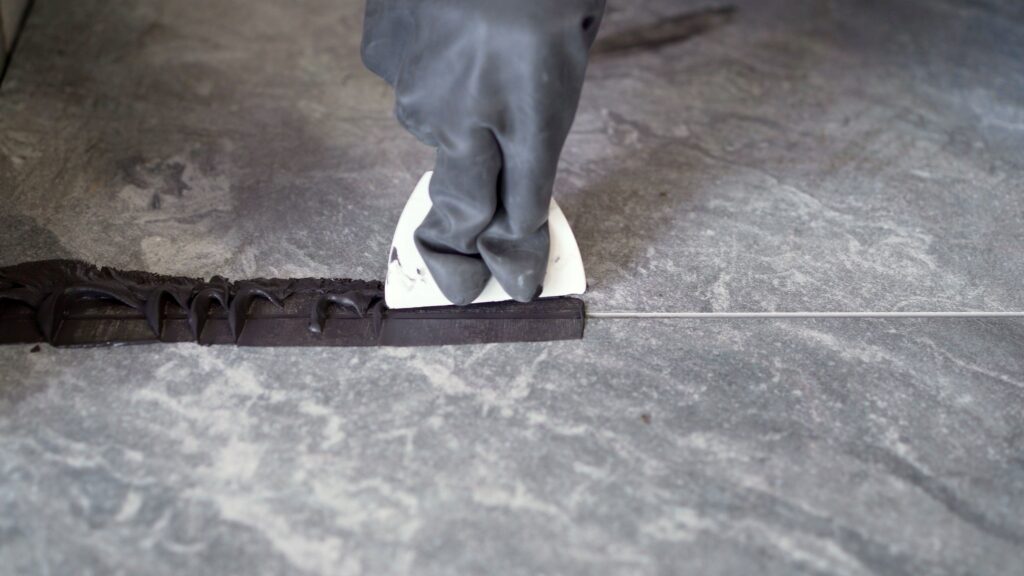
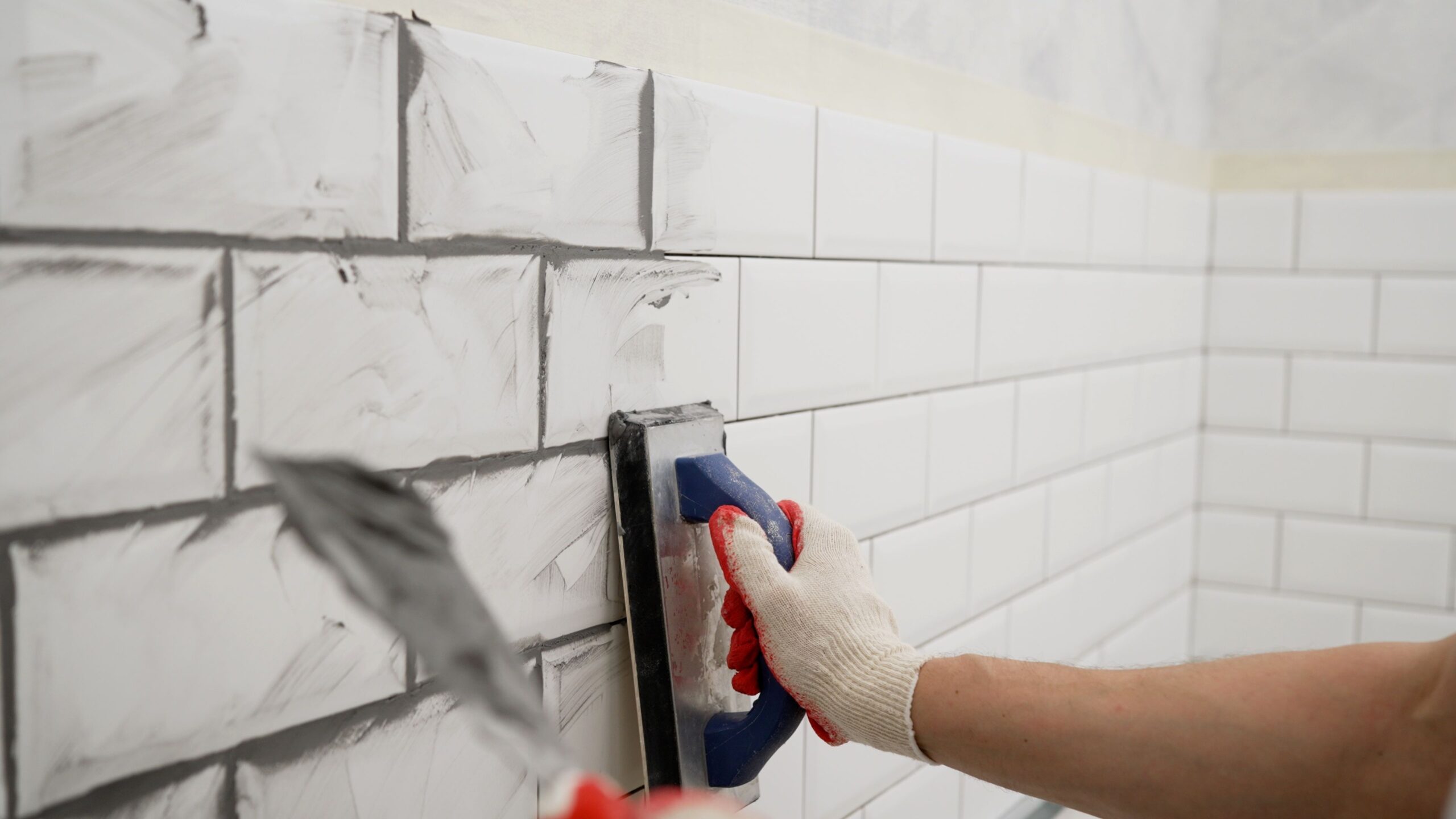
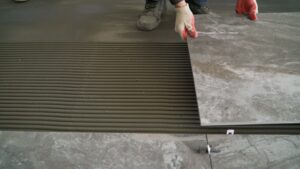
In tile installations, for example, grout fills the joints between tiles after they’ve been laid down. Once it sets, grout locks tiles firmly in place, prevents moisture and dirt from entering the gaps, and creates a finished, professional appearance. Beyond tiles, grouting in construction also serves equally important roles in foundations, structural repairs, and ground stabilisation projects.
Types of Grouting Materials in Construction
The construction industry uses several types of grouting materials, as mentioned below:
Cement-Based Grouting
Cement grout remains the most traditional and widely used option in construction. Made from Portland cement, it’s mixed with water and additives to create a workable paste. Cement grout is affordable, readily available, and straightforward to apply, which is why it is often the preferred choice for many residential and commercial projects.
Cement grout remains the most traditional and widely used option in construction. Made from Portland cement, it’s mixed with water and additives to create a workable paste. Cement grout is affordable, readily available, and straightforward to apply, which is why it is often the preferred choice for many residential and commercial projects.
Chemical Grouting Solutions
Chemical grouts utilise liquid polymers, such as polyurethane or sodium silicate, which react chemically when injected into soil or concrete structures. These solutions expand rapidly upon contact with moisture, making them exceptional for stopping active water leaks in basements, tunnels, and deep foundations.
Structural and Epoxy Grouting
Epoxy grout is designed for applications requiring exceptional strength, chemical resistance, and durability. Unlike conventional cement grout, epoxy grout is non-porous, making it resistant to moisture, stains, and chemicals.
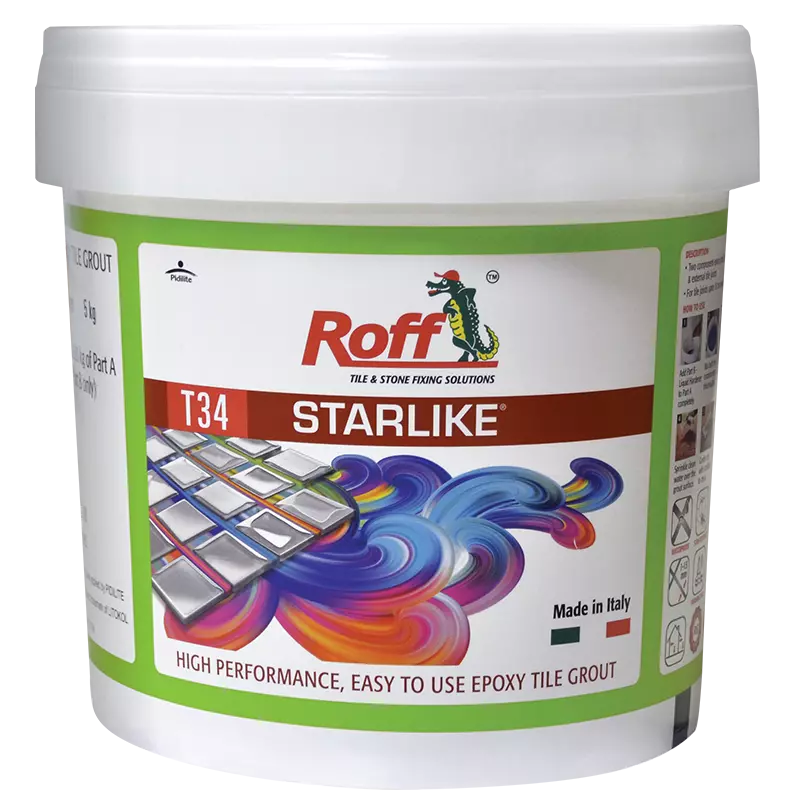
Modern epoxy grouts like Roff Starlike are engineered to be non-porous, giving them near-zero water absorption, which prevents staining and provides superior durability in wet environments.
Bentonite Grouting for Sealing Applications
Bentonite grout expands when exposed to water, making it ideal for sealing boreholes, wells, and underground cavities. Its swelling properties help create an effective barrier against water movement.
Resin-Based Grouting Systems
Resin grouts provide excellent bonding, flexibility, and rapid curing. They are commonly selected for structural repairs, bridge rehabilitation, industrial flooring, and locations exposed to dynamic loads.
Bituminous Grouting for Waterproofing
Bituminous grout is primarily used where waterproofing is the priority. It forms a flexible moisture barrier and is commonly applied in retaining walls, tunnels, and other structures exposed to water.
Comparison Guide: Selecting the Right Grouting Material
With several types of grouting available today, selecting the right material depends on factors such as structural loads, moisture exposure, chemical resistance, and long-term maintenance needs. Cement grout is suitable for many standard applications, while epoxy, resin, and chemical grouts are better suited for demanding environments that require superior durability and waterproofing. For tile installations, using a specialised tile grouting powder can improve joint strength, resist stains and moisture, and deliver a longer-lasting finish.
Why Grouting Matters for Construction Projects
Why do specifications place so much emphasis on grouting in construction? Beyond filling visible gaps, grouting performs essential mechanical and protective duties that extend the service life of the entire structure. Let us learn more about them:
Structural Stability and Load Distribution
By filling voids and gaps, grout ensures complete contact between structural elements, preventing stress concentration points that can lead to cracks or component failure under load. By ensuring complete contact between tiles, equipment bases, or structural elements, grout allows loads to distribute evenly, preventing stress concentration that could lead to failure.
Waterproofing and Leak Prevention
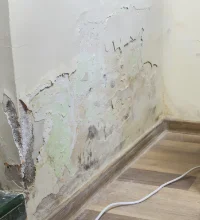
This is perhaps the most critical function of grouting in construction. Water is relentless, and it finds its way into even the tiniest gaps. Properly applied grout creates an impermeable barrier that protects against moisture infiltration. In bathrooms, kitchens, and outdoor installations, this waterproofing function prevents costly damage, such as mould, efflorescence, and substrate deterioration.
Filling Voids and Preventing Settlement
Voids and gaps compromise structural integrity and appearance. The grouting process ensures these spaces are filled, preventing future settlement, movement, or destabilisation.
Corrosion Protection for Reinforcement
Steel reinforcement embedded in concrete can rust when exposed to moisture and oxygen, leading to concrete spalling. By encapsulating steel tendons and rebar, grouting in construction creates an alkaline, impermeable barrier that protects metallic elements from corrosion.
Enhancing Bearing Capacity of Foundations
Weak or sandy soils often struggle to support heavy building loads. Grout injection consolidates loose soil particles into a dense, rock-like mass, significantly increasing foundation bearing capacity and safety margins.
Soil Stabilisation and Ground Improvement
One of the major applications of grouting in construction is improving weak or loose ground. Injected grout binds soil particles together, improving stability before construction begins.
Common Applications of Grouting in Construction
The versatility of grouting in construction makes it valuable across numerous building and infrastructure projects. Here are its applications:
Foundation and Footing Grouting
Foundations are the backbone of any structure. Grout is used to fill the gaps between the footing and the soil or concrete to create a level and stable base. This prevents uneven settling and structural shifts. Furthermore, the grouting process is used in the following steps during the laying of the foundation:
Column Base Plate Grouting
In steel construction, columns are often anchored to concrete foundations with base plates. Grouting fills the void between the plate and the concrete, transferring the column’s load directly to the foundation. This is critical for the stability of high-rises and industrial facilities.
Pile Cap and Deep Foundation Applications
Deep foundations, like piles, require precise grouting to connect the pile to the cap. This ensures that the load is transferred from the superstructure to the deep, stable soil layers.
Machine and Equipment Base Grouting
Industrial equipment requires precision alignment. High-strength grout fills gaps beneath machinery, minimising vibration while supporting heavy loads.
Tile and Floor Joint Grouting
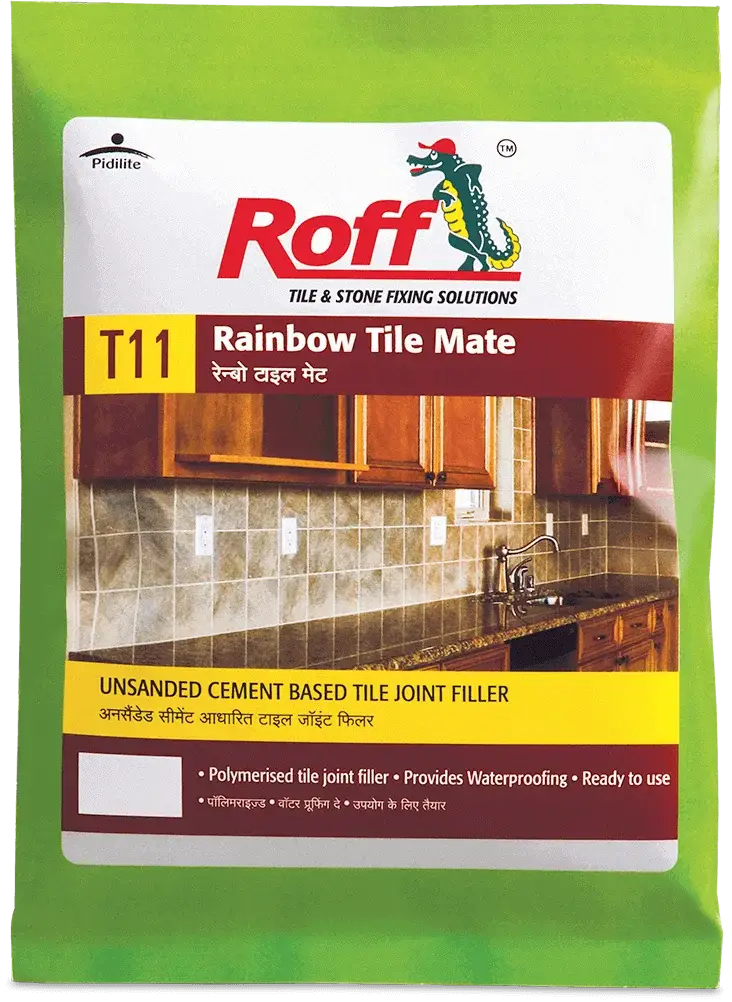
Tile grout fills joints between tiles, helping keep them aligned while reducing water ingress, dirt accumulation, and tile movement. The many benefits of tile installation grouting include improved tile stability, protection against moisture, cleaner grout lines, and a more durable, finished surface. Modern epoxy tile grouts also offer enhanced stain resistance, colour consistency, and long-term durability compared to traditional cement grout.
Structural Crack Repair and Remediation
Low-viscosity grout can penetrate cracks within concrete structures, restoring continuity and reducing further deterioration.
Tunnel and Underground Construction Grouting
Tunnel construction often uses grout to seal water leaks, stabilise the surrounding soil, and strengthen underground structures.
Dam and Water Retention Structure Grouting
Grouting reduces seepage in dams, reservoirs, canals, and water-retaining structures while improving long-term durability.
Soil Injection and Ground Stabilisation
Soil injection improves weak ground conditions before construction, reducing settlement risks and improving structural support.
The Grouting Process: Step-by-Step Guide
Grouting in construction requires precision and adherence to a well-defined process. Skipping steps can lead to failure, so let’s break it down:
Site Assessment and Preparation
Before any grout is mixed, the site must be assessed. Engineers identify the voids, cracks, or areas that need filling and plan the injection points. The surface is then cleaned and prepared to ensure the grout bonds properly.
Drilling Pattern and Hole Preparation
For deep or structural grouting, holes are drilled into the structure at specific intervals. The pattern and depth are calculated based on the project’s requirements to ensure the grout reaches all the necessary areas. In tile installations, the importance of proper grout joint spacing should be taken into consideration. Uniform joints allow grout to fill gaps effectively, accommodate movement, and reduce the risk of cracking or debonding over time.
Grout Mixing: Ratios and Consistency
Achieving the correct grout consistency is non-negotiable; a mix with too much water will have low compressive strength, while too little water makes it un-injectable and prone to leaving voids. The ratio of cement, water, and admixtures must be precise to achieve the desired flow and strength. Too much water weakens the grout; too little makes it unworkable.
Injection Methods and Equipment
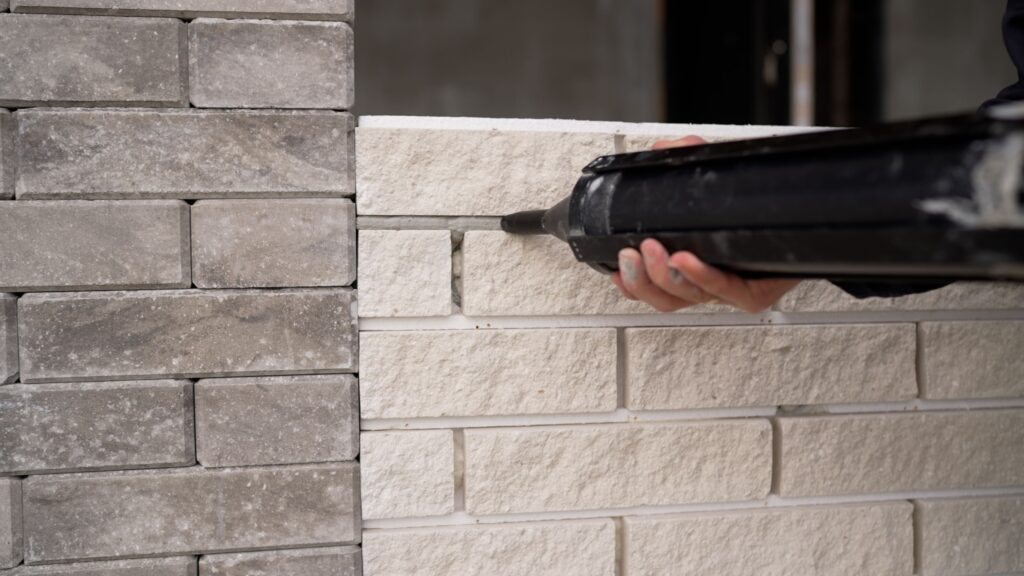
Grout is injected using specialised equipment, such as progressive cavity or piston pumps, where operators must carefully control the injection pressure to fill voids completely without fracturing the surrounding structure. Operators carefully control pressure and flow rate to ensure the grout fills the voids without damaging the surrounding structure.
Curing and Quality Control
After injection, the grout must cure properly. This involves monitoring temperature and humidity to ensure it hardens as intended. Quality control checks, like core sampling or pressure testing, verify that the grout has achieved its full strength and performance.
Advantages of Professional Grouting in Construction
Choosing professional grouting in construction offers significant benefits, including:
Enhanced Structural Integrity and Safety
Properly installed grout strengthens structural connections and improves overall building safety.
Extended Service Life of Structures
High-quality grout protects structures from water, movement, and environmental damage, extending their lifespan.
Cost-Effectiveness Compared to Reconstruction
Repairing voids and strengthening existing structures through grouting is often far more economical than replacing damaged components.
Minimal Disruption During Application
Many modern grouting methods can be completed quickly with limited interruption to ongoing operations.
Versatility Across Project Types and Conditions
From residential buildings to bridges, tunnels, factories, and commercial spaces, professional grouting adapts to numerous applications.
Common Grouting Challenges and Solutions
Even the best grouting process can face hurdles. Here’s how professionals tackle common issues:
If water rises to the surface (bleeding) or the mix separates (segregation), the grout’s strength is compromised. Proper mixing and the use of admixtures can prevent these issues.
Managing Set Time in Extreme Temperatures
Temperature affects how fast grout sets. In hot weather, grout may set too quickly; in cold weather, it may not cure properly. Adjusting the mix or using accelerators or decelerators can manage this.
Avoiding Grout Contamination
Clean materials and equipment are essential. Contamination from dirt, oil, or old grout can weaken the bond and lead to failure.
Choosing the Right Grout for Your Construction Project
Selecting the right types of grouting for your project is critical. Here’s what to consider:
Evaluating Load Requirements and Stress Factors
Heavy loads require high-strength grouts like epoxy, while lighter loads can be handled by cement grout.
Assessing Environmental Conditions
Wet, chemical-heavy, or extreme temperature environments demand grouts with specific resistance properties.
Budget Considerations and Material Costs
While epoxy is more expensive than cement, its longevity and performance often make it the better long-term investment.
Matching Grout Type to Application Specifics
Always match the grout to the job. A tile joint needs a different grout than a dam foundation.
Conclusion: The Critical Role of Grouting in Construction Quality
Grouting is a critical part of every durable and reliable construction project. Whether it is strengthening foundations, sealing cracks, stabilising soil, or protecting tiled surfaces, grouting in construction improves structural performance, prevents moisture-related damage, and extends the life of the structure. The appropriate grout material and following the correct process can lead to long-term results.
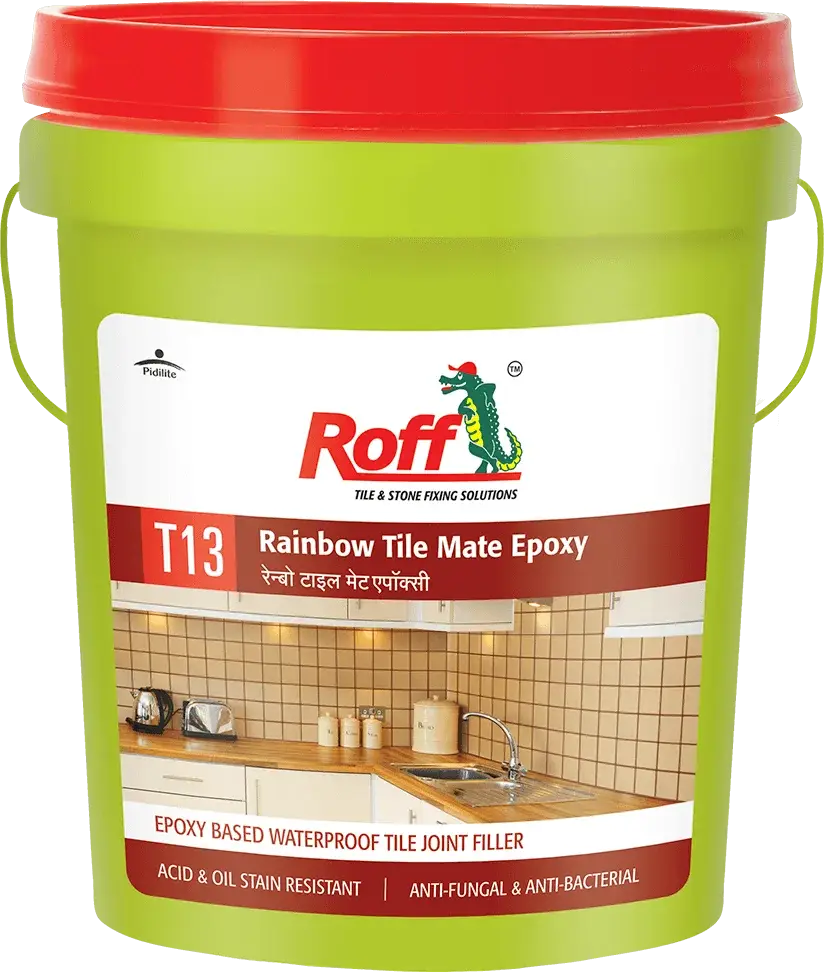
For projects that demand high performance and lasting durability, Roff offers advanced grouting solutions. Products like Roff Starlike, a premium epoxy grout known for its waterproofing, stain resistance, durability, and colour stability, and Roff Rainbow Tile Mate Epoxy, a high-performance three-component epoxy tile joint filler for floors and walls, provide reliable solutions that combine strength, protection, and aesthetics for long-lasting installations.
Frequently asked questions (FAQs)
1) What is the difference between grout and concrete in construction?
Concrete is used to create structural elements, while grout is primarily used to fill gaps, joints, and voids or secure structural components after installation.
2) How long does construction grout take to cure completely?
Initial setting may occur within a few hours, but complete curing typically takes 24 to 72 hours, depending on the grout type and site conditions.
3) Can grouting fix cracks in existing concrete structures?
Yes, injection grouting can seal many structural and non-structural cracks, restore continuity, and reduce water ingress when the appropriate grout is selected.
4) What type of grouting is best for waterproofing basements?
Epoxy and certain chemical grouting systems are commonly preferred because they provide excellent moisture resistance and long-term waterproofing performance.
5) Is grouting necessary for all tile installations?
Yes, grouting in construction keeps tiles aligned, helps prevent water penetration, reduces dirt accumulation, and accommodates small movements that protect tiles from cracking.
6) How much does construction grouting typically cost?
Costs vary based on the grout material, application method, project size, accessibility, and labour requirements.
7) What are the signs that a structure needs regrouting?
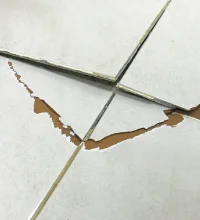
Common signs include cracked or missing grout, water seepage, loose tiles, settlement, visible voids, and deteriorating joints.
8) Can grouting be done in cold or wet weather conditions?
Yes, the grouting process can be completed in cold or wet weather conditions. But weather conditions affect curing. Suitable grout products and proper application practices should always be followed to achieve the best results.